Understanding the Drywall Steel Stud: Modern Construction’s Unsung Hero
If you’ve ever wandered through a construction site or peeked inside a newly built office, chances are you’ve encountered a drywall steel stud without really noticing it. These slender, steel-framed marvels are quietly revolutionizing how walls go up across the globe. From rapid urbanization to humanitarian shelters, the drywall steel stud offers strength, efficiency, and flexibility. But why does this unassuming component matter so much worldwide? Because as populations grow and construction timelines tighten, builders need materials that are lightweight, durable, and easy to handle. Understanding drywall steel studs equates to understanding a key enabler of modern architecture and relief infrastructure.
The Global Context: Why Drywall Steel Studs Are More Than Just Building Materials
Globally, the construction sector is a massive force—accounting for nearly 13% of global GDP according to the World Bank (2022). The demand for affordable, sustainable housing is skyrocketing, especially in rapidly urbanizing areas across Asia, Africa, and Latin America. At the same time, disaster-prone regions require quick, sturdy construction methods to restore homes and facilities.
Now, here’s the kicker: traditional wood framing can be expensive and environmentally taxing, while concrete is heavy and slow to erect. This is where drywall steel studs fill the gap effortlessly. The ISO 9001 standards on quality management increasingly endorse steel framing for better consistency and durability. Oddly enough, we’re seeing a return to steel—once a staple of skyscrapers—scaled down to suit everyday buildings and even temporary shelters.
However, challenges persist such as supply chain disruptions and material waste. The drywall steel stud addresses many of these issues by offering modularity and recyclability.
Defining Drywall Steel Studs: What Exactly Are They?
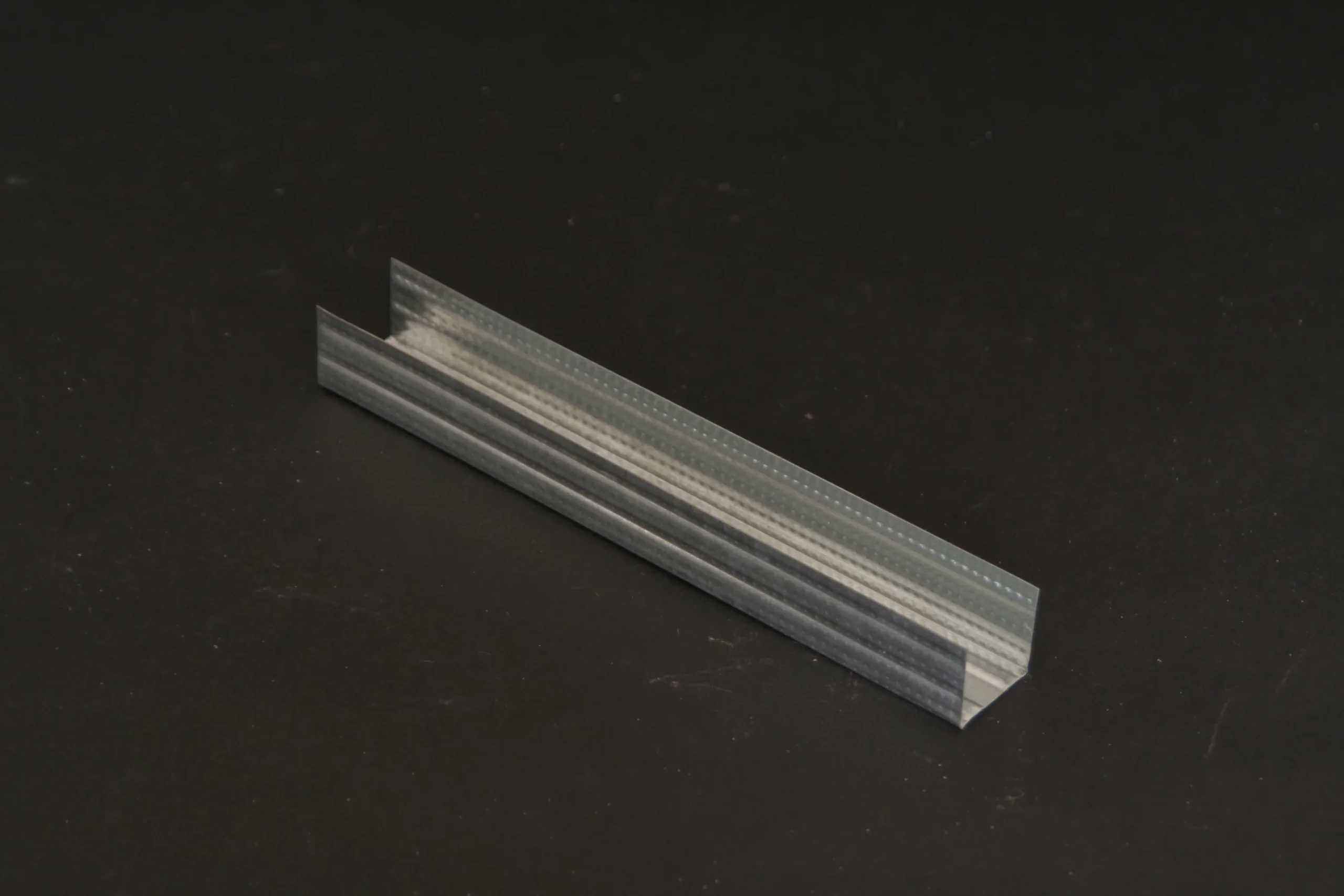
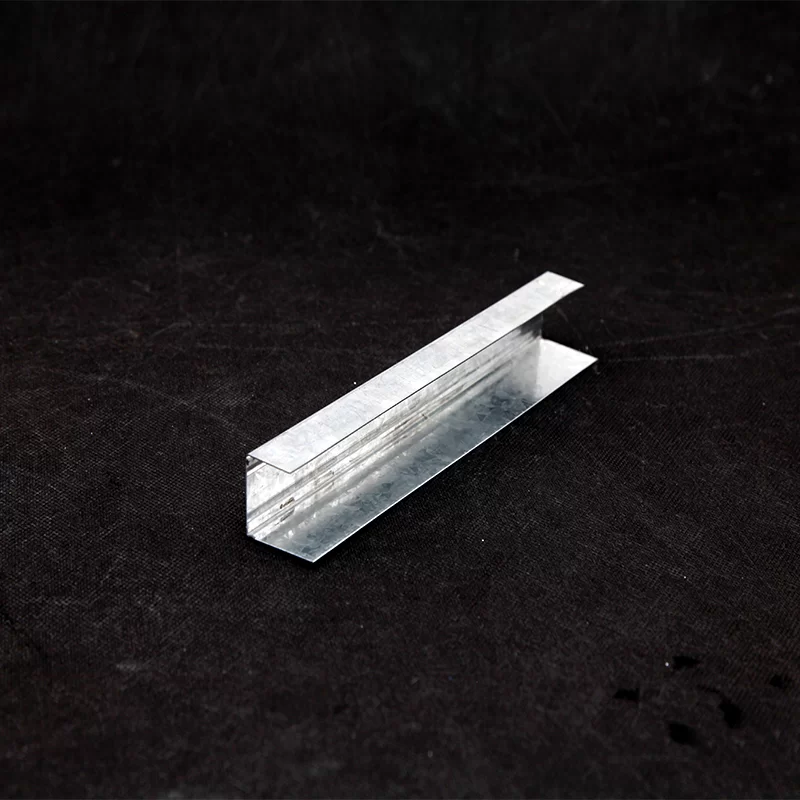
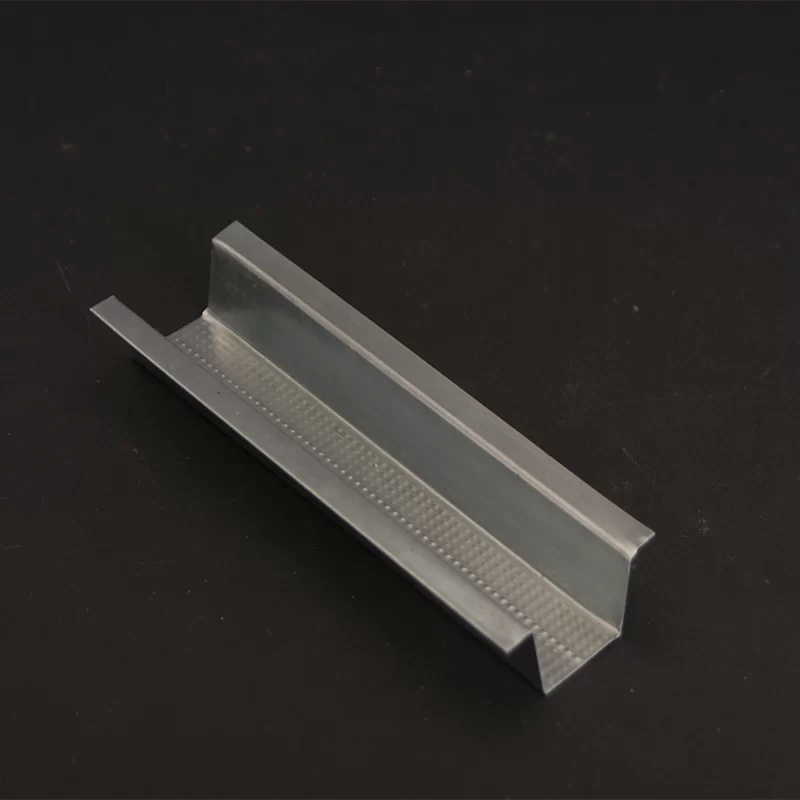
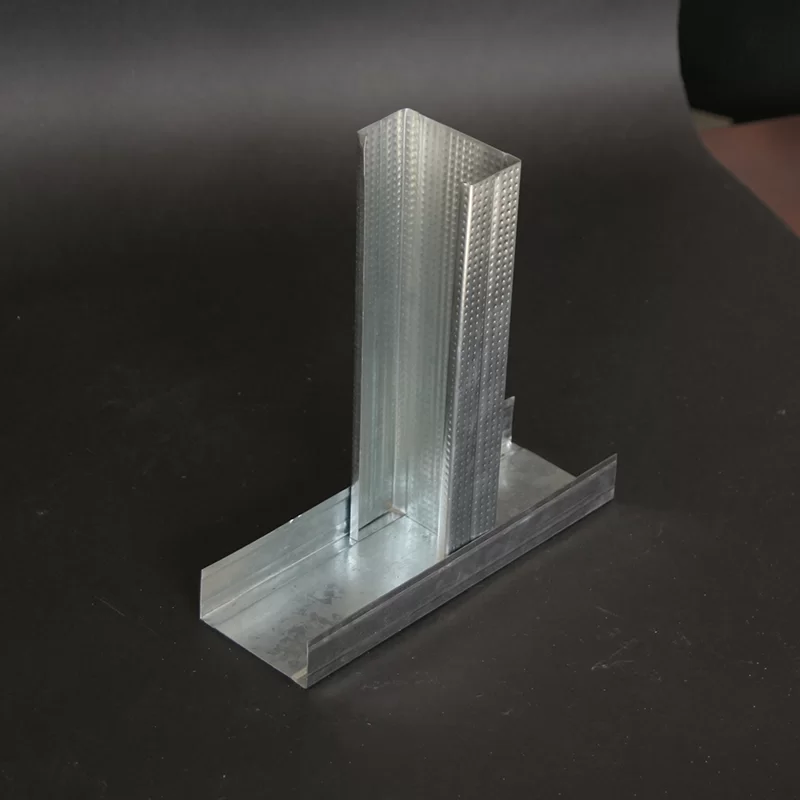
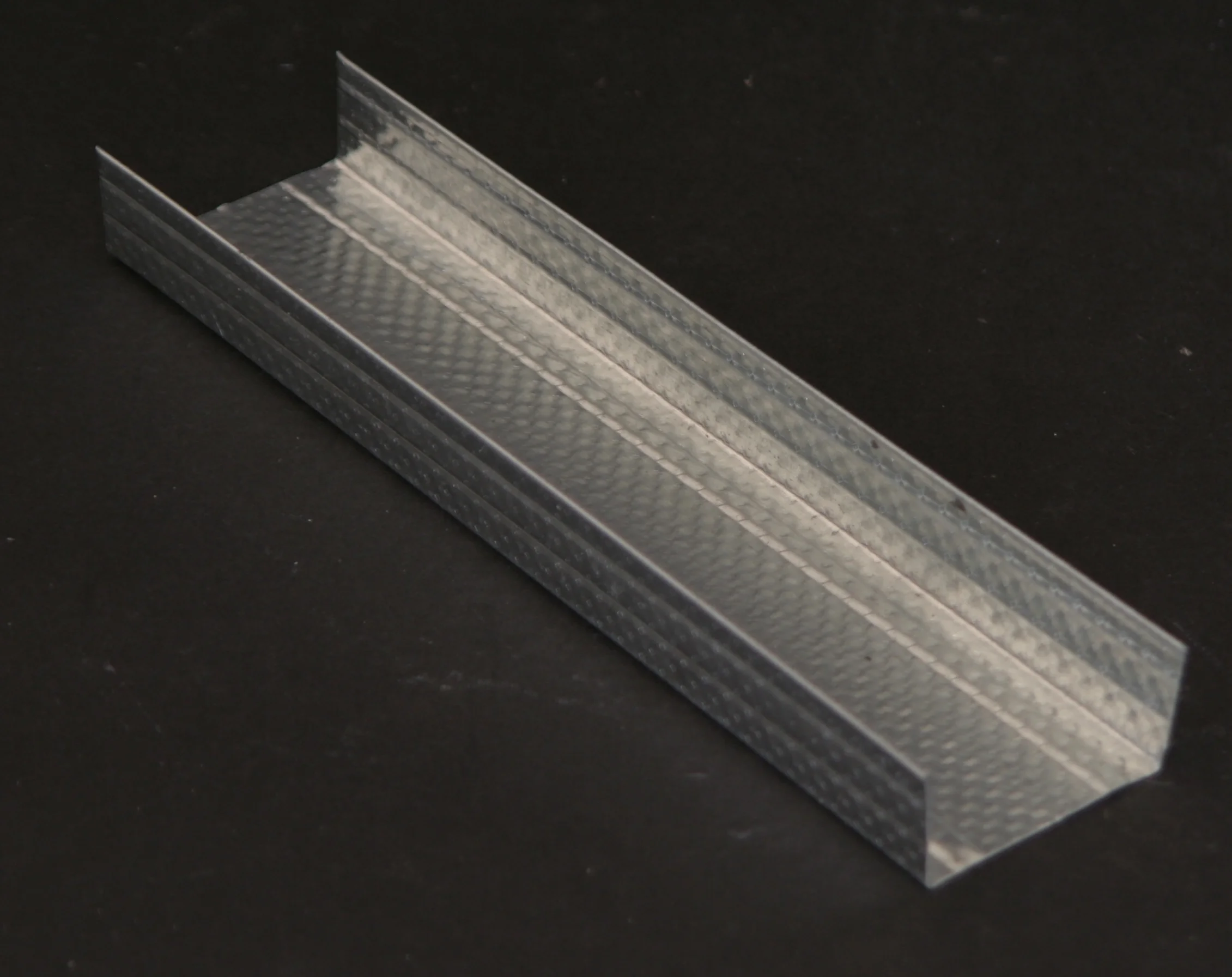
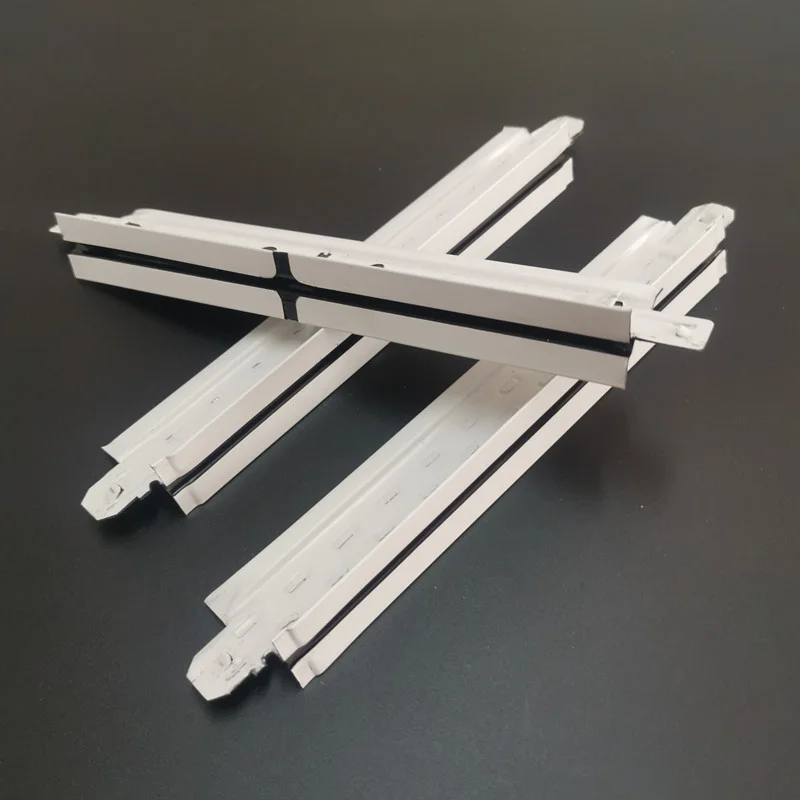
Put simply, a drywall steel stud is a cold-formed, U- or C-shaped channel made from galvanized steel, used as the framing backbone behind drywall panels. Think of it as the 'skeleton' that gives interior walls their shape and strength. Unlike traditional wooden studs, these steel variants resist warping, termites, and fire, making them a robust alternative.
In modern industry, drywall steel studs serve more than office buildings — they’re crucial in humanitarian efforts. For example, rapid shelters deployed after earthquakes or floods often rely on steel studs to withstand harsh conditions while being light enough to transport quickly.
Core Components and Key Factors to Consider
Durability: Built to Withstand the Test of Time
Steel studs boast resistance to rot, mold, and pest damage — a huge boon in humid or disaster-affected zones. Many engineers note that galvanized coating protects steel from rust, extending lifespan significantly.
Scalability and Modular Construction
Because steel studs are uniform and precise, they fit neatly into modular building designs. This means architects can plan repeatable wall sections, simplifying assembly and saving time on-site — kind of like Lego blocks for adults.
Cost Efficiency: Often More Than Just Initial Expense
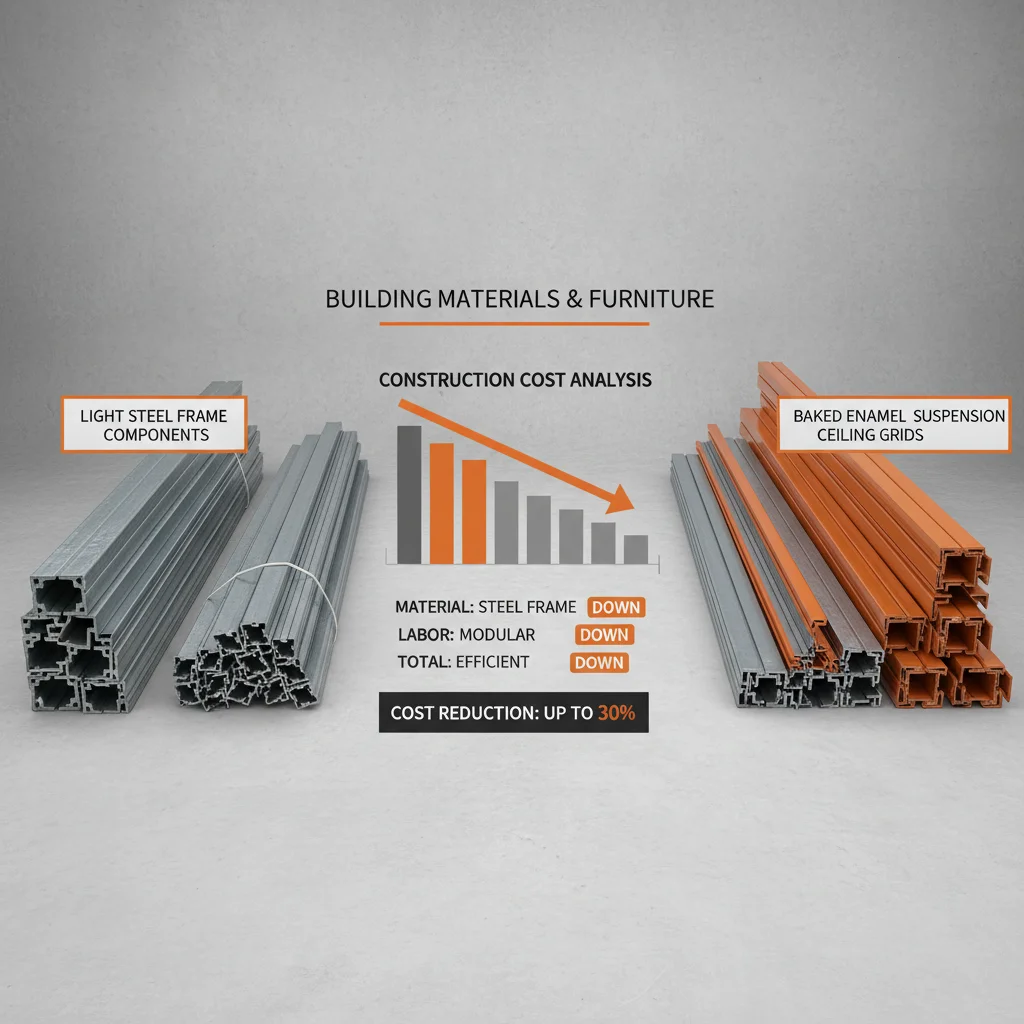
While the upfront cost of steel studs might edge higher than wood for some markets, long-term savings from lower maintenance and faster build times often balance the scales. Additionally, less waste and fewer callbacks mean cost-effectiveness improves substantially.
Environmental Impact and Sustainability
Steel is highly recyclable, often containing a significant portion of recycled content. It aligns well with the UN’s sustainable development goals (SDG 11: Sustainable Cities and Communities). Construction firms using steel studs claim reduction in deforestation footprint, another plus.
Fire and Safety Ratings
In regions with strict fire codes, drywall steel studs outperform wood. Their non-combustible nature provides extra peace of mind in multi-family buildings, schools, and hospitals.
Ease of Installation
Being lightweight and standardized means labor crews can install steel studs quickly with simple tools, even in cramped or awkward spaces.
Global Applications: Where Drywall Steel Studs Make a Difference
Take a walk across continents, and you'll find drywall steel studs popping up in a variety of contexts:
- North America & Europe: Commercial office buildings, schools, and multi-family housing increasingly favor steel framing for fire resistance and sustainability.
- Asia-Pacific: Rapid urbanization and disaster-prone areas benefit from quick-assembly shelters and permanent housing solutions.
- Africa & Latin America: NGOs deploy steel-stud framed clinics and community centers in places where traditional bricks and mortar can’t keep pace.
For instance, after the 2010 Haiti earthquake, temporary and semi-permanent shelters designed with drywall steel studs helped thousands regain dignity faster than conventional methods.
Advantages and Long-Term Value of Drywall Steel Stud Construction
Here’s what makes drywall steel studs not just practical, but emotionally reassuring:
- Reliability: No worries about termites or damp damage.
- Safety: Far better fire resistance builds trust, especially in high-occupancy buildings.
- Sustainability: Supports green building codes and lowers environmental footprint.
- Cost Savings: Across the lifecycle—from installation to maintenance—steel framing often wins out.
- Innovation & Flexibility: Adjustable to different architectural styles and technologies.
Ultimately, they help communities feel safe, protected, and involved in building a better future — which is, let’s face it, what construction is really about.
Future Trends & Innovations in Drywall Steel Stud Technology
Looking ahead, the drywall steel stud industry is tapping into several exciting innovations:
- Lightweight Composite Coatings: New anti-corrosive coatings that last longer and reduce maintenance costs.
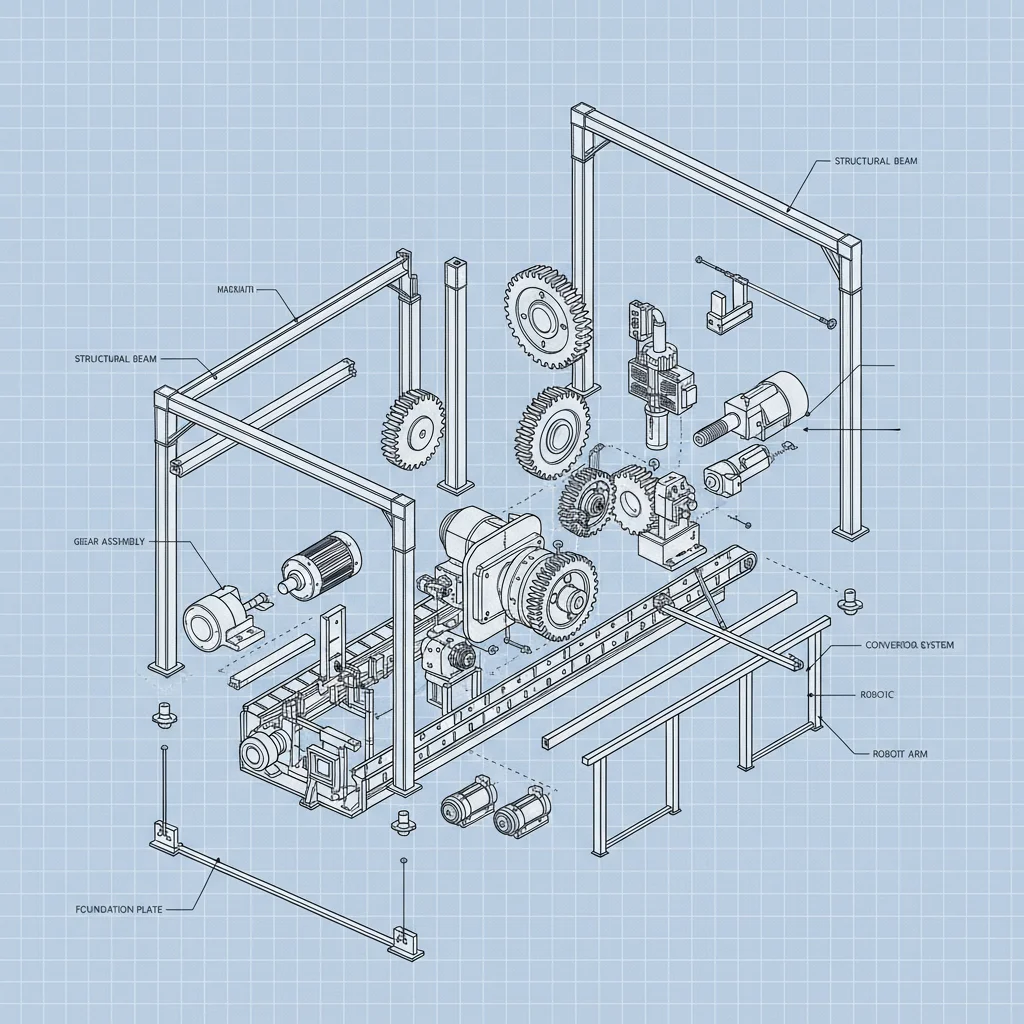
- Digital Fabrication: CNC and BIM software enable precise cutting and just-in-time delivery, minimizing waste.
- Integration with Green Energy: Steel studs designed to accommodate embedded wiring for solar or smart home systems.
- Automation on Site: Robots and automated screwdrivers speeding up installation.
- Policy Shifts: Many governments now incentivize steel-framed construction for sustainability and disaster-resilience.
Challenges & Practical Solutions for Drywall Steel Stud Use
Fair warning: nothing’s perfect. Here are a few challenges encountered:
- Thermal Conductivity: Steel can transfer cold/heat, which complicates insulation strategies. Solution? Add thermal breaks or insulated plasterboards.
- Noise Transmission: Metal studs can increase sound transfer between rooms. Using resilient channels or soundproofing materials helps.
- Supply Chain Sensitivity: Price fluctuations in steel markets impact cost predictability. Some firms hedge using local manufacturing and stockpiling.
In real terms, overcoming these hurdles requires a combination of design tweaks and smart procurement. Many contractors say trial and error with hybrid systems often yields the best results.
Quick FAQ About Drywall Steel Stud
- Q: How do drywall steel studs compare to wood in terms of cost?
- A: While steel studs often have a higher upfront cost, they reduce long-term expenses through durability, lower maintenance, and faster construction cycles.
- Q: Are drywall steel studs suitable for residential buildings?
- A: Absolutely. They meet building codes in most regions and offer excellent fire resistance and soundproofing when combined with appropriate materials.
- Q: Can drywall steel studs be recycled after demolition?
- A: Yes, steel framing is highly recyclable and can be reused or melted down, reducing environmental impact.
- Q: What is the typical lifespan of a steel stud wall?
- A: With proper installation and maintenance, steel stud walls can last several decades, often outlasting wood-framed walls in harsh environments.
Product Specification Table: Typical Drywall Steel Stud
| Specification |
Value/Range |
Notes |
| Material |
Galvanized Steel (G40/G60) |
Coating to prevent rust |
| Thickness |
0.018" to 0.054" (0.45 mm to 1.37 mm) |
Varies with load requirements |
| Width |
1 5/8" to 8" |
Common sizes for partition walls |
| Length |
8' to 12' (2.4 m to 3.7 m) |
Custom lengths available |
| Weight |
1.5 to 3.0 lbs/ft |
Light enough for easy handling |
Vendor Comparison: Leading Drywall Steel Stud Suppliers
| Supplier |
Product Range |
Lead Times |
Sustainability Certifications |
Typical Price Range ($/ft) |
| Jinkai Building Materials |
Standard and custom galvanized steel studs, tracks, accessories |
2-3 weeks (bulk orders) |
ISO 9001, LEED compliant |
$0.80 - $1.50 |
| SteelFrames Inc. |
Wide range including insulated studs |
1-2 weeks |
ISO 14001 |
$0.90 - $1.70 |
| GreenBuild Steel |
Eco-friendly coated steel studs |
3-4 weeks |
LEED Gold, Energy Star |
$1.00 - $1.80 |
In Closing: Steel Studs, The Backbone of Tomorrow’s Walls
In real terms, drywall steel studs may seem like small players on a huge site, but building professionals and humanitarian actors alike agree — they change the game. Faster, stronger, more sustainable walls mean better homes and safer communities. And while no material is flawless, the drywall steel stud is an evolving solution, drawing on innovation and global demand to stay relevant.
If you’re ready to explore how drywall steel studs can redefine your next project or humanitarian mission, visit our website — because the future of building might just start with a simple steel frame.
Mini Takeaway
Drywall steel studs combine durability, cost-efficiency, and sustainability to meet global construction challenges—from urban expansion to disaster relief.
References
- World Bank: Urban Development Sector
- ISO 9001 Quality Management
- Wikipedia: Steel Frame Construction