Understanding Dry Wall Metal Studs: A Global Construction Gamechanger
At first glance, dry wall metal studs might not seem like the most thrilling topic, but they’re quietly shaping how we build homes, offices, and disaster relief shelters all around the world. These slender, steel frames form the skeleton inside drywall walls, lending strength, flexibility, and speed to construction projects that span continents and climates. As urban populations swell and demand for fast, affordable building solutions rises, understanding dry wall metal studs unlocks a glimpse into how modern construction meets both economic and humanitarian needs globally.
Simply put: they matter because they’re cost-effective, sustainable, and vital for scalable building, whether it’s a luxury apartment in New York, a school in Nairobi, or emergency housing after a typhoon in Southeast Asia.
The Global Context: Why Dry Wall Metal Studs Are Gaining Momentum
The World Bank estimates that by 2050, nearly 70% of the world’s population will live in urban areas — up from about 55% today. That means construction demands will soar. Traditional wooden framing often struggles to keep pace due to supply shortages, fire risks, and environmental concerns. Enter dry wall metal studs, which are corrosion-resistant, lightweight, and readily available in many regions.
ISO standards have increasingly recognized metal studs for their durability and fire safety, making them compliant with many building codes worldwide. Also, in disaster-prone parts of the world, humanitarian agencies lean on metal stud framing for quick assembly temporary shelters, because wood just doesn’t hold up under repeated stress and humid conditions. That’s a pretty serious win for resilience in the face of climate change-driven emergencies.
Mini takeaway: As cities grow and climate challenges mount, metal studs meet the urgent need for resilient, affordable, and scalable construction materials.
What Are Dry Wall Metal Studs?
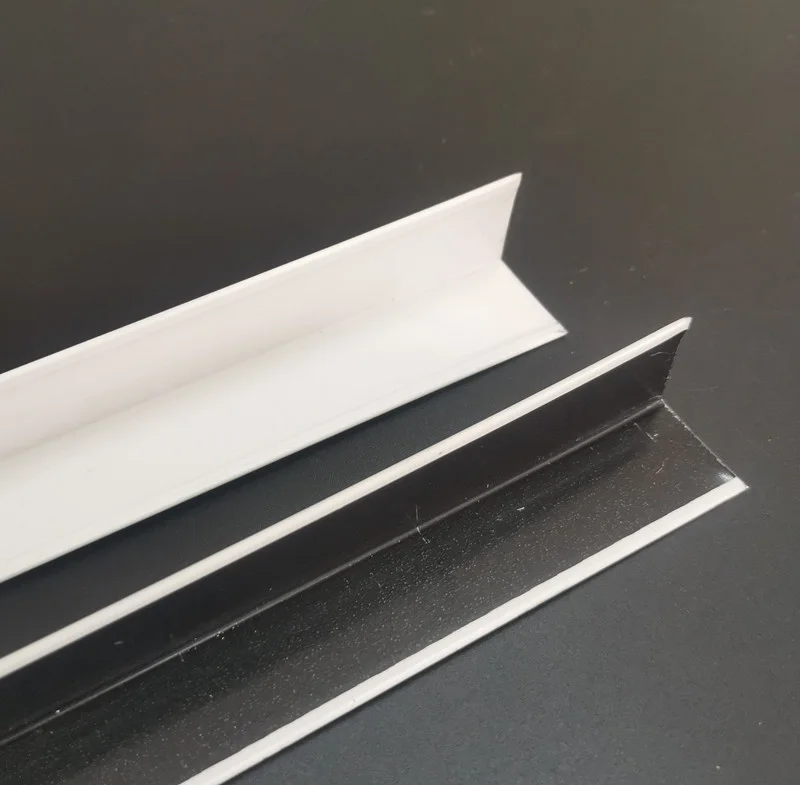
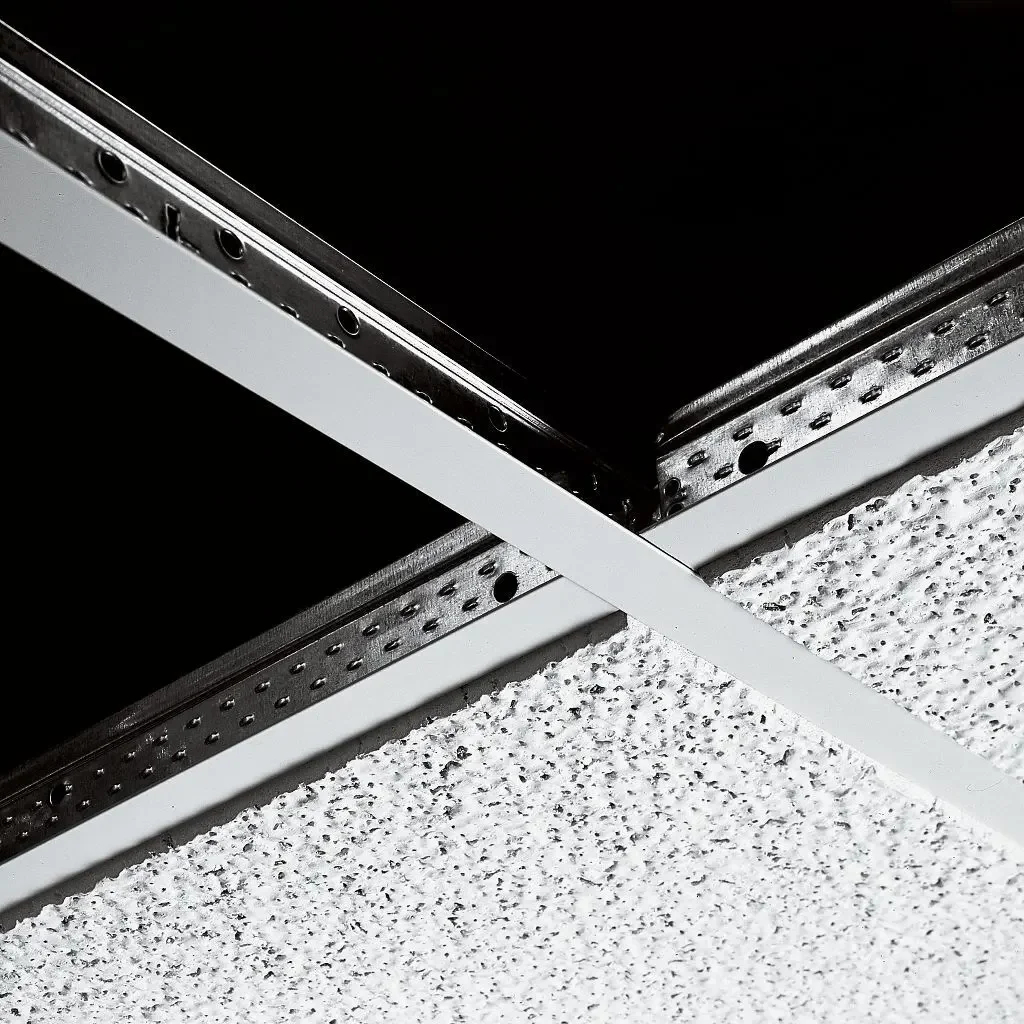
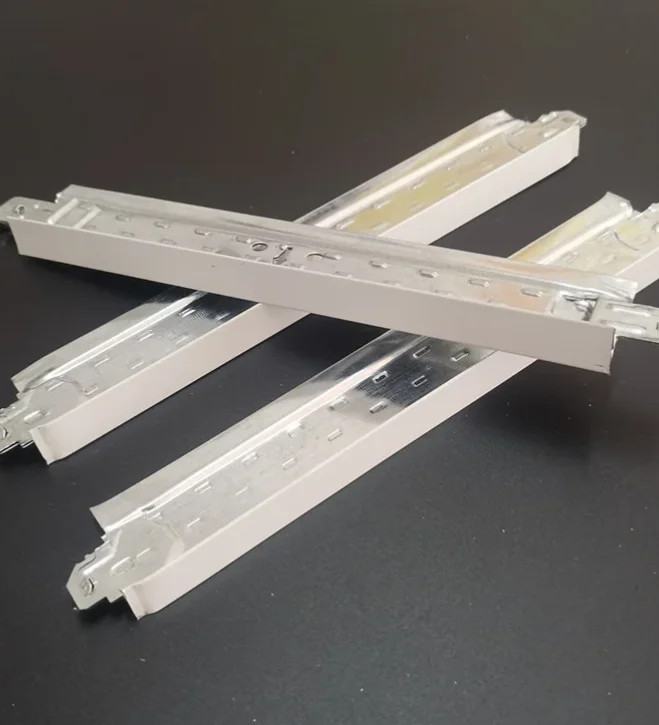
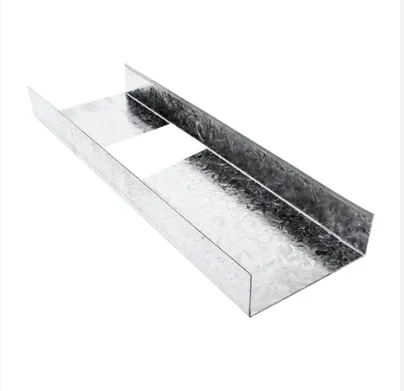
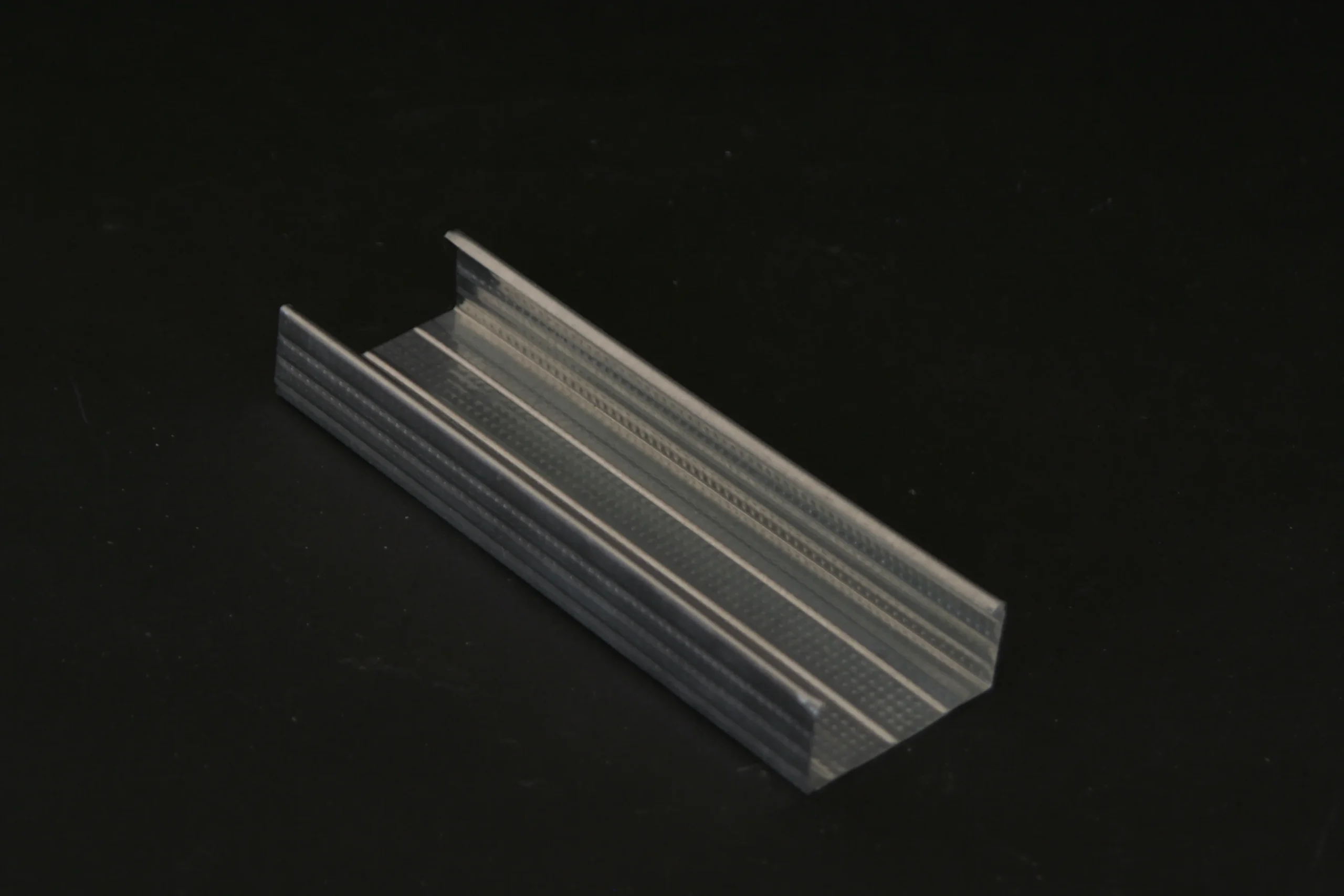
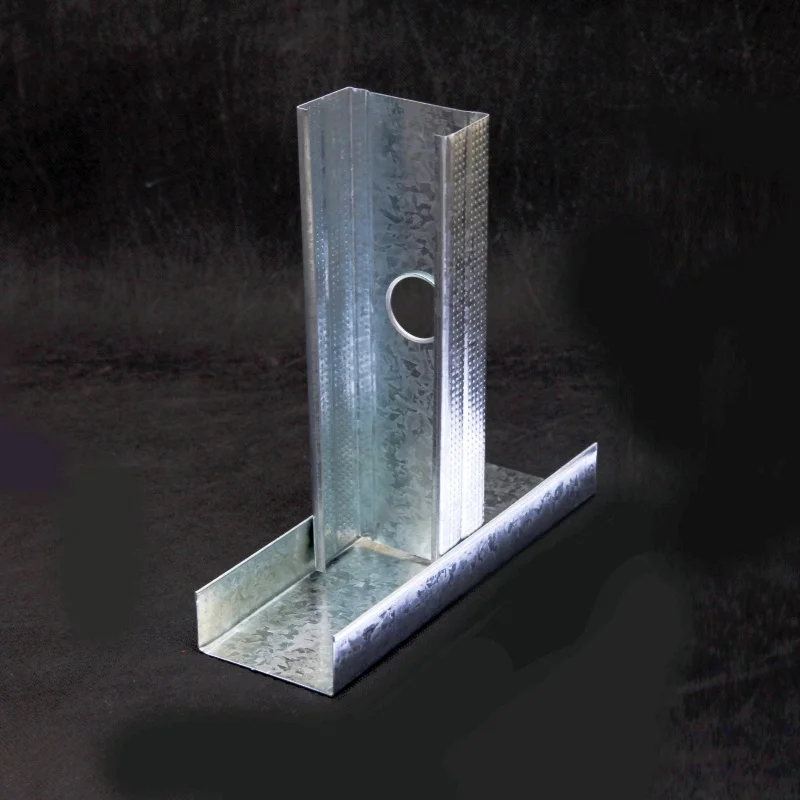
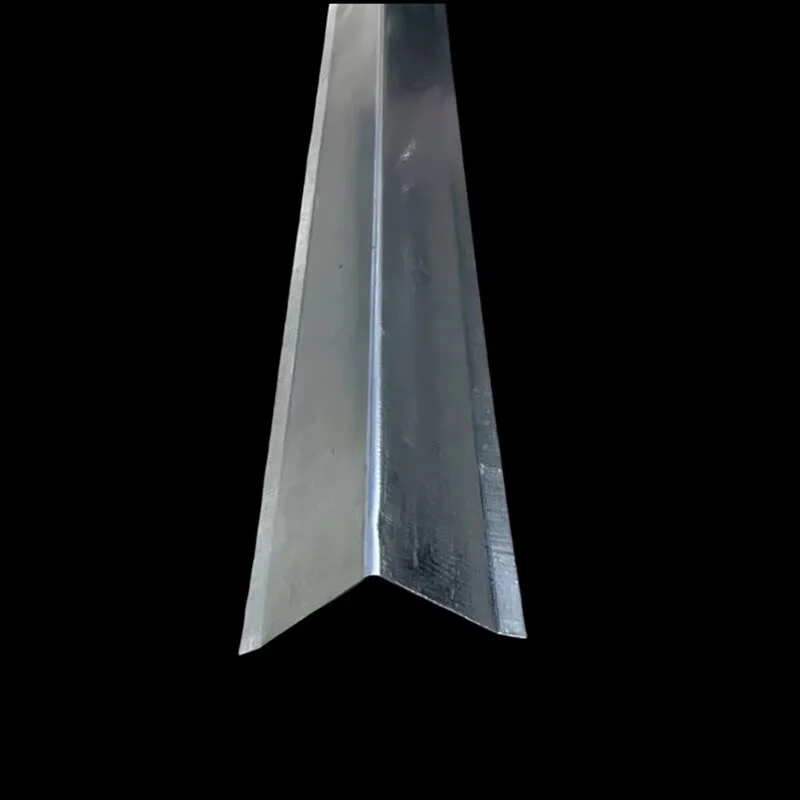
Simply put, dry wall metal studs are U-shaped, steel framing members that support sheets of drywall (the gypsum panels you see on modern interiors). Unlike wooden studs, these are made from galvanized steel, which resists warping, termites, and fire. They make interior walls solid, straight, and ready for finishing touches like paint or wallpaper.
In the construction industry, they’re a staple — literally the backbone of interior walls. But beyond offices and homes, metal studs are a darling of engineers working on warming shelters, clinics, schools, and even temporary offices in remote or emergency settings.
dry wall metal studs might seem like a small piece of the puzzle, but their reliability and adaptability are crucial for fast, efficient building projects worldwide.
Core Components and Characteristics of Dry Wall Metal Studs
Durability
Made with galvanized or sometimes stainless steel, metal studs handle moisture better than wood. This makes them perfect for humid climates or places prone to insect damage. No bending or twisting after installation means cleaner walls and fewer repairs down the line.
Lightweight Design
Because steel is strong but thin, metal studs are lighter than wood alternatives. This reduces transport costs and makes installation faster—important factors when speed and budget are tight.
Fire Resistance
Steel doesn’t burn. That crucial property helps buildings meet strict safety codes in residential and commercial construction alike. This peace of mind is especially valued in densely populated urban areas.
Scalability and Modularity
Metal stud framing can be easily configured and stacked, allowing builders to customize layouts without redesigning the whole structure. Makes expansion or remodeling projects a breeze.
Cost Efficiency
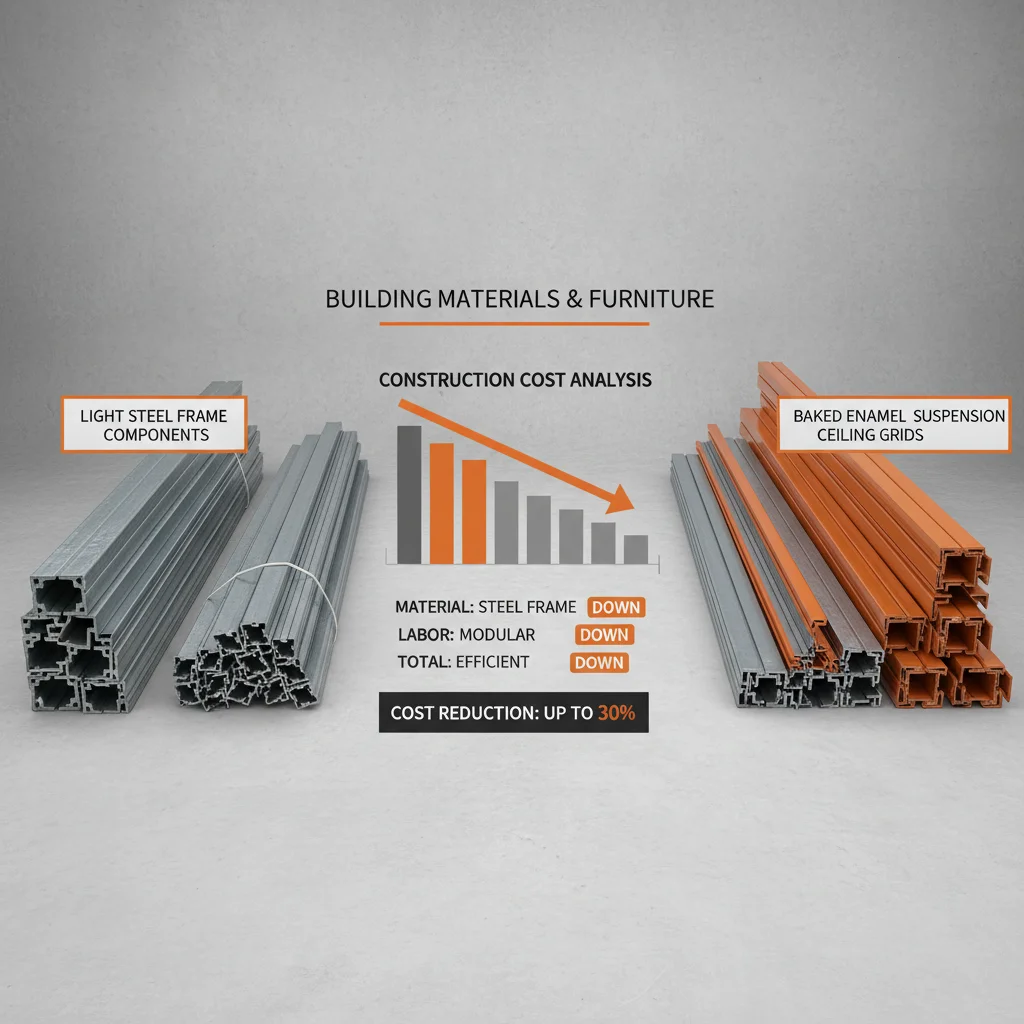
While metal studs sometimes seem pricier upfront, their durability, reduced labor time, and low maintenance actually cut overall project costs significantly.
Environmental Impact
Steel is recyclable—often made from recycled materials—unlike many wood products that contribute to deforestation. This positions dry wall metal studs as greener building materials in an industry that’s slowly waking up to sustainability.
Product Specification Table
| Specification |
Detail |
| Material |
Galvanized Steel (G90 or higher) |
| Standard Widths |
1-5/8", 2-1/2", 3-5/8", 4", 6" |
| Lengths |
8', 10', 12', 14' |
| Thickness (Gauge) |
25 to 18 gauge |
| Corrosion Resistance |
Galvanized coating exceeds ASTM A653 standards |
| Fire Rating |
Class A fire rating with proper drywall assembly |
Mini takeaway: The specs tell us metal studs are technically refined and adaptable, tailored for demands from residential to industrial applications worldwide.
Where Are Dry Wall Metal Studs Making a Difference?
Their global use spans from sprawling cities to isolated regions:
- North America & Europe: Standard interior framing for offices, apartments, and hospitals thanks to strict building codes demanding fire and earthquake resistance.
- Africa & Asia: Rapid urbanization zones where affordable housing projects rely on metal studs for quick scalability and longevity.
- Disaster Relief Organizations: NGOs use metal studs to build quick-assembly shelters that resist humidity and pests, crucial in tropical climates hit by typhoons or floods.
- Remote Industrial Sites: Temporary worker housing or control rooms prefabricated with metal studs survive harsh weather better than wood-based alternatives.
A good example: After the 2015 Nepal earthquake, many relief structures used metal stud framing for the local clinics because they could be assembled quickly and adjusted as the rebuilding took place.
Advantages & Long-Term Value of Using Metal Studs
It’s more than just the technical specs—there’s a human side here:
- Safety: Fire resistance and structural integrity provide peace of mind for occupants.
- Durability: Less warping or pest damage reduces long-term repair costs and disruption.
- Sustainability: Recyclable steel helps reduce the carbon footprint compared to traditional timber framing.
- Speed: Lightweight panels speed up construction, helping low-income communities get housing faster.
- Flexibility: Easy to adapt for future renovations or expansions — critical in dynamic urban settings.
Honestly, it feels like dry wall metal studs blend innovation and reliability in a way that fosters trust between builders and residents. That’s not trivial when you think about a family’s home, or a clinic’s walls.
Looking Ahead: Trends & Innovations in Dry Wall Metal Stud Technology
Several emerging trends are reshaping metal stud use:
- Light-gauge Automation: Robotics and CNC machinery are creating precision-cut studs that reduce waste and speed construction.
- Eco-Friendly Coatings: New galvanizing techniques with less environmental impact are becoming standard.
- Integration with Smart Building Systems: Metal studs are beginning to house embedded wiring and sensors for energy efficiency and safety monitoring.
- Policy Push: Governments worldwide encourage steel framing as part of “green building” standards aligning with UN Sustainable Development Goals.
Common Challenges & How Industry Leaders Are Addressing Them
It's not all rosy. Some builders face:
- Thermal Conductivity: Metal studs can cause cold bridges, affecting insulation. Solutions include added thermal breaks or composite materials integrated into stud design.
- Cost Perception: Some still see metal framing as more expensive, despite long-term savings. Education and transparent lifecycle costing help shift this view.
- Corrosion in Harsh Environments: Specialized coatings and alloys are being developed to prevent degradation in coastal or industrial zones.
In short, innovation and experience are steadily overcoming these concerns.
Vendor Comparison Table: Choosing Your Dry Wall Metal Stud Supplier
| Supplier |
Material Quality |
Price Range (per 100 pcs) |
Lead Time |
Custom Sizes |
| Jinkai Building Materials |
G90 galvanized steel, ISO certified |
$850 - $950 |
2 weeks |
Available |
| SteelStud Corp |
Standard galvanized steel |
$800 - $900 |
3-4 weeks |
Limited options |
| Global Metal Frames |
Premium galvanized + corrosion-resistant coatings |
$900 - $1,050 |
1-2 weeks |
Fully customizable |
Frequently Asked Questions About Dry Wall Metal Studs
1. How do dry wall metal studs compare to traditional wooden studs in cost?
Though metal studs may have a higher upfront cost, their resistance to pests, warping, and fire coupled with faster installation generally leads to lower overall project costs over time.
2. Can metal studs be used in humid or coastal environments?
Yes, galvanized metal studs are specifically designed with corrosion resistance suitable for humid conditions, but extra coatings may be applied for coastal exposure.
3. Are metal studs easy for DIY projects or should I hire a professional?
While metal studs are lightweight and easier to handle than heavy timber, cutting and fastening require specialized tools and knowledge, so professional installation is recommended.
4. Do metal studs affect insulation or soundproofing?
Metal studs can create thermal bridging that reduces insulation efficiency if not addressed. However, modern framing techniques include thermal breaks and insulation layers to maintain comfort and energy efficiency.
5. How quickly can dry wall metal stud structures be erected?
Speed varies by project size, but metal stud walls typically install faster than wood framing since materials are uniform, pre-sized, and easy to handle, which can reduce labor by up to 30%.
In Conclusion: Dry Wall Metal Studs as a Solid Investment for Tomorrow
When you consider the demands of a growing, urbanizing world — mixed with the urgent need for safe, affordable, and sustainable structures — dry wall metal studs step up as a clear solution. They offer a blend of technical reliability, environmental friendliness, and economic sense that few other framing materials can match. Whether for luxury apartments, schools in emerging markets, or emergency shelters, metal stud framing holds firm.
If you want to explore high-quality dry wall metal studs and see how they can elevate your next project, drop by our website for detailed info and expert consultations.
Thanks for reading — who knew steel studs could have so much story behind those walls?
References
- World Bank: Urban Development Overview
- Drywall - Wikipedia
- ISO 9001 Quality Management Systems