Understanding Framing Walls for Drywall: A Foundation for Modern Construction
If you’re involved in building or renovating interiors, you’ve likely come across the concept of framing walls for drywall. It might sound straightforward, but framing is the very skeleton that gives drywall its shape, strength, and longevity. Globally, as urbanization surges and construction demands evolve, understanding the finer points of drywall wall framing isn’t just a neat DIY skill — it’s a gateway to safer, cost-effective, and sustainable structures that serve millions of people.
Global Context: Why Framing Walls for Drywall Matters
Construction trends worldwide show a massive rise in drywall use, primarily because it’s quick, versatile, and relatively affordable. According to the United Nations’ reports on urban development, nearly 55% of the global population lives in urban areas as of 2024, expected to reach 68% by 2050.1 This urban sprawl pushes demand for efficient interior building methods concentrated on lightweight, fast-installation options like drywall. But here’s the catch — drywall can only perform well if the framing is done right. Framing walls for drywall addresses structural challenges like durability, fire resistance, and moisture control in both residential and commercial environments.
In regions hit by natural disasters, fast and reliable wall framing methods empower reconstruction efforts. The ongoing humanitarian crises from floods and earthquakes repeatedly underline the need for swift yet sturdy building practices, where framing walls for drywall shows its real value.
What Exactly Is Framing Walls for Drywall?
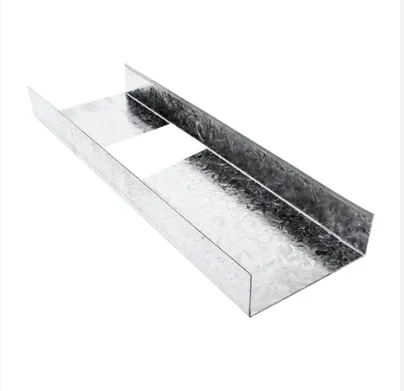
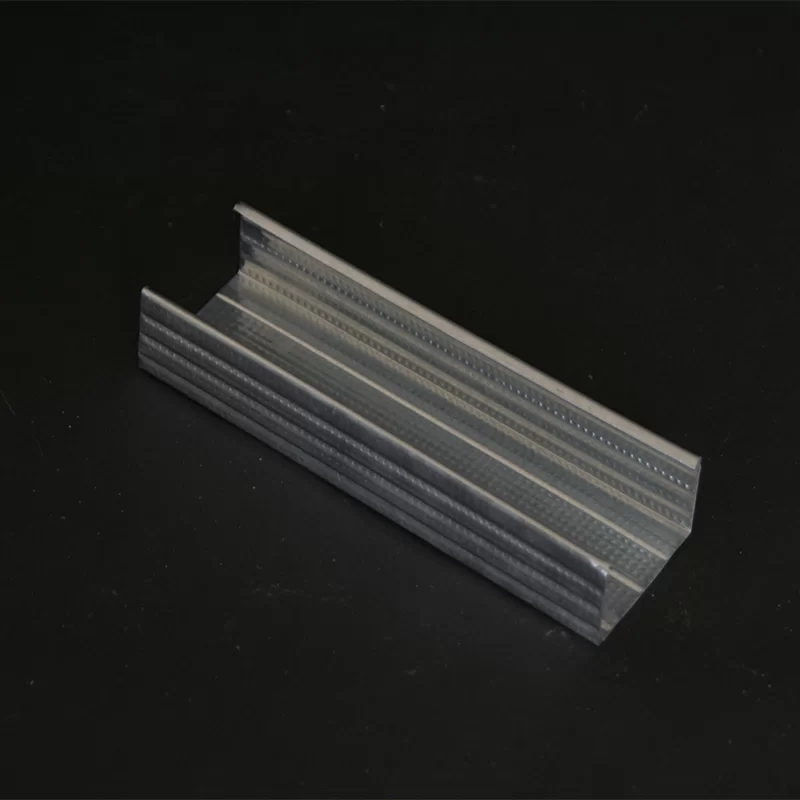
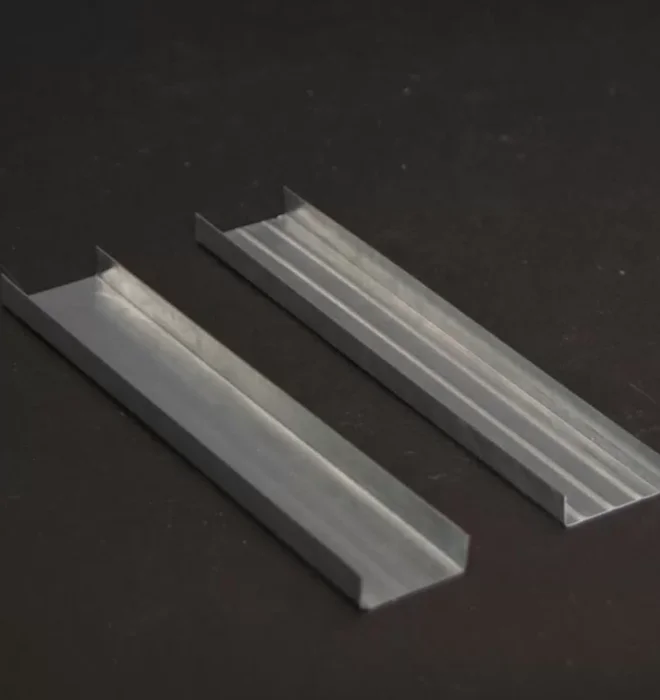
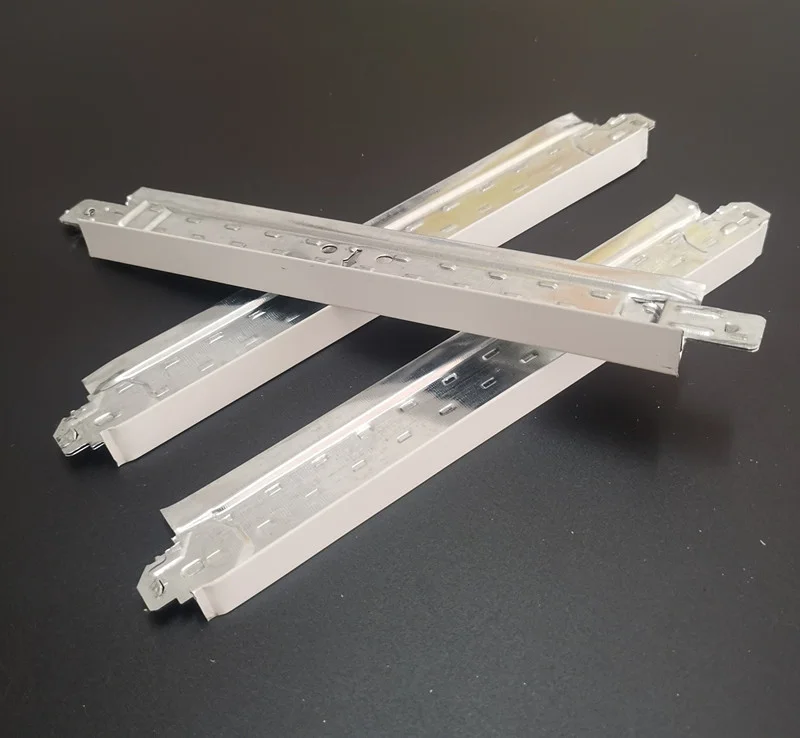
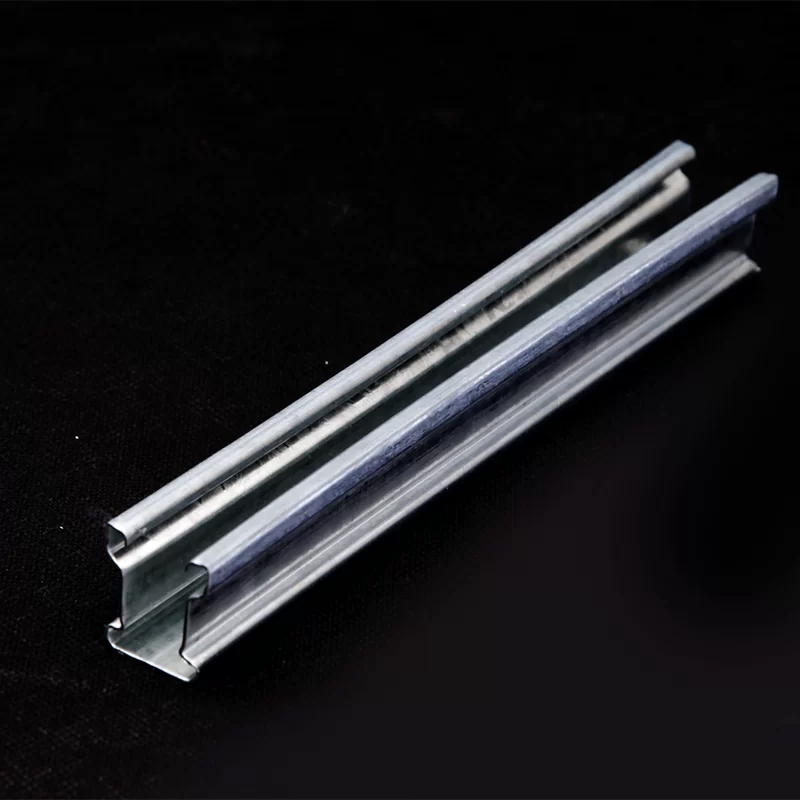
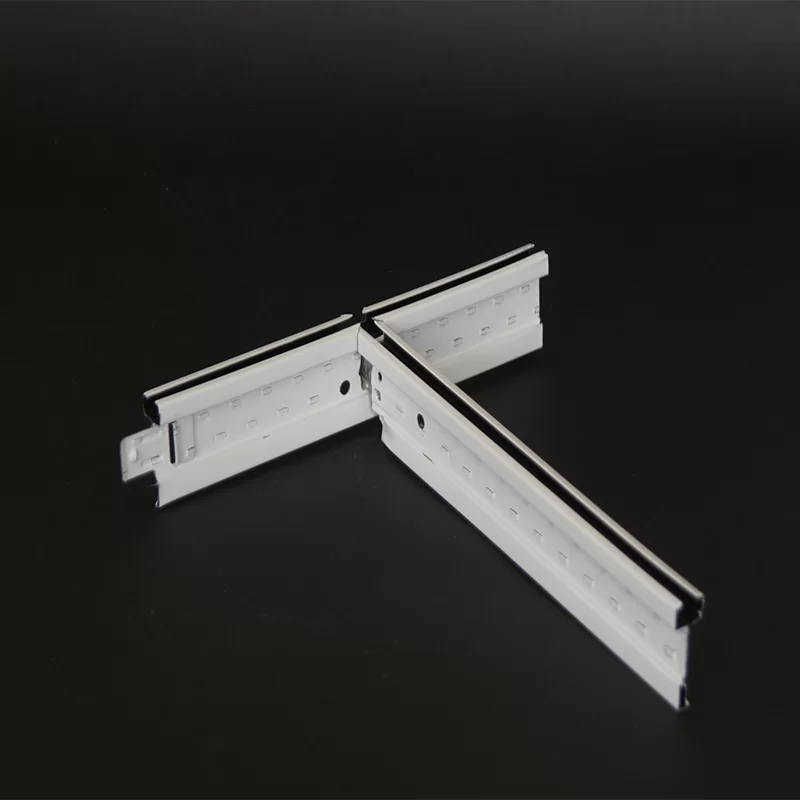
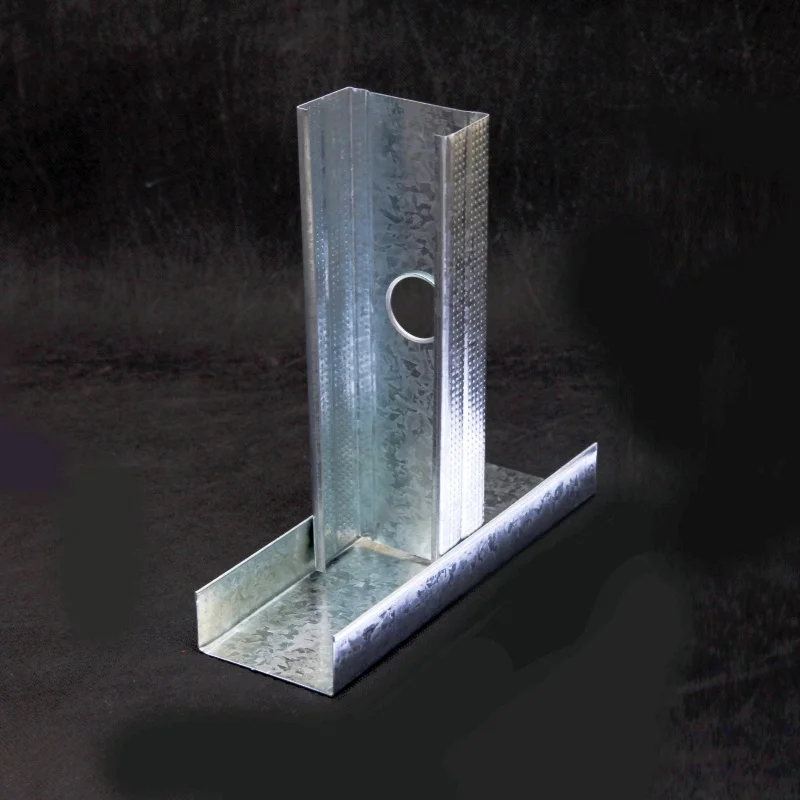
Put simply, framing walls for drywall involves building the internal skeletal structure—usually with wood or metal studs—that drywall panels are attached to. It’s like putting together a cage or grid that defines where your walls stand, how thick they are, and what shape rooms take. Without this framework, drywall wouldn’t hold up or meet safety codes.
This framing isn’t just for aesthetic partitions but supports plumbing, wiring, insulation, and sometimes even load-bearing elements. In humanitarian contexts, modular framing allows for rapid assembly without heavy machinery — a reason why it's a go-to method in shelters or temporary housing.
Core Factors to Consider in Framing Walls for Drywall
1. Material Choice: Wood or Metal?
Wood studs have been the traditional choice for decades—versatile, easy to cut, and locally available in many countries. However, metal framing is gaining ground for its resistance to warping, pests, and fire. Many engineers say that steel studs, though slightly costlier upfront, offer superior longevity and require less maintenance, especially in humid environments.
2. Durability and Safety
Framing affects fire resistance, soundproofing, and structural integrity. Proper spacing of studs (commonly 16 or 24 inches on center) ensures drywall doesn’t crack or sag. The wall’s ability to withstand impacts or environmental stresses shortly boils down to how well it’s framed.
3. Scalability for Different Projects
Whether you’re renovating a small apartment or erecting an office building, framing components can be scaled or customized. Modular panels and pre-cut metal studs simplify large-scale jobs, cutting labor time drastically.
4. Cost Efficiency
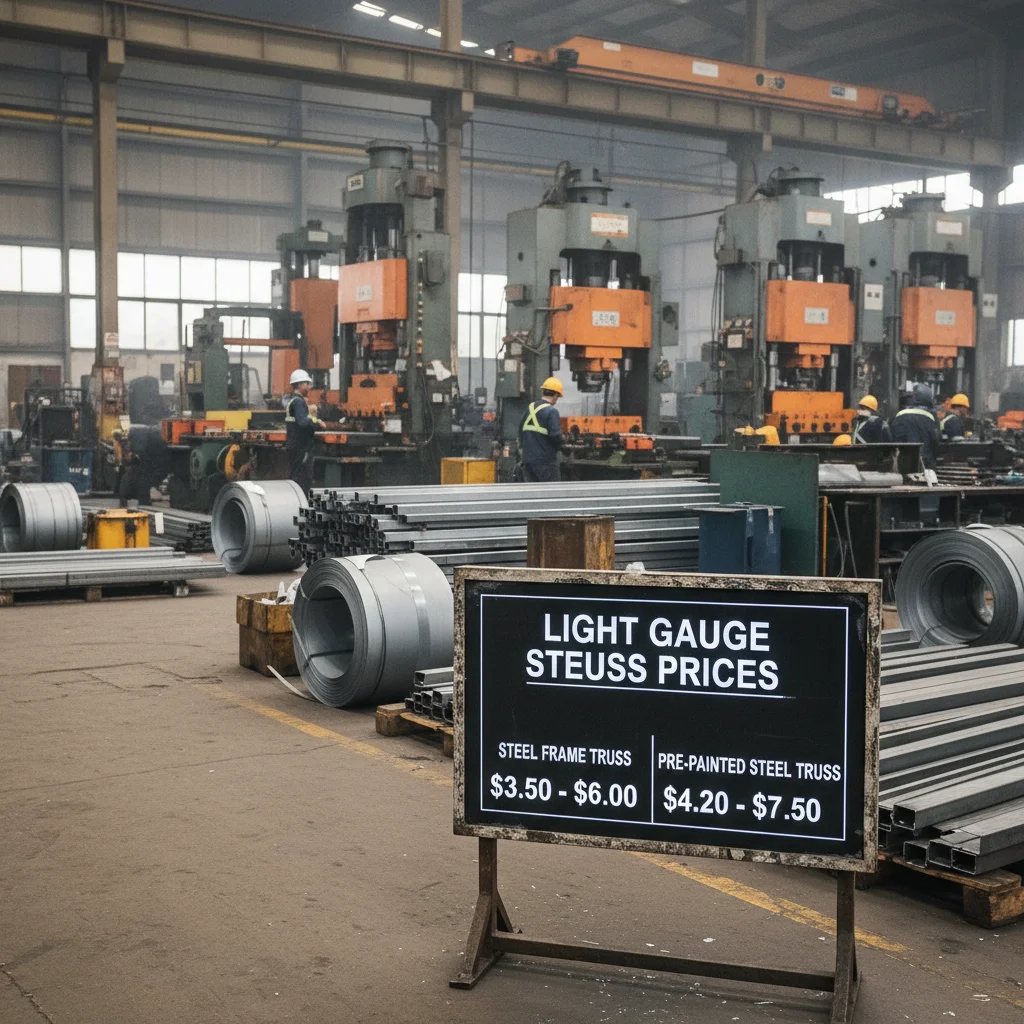
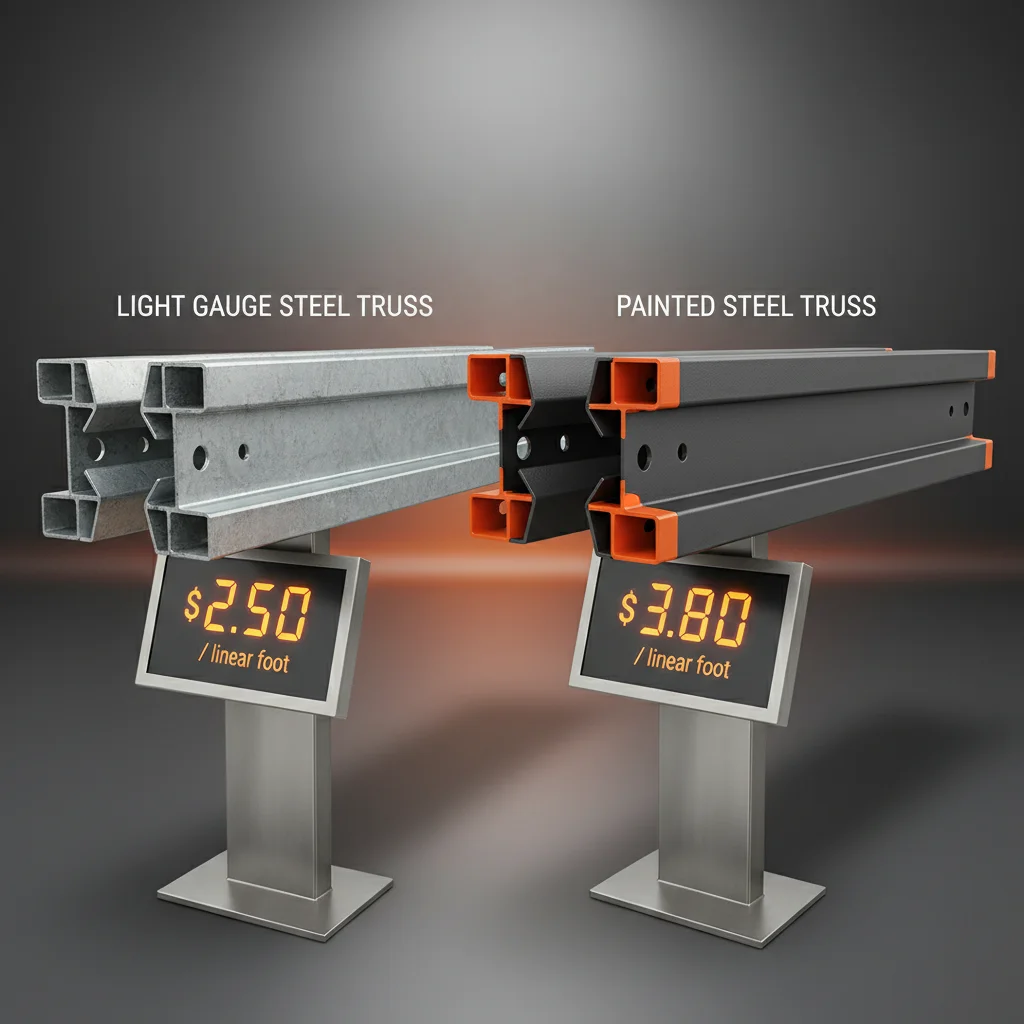
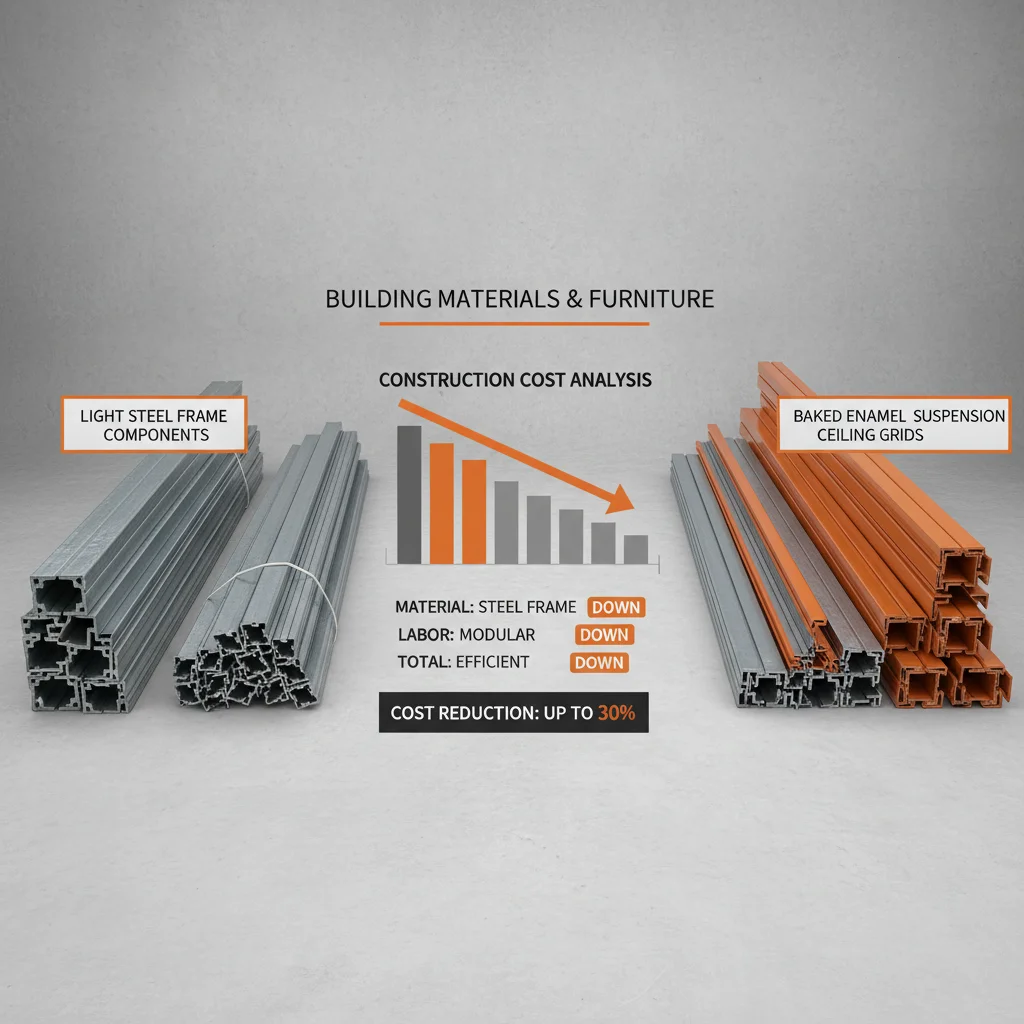
Framing costs are a delicate balance of material costs, labor, and installation speed. While wood is often cheaper, regions with timber scarcity might see metal as the cost-effective option when factoring in durability.
5. Environmental Considerations
Increasingly, green building standards prioritize materials that reduce waste and carbon footprint. Metal studs are recyclable, and engineered wood framing uses less raw timber, aligning with certifications like LEED and ISO 14001.
Mini takeaway:
Choosing the right framing material and design really sets the tone for drywall performance—kind of like picking the right foundation before painting a masterpiece.
How Framing Walls for Drywall Plays Out Globally
In dense urban centers like Tokyo or New York, metal framing is employed extensively because of its fire-resistant properties and precision. Conversely, in rural regions of South America or Southeast Asia, wood remains dominant—often combined with local craftsmanship.
Disaster relief organizations such as the Red Cross frequently utilize framed drywall panels for rapid shelter assembly post-floods or earthquakes, as seen in Haiti’s 2021 rebuild efforts.2
Remote industrial zones, such as mining camps in Australia or oil rigs in Canada, benefit from modular framing systems that simplify logistics and support extreme climate conditions.
Advantages of Proper Wall Framing in Drywall Construction
- Cost Savings: Reduced labor time and material waste mean more competitive project bids.
- Sustainability: Use of recyclable materials and energy-efficient installation methods.
- Social Impact: Buildings that withstand disasters provide safety and restore dignity.
- Reliability: Correct framing reduces maintenance and repair costs long term.
And beyond dollars and durability, there’s something reassuring about a wall built well—it’s the quiet promise that the place will hold, that families and workers inside can count on their surroundings to protect them.
Product Specification Table: Typical Framing Wall Components for Drywall
| Component |
Material |
Dimensions |
Typical Use |
| Studs |
Wood (pine/fir) or galvanized steel |
1.5" x 3.5" (wood), 1.25" metal channels |
Vertical load support & drywall anchoring |
| Top Plate |
Same as studs |
Same profile as studs |
Horizontal cap; ties studs together |
| Bottom Plate (or Sole Plate) |
Wood or metal |
Same as studs or top plate |
Resting strip, anchors wall to floor |
| Bracing/Blocking |
Wood or metal cross pieces |
Varied lengths, usually 16”-24” wide |
Added rigidity; sometimes fire blocking |
How Leading Vendors Compare in Framing Materials
| Vendor |
Material Options |
Price Range |
Strength Rating |
Sustainability Credentials |
| BuildRight Co. |
Wood, Steel, Hybrid |
$ - $$ |
High |
FSC-certified lumber |
| Steelcore Frames |
Galvanized Steel only |
$$$ |
Very High |
100% recyclable steel |
| EcoFrame Solutions |
Engineered Wood & Bamboo |
$$ |
Moderate |
LEED & ISO 14001 Certified |
Looking Ahead: Innovations in Framing Walls for Drywall
The future’s leaning hard into green materials and smarter designs. One trend I’ve noticed is the rise of cross-laminated timber (CLT) frames, which bring wood’s warmth but a steel-like strength, improving earthquake resistance.
Digital tech is also transforming framing—companies now use laser-guided cut systems and Building Information Modeling (BIM) for precision and waste reduction. Automation in assembly, coupled with on-site 3D printing, might sound sci-fi, but they’re on the near horizon.
Sustainability takes center stage: recycled steel, bio-based adhesives, and even framing products with integrated insulation layers help meet global carbon reduction goals.
Challenges and How We Overcome Them
Of course, framing for drywall isn’t without headaches. Humidity often warps wood, and steel, while durable, can be pricier and tricky to modify without proper tools. Skilled labor shortages can delay projects, and getting local regulations right is a maze.
The solution? Hybrid frames combining steel studs with wood blocking, pre-fabricated wall panels shipped ready-to-install, and ongoing training programs for installers. Some NGOs and contractors now stock modular framing kits tailored for quick assembly—handy for international shipping and crisis zones.
FAQ: Your Most Common Questions About Framing Walls for Drywall
- What spacing is best for framing walls for drywall?
- Generally, studs are spaced 16 inches on center, which offers the best balance of strength and drywall support. For lighter walls or ceilings, 24 inches can work but might risk sagging over time.
- Is metal framing better than wood framing for drywall?
- Both have pros and cons. Metal is more fire-resistant, resistant to pests, and less prone to warping. Wood is easier to work with, typically cheaper, and more widely available. The choice depends on your project’s location, budget, and requirements.
- How long does a framed drywall wall last?
- With proper installation and maintenance, drywall walls framed correctly can last 50 years or more. Material quality, moisture control, and usage intensity all affect longevity.
- Can framing walls for drywall be done in humid climates?
- Yes, but it requires selecting moisture-resistant materials like galvanized steel studs or treated timber. Adding vapor barriers and proper sealing will help prevent mold and deterioration.
- Where can I find eco-friendly framing materials?
- Look for suppliers offering FSC-certified wood, recycled steel, or engineered bamboo products. Companies like EcoFrame Solutions specialize in sustainable framing options certified by LEED and ISO.
In Conclusion
Framing walls for drywall is much more than just “putting up walls.” It’s about creating a safe, reliable, and sustainable base for the buildings we inhabit daily. Whether it’s the skyscrapers in megacities or temporary shelters in disaster zones, the principles behind good framing remain critical. If you’re looking to deepen your knowledge or source quality framing solutions, framing walls for drywall resources and experts are just a click away.
Remember, a wall is as strong as its frame — and in the future, it will also be smarter and greener.
References
- United Nations: World Urbanization Prospects 2018
- Wikipedia: 2010 Haiti Earthquake
- ISO 14001 Environmental Management