The World on the Move: Understanding the Flexible Metal Stud Track Revolution
Every once in a while, a simple component quietly reshapes how industries build, adapt, and innovate. The flexible metal stud track is one of those unsung heroes. Though it might sound like niche jargon, this material has become a cornerstone in construction, infrastructure, and disaster relief worldwide. Why should you care? Because it’s driving faster, stronger, more adaptable building solutions that respond to chaotic, unpredictable realities—whether that’s war, climate change, or just good old-fashioned urban growth.
On a global scale, having flexible structural components like a flexible metal stud track means buildings and frameworks can withstand shocks and strain without crumbling—literally—and do so without breaking the bank. It’s a neat blend of engineering savvy and raw practicality, which—if you ask me—is what global progress needs.
Why Is Flexible Metal Stud Track So Relevant Globally?
According to the United Nations Office for Disaster Risk Reduction, natural disasters displaced more than 30 million people annually over the last decade. Now add the pressure of urban expansion—with the World Bank projecting urban populations to swell by almost 2.5 billion people by 2050—and the strain on housing and infrastructure becomes clear. Enter flexible metal stud tracks, which address key challenges such as quick build times, durability, and adaptability to various environments.
Traditional building methods can’t always keep pace, especially in emergencies or remote zones. This is why these components are not only industrial favorites but also go-to solutions in humanitarian construction projects, military installations, or even temporary trade exhibits. They’re becoming a kind of universal language in design that crosses borders and budgets.
So, What Exactly Is a Flexible Metal Stud Track?
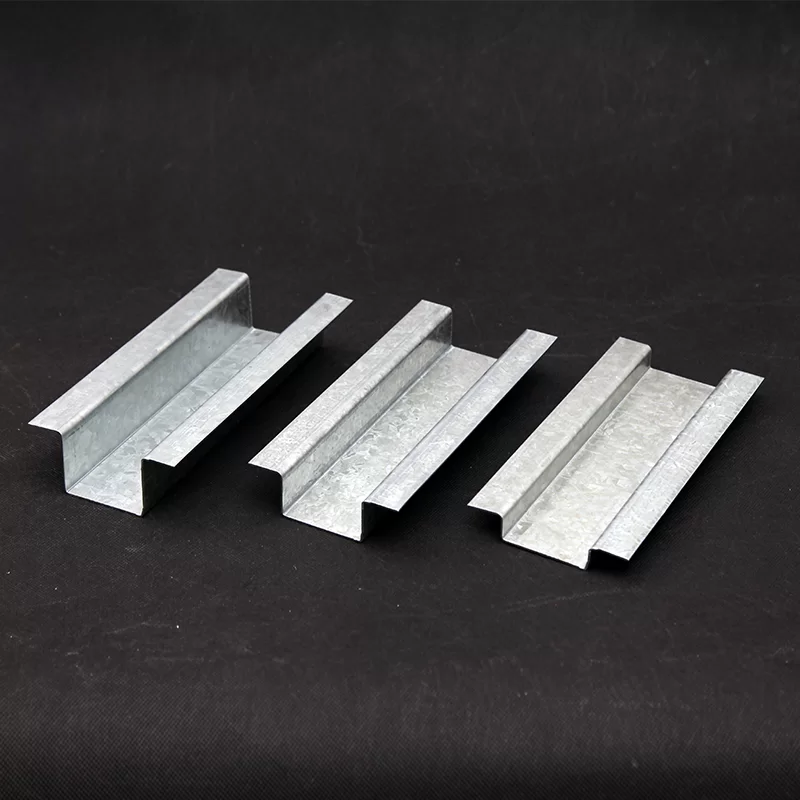
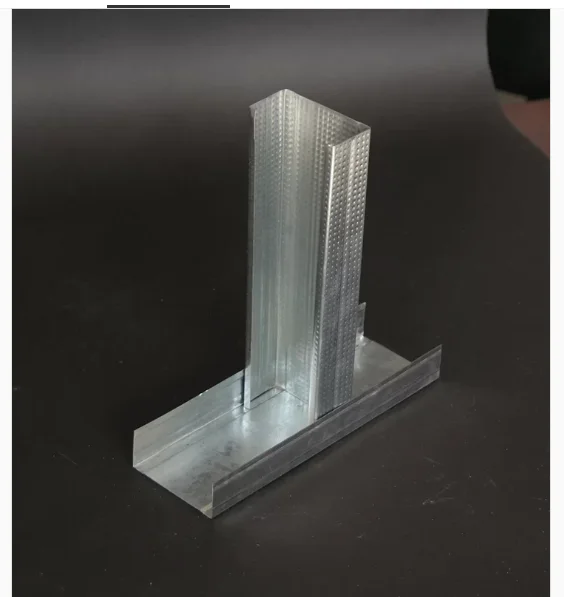
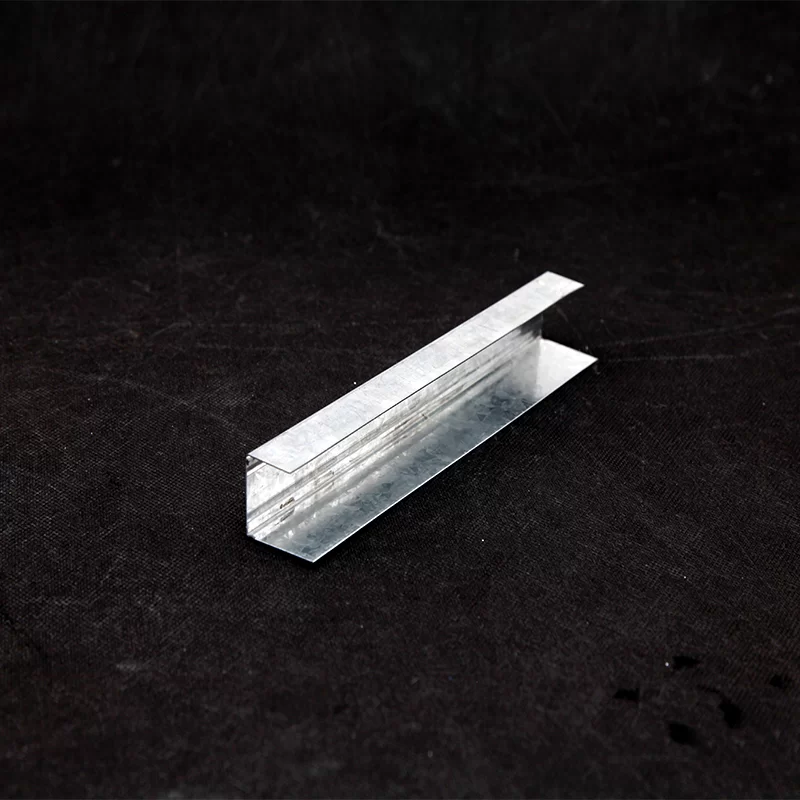
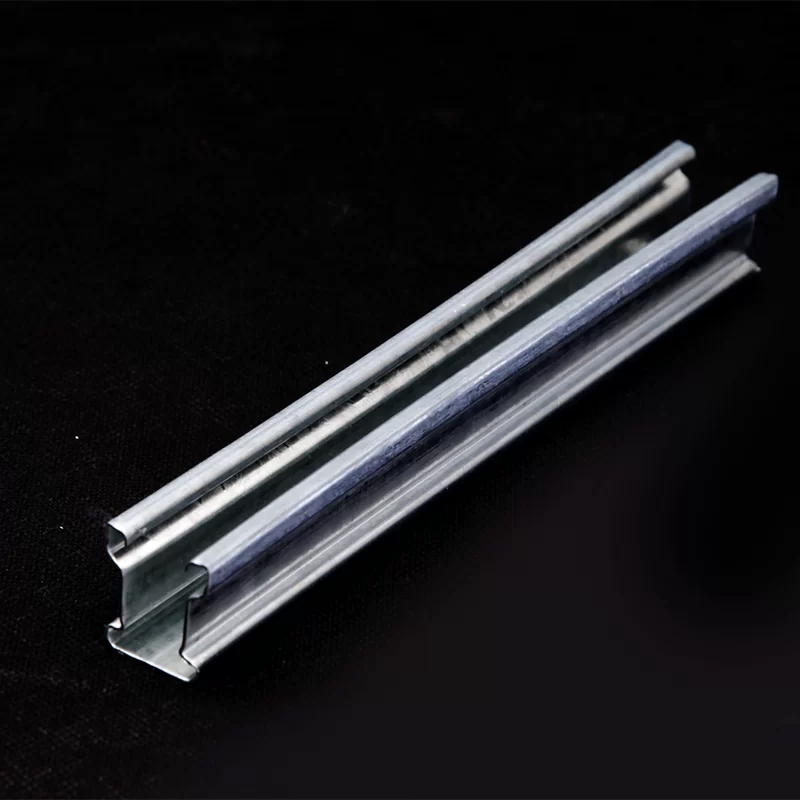
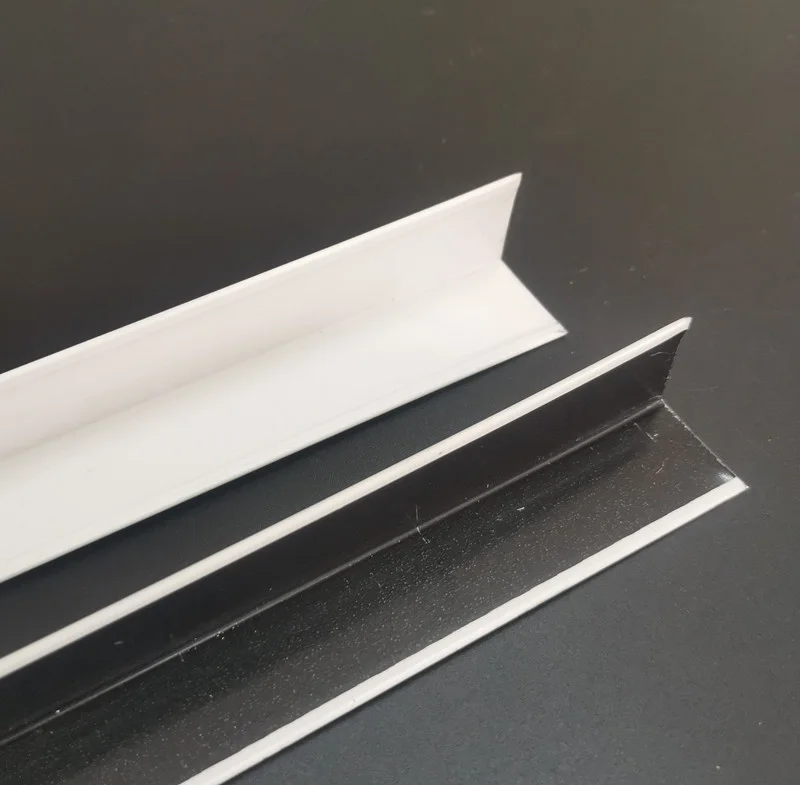
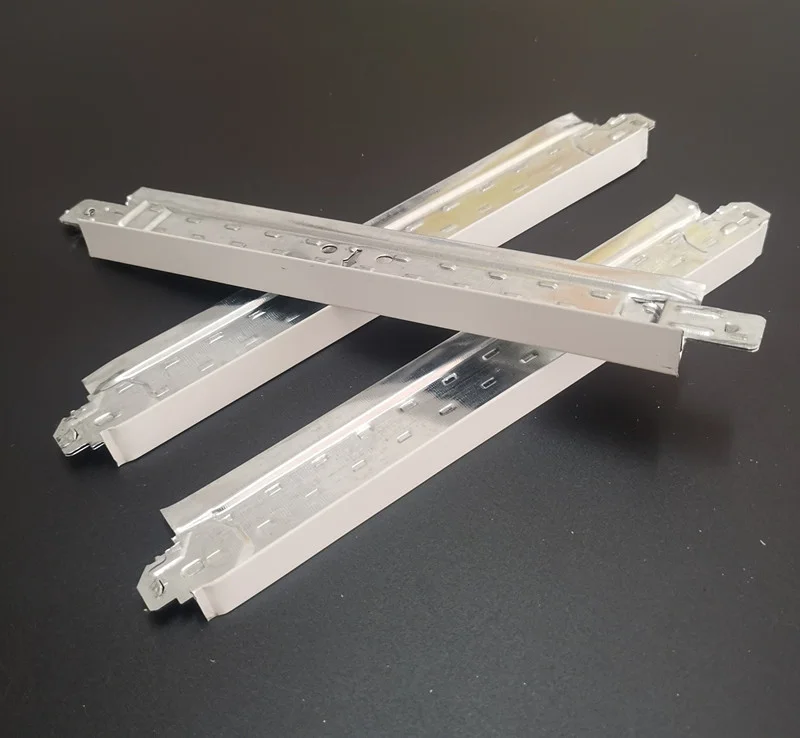
In layman's terms, a flexible metal stud track is a modular framing system used primarily in drywall construction, partitions, ceilings, and other non-load bearing walls. Unlike rigid metal tracks, this type bends slightly, allowing for curves, rounded corners, and designs that demand adaptability.
Think of it as the “spine” for flexible construction, offering strength without sacrificing shape—sort of like the difference between a wooden ruler and a bendy strip of plastic. The flexibility lets designers and builders get creative without adding tons of complex materials or labor.
But it’s not just about aesthetics. This flexibility also relates to real-world needs—like improving the integrity of temporary shelters in earthquake zones or creating ergonomic factory setups that can evolve with changing workflows.
Key Factors to Consider
Durability and Strength
Many engineers say flexible metal stud tracks balance strength with ductility. They’re made often from galvanized steel to resist rust and corrosion, which means they stand up nicely to moisture and heat—two enemies of cheap building materials.
Scalability and Modularity
Because these tracks come in standardized sizes but can be bent on-site, construction teams avoid delays caused by ordering custom parts. The modular aspect also means repair and replacement are quick, maintaining structural integrity over time.
Cost Efficiency
Of course, the budget matters. Flexible metal stud tracks reduce the need for skilled labor and minimize waste through reuse—often offering savings versus wood or pure concrete alternatives.
Environmental Compatibility
Most flexible metal tracks are recyclable, and their installation often creates less debris than rigid framing systems. This suits modern sustainability goals, which increasingly influence international building standards.
Ease of Installation
Field workers appreciate how lightweight and straightforward these tracks are to handle, especially in cramped or hard-to-reach spaces.
Mini takeaway:
When you consider durability, cost, eco-friendliness, and ease, flexible metal stud tracks make a compelling case for being the unsung workhorse of modern building.
Global Applications: Where and How Are They Used?
- Post-disaster relief operations: In Haiti and Nepal after recent earthquakes, NGOs have employed flexible metal stud systems to rapidly erect temporary housing.
- Expanding urban infrastructure: Cities like Dubai and Singapore use these tracks in cutting-edge architecture where curved walls and sophisticated interiors are common.
- Industrial zones: Flexible metal stud tracks help factories quickly adapt conveyor layouts or create modular office spaces on the fly.
- Trade shows and exhibitions: Simple to transport and assemble, these tracks provide a reliable skeleton for complex displays.
Even the military is catching on. Many forward operating bases utilize them for lightweight, resilient, and fast-to-erect shelters.
Mini takeaway:
Whether recovery shelters or luxury malls, flexible metal stud tracks bring agility and resilience to diverse settings worldwide.
Advantages & Long-Term Value of Flexible Metal Stud Track
Beyond construction speed and flexibility, these tracks have emotional and community impact. They bring safety and dignity to displaced communities and give architects more freedom to innovate. Logical benefits? Lower maintenance, reduced waste, and the ability to retrofit spaces easily.
For businesses, this equates to less downtime and happier occupants or workers—trust me, anyone who’s ever dealt with construction headaches knows that counts for a lot.
Product Specification Table: Typical Flexible Metal Stud Track
| Specification |
Details |
| Material |
Galvanized Steel (SPCC) |
| Thickness |
0.5 – 0.75 mm |
| Width |
25 mm (varies) |
| Length |
3 m (standard) |
| Bending Radius |
Minimum 150 mm |
| Finish |
Galvanized coating for corrosion resistance |
Future Trends & Innovations
Looking ahead, the flexible metal stud track industry is zipping toward integration with greener materials—like recycled steel content—and improved coatings to extend longevity under extreme conditions. Plus, digital tools such as Building Information Modeling (BIM) are making it easier to design with these tracks precisely, reducing waste and errors.
Automation in bending and cutting custom tracks onsite is gaining traction too—some companies are pairing mobile CNC machines with flexible metal studs for rapid, tailored build lines.
Oddly enough, combining these metallic systems with smart sensors is on a distant horizon—imagine walls that monitor structural health or environmental conditions in real time.
Challenges in Adoption and How We Can Overcome Them
Despite all these perks, some building teams hesitate due to upfront costs or unfamiliarity. There’s often a learning curve when switching from traditional timber framing. Also, sourcing uniform quality flexible tracks globally can be a hurdle.
Innovative training programs, local manufacturing partnerships, and stronger supplier vetting help solve these issues. More manufacturers are offering flexible metal stud track kits with instructions to streamline installation, making it less intimidating for teams new to metal frameworks.
Vendor Comparison Table: Leading Suppliers of Flexible Metal Stud Track
| Vendor |
Material Quality |
Customization |
Lead Time |
Price Range |
| FlexiBuild Co. |
High-grade galvanized steel |
Bespoke bending options |
2 weeks |
$$$ |
| SteelTrack Solutions |
Standard galvanized steel |
Limited customization |
1 week |
$$ |
| BuildFlex Ltd. |
Recycled steel content |
Standard sizes only |
3 weeks |
$ |
FAQs About Flexible Metal Stud Track
Q1: How flexible are flexible metal stud tracks really?
A1: Typically, these tracks can bend to a minimum radius of around 150 mm without compromising strength, allowing for curved walls and corners. However, exact flexibility depends on thickness and materials used.
Q2: Can flexible metal stud tracks be used outdoors?
A2: Yes, provided they have the proper galvanization or finishing treatments. Many tracks are designed to resist corrosion and withstand moisture, making them suitable for sheltered outdoor applications.
Q3: How do I choose the right supplier for my project?
A3: Consider material quality, customization options, lead times, and price. Also, ask for samples or references. Vendors like flexible metal stud track suppliers usually offer technical support to guide your choice.
Q4: Are flexible metal stud tracks environmentally friendly?
A4: Generally, yes. Many are made from recyclable steel, and their modular nature reduces waste. Look for suppliers that use recycled content and follow sustainable manufacturing processes.
Q5: How fast can installation happen using these tracks compared to traditional framing?
A5: Installation times can be cut by up to 30-40% because tracks are lighter, easier to handle, and quicker to assemble, especially when combined with modular drywall components.
Wrapping It Up
The flexible metal stud track might not be the flashiest topic at a tech conference, but its impact is genuinely transformative. It links durability, adaptability, and cost-effectiveness in a way that suits a fast-changing world. For industries that build—whether they’re designing next-gen office spaces or putting up emergency shelters—the flexible metal stud track offers a smart, resilient backbone.
If you’re curious about integrating these in your next project or want to explore vendor options, visit our website for detailed catalogs and expert advice. You might just find it’s exactly what your toolkit has been missing.
References
- United Nations Office for Disaster Risk Reduction (UNDRR)
- World Bank Urban Development Data
- Wikipedia: Metal Stud