Gypsum Steel: A Modern Solution for Durable, Sustainable Construction
If you’ve ever wondered how construction evolves to meet the complex demands of the modern world, gypsum steel might just become your new favorite topic. This hybrid material combines the inherently fire-resistant, eco-friendly qualities of gypsum with the strength and flexibility of steel, creating building components that address global challenges in sustainability, safety, and cost-efficiency. Today, it matters more than ever — with urbanization booming, natural disasters increasing, and the construction industry seeking greener alternatives, understanding gypsum steel opens a window into future-proof building solutions.
Global Context: Why Gypsum Steel Commands Attention
According to the United Nations, by 2050, nearly 68% of the global population will live in urban areas — that’s over 6.7 billion people. This surge calls for sustainable yet robust construction methods that can be deployed rapidly, especially in developing regions vulnerable to disasters.
Steel framing and gypsum are already staples in construction, but combining them addresses some pesky challenges. For example, traditional concrete is heavy and emits large amounts of CO2 during production, while pure steel lacks certain insulating or fire-resistant properties. Enter gypsum steel products — they’re lighter, fire-resistant, and reduce carbon footprint, ideally suited for modular housing, commercial buildings, and even humanitarian projects.
Frankly, the global demand for resilient, eco-conscious building materials has never been higher, and gypsum steel fits snugly into this niche.
What Exactly is Gypsum Steel?
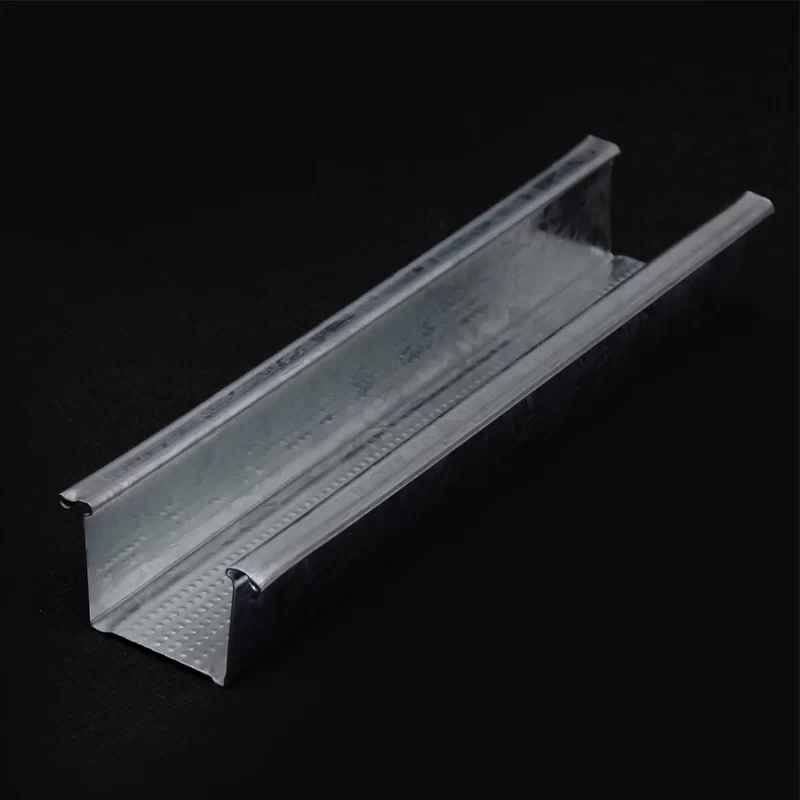
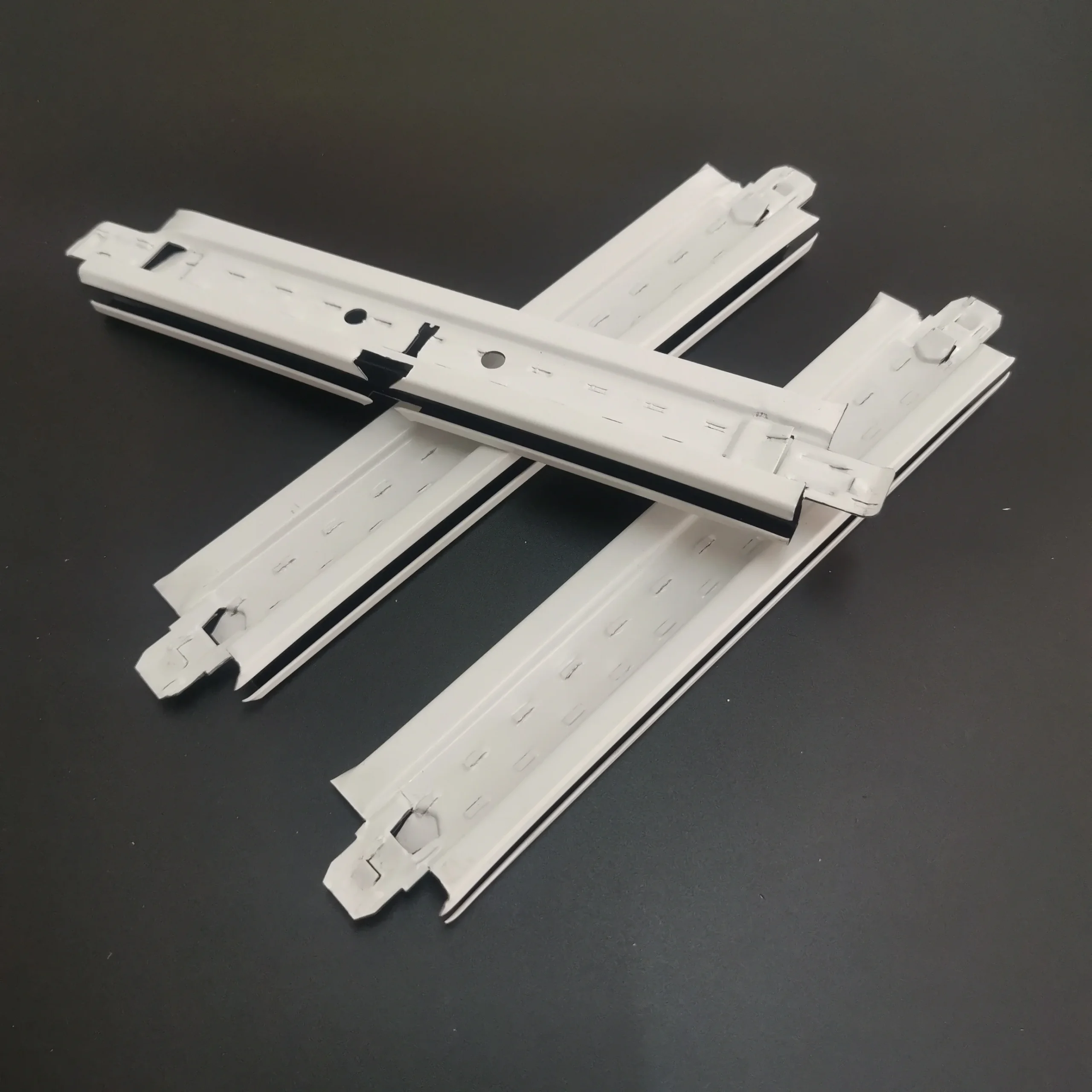
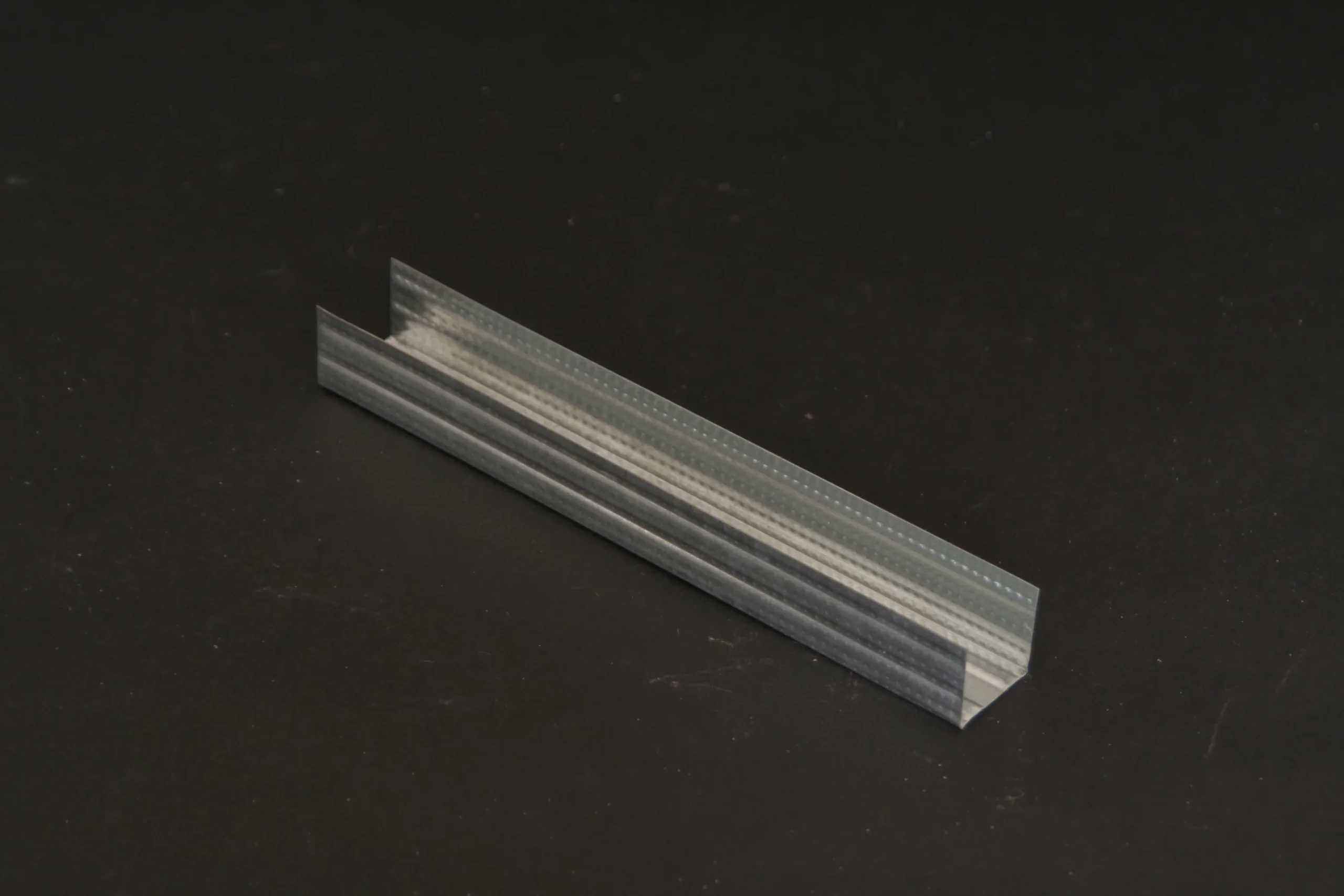
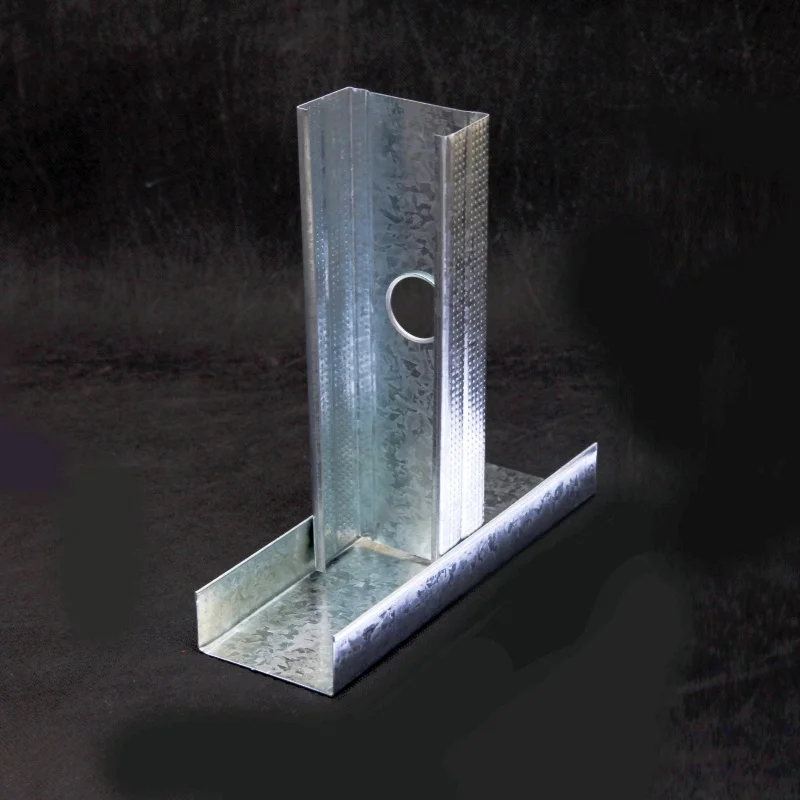
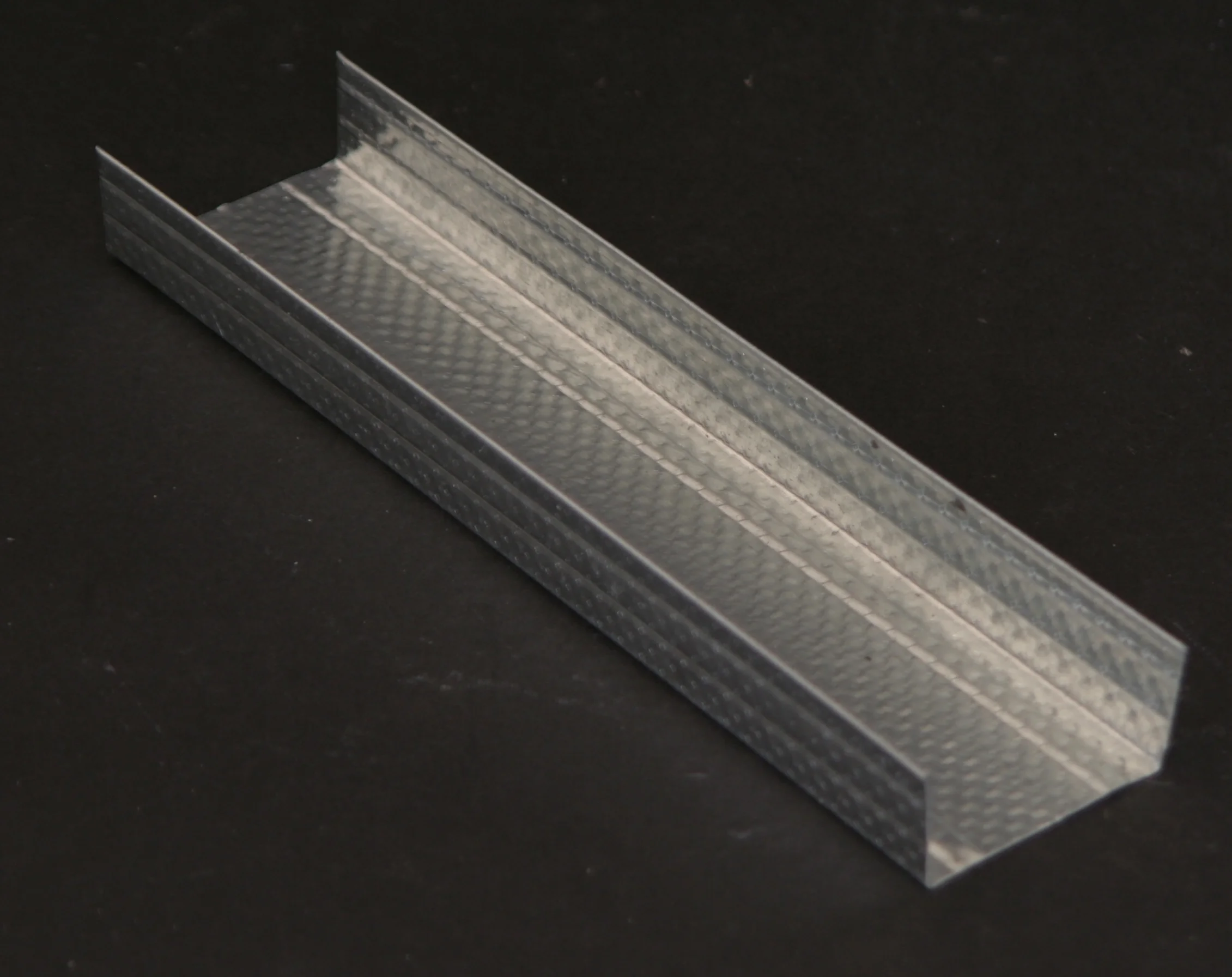
Simply put, gypsum steel refers to composite building materials that integrate gypsum, a soft sulfate mineral packable into panels or boards, with steel frameworks or reinforcements. It’s like marriage of a quiet but sturdy partner (gypsum) with a strong, malleable friend (steel). Together, they deliver products with improved fire resistance, strength, and energy efficiency compared to either material alone.
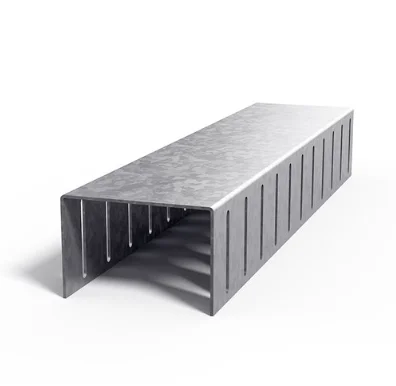
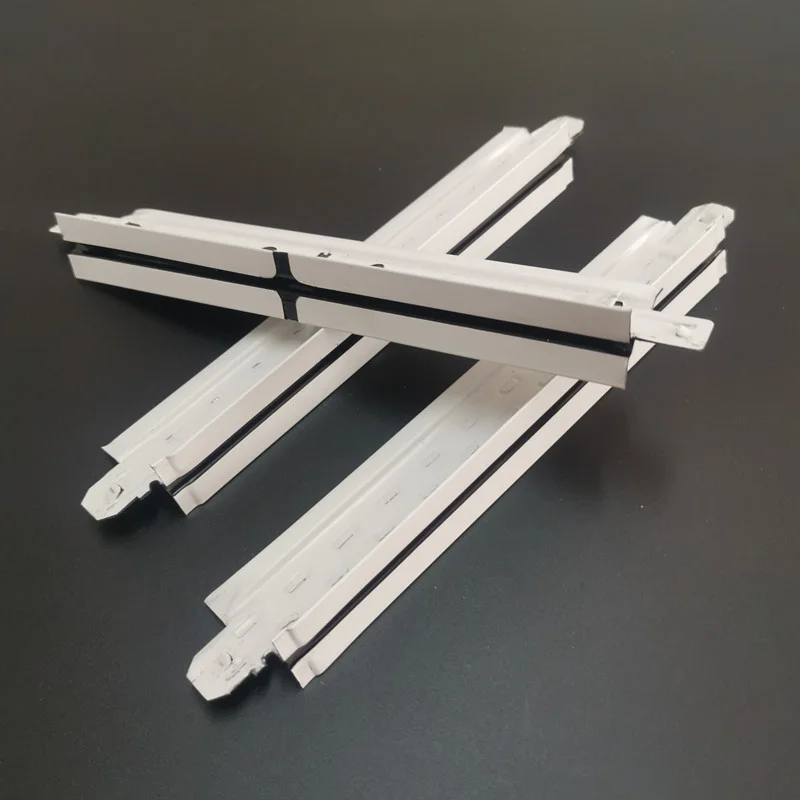
You’ll often find gypsum steel in drywall systems, fire-rated wall assemblies, and modular paneling that shelters vulnerable populations or expedites industrial construction. It’s an elegant solution bridging traditional materials with modern engineering requirements.
Core Components and Their Practical Benefits
1. Fire Resistance
Gypsum naturally contains chemically bound water which releases as steam when heated, slowing heat penetration. Steel, when reinforced properly, maintains structural integrity under intense conditions. Together, gypsum steel products achieve stringent fire ratings (often up to 2-4 hours), which is critical for both residential and commercial safety codes.
2. Structural Durability
Steel framing provides tensile strength, making gypsum steel panels able to withstand higher loads and resist deformation. This durability translates into longer-lasting buildings that require less maintenance — a huge plus for remote or disaster-prone areas.
3. Environmental Sustainability
Gypsum is abundant and often sourced as a byproduct from industrial processes, reducing waste. Coupling it with recycled steel enhances sustainability. This composite reduces cement use, a major CO2 emitter, and lowers overall building carbon footprints.
4. Thermal and Acoustic Performance
The combination delivers better insulation than steel alone, improving energy efficiency and occupant comfort. The soundproofing qualities also make gypsum steel ideal for office buildings, hospitals, or schools.
5. Scalability and Versatility
The material adapts well to modular construction techniques, enabling quick assembly on-site or prefabrication in factories. That scalability is a gamechanger—especially in fast-growing cities or urgent humanitarian relief efforts.
Gypsum Steel Around the World: Real-World Applications
Various regions and sectors put gypsum steel to good use. For instance:
- Post-Disaster Reconstruction: In places like Nepal and the Philippines, gypsum steel panels form the backbone of temporary shelters that can also evolve into permanent homes after earthquakes or typhoons.
- Commercial Buildings: Offices and hospitals often specify gypsum steel products for wall partitions due to their fire safety and acoustic properties.
- Industrial Facilities: Remote mining camps or oil fields employ modular gypsum steel structures for quick deployment and durability.
- Urban Affordable Housing: Gypsum steel contributes to faster, greener affordable housing projects — a priority in cities in Africa and Southeast Asia.
Interestingly, many engineers mention that when combined with gypsum steel framing, buildings not only perform better but inspire trust in safety-conscious clients.
Product Specification Table
| Specification |
Typical Value |
Units |
| Fire Rating |
2–4 |
Hours |
| Panel Thickness |
12–20 |
mm |
| Thermal Resistance (R-value) |
2.1 |
m²·K/W |
| Acoustic Rating |
40–55 |
dB |
| Weight |
9–12 |
kg/m² |
Comparing Top Gypsum Steel Vendors
| Vendor |
Product Range |
Lead Time |
Sustainability Certifications |
Notes |
| Jinkai Building Materials |
Panels, framing, modular kits |
2–4 weeks |
ISO 14001, LEED compatible |
Strong global distribution network |
| GypsumPro International |
Drywall systems, fire-rated panels |
3–5 weeks |
GreenGuard, Cradle to Cradle |
Focuses on innovation |
| EcoBuild Solutions |
Modular units, custom panels |
4–6 weeks |
BREEAM, WELL |
Strong sustainability focus |
Advantages & Long-Term Value
The story of gypsum steel isn’t just about the specs — it’s about what those specs mean in real terms. Buildings last longer and stand safer, occupants feel more secure, and developers get peace of mind from compliance with international safety standards. The material’s lighter weight reduces transportation and foundation costs — often a subtle but significant saving in infrastructure projects. Plus, its eco-friendly profile helps companies hit sustainability targets, which frankly, nowadays, matters to investors and communities alike.
Looking Ahead: Innovation & Trends
The future definitely looks bright — or perhaps "green" is more appropriate. Research is ongoing into enhancing gypsum steel’s insulation with nano-materials, integrating IoT sensors for real-time structural health monitoring, and optimizing production with additive manufacturing methods. Policies also increasingly reward materials that can be recycled or reused, pushing gypsum steel innovations towards full lifecycle sustainability.
Challenges & Solutions
No solution is without quirks. Gypsum steel can be susceptible to moisture damage if not properly sealed. Handling and installation require some training to avoid panel cracking or steel corrosion in certain environments. However, applying appropriate water-resistant coatings and using galvanized or stainless steel frames mitigate these issues effectively.
Industry experts often recommend integrated project management approaches that include moisture control from design through finishing stages. And with proper ventilation and maintenance, many gypsum steel buildings have proven their durability over decades.
FAQ: Frequently Asked Questions About Gypsum Steel
- What makes gypsum steel panels better than traditional drywall?
- Gypsum steel panels combine fire resistance, structural strength, and improved durability compared to traditional drywall. The steel framing reduces the risk of deformation, while the gypsum core offers better insulation and fire-retardant properties.
- How long can gypsum steel structures last in harsh environments?
- With proper installation and moisture protection, gypsum steel constructs can last 30 years or more, even in disaster-prone areas. The steel framing protects the integrity while gypsum resists fire, and coatings prevent corrosion or water damage.
- Is gypsum steel eco-friendly and cost-effective?
- Yes, gypsum steel utilizes recycled materials and reduces cement use, lowering the carbon footprint. Cost savings come from faster installation, reduced maintenance, and lighter transport costs, making it a sustainable and budget-friendly solution.
- Can humanitarian NGOs easily import gypsum steel products for emergency shelters?
- Many manufacturers, like gypsum steel suppliers, have streamlined export channels and modular kits designed for quick assembly. NGOs should check lead times and local regulations but generally will find gypsum steel solutions highly deployable in crisis zones.
- How does gypsum steel compare to modular concrete in terms of speed of construction?
- Gypsum steel panels are significantly lighter and easier to handle, allowing for faster on-site assembly without heavy equipment. Modular concrete often requires curing times, while gypsum steel products speed up project completion, particularly important in fast-turnaround projects.
Conclusion
When you sum it all up, gypsum steel offers an intriguing blend of strength, safety, and sustainability that aligns well with modern construction needs. Whether you’re building resilient communities after disasters or erecting the office blocks of tomorrow, gypsum steel has a lot to offer. For anyone interested in exploring these innovative materials further, visit our website to discover flexible, high-performance gypsum steel options tailored for your projects.
It's fascinating how a simple mineral and steel can together shape the future of construction!
- Wikipedia: Gypsum
- UN World Urbanization Prospects (2018)
- ISO 14001 Environmental Management Systems