Understanding the Importance of Finding Studs in Plasterboard Walls
If you’ve ever tried hanging a heavy frame or mounting a shelf on plasterboard walls, you know the frustration of wondering if it will hold. Finding studs in plasterboard walls is exactly about locating the sturdy wooden or metal framing behind the thin surface — the secret backbone that supports hardware, cabinets, and more. Worldwide, this seemingly simple skill matters beyond DIY: it’s essential for construction safety, efficient renovations, and even emergency shelter setups in places rebuilding after disasters.
Globally, plasterboard (or drywall) is one of the most widely used interior wall materials because it’s cost-effective, clean, and quick to install. According to industry data, over 90% of new residential buildings in developed countries feature plasterboard walls, which means the ability to detect their framing studs is more than just a handy trick — it’s a crucial step in ensuring structural security and ease of maintenance.
But why does this matter beyond the home? Finding studs precisely can reduce accidents, save time and money during renovations, and help field engineers or aid workers install key infrastructure in unstable or temporary buildings. So, what’s the real story behind this everyday task?
Mini Takeaway:
- Stud detection keeps walls safe and functional.
- It saves money and materials by avoiding damage.
- Crucial in construction and humanitarian contexts alike.
Why Finding Studs in Plasterboard Walls Is a Global Challenge
Globally, the construction industry faces the continuous challenge of rapid urban growth and rebuilding efforts, especially in regions hit by natural disasters. According to the United Nations Human Settlements Programme (UN-Habitat), over 1 billion people live in inadequate housing worldwide, spurring a wave of affordable and quick construction methods — plasterboard walls being a big part of this.
But a problem arises: plasterboard walls are thin and deceptive. Without knowing where the studs are, you risk damaging the wall or creating dangerous mounting points that could fail, resulting in injury or property damage. Industrial projects, disaster relief housing, and large retrofit jobs need precise stud-finding methods to maintain safety, efficiency, and cost-effectiveness.
Interestingly, many regions still rely heavily on manual guesswork or damaging trial and error rather than effective technologies, leading to delays and increased waste.
Mini Takeaway:
- The demand for quick, safe construction worldwide raises stud-finding importance.
- Poor stud detection can compromise building integrity.
- Technological gaps persist in many regions.
Defining Finding Studs in Plasterboard Walls
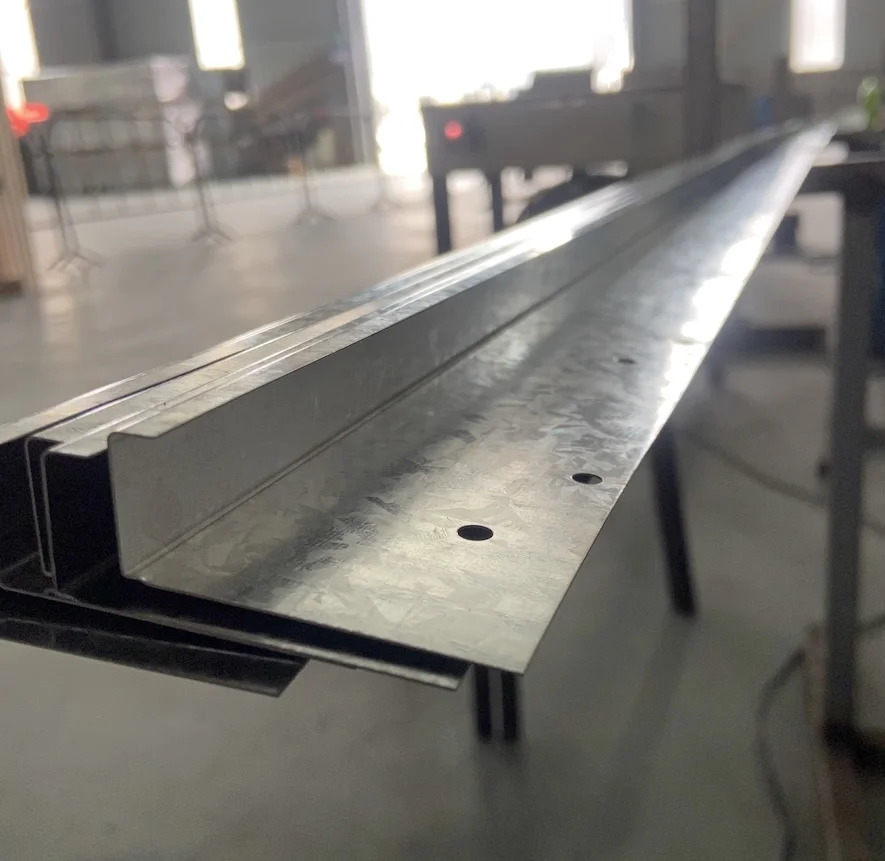
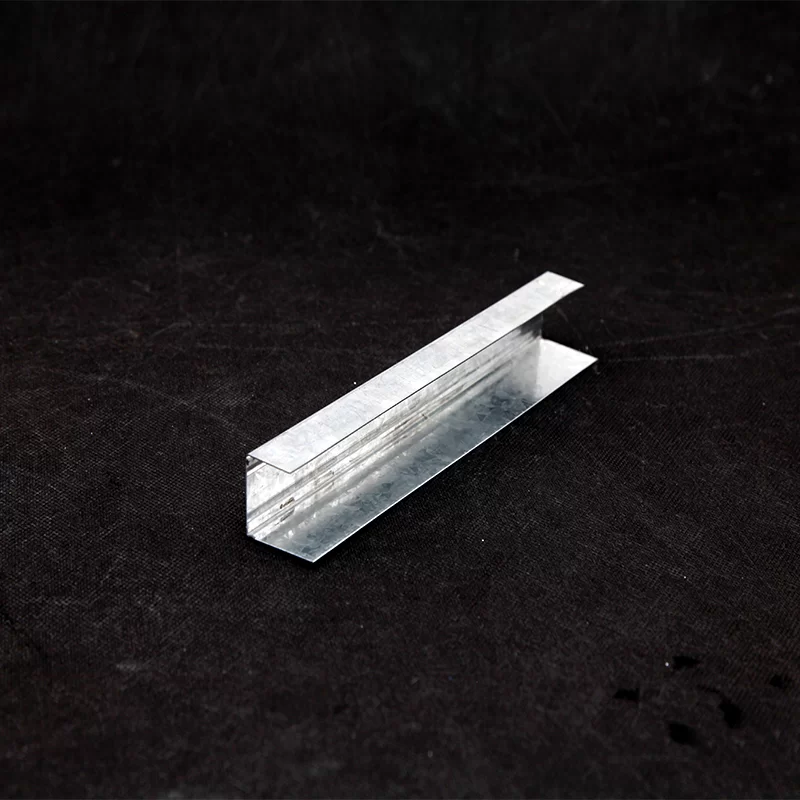
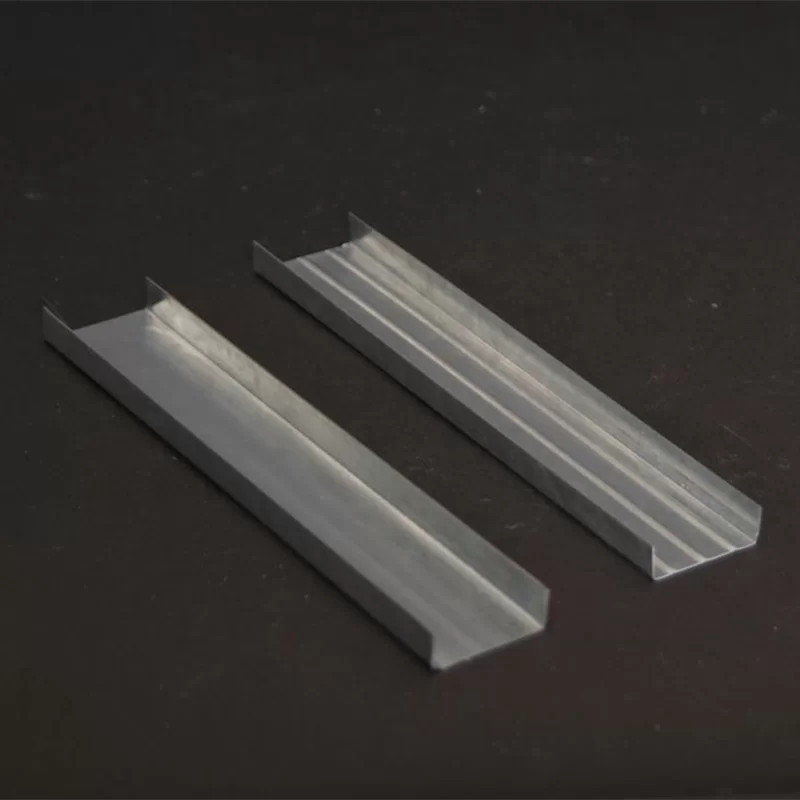
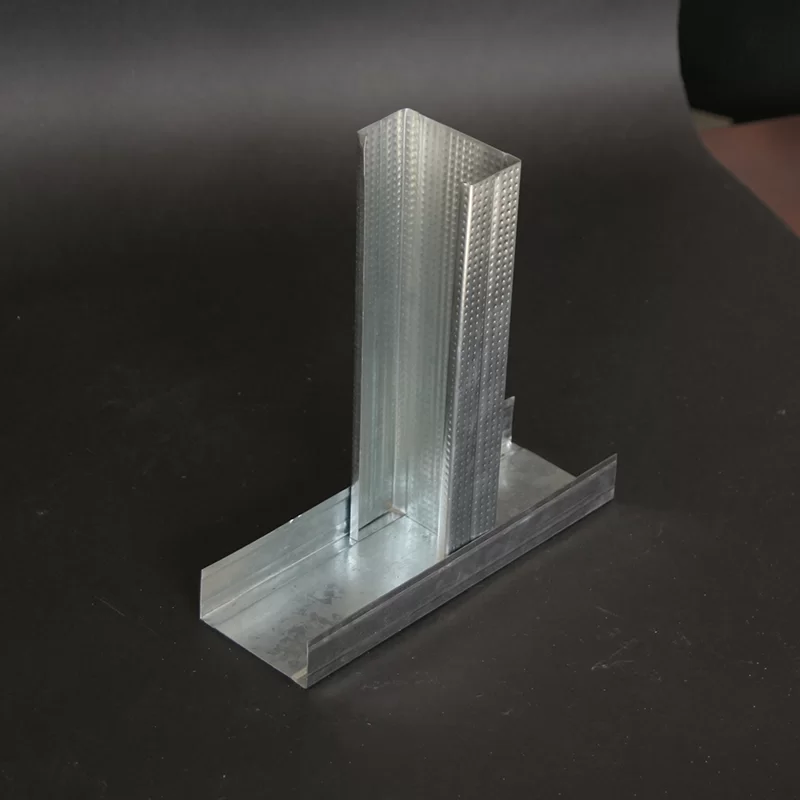
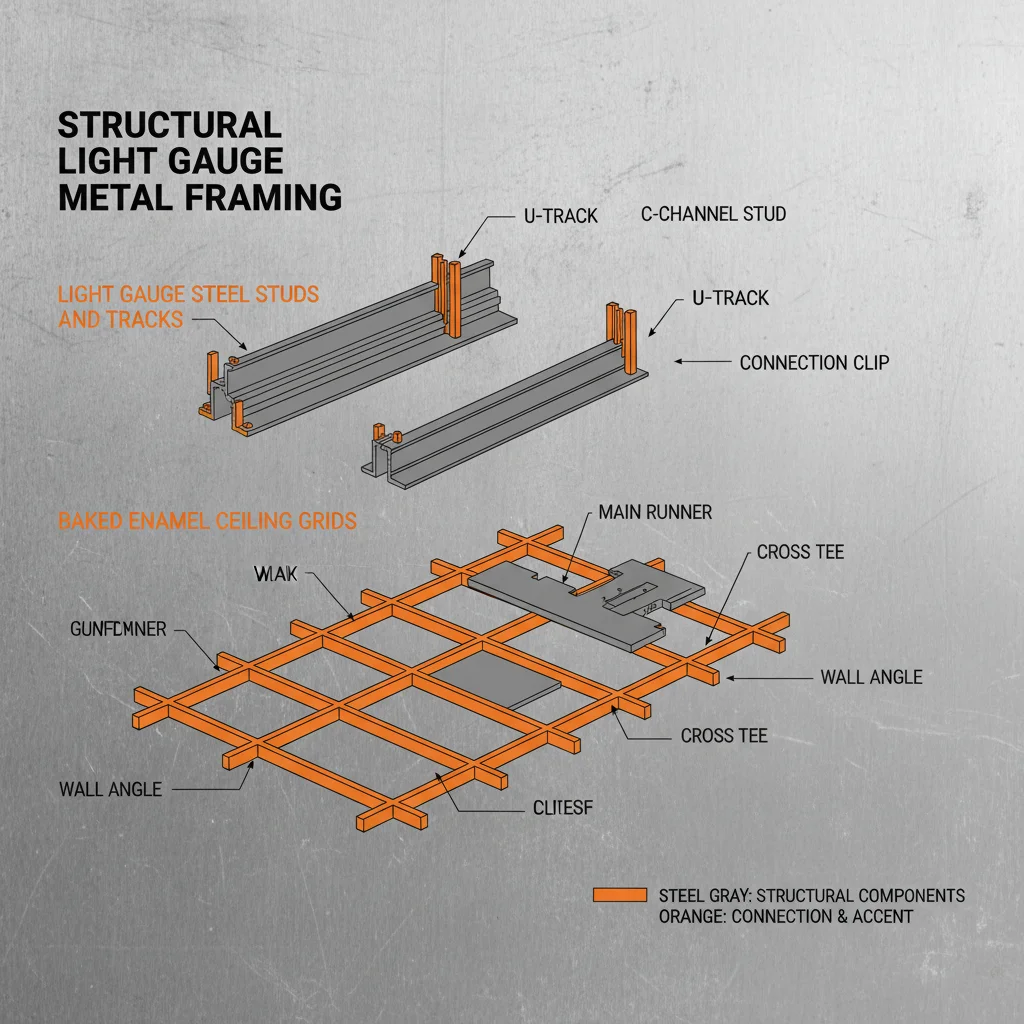
So, what does “finding studs in plasterboard walls” actually mean? Simply put, it’s the process of locating the vertical wooden or metal framing pieces behind plasterboard panels.
Studs are typically spaced 16 or 24 inches apart behind the wall’s surface and serve as the key support for mounting fixtures. Detecting them can be done by using magnetic stud finders, electronic sensors, knocking patterns, or sometimes even by measuring from a corner, where studs often start.
In modern construction or renovation, this process ensures better load-bearing and prevents wall damage. In humanitarian contexts, like setting up temporary shelters, it lets workers quickly anchor essentials without compromising structural integrity.
Mini Takeaway:
- Studs are the structural skeleton behind plasterboard.
- Several detection methods exist, from manual to electronic.
- This basic task improves safety and function dramatically.
Core Components of Effective Stud Detection
1. Accuracy
Precision is king. Accurately locating studs avoids unnecessary damage and ensures the longevity of whatever is mounted. Many electronic stud finders now incorporate multiple sensing technologies, improving accuracy over older magnetic-only devices.
2. Ease of Use
Whether you’re a seasoned builder or a weekend DIY-er, the tools and methods should be intuitive. Using simple knock patterns or quick electronic scanners allows for faster workflows — a must in large projects or emergency response situations.
3. Versatility
Walls vary: sometimes they have metal studs, electrical wiring, or pipes hidden. Good detection tools differentiate these components, so you don’t accidentally drill into wiring or plumbing.
4. Portability and Cost Efficiency
In field work or on-site renovation, lightweight, affordable tools make all the difference. Especially in humanitarian efforts, where budgets are tight, cost-effective methods to find studs without specialized equipment are highly valued.
5. Durability
Tools and techniques need to be robust enough for harsh conditions, from construction dust to variable temperatures.
Mini Takeaway:
- Effective stud finding blends accuracy, ease, and cost-savings.
- Being able to detect electrical and plumbing behind walls is vital.
- Durability and portability are crucial in tough environments.
How Stud Finding Shapes Global Projects and Industries
From high-rise apartments in New York to post-disaster shelters in Southeast Asia, finding studs in plasterboard walls powers successful projects everywhere. Construction firms rely on it for swift and safe remodeling. Interior designers count on it to hang heavy artwork or TVs without damage. Emergency relief organizations need it to assemble prefabricated walls or bolt in essential supplies quickly after disasters.
For instance, in remote industrial zones, engineers use stud locators to safely install equipment panels without costly delays or rework. In urban renovation projects, precise stud detection helps minimize waste and protects historic plasterboard finishes valuable for cultural heritage.
Even in schools and hospitals, where wall-mounted medical and security equipment is common, finding studs is a behind-the-scenes yet critical step.
Mini Takeaway:
- Stud finding supports multiple industries worldwide.
- Essential for safety, cost-control, and time-efficiency.
- Enables rapid deployments and ongoing maintenance.
Advantages and Lasting Value of Reliable Stud Detection
In practical terms, knowing exactly where studs lie means fewer mistakes, less damage, and better wall integrity over time. This leads to:
- Cost Savings: Reduces wall repairs and hardware replacements.
- Safety: Prevents heavy items from falling, reducing injury risk.
- Sustainability: Less waste translates to more responsible resource use.
- Trust and Confidence: Professionals and homeowners alike feel assured when installations last and walls stay intact.
There’s also an emotional comfort in knowing your home or project is safe and sturdy. And innovation in this field has made stud detection accessible to nearly everyone, democratizing building confidence.
Future Trends and Innovations in Stud Finding
Technology marches on. Smart stud finders now use multi-sensor arrays combining magnetic, radar, and even thermal detection. Mobile apps coupled with AR (augmented reality) overlay detected studs right on your phone screen — making the process remarkably intuitive. Automated scanning robots for large-scale construction sites are no longer sci-fi.
The green building movement also influences stud detection — non-invasive methods mean less material wastage and support sustainable construction standards (ISO 21930, for instance). Additionally, IoT integration could soon let sensors inside walls communicate real-time structural integrity data.
Confronting Challenges and Practical Solutions
Despite progress, some hiccups remain. Thick plaster layers, irregular stud spacing, and hidden cables still confuse standard tools. Also, in some older buildings, unconventional framing requires customized approaches.
Experts recommend combining detection methods — using a magnetic locater hand-in-hand with electronic scanning and manual verification (like tapping and measuring). Training users properly and promoting awareness about common pitfalls dramatically improves results.
Practical FAQ on Finding Studs in Plasterboard Walls
- How can I quickly find a stud without a fancy electronic stud finder?
- You can tap along the wall to listen for a solid sound compared to hollow spots, measure 16 or 24 inches from corners or outlets (where studs typically start), or use a strong magnet which’ll be attracted by screws or nails in the stud. These manual methods work surprisingly well if you’re systematic.
- Are stud finders reliable when walls have pipes or wiring?
- Most modern electronic stud finders can detect live wires and metal pipes, alerting you to avoid drilling there. That said, always take safety measures such as turning off electricity before wall work.
- Why do stud spacings sometimes vary behind plasterboard walls?
- Older homes, renovations, or walls with metal framing often deviate from standard 16 or 24-inch spacing. It’s best to verify multiple points and not assume fixed intervals.
- Can finding studs help in installing insulated or soundproof walls?
- Absolutely. Knowing stud locations lets you attach additional layers securely and plan insulation panels effectively, improving thermal and acoustic performance.
- Is training required to use advanced stud detection equipment?
- Most devices are user-friendly but understanding the principles and practicing increases accuracy and prevents costly errors—especially in professional or site-critical situations.
Conclusion: The Long-Term Payoff of Knowing Where Your Studs Are
Finding studs in plasterboard walls may seem mundane or trivial until you realize all the behind-the-scenes safety, efficiency, and sustainability it enables — from simple home improvement projects to rebuilding entire communities. Over time, better stud detection means stronger walls, fewer repairs, and a safer environment for everyone.
Whether you’re an installer, a designer, or just the weekend warrior hanging a painting, mastering this skill is worth it. For those ready to dive deeper or pick up the right tools, finding studs in plasterboard walls is your go-to resource.
Product Specification Table: Typical Electronic Stud Finder
| Feature |
Specification |
| Detection Type |
Magnetic + Electronic Sensors |
| Stud Depth Range |
Up to 1.5 inches (approx. 38 mm) |
| Power Source |
2 x AAA Batteries |
| Additional Features |
Wire Detection, LCD Display, Audible Alerts |
| Weight |
150 grams |
Comparison of Popular Stud Finder Brands
| Brand |
Detection Methods |
Price Range |
Special Features |
| StudMaster Pro |
Magnetic + Electronic + Wire |
$40 - $60 |
Digital LCD, Multi-sensor |
| PlasterTech Detect |
Electronic + Thermal |
$80 - $110 |
Thermal imaging, App-enabled |
| SimpleMag Finder |
Magnetic only |
$15 - $25 |
Compact, No batteries |
Final Thoughts
If you pause and reflect, the art and science of finding studs in plasterboard walls quietly supports the backbone of modern construction, renovation, and emergency responses alike. It feels like a humble task but is packed with precision, technology, and practical wisdom rolled into one. With ongoing innovations and better awareness, soon this skill will be even easier, safer, and more accessible worldwide.
References
- Wikipedia: Drywall
- UN-Habitat: Adequate Housing Statistics
- ISO 21930: Sustainability in Construction