Understanding Galvanized Steel Metal Studs: Key to Durable and Efficient Construction
When it comes to modern construction and industrial frameworks, the humble galvanized steel metal stud is often overlooked — yet it plays a critical role globally. Think about building infrastructure that has to resist corrosion, deliver structural integrity, and remain cost-effective for years. The galvanization of these steel studs ensures longevity and performance, crucial on a global scale for sustainable development, fast urbanization, and disaster-resilient architecture. In this article, we’ll unpack what galvanized steel metal studs are, why they matter worldwide, and how they’re shaping industry standards and humanitarian efforts alike.
Introduction: Why Galvanized Steel Metal Studs Matter Globally
From the soaring skyscrapers of Asia to post-disaster shelters in the Caribbean, galvanized steel metal studs have become a backbone in construction. According to the World Steel Association, over 80% of new commercial and residential buildings globally now incorporate some form of steel framing, with galvanization being the go-to method for resistance against rust and environmental wear. The UN’s construction and urban development programs echo this, emphasizing the need for durable, low-maintenance materials that can withstand climate challenges.
One of the key challenges galvanized steel metal studs help address is corrosion — especially in humid, saline, or industrial environments. Traditional wood or untreated steel components can degrade quickly, causing costly repairs and safety hazards. Galvanized steel metal studs thus fill a critical gap, ensuring buildings last longer and perform better with lower lifecycle costs.
What Are Galvanized Steel Metal Studs?
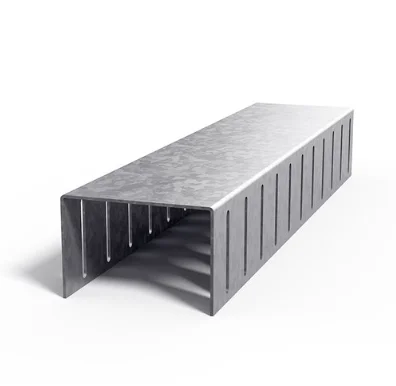
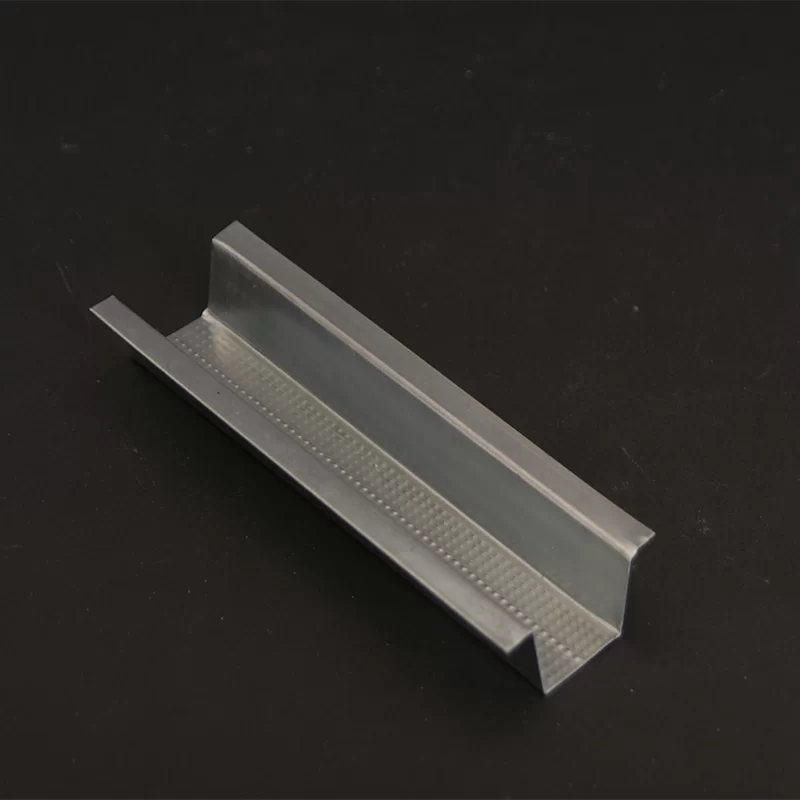
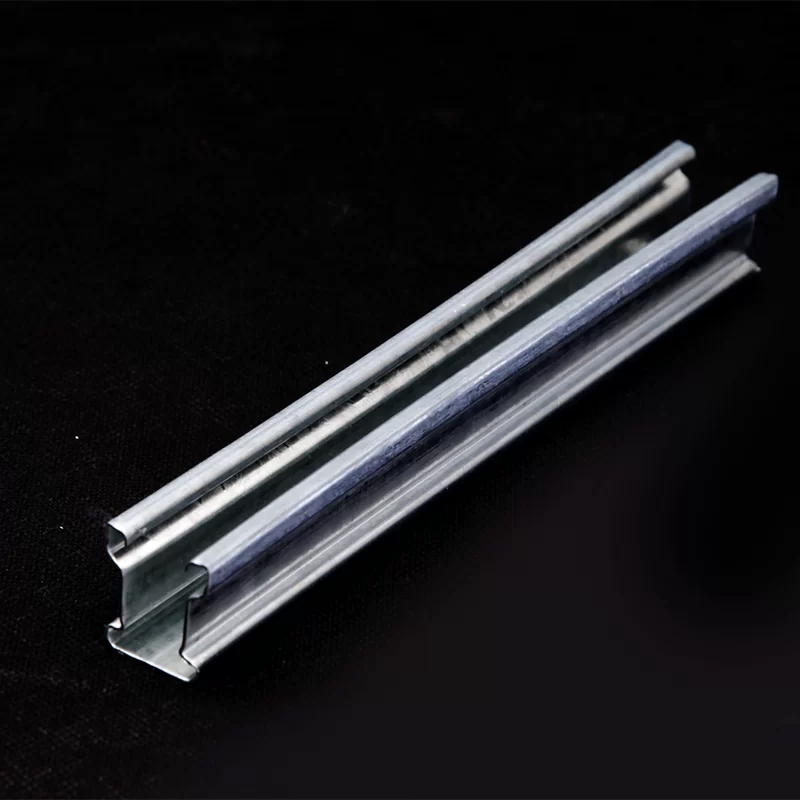
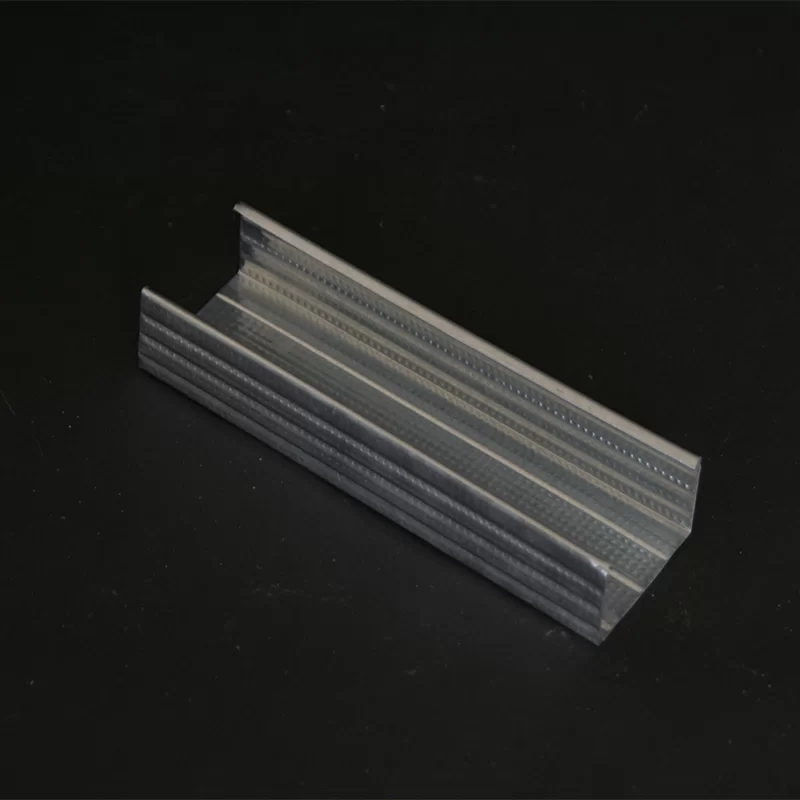
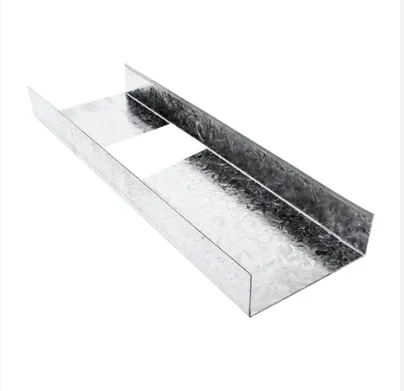
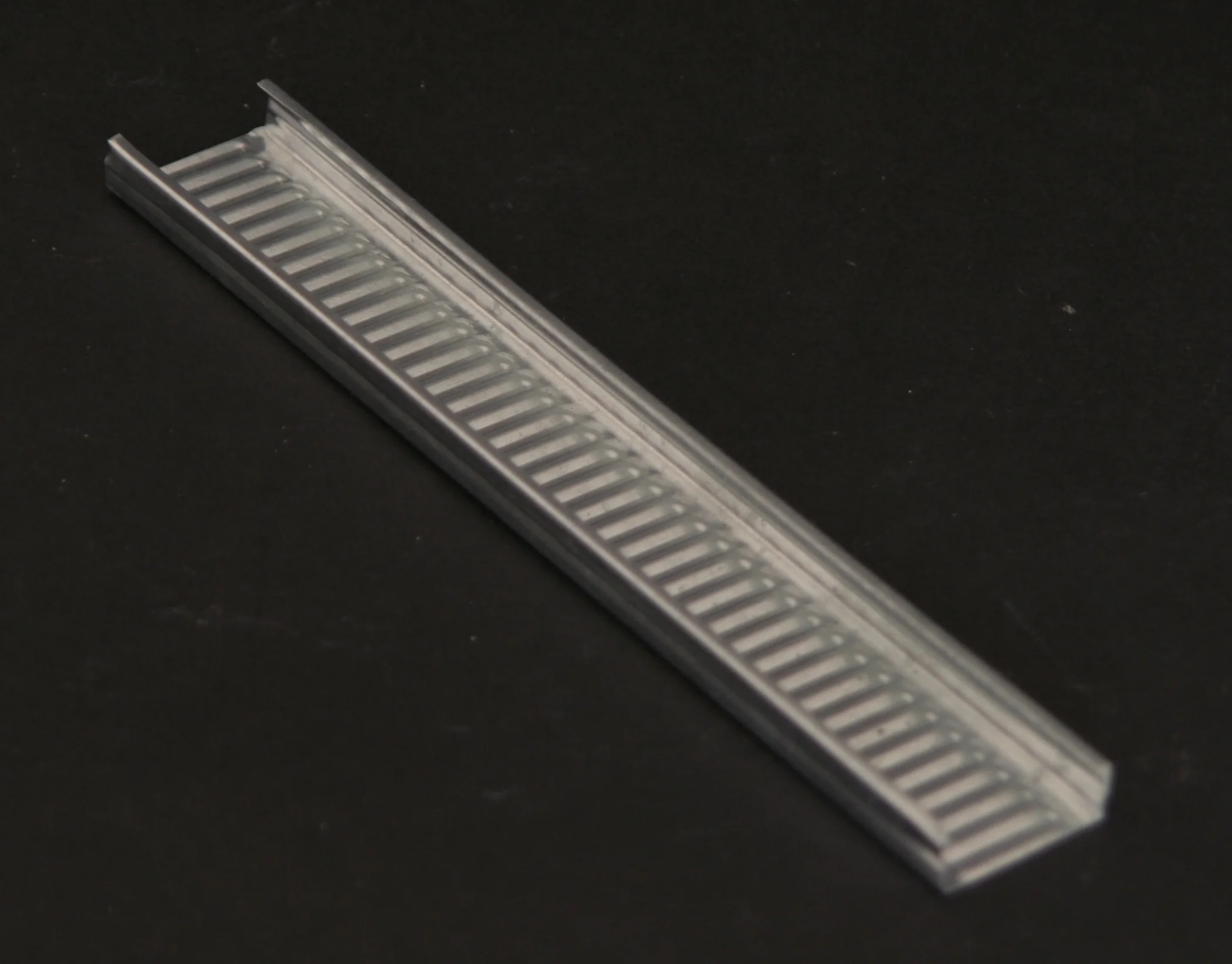
Simply put, a galvanized steel metal stud is a steel framing component coated with a protective layer of zinc to prevent rusting. “Galvanized” refers to this zinc coating process, which chemically bonds the metal to shield it from moisture and oxidation. The ‘stud’ itself functions like the vertical “backbone” inside walls, ceilings, or partitions, supporting drywall and structural panels in both commercial and residential buildings.
Industrially, these studs tie nicely into the push for modular, prefabricated construction that’s easier to ship, install, and recycle. On a humanitarian level, galvanized steel metal studs enable rapid assembly of safe shelters in disaster-prone zones—a life-saving capability.
Key Factors That Make Galvanized Steel Metal Studs Essential
1. Durability
The zinc coating delivers exceptional corrosion resistance, extending the life of the studs even in harsh weather or chemical environments. This isn’t just a marketing claim — ASTM A653 standards rigorously test these coatings to meet industrial durability benchmarks.
2. Lightweight Yet Strong
Compared to traditional wood framing, galvanized steel metal studs are light but strong. This makes transportation and onsite handling easier and faster, reducing labor costs and construction time.
3. Fire Resistance
Since steel is non-combustible, these studs improve a building’s fire safety rating compared to wood. This is crucial for urban centers with tight building codes and emergency response requirements.
4. Cost Efficiency
While the upfront cost can be higher than timber, the low maintenance, reduction in repairs, and recyclability create cost savings in the medium to long term. It’s a practical investment for contractors and developers.
5. Sustainability
Steel is 100% recyclable, and the galvanization process minimizes environmental waste. This supports global initiatives focused on reducing carbon footprints in construction, aligning well with ISO 14001 environmental management systems.
Worldwide Applications of Galvanized Steel Metal Studs
Galvanized steel metal studs find use across multiple sectors:
- Urban Housing and Commercial Construction: From office complexes to shopping malls, steel framing systems are increasingly preferred for their scalability and speed.
- Disaster Relief Structures: NGOs use galvanized steel studs for temporary and permanent shelters after floods or earthquakes, relying on their durability and quick assembly.
- Industrial Facilities: Manufacturing plants and warehouses leverage these studs for internal walls and partitions, where corrosion resistance matters due to chemical exposure.
- Remote Infrastructure: In isolated zones like mining camps or oil fields, prefabricated buildings featuring galvanized steel studs offer reliable performance in tough climates.
Mini takeaway: In essence, galvanized steel metal studs are truly universal, vital from megacities to remote outposts—and increasingly for humanitarian needs.
Product Specifications at a Glance
| Specification |
Typical Value |
Notes |
| Material Thickness |
18 - 25 Gauge |
Common industry range |
| Coating Type |
Hot-dip galvanized (G90) |
Ensures ASTM A653 equivalent corrosion resistance |
| Length Options |
8 ft to 16 ft |
Custom cutting available |
| Weight |
~1.5 - 2.5 lbs per foot |
Varies by gauge and profile |
| Fire Rating |
Non-combustible |
Per ASTM E119 tests |
Top Vendors of Galvanized Steel Metal Studs Compared
| Vendor |
Standard Gauge Range |
Coating Type |
Lead Time |
Customization |
| Jinka International |
18 - 25 Gauge |
Hot-Dip Galvanized (G90) |
2-3 weeks |
Available on request |
| SteelCo Ltd. |
20 - 26 Gauge |
Hot-Dip & Electro-Galvanized |
3-4 weeks |
Limited |
| Global Metals |
19 - 23 Gauge |
Hot-Dip Galvanized |
1-2 weeks |
Standard sizes only |
Advantages and Long-Term Value
Galvanized steel metal studs are more than just a building material — they represent a wise investment in resilience and sustainability. Financially, their long lifespan and resistance to environmental degradation translate into fewer replacements and repair costs, freeing up capital for other infrastructure investments.
Environmentally, they align with circular economy principles because steel can be recycled repeatedly without quality loss. Emotionally, these studs provide safety and reliability for occupants, fostering community trust and dignity — no small matter when you consider disaster-affected families relying on strong shelter.
Future Trends & Innovations
The galvanized steel metal stud landscape is evolving too. Innovations in zinc alloy coatings promise even better resistance to rust without increasing weight. Manufacturers are experimenting with pre-cut modular framing kits integrated with sensors for structural health monitoring — a nod to smart construction and digital transformation.
Green energy factors also influence production, with mills transitioning to renewable-powered galvanizing lines, reducing the carbon footprint of the studs themselves (according to recent reports from ISO sustainability committees). Automation accelerates mass production, improving cost efficiency and customization.
Challenges & Expert Solutions
Despite many benefits, there are some challenges. Galvanized steel metal studs can be prone to galvanic corrosion if placed in direct contact with certain metals without insulation. Installation mistakes may also cause damage to the protective coating, exposing the steel to rust.
Experts suggest using protective primers during assembly, conducting regular surface inspections, and following ASTM installation guidelines. Ongoing R&D aims to develop tougher zinc coatings that survive rough handling and aggressive environments.
FAQ: Frequently Asked Questions About Galvanized Steel Metal Studs
- Q: How does galvanization improve the lifespan of metal studs?
A: Galvanization applies a zinc coating that shields steel from moisture and oxidation, preventing rust. This process dramatically increases durability—standards like ASTM A653 require zinc coating thicknesses that ensure structural integrity for decades, reducing maintenance.
- Q: Can galvanized steel metal studs be used in coastal or marine environments?
A: Yes. Their corrosion resistance makes them ideal for humid, salty conditions common in coastal areas. However, enhanced coatings or additional protective treatments may be recommended for extreme saltwater exposure.
- Q: Are galvanized steel studs recyclable?
A: Absolutely. Steel is 100% recyclable without loss of quality. This supports eco-friendly construction practices and reduces landfill waste, aligning with ISO 14001 environmental standards.
- Q: How do galvanized steel metal studs compare to wood studs?
A: Steel studs are more resistant to fire, pests, and moisture, and offer higher durability overall. Wood may be cheaper initially but often incurs more maintenance cost over time.
- Q: What are common lead times for ordering galvanized steel metal studs?
A: Depending on vendor and order size, lead times typically range from 1 to 4 weeks. Custom sizing or special galvanization may extend delivery.
Conclusion: Build Smarter and More Sustainably With Galvanized Steel Metal Studs
To wrap it up, galvanized steel metal studs are invaluable in achieving resilient, sustainable, and cost-efficient construction worldwide. Whether you are erecting urban commercial buildings, emergency shelters, or industrial facilities, their strength and durability are unmatched. If you want to explore options and supplier details, visit our website: https://www.jinkaibm.com for trusted, quality galvanized steel metal studs tailored to your needs.
Mini takeaway: The galvanized steel metal stud isn’t just a component—it’s a catalyst for safer, smarter, and greener construction, and frankly, it’s exciting to see how it continues evolving.
References:
- World Steel Association – Steel in Construction
- Wikipedia – Galvanization
- ISO 14001 Environmental Management