Understanding Gypsum Steel Frame: A Modern Construction Marvel
Gypsum steel frame—sounds like a mouthful, right? But it’s actually one of those quietly revolutionary construction methods that’s gaining serious traction worldwide. Essentially, this system blends gypsum wallboards with steel framing to create structures that are strong yet lightweight, and ideal for everything from residential buildings to emergency shelters. Why does it matter globally? Because as urban populations swell and disaster risks climb, we need fast, reliable, and sustainable building solutions that don’t break the bank. If you’re involved in construction, humanitarian aid, or industrial development, understanding gypsum steel frame can open doors to smarter and more flexible building options.
Why Gypsum Steel Frames Matter Globally
In broad strokes, the global construction sector accounted for over 13% of total greenhouse gas emissions in 2021, according to the International Energy Agency (IEA). That’s huge. Meanwhile, the UN reports that by 2050, nearly 68% of people will live in urban areas, heightening pressures on building infrastructure and disaster resilience. Traditional construction techniques can be slow and resource-intensive—enter gypsum steel frame systems, which speed up build times and use lighter materials, ultimately reducing carbon footprints and improving safety.
The challenge this combo addresses? Building structures that are rapid to assemble, cost-effective, and resistant to natural hazards like earthquakes and floods, especially in regions hard-hit by climate change or conflict.
Defining Gypsum Steel Frame
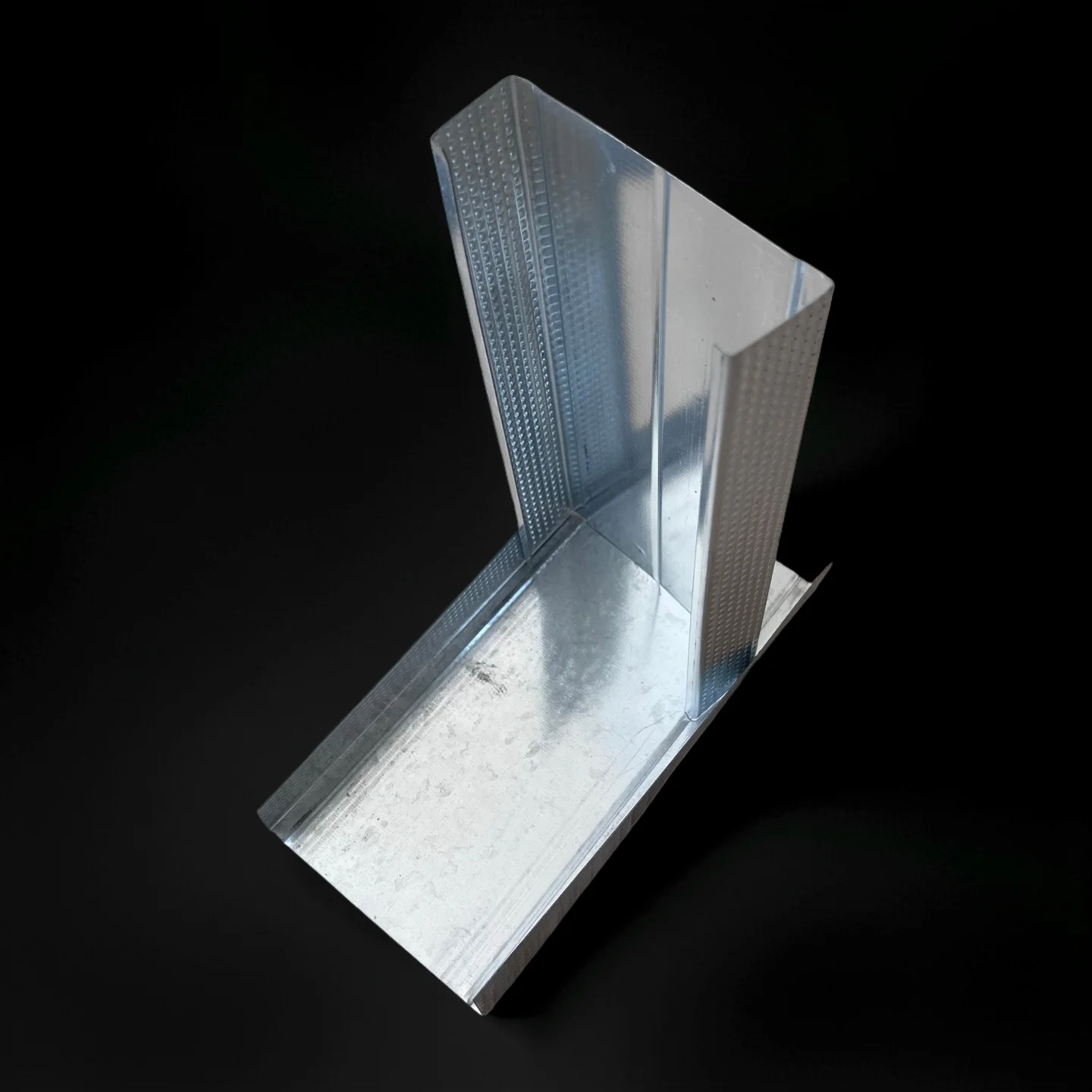
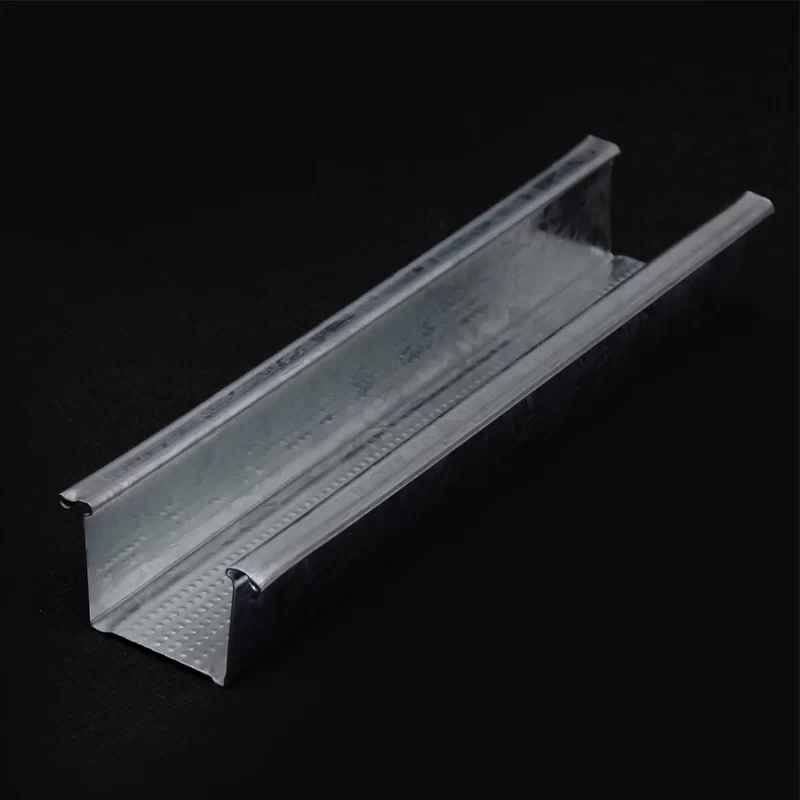
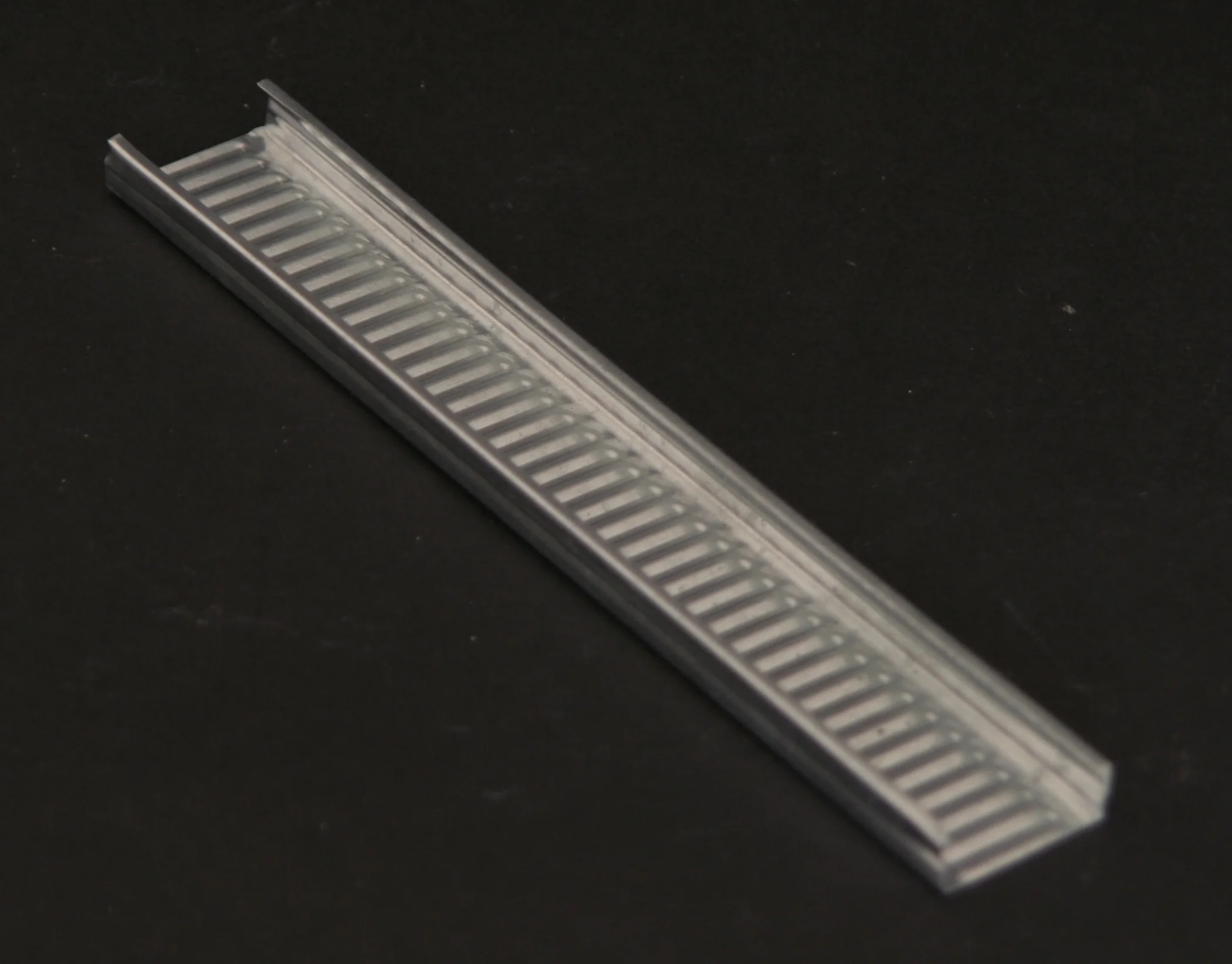
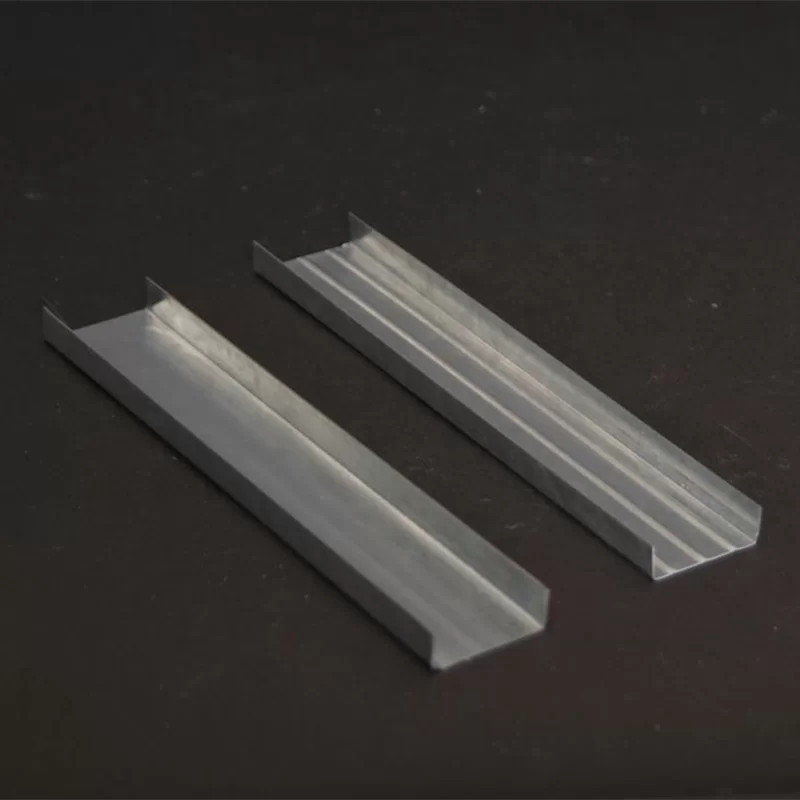
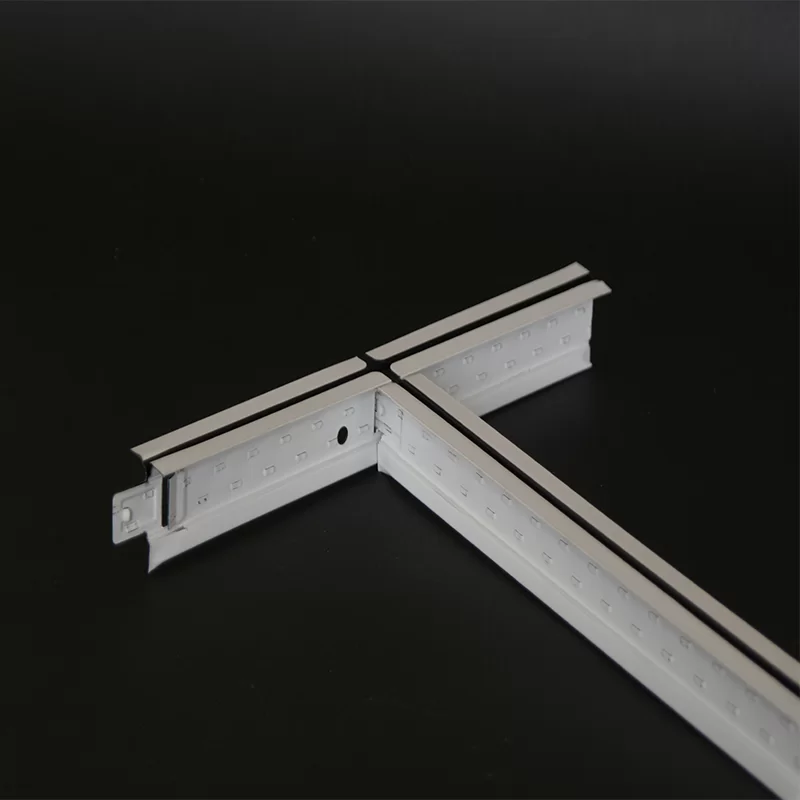
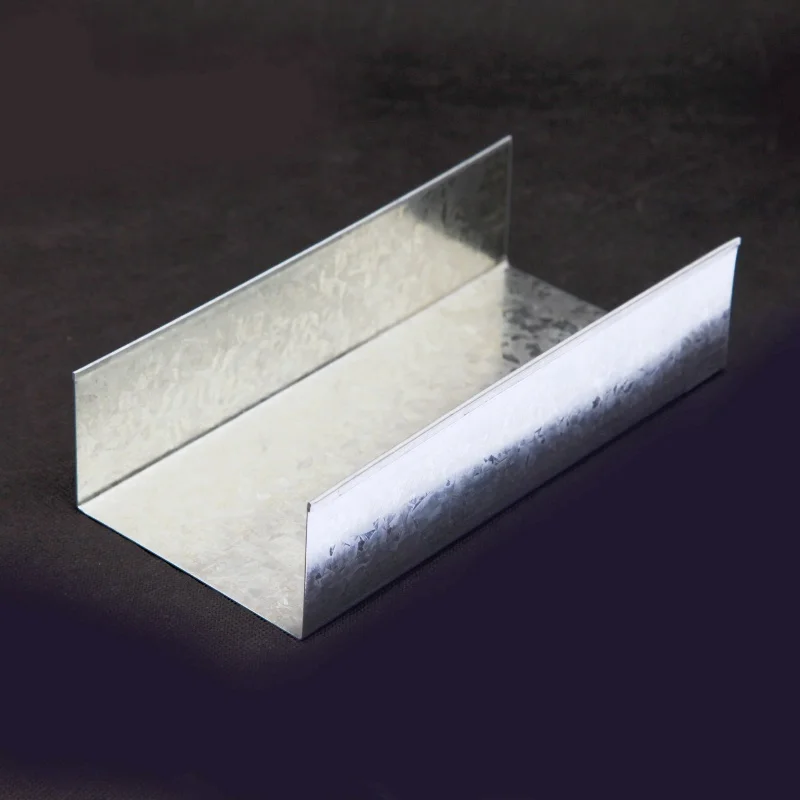
Think of a gypsum steel frame as a hybrid building skeleton where steel studs form the structural backbone while gypsum boards fill in the walls. Steel, being light but robust, offers exceptional load-bearing capacity without the mess and weight of concrete blocks. Gypsum boards add fire resistance, acoustic insulation, and moisture control. Together, they create a system favored in modern construction, ranging from commercial offices to modular housing projects.
Because the materials are prefabricated and easy to install, they’ve become essential in humanitarian efforts for quick-deploy shelters and temporary clinics after disasters. So, it’s not just a construction trend—it has deep ties to saving lives and improving living conditions globally.
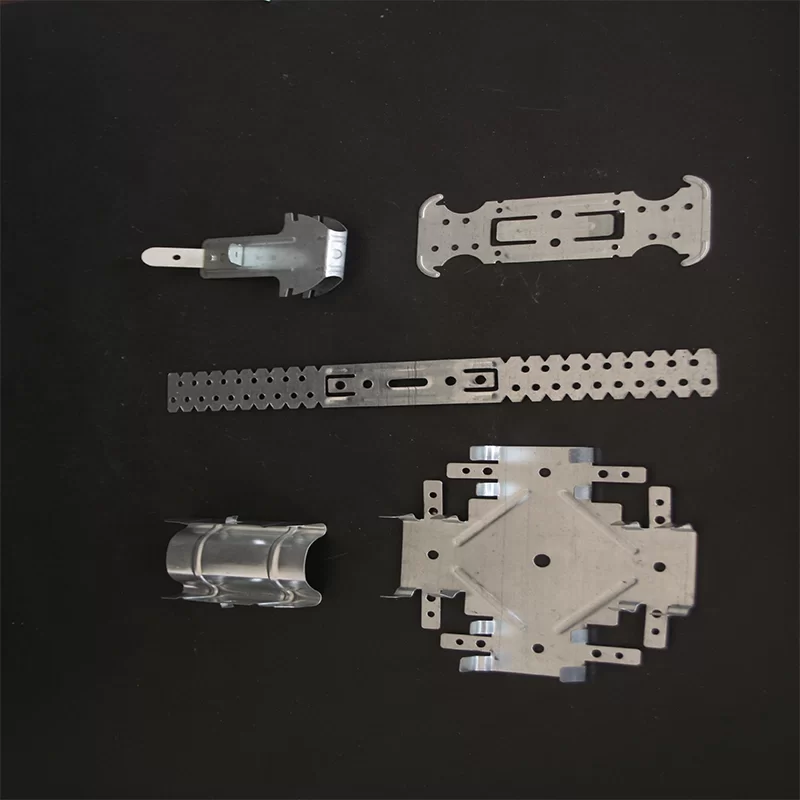
Core Components of Gypsum Steel Frame Systems
- Durability: Steel studs resist corrosion and pests; gypsum panels offer fire resistance and moisture management, extending the building’s lifespan.
- Scalability: Modular design means you can build anything from a single room to multi-story complexes efficiently.
- Cost Efficiency: Lower labor time and reduced material waste translate to significant savings in projects both big and small.
- Environmental Sustainability: Gypsum is recyclable and steel framing often uses recycled steel, aligning with ISO-certified sustainability standards.
- Flexibility: Easily adaptable to various architectural designs, plus modifications post-build are straightforward.
These aspects mean gypsum steel frame constructions adapt well whether you’re outfitting an office downtown or setting up quick housing in remote relief zones.
Global Applications & Use Cases
The breadth of gypsum steel frame use is pretty remarkable. In North America and Europe, it’s often employed in residential apartments and office buildings, prized for speed and code compliance. In Asia and Africa, NGOs and governments use them to erect schools and emergency clinics in refugee camps.
For example, after the 2015 Nepal earthquake, the speed of rebuilding was crucial. Organizations leaned heavily on gypsum steel frame kits for rapid assembly, restoring community spaces within weeks. Similarly, industrial sectors in remote locales—mining camps in Australia or oil rigs in the Middle East—find these systems ideal for modular staff housing that can be shipped and assembled onsite without heavy equipment.
Advantages & Long-Term Value
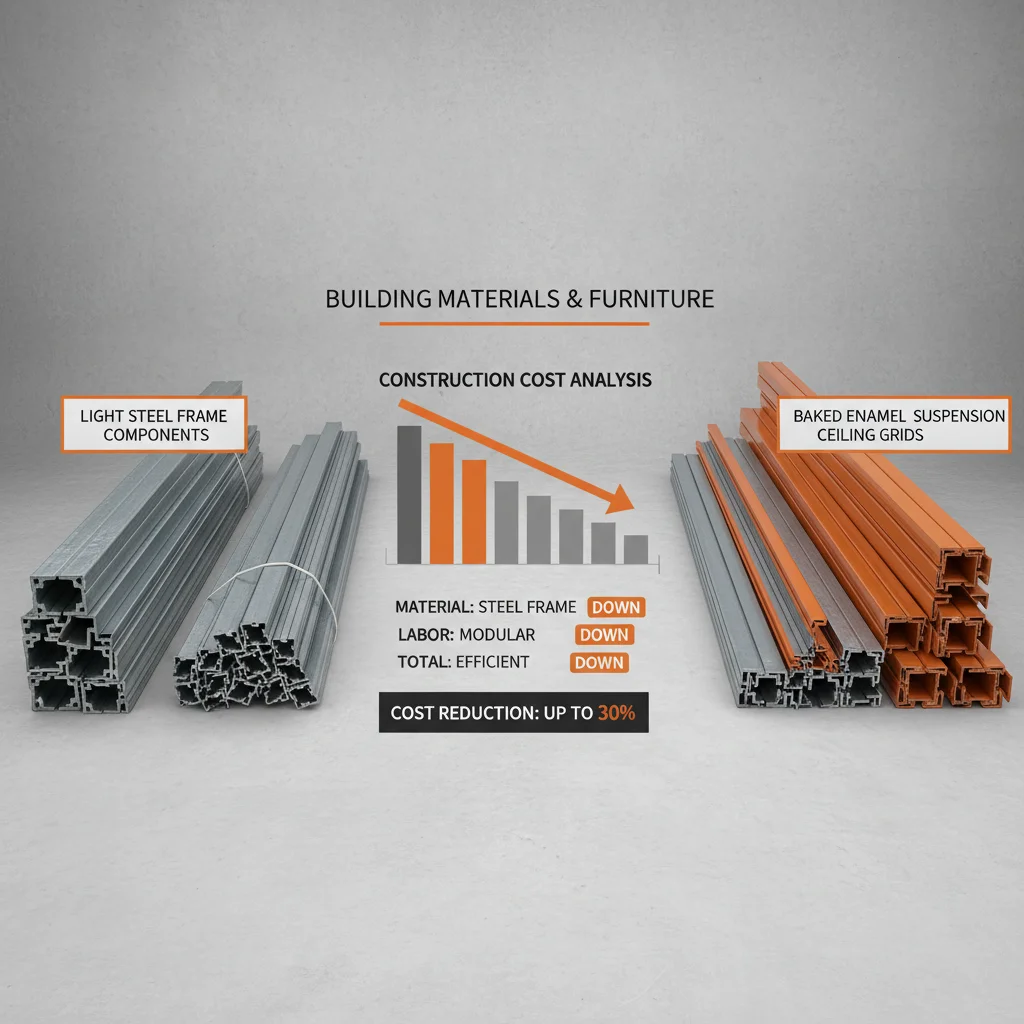
Frankly, the benefits go beyond just numbers. Economically, gypsum steel frame cuts construction timelines by up to 40%, which means less labor costs and quicker project turnaround. Environmentally, reduced concrete use means less carbon emitted, and recycling old steel panels is common practice. Emotionally and socially, the fire-resistant nature and solid structure provide peace of mind—especially in communities vulnerable to hazards.
Plus, the material’s acoustic qualities and thermal insulation improve occupant comfort and energy efficiency. All in all, it feels like a future-proof building method that aligns with evolving sustainability and safety expectations.
Product Specifications Snapshot
| Specification |
Typical Value |
| Steel Frame Thickness |
0.6 - 2.0 mm |
| Gypsum Board Thickness |
9.5 - 15 mm |
| Fire Rating |
Up to 2 hours (depending on panel thickness) |
| Acoustic Rating |
STC 45 - 55 |
| Typical Panel Size |
1200 x 2400 mm |
Vendor Comparison: Leading Gypsum Steel Frame Providers
| Vendor |
Product Range |
Sustainability |
Global Reach |
Pricing |
| GypsumPlus Inc. |
Residential, Commercial, Modular |
ISO 14001 Certified; recycled steel |
50+ countries |
Mid-range |
| SteelBuild Solutions |
Industrial, Infrastructure |
Energy-efficient production |
30 countries |
Premium |
| RapidFrame Systems |
Emergency shelters, schools |
Focus on rapid-deployment kits |
40+ countries, NGO partnerships |
Competitive |
Future Trends & Innovations
Looking ahead, gypsum steel frame systems are set to get even smarter. Integration of digital tools like Building Information Modeling (BIM) helps architects and engineers design with precision, reducing waste further. Emerging products are combining gypsum boards with insulation materials derived from recycled plastics, boosting thermal efficiency. Plus, with sustainability front and center, there’s growing use of green steel—produced using hydrogen rather than coal—to reduce carbon emissions drastically.
Automation in manufacturing and on-site assembly is another wave, making modular gypsum steel frame constructions faster and reducing human error. Oddly enough, this isn’t just about tech for tech’s sake; it’s a necessary evolution to meet urgent humanitarian and urbanization demands.
Challenges & Solutions
Despite its many perks, gypsum steel frame construction isn’t without hurdles. One common issue is moisture vulnerability if panels aren’t properly sealed, potentially leading to mold growth. Yet, industry experts recommend advanced vapor barriers and coatings to mitigate this.
Another limitation can be acoustic performance in noisy environments; however, layering techniques and denser gypsum boards help. Cost concerns arise where shipping prefab panels to remote areas isn’t straightforward, but partnerships between vendors and local manufacturers (such as gypsum steel frame suppliers) are easing this.
FAQ: Common Questions About Gypsum Steel Frame
- Is gypsum steel frame construction suitable for earthquake zones?
Yes, due to steel’s flexibility and the lightweight nature of the materials, this system performs well under seismic stress, often better than traditional masonry.
- How long does a gypsum steel framed building last?
With proper maintenance, buildings can last 50+ years. Steel frames don’t rot like wood, and gypsum treated correctly resists moisture and fire.
- Can gypsum steel frame structures be customized architecturally?
Absolutely. The modular components are versatile and can incorporate curves, openings, and various finishes to match aesthetic and functional needs.
- Is this system environmentally friendly?
Yes, it uses recyclable materials and requires less energy in construction compared to concrete structures. Plus, reduced waste is a big plus.
- How can NGOs source gypsum steel frames internationally?
Many manufacturers provide kit-based shipments paired with assembly training, making it easier for NGOs to deploy these structures quickly in the field.
Conclusion
Gypsum steel frame systems represent a smart and responsible future in construction. They balance cost, speed, sustainability, and safety, matching the needs of rapidly urbanizing societies and disaster-prone areas alike. If you’re considering adopting this robust method or just want to learn more, I encourage you to explore options from trusted providers—like at gypsum steel frame solutions—to discover how this technology can transform your next project.
Sometimes, the best innovations come quietly, but their impacts speak loud and clear.
Mini Takeaway: Embracing gypsum steel frame construction means investing in scalable, eco-friendly, and resilient infrastructure that truly reflects today's global challenges and tomorrow’s aspirations.
References:
- International Energy Agency - Clean Energy Innovations
- United Nations - Urbanization Prospects, 2018
- International Organization for Standardization - ISO 14001