Hit enter to search or ESC to close
March 9, 2026
When renovating or constructing a space, the ceiling is often an overlooked, yet crucial component. Ceiling grid bars, also known as suspension system components, play a vital role in creating a functional and aesthetically pleasing ceiling. This article will provide a comprehensive overview of ceiling grid bars, covering their types, applications, installation, and benefits. Understanding the options available will help you make the best choice for your project. Selecting the correct grid system ensures both the longevity and visual appeal of your ceiling.
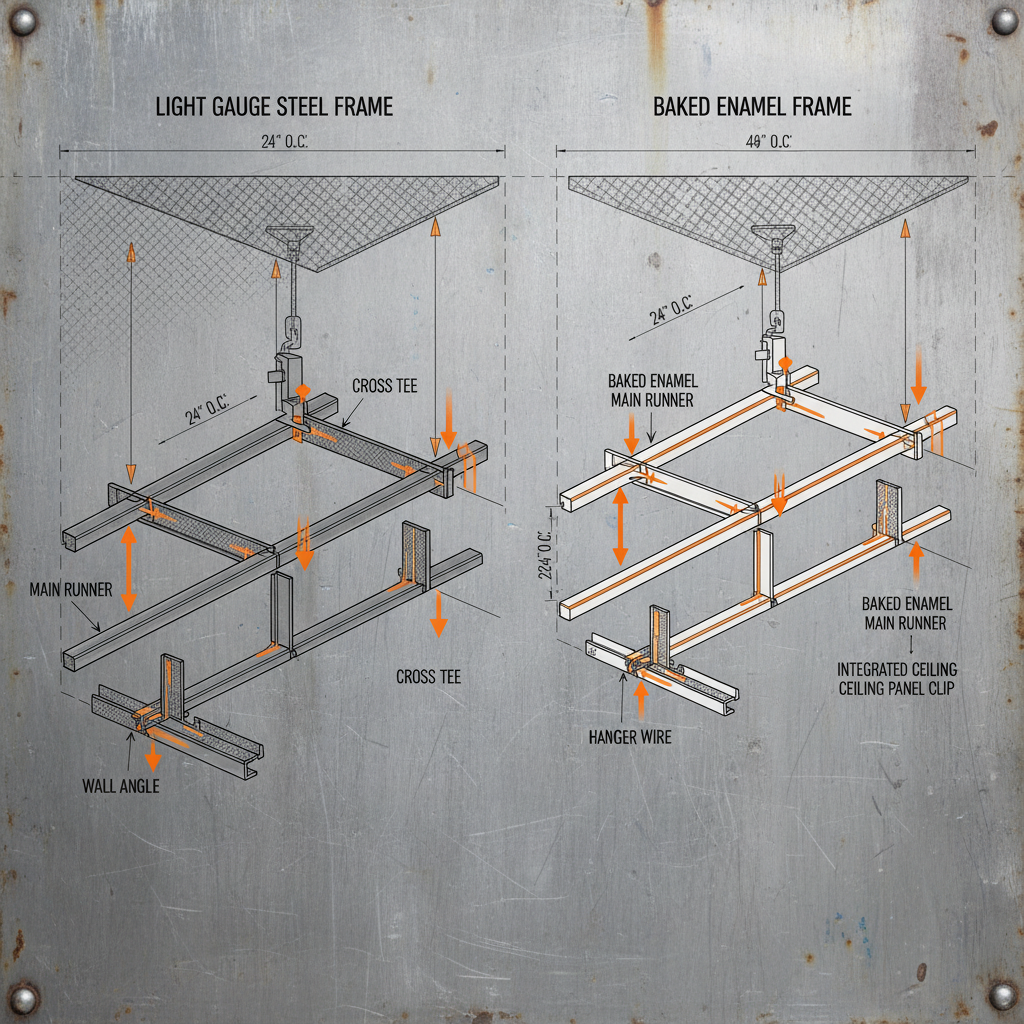
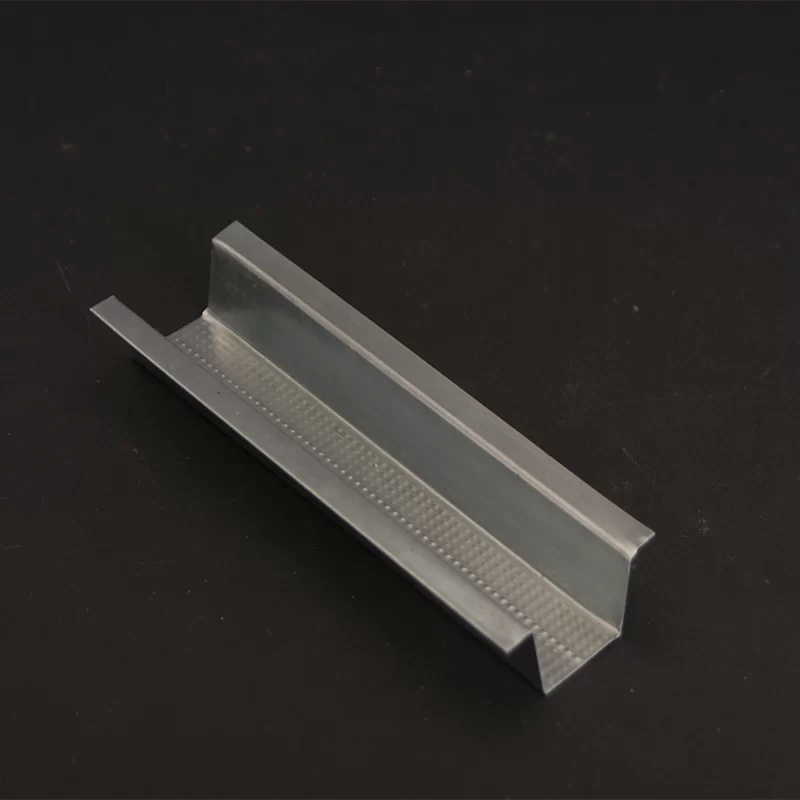
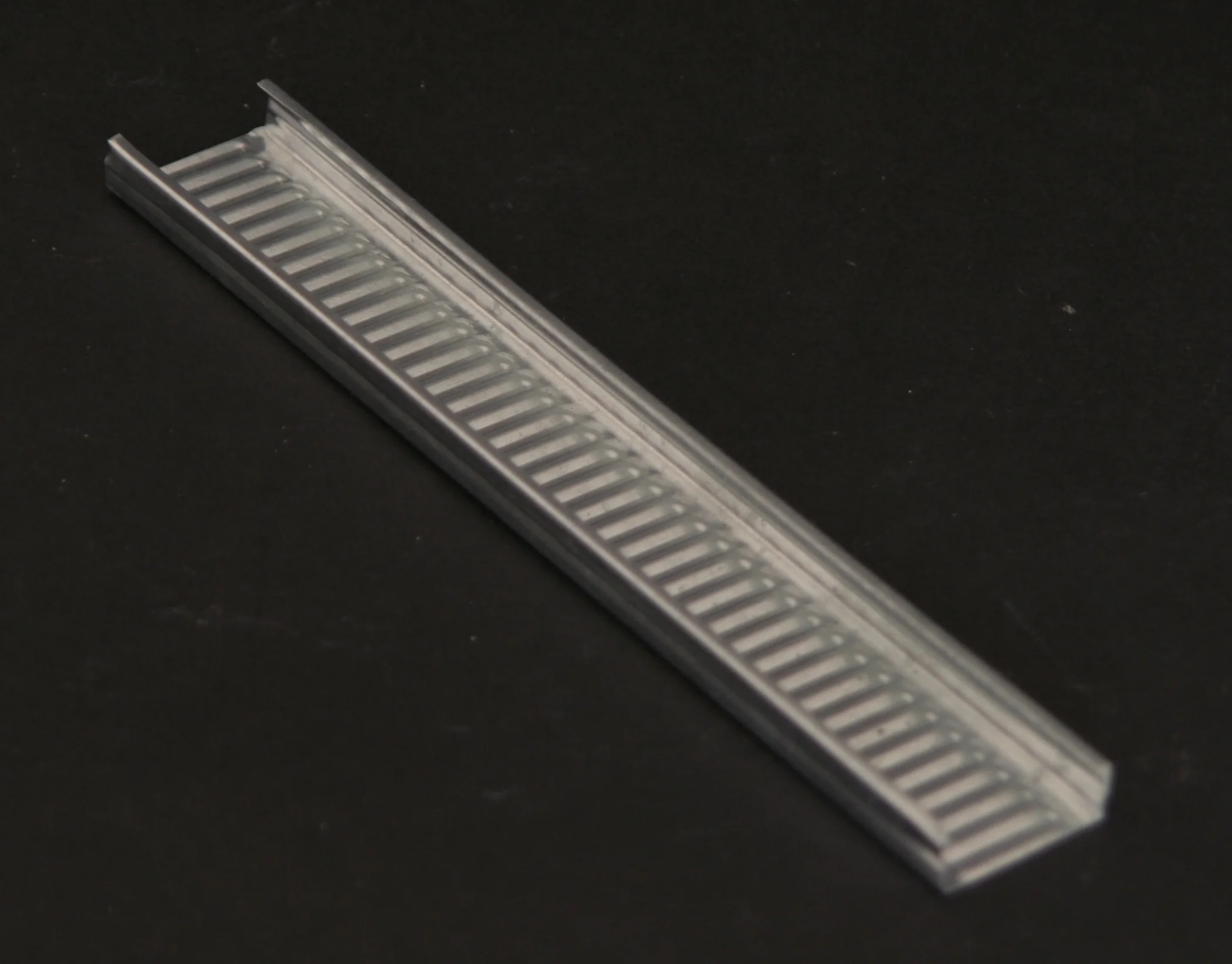
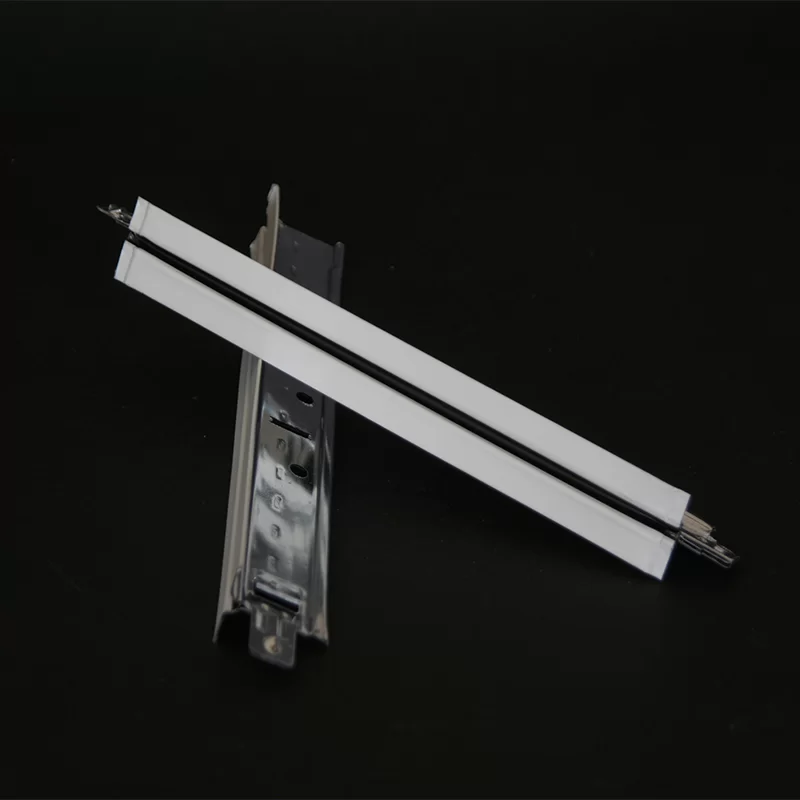
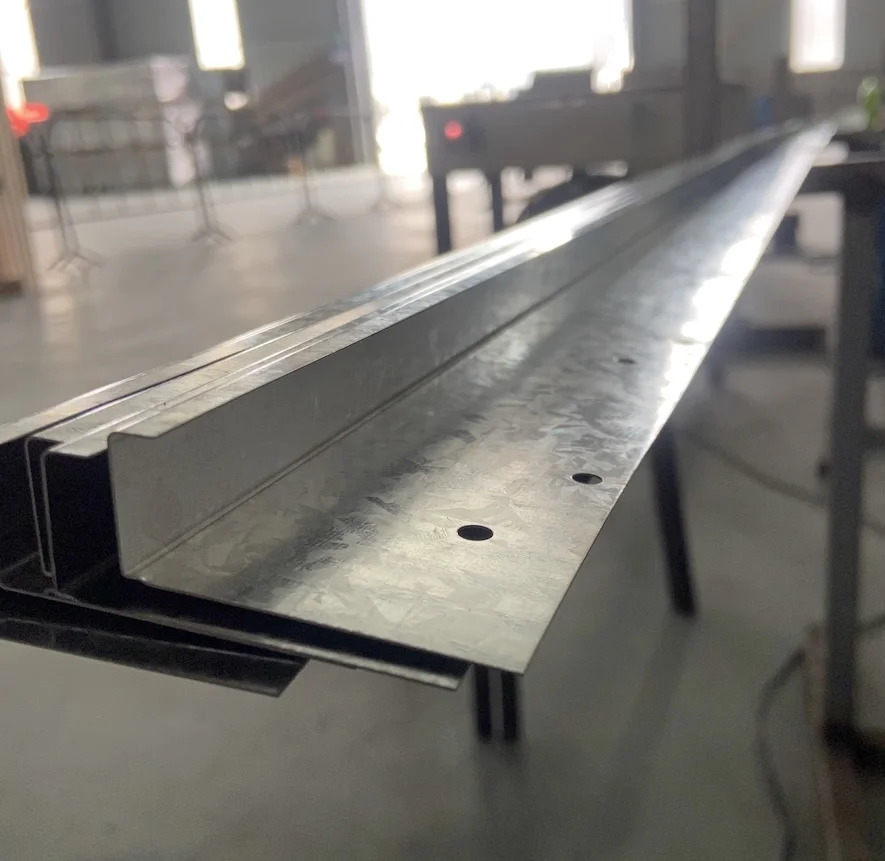
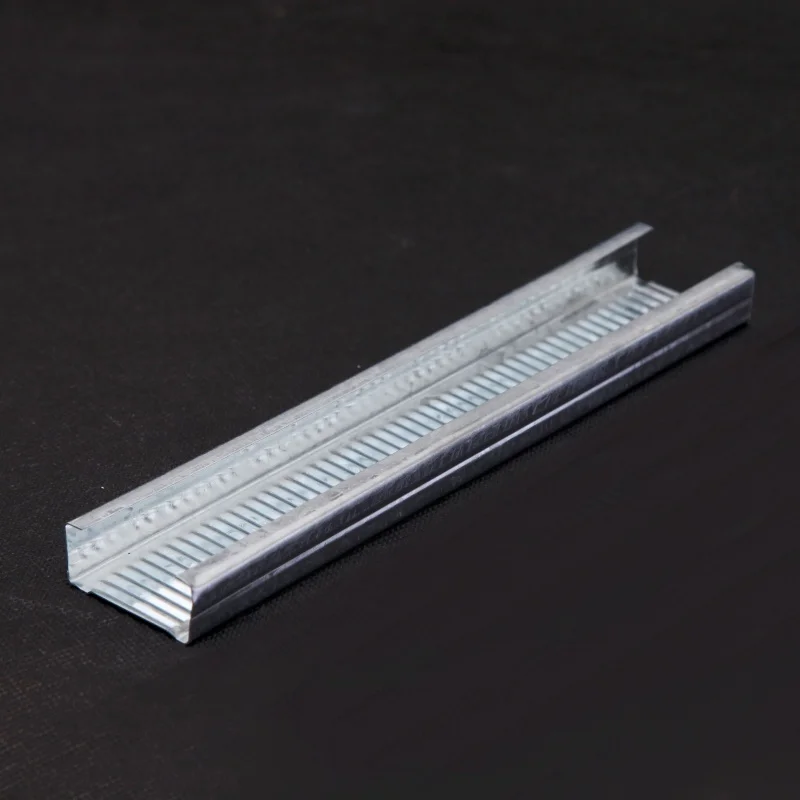
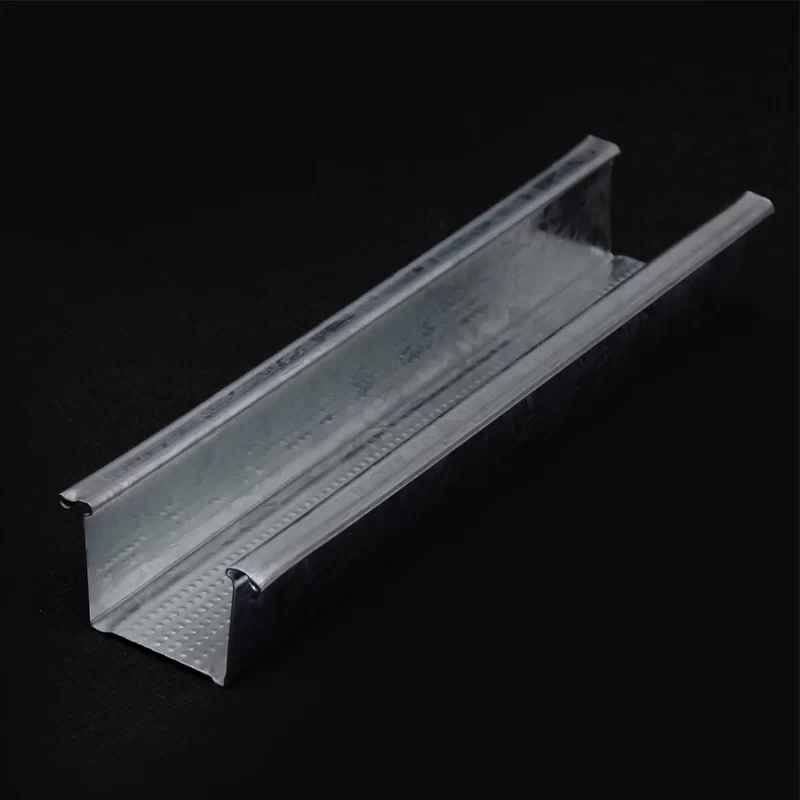
Ceiling grid bars are the supporting framework that holds ceiling tiles in place. They are typically made of galvanized steel, although aluminum and other materials are also used. These bars are suspended from the ceiling above using wires or hangers, creating a level surface for the tiles. The importance of well-chosen grid bars lies in their ability to provide structural support, conceal wiring and plumbing, and contribute to the overall acoustics and aesthetics of a room. A robust and correctly installed grid system is essential for preventing tile sagging and ensuring a safe and long-lasting ceiling installation.
Key Benefits: Provide structural support for ceiling tiles, conceal unsightly wiring and plumbing, improve room acoustics, contribute to aesthetic appeal.
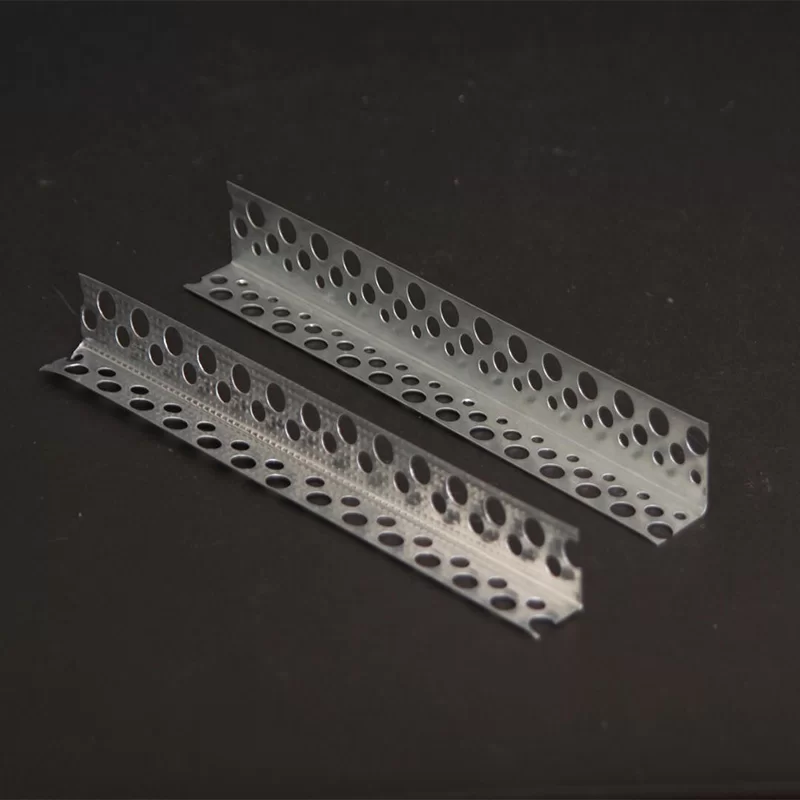
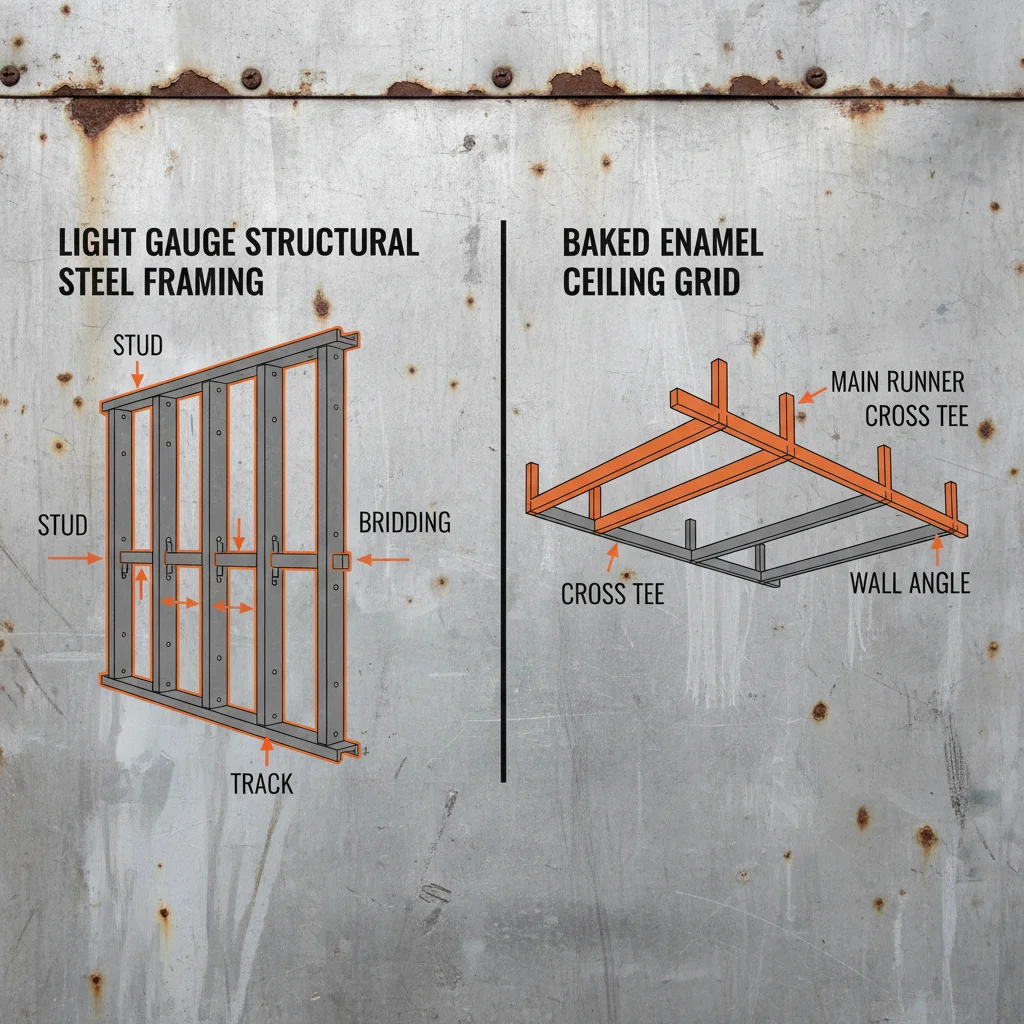
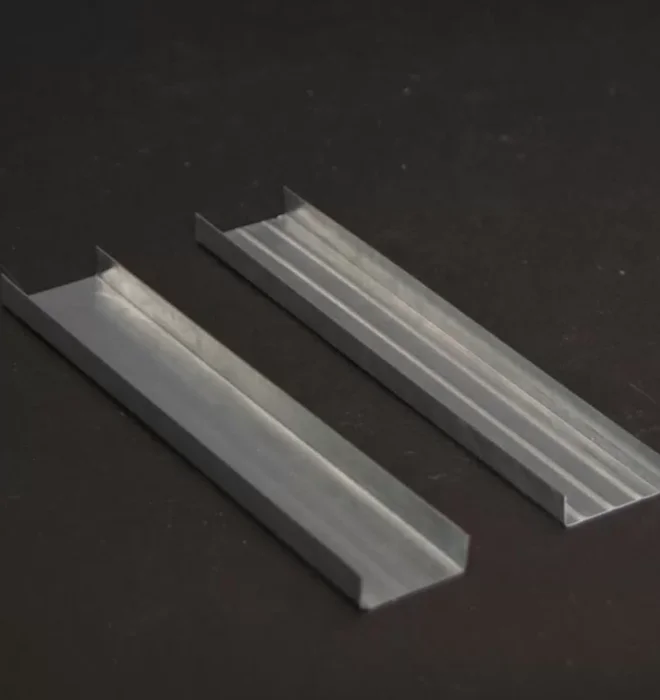
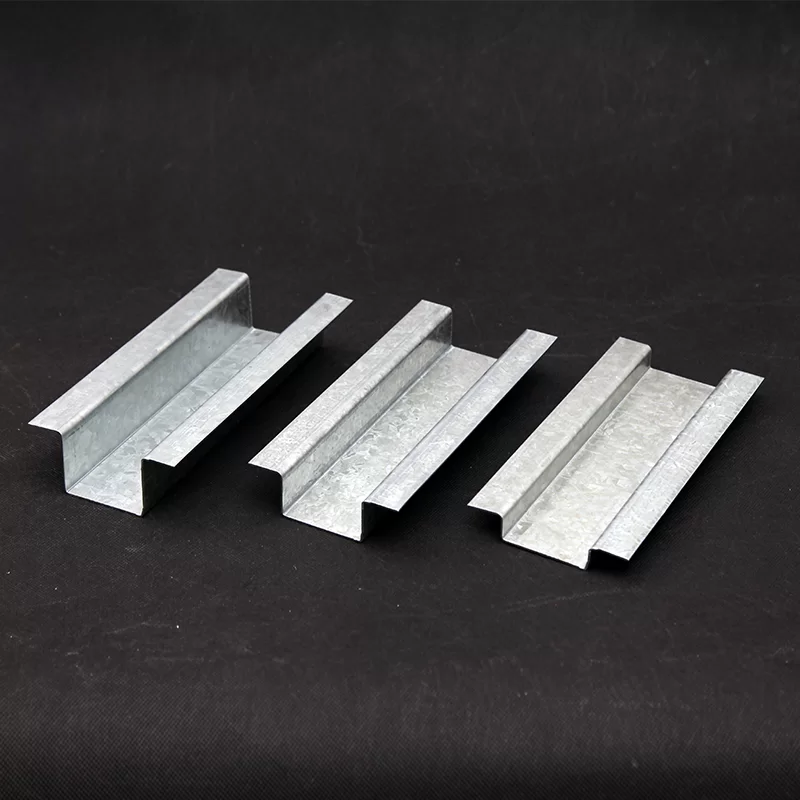
There are several types of ceiling grid bars available, each suited for different applications. The most common types include:
The choice of which type to use depends on the size of the room, the desired grid pattern, and the weight of the ceiling tiles.
The material of the ceiling grid bars significantly impacts their durability, cost, and suitability for different environments. Galvanized steel is the most common material due to its strength and affordability. However, aluminum is a lighter-weight option that is corrosion-resistant, making it ideal for humid environments. Consider the following table when making your decision:
Proper installation is paramount for a successful ceiling grid system. Start by accurately measuring the room and planning the grid layout. Ensure the suspension points are adequately strong to support the weight of the grid and tiles. Use a level to ensure the grid is perfectly horizontal. Precise cuts may be needed to accommodate room dimensions and obstacles. It's highly recommended to consult with a professional installer if you are unfamiliar with the process. Incorrect installation can lead to sagging tiles and potential safety hazards.
Jinka IBM offers a comprehensive range of high-quality ceiling grid bar systems designed for durability, ease of installation, and aesthetic appeal. Our products are manufactured to meet stringent quality standards and are available in a variety of sizes and finishes. We provide expert support and guidance to ensure you select the right system for your needs. Choosing Jinka IBM guarantees a reliable and long-lasting ceiling solution.
Choosing the right ceiling grid bars is a crucial step in any construction or renovation project. By considering the factors outlined in this guide – material, type, installation, and supplier – you can ensure a safe, aesthetically pleasing, and long-lasting ceiling system. Don't compromise on quality – choose a reputable supplier like Jinka IBM.
The most common spacing for ceiling grid bars is 2ft x 2ft or 2ft x 4ft. The choice depends on the size and layout of the room, as well as the type of ceiling tiles being used. Wider spacing (2ft x 4ft) is generally more economical, but may require stronger grid bars to support the larger tiles. It's essential to consult the tile manufacturer's recommendations for optimal spacing.
The number of hangers needed depends on the span length of the main runners and the weight of the ceiling tiles. A general guideline is to use hangers every 4ft along the main runners. However, this may need to be adjusted based on the specific project requirements. Consulting with a structural engineer or experienced installer is recommended to ensure the grid is adequately supported.
Yes, ceiling grid bars can be painted, but it's important to use a paint specifically designed for metal surfaces. Proper surface preparation, including cleaning and priming, is essential for ensuring good adhesion and a long-lasting finish. Avoid using paints that contain solvents that could damage the protective coating on the steel.