Hit enter to search or ESC to close
March 26, 2026
When installing or repairing suspended ceilings, selecting the correct ceiling tile wire is crucial for safety and a professional finish. This guide will cover everything you need to know – from wire types and materials to length considerations and proper installation techniques. Using the wrong wire can lead to ceiling collapse, posing significant risks. At Jinka IBM, we provide high-quality ceiling tile wire solutions for various applications. We'll help you understand how to choose the best option for your project.
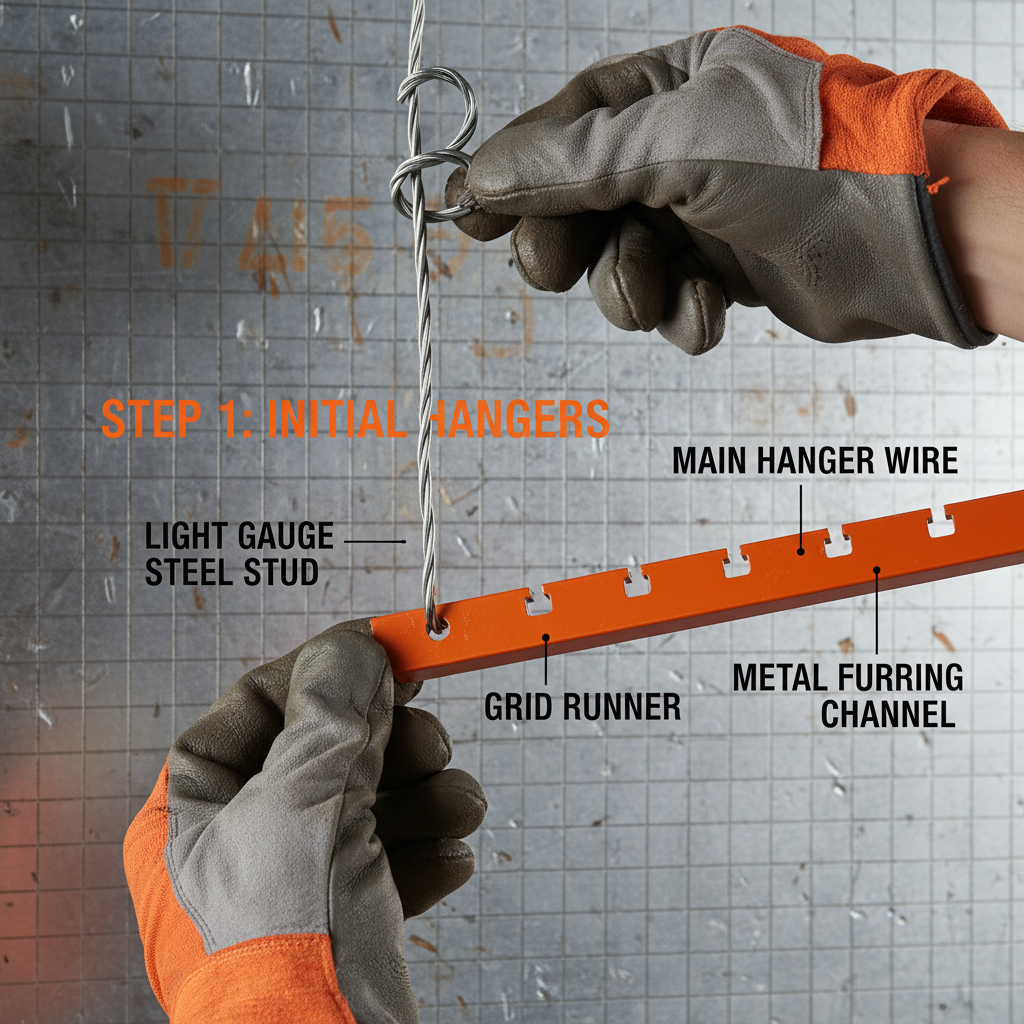
Ceiling tile wire, also known as suspension wire, comes in several variations. The most common types include galvanized steel wire, stainless steel wire, and sometimes plastic-coated wire. Galvanized steel provides a good balance of strength and cost-effectiveness. Stainless steel wire is more corrosion-resistant, making it ideal for humid environments like bathrooms or kitchens. Plastic-coated wire offers added protection against abrasion and can be visually more appealing. Choosing the right material depends on the environment and the desired lifespan of the installation. Jinka IBM offers a wide range of options to suit every need.
Key Takeaway: Selecting the correct wire material based on the environment ensures longevity and safety of your suspended ceiling.
The ceiling tile wire’s gauge (thickness) directly impacts its load-bearing capacity. A lower gauge number indicates a thicker wire, capable of supporting heavier tiles. Common gauges range from 16 gauge to 20 gauge. Consider the weight of the ceiling tiles, the grid system, and any potential additional loads (like light fixtures) when determining the appropriate gauge. Always consult local building codes for specific requirements. Using undersized wire can lead to sagging or even collapse, while oversized wire may be unnecessarily expensive.
Load Capacity Guidelines:
• 16 Gauge Wire: Supports heavier tiles and increased loads.
• 18 Gauge Wire: Suitable for standard-weight tiles and moderate loads.
• 20 Gauge Wire: Best for lightweight tiles with minimal additional loads.
Choosing between galvanized steel and stainless steel ceiling tile wire depends on the environment. Galvanized steel is cost-effective and provides adequate protection against corrosion in most indoor applications. However, in areas prone to moisture, humidity, or chemical exposure, stainless steel is the superior choice. Stainless steel offers significantly better corrosion resistance, ensuring a longer lifespan and reducing the risk of wire failure. The initial cost of stainless steel is higher, but the long-term benefits often outweigh the expense.
Correct installation is vital for the safety and longevity of a suspended ceiling. Ensure the wire is securely attached to both the grid and the ceiling structure. Use appropriate fasteners (screws, anchors) based on the ceiling material (concrete, wood, metal). Leave enough slack in the wire to allow for adjustments, but avoid excessive slack that could cause sagging. Double-check all connections before installing the ceiling tiles. If you're unsure about any aspect of the installation, consult a professional. Jinka IBM offers resources and support to ensure successful installation.
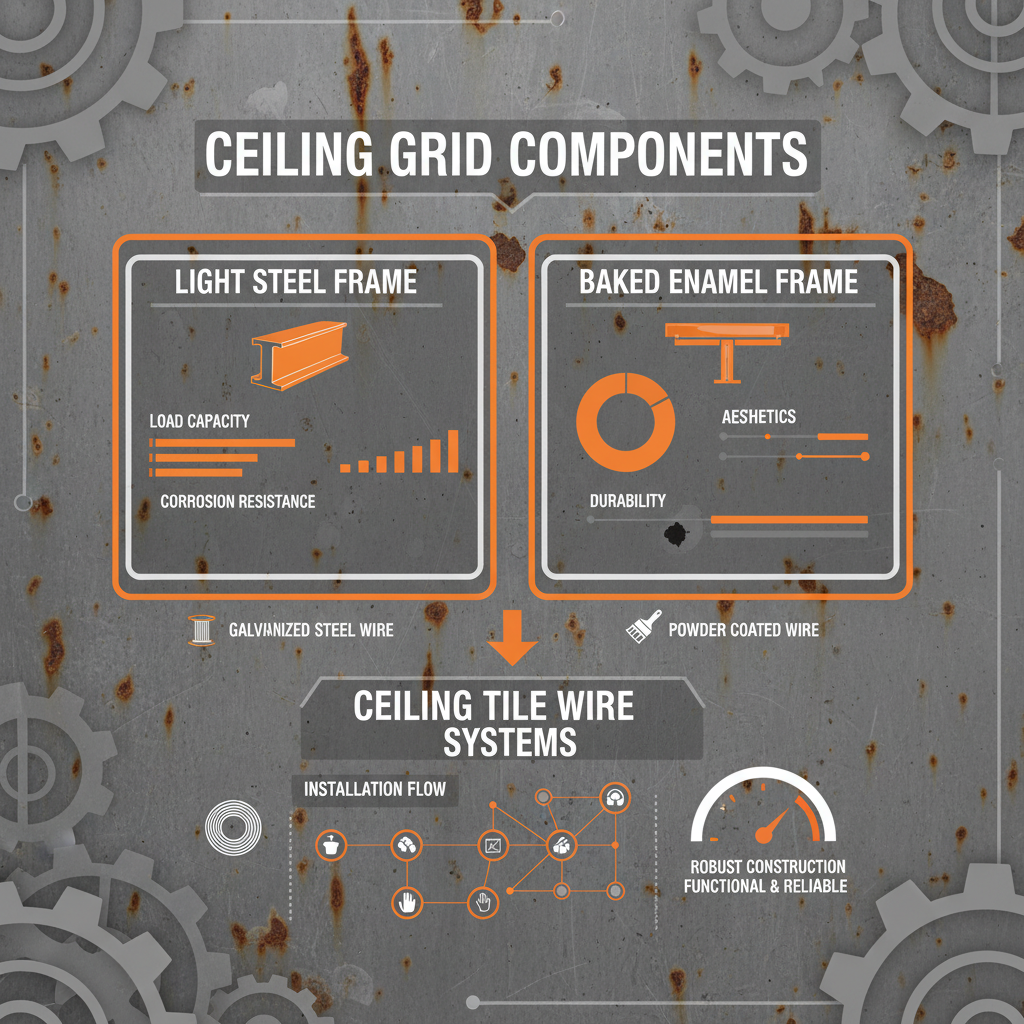
Determining the correct length of ceiling tile wire is crucial for a professional finish. Measure the distance from the ceiling structure to the grid, adding extra length for looping and securing the wire. It's generally better to have a slightly longer wire than necessary, as excess wire can be trimmed. Avoid using wire that is too short, as this can create tension and compromise the integrity of the installation. Consider the height of any lighting fixtures or other accessories when calculating the wire length. Jinka IBM offers various wire lengths to accommodate different ceiling heights.
Selecting the appropriate ceiling tile wire is paramount for a safe, durable, and aesthetically pleasing suspended ceiling. By considering factors like wire gauge, material, and length, and following proper installation techniques, you can ensure a long-lasting and reliable ceiling system. Jinka IBM is your trusted partner for all your ceiling suspension needs.
Store ceiling tile wire in a dry, sheltered location, away from direct sunlight and moisture. Coiling the wire neatly and securing it with ties or straps can prevent tangling and damage. Avoid storing it in a way that puts excessive weight or pressure on the wire, as this could cause deformation. Proper storage ensures the wire remains in good condition and maintains its strength and flexibility for future use.
It's recommended to inspect the ceiling tile wire at least once a year, or more frequently in environments prone to vibration or damage. Look for signs of corrosion, fraying, or loosening connections. If you notice any issues, address them immediately to prevent potential ceiling collapse. Regularly scheduled inspections are a proactive measure that can significantly enhance the safety and reliability of your suspended ceiling.
Generally, it's not recommended to reuse ceiling tile wire. Even if the wire appears undamaged, it may have experienced stress or micro-fractures during its previous use. Reusing wire compromises its strength and increases the risk of failure. Using new wire ensures the ceiling system maintains its integrity and provides the highest level of safety. Jinka IBM provides cost-effective wire solutions for new installations.