Hit enter to search or ESC to close
February 25, 2026
When considering a suspended ceiling, understanding the t bar ceiling cost is crucial for budgeting and project planning. This article breaks down the various factors influencing the price of a t-bar ceiling, from materials to installation, helping you make informed decisions. We'll cover everything from basic costs to potential add-ons and provide a clear picture of what to expect. Knowing these costs allows for realistic budgeting and ensures your project stays on track.
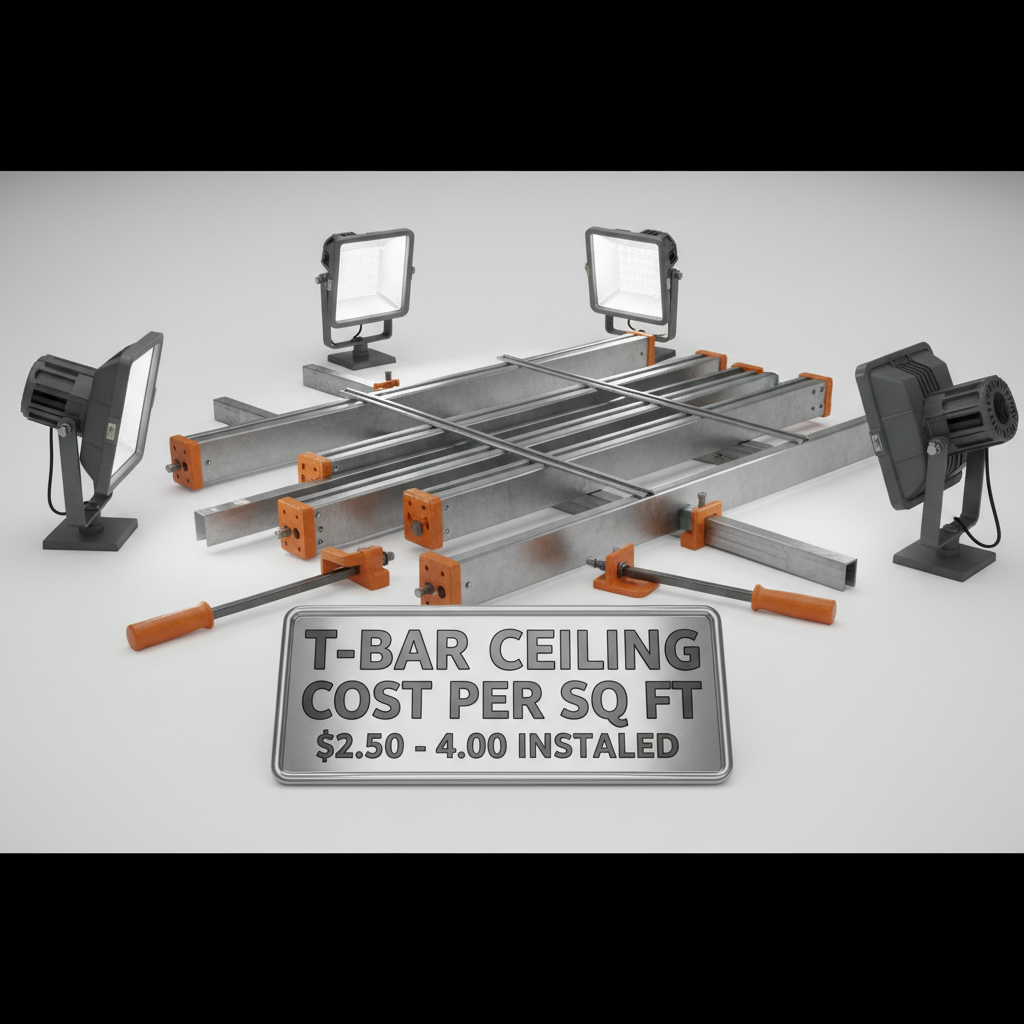
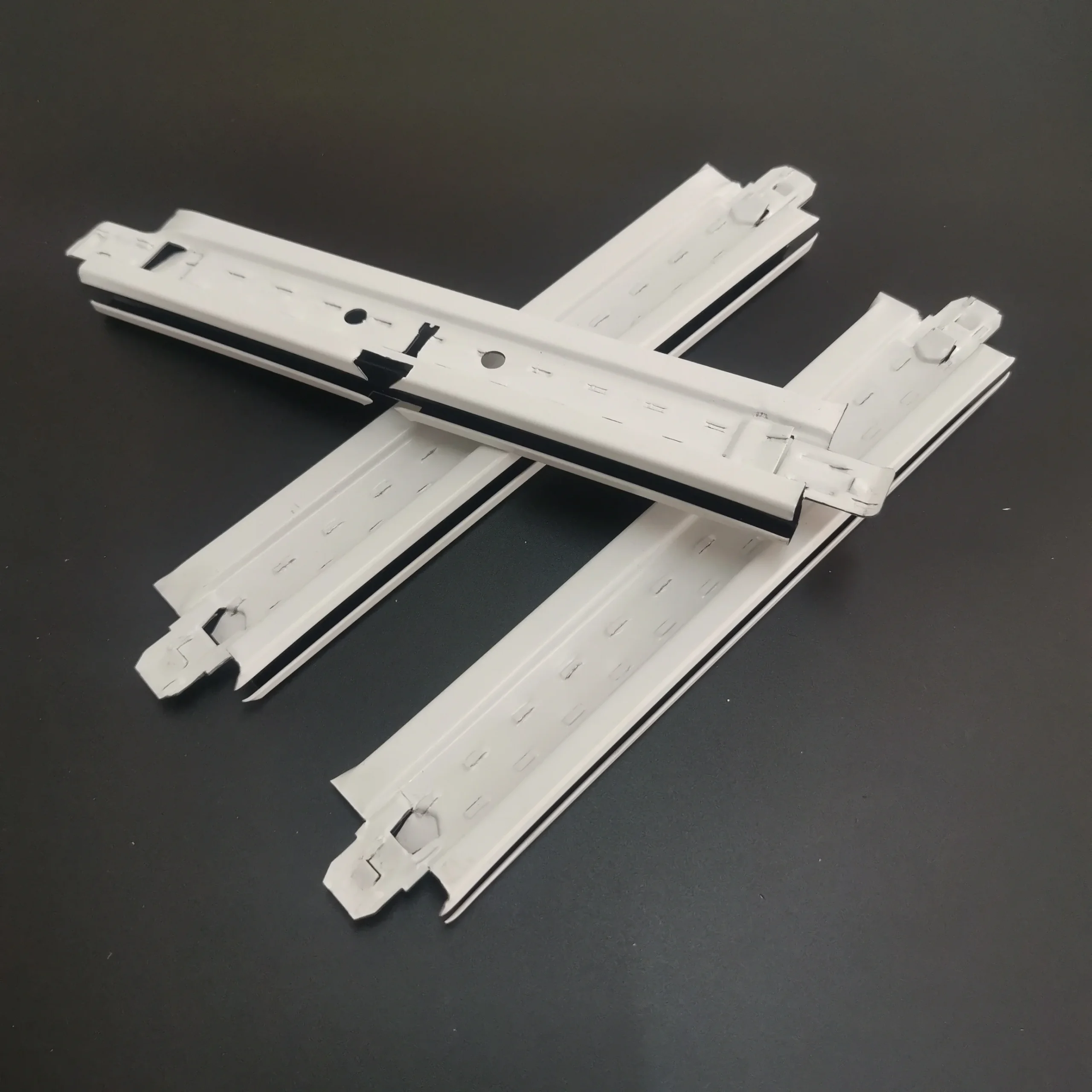
The cost of a t-bar ceiling isn’t a single number. Several key elements contribute to the overall expense. These include the type of ceiling tiles chosen (mineral fiber, fiberglass, metal), the grid system material (galvanized steel, aluminum), the size of the area being covered, labor costs for installation, and any additional features like lighting or acoustic panels. Higher-quality materials generally come with a higher price tag but offer improved durability and performance. The complexity of the installation, such as incorporating bulkheads or unusual angles, will also affect labor costs. Understanding these factors is the first step in accurately estimating your project expenses.
Key Considerations: Material quality, area size, installation complexity, and labor rates all play a significant role in the final cost of your t-bar ceiling.
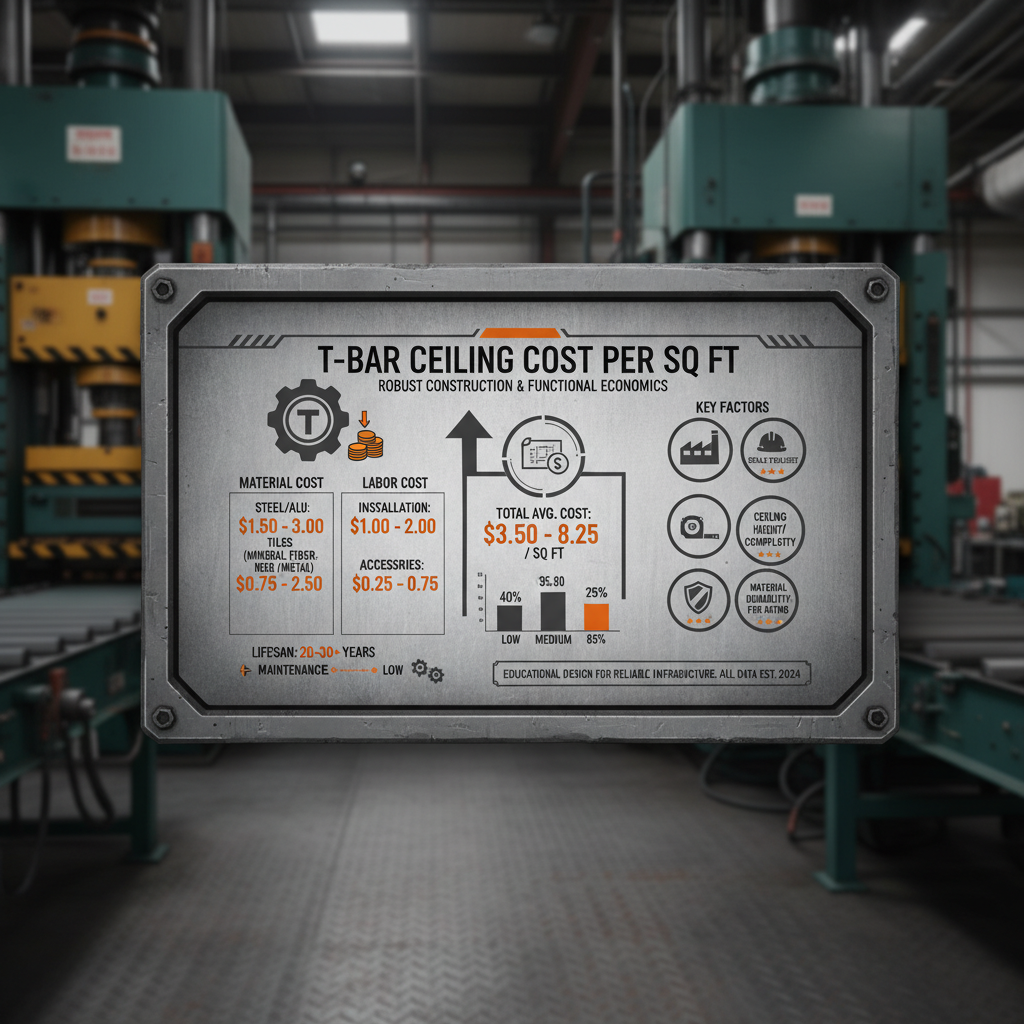
Let's look at the individual cost components. Ceiling tiles typically range from $0.50 to $2.00 per square foot, depending on the material and design. The grid system usually costs between $0.80 and $1.50 per square foot. Installation labor can range from $1.50 to $3.00 per square foot, depending on your location and the contractor's rates. Don't forget to factor in costs for removal and disposal of existing ceilings, if applicable, and any necessary permits or inspections. These ancillary costs can add up quickly, so it's important to get a detailed quote that includes everything.
Cost Components:
• Ceiling Tiles: $0.50 - $2.00 per square foot
• Grid System: $0.80 - $1.50 per square foot
• Installation Labor: $1.50 - $3.00 per square foot
• Removal & Disposal: Variable
The material of your ceiling tiles drastically impacts the t bar ceiling cost. Mineral fiber tiles are the most economical option, generally costing between $0.50 and $1.00 per square foot. Fiberglass tiles offer better sound absorption but are slightly more expensive, ranging from $0.80 to $1.50 per square foot. Metal tiles are the most expensive option, costing between $1.50 and $3.00 per square foot, but provide exceptional durability and a modern aesthetic. Consider the acoustic properties, moisture resistance, and aesthetic preferences for your space when making your decision.
Labor costs, a significant component of the overall t bar ceiling cost, vary considerably by location. Larger metropolitan areas generally have higher labor rates than rural areas. Factors like local demand, unionization, and the cost of living all contribute to these variations. It’s essential to get quotes from several contractors in your area to get an accurate assessment of labor costs. Remember to check their credentials and experience before making a decision.
There are several ways to minimize your t-bar ceiling expenses. Consider using standard-sized tiles to reduce waste and cutting. DIY installation can save on labor costs, but only if you have the necessary skills and experience. Shop around for materials and compare prices from different suppliers. Finally, avoid unnecessary add-ons or features that don’t contribute to the functionality of the ceiling. Careful planning and smart shopping can significantly reduce your overall project cost.
By understanding the factors that influence t bar ceiling costs and implementing smart budgeting strategies, you can achieve a beautiful and functional suspended ceiling without breaking the bank. Contact JinkaiBM today for a free quote and expert advice!
The average cost to install a t-bar ceiling in a 1,000 sq ft room typically ranges from $3,000 to $6,000. This estimate includes materials (tiles, grid system) and labor. However, this price can fluctuate significantly based on the factors mentioned earlier: the type of tile, grid material, complexity of the installation, and your geographical location. Getting multiple quotes from contractors is highly recommended.
Yes, it’s possible to install a t-bar ceiling yourself, but it requires a good understanding of construction techniques, careful planning, and the right tools. It's a physically demanding job that involves working at height and requires precision to ensure a level and aesthetically pleasing result. If you're not comfortable with these aspects, it's best to hire a professional installer.
A properly installed and maintained t-bar ceiling can last for 20-30 years. However, the lifespan can be affected by factors such as humidity, temperature fluctuations, and the quality of the materials used. Regular inspection and cleaning can help extend its life. Replacing damaged tiles promptly is also important.
T-bar ceilings can offer some degree of soundproofing, particularly when combined with acoustic ceiling tiles. The tiles absorb sound waves, reducing noise transmission. However, the level of soundproofing depends on the tile's Noise Reduction Coefficient (NRC) rating. Higher NRC ratings indicate better sound absorption. For critical soundproofing applications, consider adding insulation above the ceiling tiles.