Hit enter to search or ESC to close
June 23, 2026
When designing a modern commercial or industrial space, lighting is not just about visibility; it is about efficiency, aesthetics, and functionality. A professional ceiling light grid provides the essential framework for integrating lighting fixtures seamlessly into a suspended ceiling. Whether you are managing a large-scale office renovation or upgrading a retail warehouse, the right grid system ensures an even distribution of light while maintaining a clean, architectural look. In this comprehensive guide, we will explore the technical aspects, benefits, and installation tips to help you make an informed decision for your infrastructure.

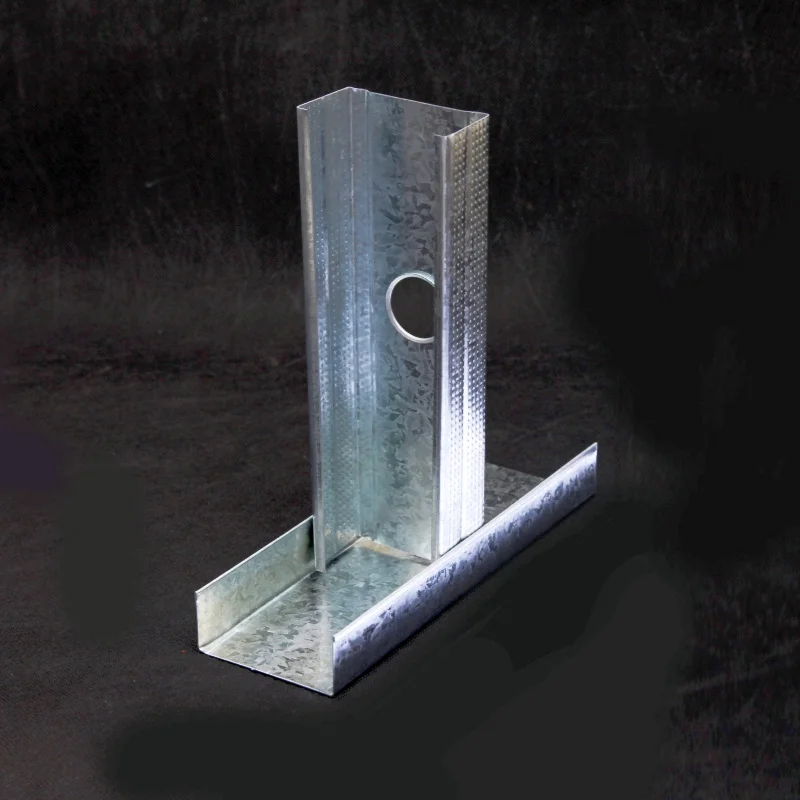
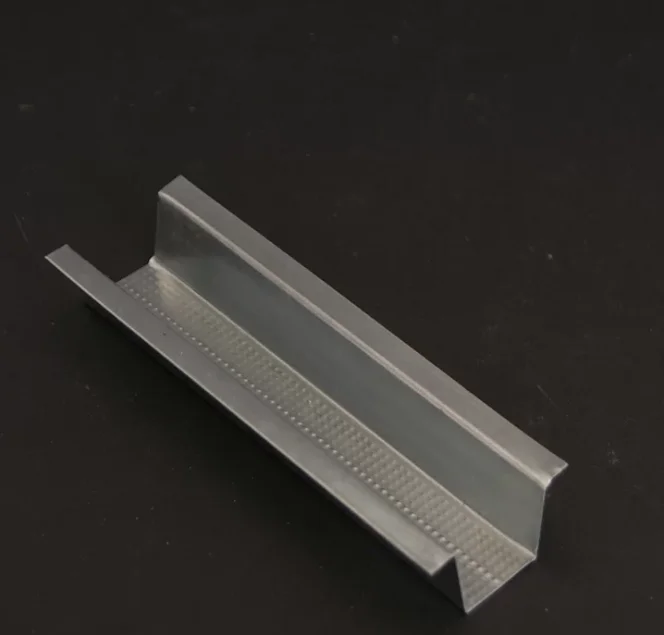
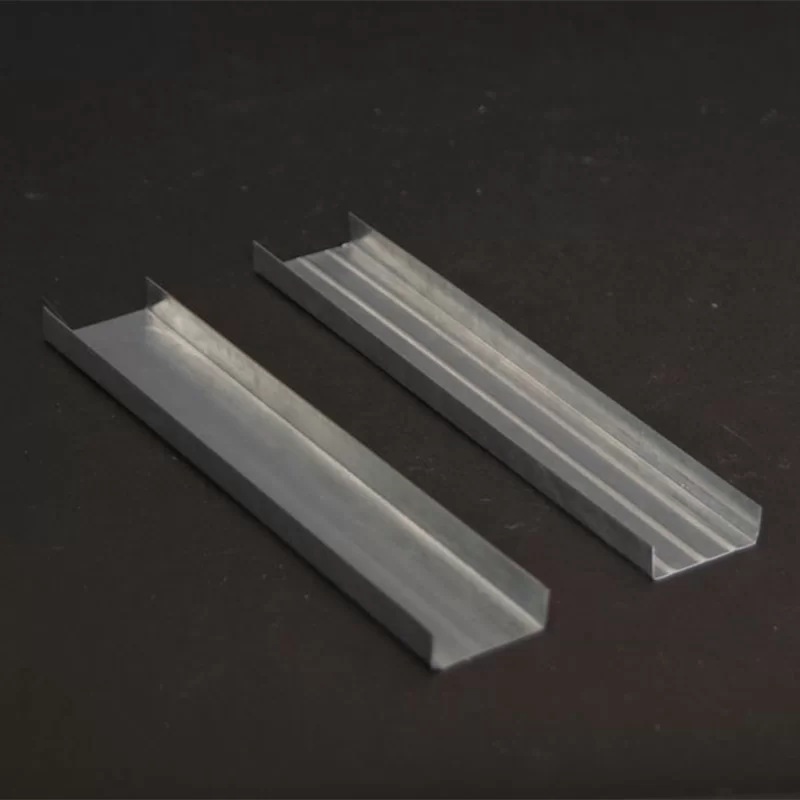
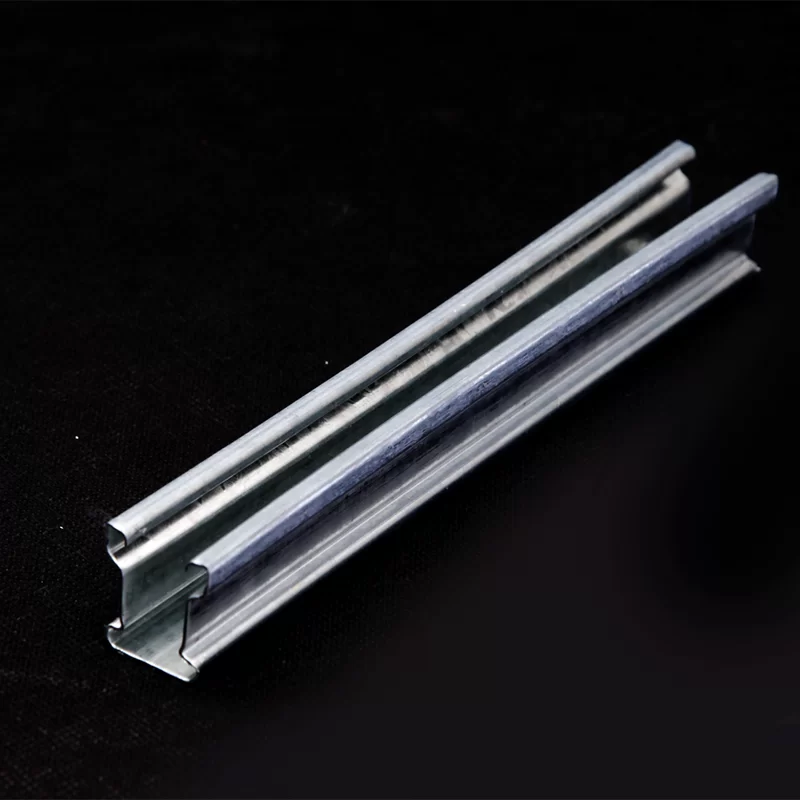
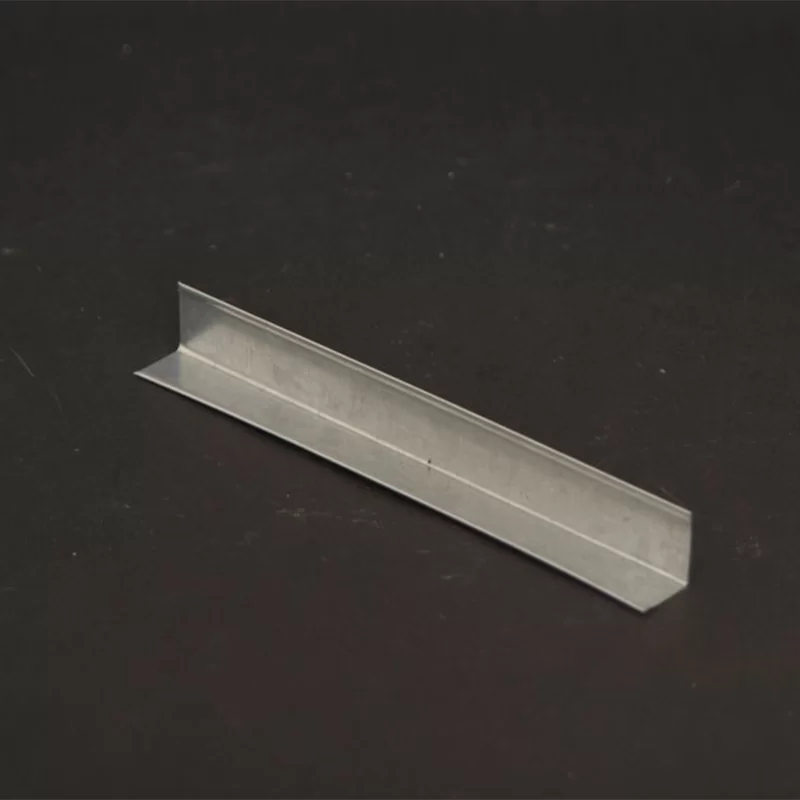
A ceiling light grid consists of a network of T-bars and main runners that support ceiling tiles and recessed lighting. The primary goal is to create a modular environment where electrical wiring can be concealed above the grid, while the light panels sit flush with the surface. Modern grids are typically made from galvanized steel or aluminum to prevent corrosion and ensure long-term structural integrity. By utilizing a standardized grid, facility managers can easily replace bulbs or upgrade to LED panels without dismantling the entire ceiling structure, significantly reducing maintenance costs and downtime.
Pro Tip: Always consider the weight of your lighting fixtures. High-density LED panels require a more robust grid gauge to prevent sagging over time.
Implementing a structured ceiling light grid offers more than just a place to hang lights. It enhances the overall acoustic performance of a room by allowing the integration of sound-absorbing tiles alongside lighting. Furthermore, it provides unparalleled flexibility; as business needs change, the layout of the lighting can be reconfigured by simply moving the grid components. This modularity is essential for open-plan offices where desk arrangements frequently shift. Additionally, the clean lines provided by a professional grid contribute to a high-end corporate image, making the space feel more organized and modern.
Advantages at a Glance:
• Easy access to HVAC and electrical wiring
• Uniform light distribution across large areas
• Rapid installation and replacement cycles
• Customizable dimensions for various room sizes
Choosing between steel and aluminum for your ceiling light grid depends on your specific environmental needs. Steel is renowned for its strength and cost-effectiveness, making it the standard for most office environments. However, in areas prone to moisture—such as commercial kitchens or laboratories—aluminum is the superior choice due to its natural resistance to rust. The following table provides a detailed comparison to help you determine which material aligns with your project goals.
The versatility of a ceiling light grid makes it an indispensable tool across various sectors. In healthcare facilities, grids are often combined with antimicrobial ceiling tiles to maintain sterile environments while ensuring shadow-free lighting for medical procedures. In retail showrooms, grids allow for the strategic placement of accent lighting to highlight specific products. Even in modern warehouses, a high-bay grid system can be used to organize lighting and smoke detection systems. By choosing a scalable grid, businesses can ensure that their lighting infrastructure grows alongside their operational needs.

When ordering a ceiling light grid, it is critical to understand the technical specifications to ensure compatibility with your light panels. Standard sizes usually follow a 2x2 or 2x4 foot module, but custom dimensions are available for specialized architectural designs. The thickness of the steel (gauge) determines the load-bearing capacity, which is vital for heavy-duty integrated lighting. Below are the common specifications for a commercial-grade system:
To ensure that your ceiling light grid remains in peak condition, regular inspections are recommended. Over time, vibrations from HVAC systems or the weight of heavy light fixtures can cause slight misalignment. Periodically checking the suspension wires and adjusting the leveling ensures the grid remains perfectly flat, which is essential for a professional aesthetic. Additionally, cleaning the grid surface with a damp, non-abrasive cloth prevents dust accumulation from affecting the light reflection. By investing in high-quality materials and following a simple maintenance schedule, you can extend the lifespan of your ceiling infrastructure for decades.
A well-planned ceiling light grid is the foundation of efficient commercial lighting. By balancing material choice, technical specifications, and strategic installation, you can create an environment that is not only visually appealing but also highly functional and easy to maintain. Whether you prioritize the strength of steel or the resilience of aluminum, choosing a professional system ensures your workspace remains bright, safe, and adaptable to future growth. Invest in quality today to light up your tomorrow.
Choosing the right size depends on the dimensions of your room and the specific lighting panels you intend to use. The most common industrial standards are 600x600mm (2x2 ft) and 600x1200mm (2x4 ft). To decide, first measure the total ceiling area and determine the required lumen output for your activity. Larger grids (2x4) are often better for general ambient lighting in wide corridors, while smaller grids (2x2) provide more flexibility for targeted lighting in smaller offices or cubicles. Always ensure your grid dimensions match the panel sizes to avoid unsightly gaps.
Yes, ceiling light grids are increasingly popular in modern residential designs, especially in home offices, basements, or garages. They offer a "loft-style" industrial aesthetic and make it incredibly easy to access plumbing or electrical wires hidden in the ceiling. However, for home use, we recommend using a lightweight aluminum grid and decorative acoustic tiles to ensure the space doesn't feel too "clinical." Ensure that the suspension system is securely anchored to the residential ceiling joists to maintain safety and stability.
A T-bar grid is a visible support system where the ceiling tiles and lights simply "lay-in" on top of the rails. It is the fastest to install and easiest to maintain. A clip-in grid, on the other hand, uses a hidden spring mechanism to hold the panels tightly against the grid, creating a seamless, flat surface where the rails are almost invisible. Clip-in systems are preferred for high-end architectural projects where a minimalist look is desired, although they require more precision during installation and a bit more effort to remove panels for maintenance.
For most commercial environments, a visual inspection every 12 to 24 months is sufficient. You should look for signs of "bowing" or sagging in the main runners, which could indicate that the lighting fixtures are too heavy for the grid gauge or that a suspension wire has loosened. In industrial settings with heavy machinery that causes vibrations, quarterly checks are recommended. Keeping the grid level not only ensures the aesthetic quality of the room but also prevents the lighting panels from shifting or falling, ensuring the safety of everyone in the building.