Hit enter to search or ESC to close
October 23, 2026
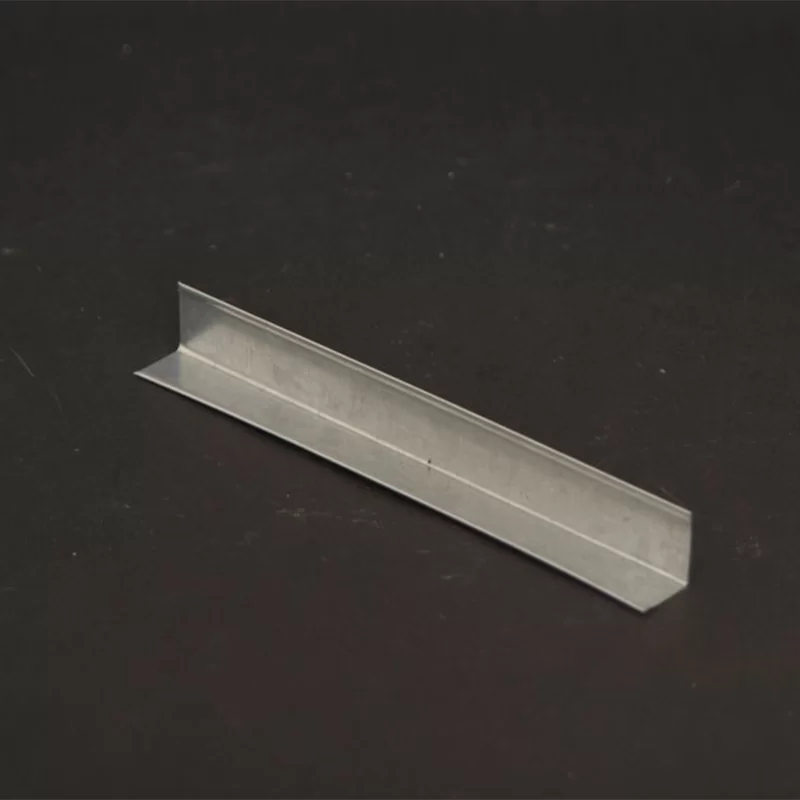
Procurement schedules for weep plasterstop components require strict alignment with discrete dimensions and volume criteria rather than estimated logistical timelines. When evaluating supplier proposals, purchasing teams rely exclusively on verified parameters without assuming unprovided transit data.
Specific size variants dictate the structural framework for inventory planning.
Operational workflows depend entirely on documented parameters.
Initial commercial inquiries depend strictly on precise dimensional parameters and linear constraints. Available thickness options span 3/4'' (19mm), 5/8'' (15.8mm), and 1/2'' (12.7mm).
Calculations map these linear specifications directly to incoming vendor proposals without assuming unverified warehouse stock.
Procurement teams evaluate bulk distribution batches through structured inquiry fields that isolate each physical dimension.
Systematic comparison of vendor proposals relies on matching specific size variations against stated length profiles of 10' (3050mm) and 12' (3660mm). Quotations are reviewed by cross-referencing piece counts with linear footage limits.
Procurement review templates require distinct verification questions for every size bracket.
| material | size | Procurement Check Question |
|---|---|---|
| Galvanized Steel G330 with zinc coating G60 | 3/4'' (19mm) | What is the minimum batch quantity established for 10' (3050mm) lengths? |
| Galvanized Steel G330 with zinc coating G60 | 5/8'' (15.8mm) | How are piece counts distributed across 12' (3660mm) profile orders? |
| Galvanized Steel G330 with zinc coating G60 | 1/2'' (12.7mm) | Are linear footage totals reconciled against discrete bundle allocations? |
Discrete length options of 10' (3050mm) and 12' (3660mm) govern warehouse configuration parameters during initial order planning.
Dimensional variants spanning 3/4'' (19mm), 5/8'' (15.8mm), and 1/2'' (12.7mm) sizes require precise sorting mechanisms to prevent inventory mixing before transport scheduling takes place.
Transport schedules are impacted directly by mixed profile lengths, requiring careful weight and volume distribution across freight carriers.
Handling requirements for distinct linear dimensions dictate specific staging protocols on the loading dock.
Warehouse staging bays organize bundles by length to streamline carrier loading operations and minimize transit shifting risks.
Manufacturing allocation schedules for specified steel dimensions dictate active production queue statuses when bulk orders enter the plant floor. Order confirmation timestamps establish the baseline for tracking output cycles through designated fabrication lines. Output tracking monitors each stage from raw stock entry to final staging bays.
When queue volumes peak, delivery milestones shift automatically based on confirmed factory output rates. Dispatch readiness is confirmed only after fabrication cycles conclude for the designated batch quantities.
Commercial milestone dates link directly to active plant fabrication output cycles without relying on estimated transit projections. Production planners cross-reference current shop floor capacity with incoming purchase orders before locking in dispatch dates.
Factory allocation logs record the exact timeframe from initial order confirmation to final dispatch readiness.
| Parameter Field | Operational Milestone | Verification Focus for Commercial Evaluation |
|---|---|---|
| Output Cycle | Production Queue Status | Does the queue status reflect active allocation for the ordered batch? |
| Timeframe Tracking | Order Confirmation to Dispatch Readiness | Are manufacturing output cycles aligned with confirmed delivery milestones? |
| Fabrication Schedule | Plant Allocation Review | Do manufacturing schedules account for discrete dimension requirements? |
Factory queue statuses determine whether bulk orders meet agreed commercial milestone dates.
Carrier booking windows are calculated directly from the linear profiles of 10' (3050mm) and 12' (3660mm) bundles.
Transport capacity depends on linear parameters.
Loading bays assess physical dimensions before dispatch.
Trailers must accommodate 10' (3050mm) and 12' (3660mm) lengths without overhang violations.
Receiving docks synchronize handover schedules with transport availability.
Documentation verification precedes carrier release.
Inbound shipment processing begins at the loading dock upon arrival, where cargo handlers unpack transport units for physical assessment. Warehouse personnel cross-reference delivered quantities against initial purchase order specifications to confirm piece count accuracy before routing items to storage staging areas.
Physical dimension parameters are recorded immediately during offloading. Workers measure incoming items against explicit size criteria.
Systematic inbound inspection checklists govern the physical verification of received batches.
Structured log templates capture any administrative or dimensional variance discovered during the offloading process.
| material | size | Receiving Verification Status |
|---|---|---|
| Galvanized Steel G330 with zinc coating G60 | 3/4'' (19mm), 5/8'' (15.8mm), 1/2'' (12.7mm) | Pending Inbound Inspection |
| Galvanized Steel G330 with zinc coating G60 | Length: 10' (3050mm), 12' (3660mm) | Pending Inbound Inspection |
Procurement teams acknowledge the absence of external testing certificates in supplier files.
Administrative reviews rely strictly on stated material and dimension parameters for evaluation. Every submitted proposal undergoes line-item verification against the provided linear measurements and alloy descriptions without introducing external testing criteria.
Procurement records maintain transparent tracking regarding unverified claims by omitting unsupported performance assertions from review logs.
Consistent review methods are applied across all vendor proposals during technical evaluation.
Administrative workflows cross-reference length profiles and profile widths directly against initial intake documents to preserve review integrity. Decisions remain anchored to verifiable specifications rather than unbacked metrics.
| Review Category | Evaluation Basis |
|---|---|
| Alloy Details | Stated Alloy Description |
| Size Profiles | Provided Length and Width Values |
Initial inquiries for weep plasterstop must specify the exact material and dimension configurations. Buyers examine discrete length options of 10' (3050mm) and 12' (3660mm) alongside width profiles of 3/4'' (19mm), 5/8'' (15.8mm), and 1/2'' (12.7mm). Quantities are mapped directly against these stated physical dimensions without assuming external tolerances.
Linear product dimensions dictate freight booking windows for outbound shipments of weep plasterstop. Loading requirements depend on whether the carrier handles 10' (3050mm) units or 12' (3660mm) lengths. Warehouse receiving schedules must coordinate closely with transit documentation checks prior to carrier handover.
Inbound inspection checklists verify delivered piece counts against initial purchasing documentation upon arrival. Physical dimensions are recorded immediately to check consistency across the received batches. Structured log templates capture any dimensional variations or sorting discrepancies before inventory placement.
Evaluations rely strictly on the stated material and dimension parameters provided in the vendor files. Unverified claims receive consistent internal review without assuming unlisted standards or regulatory compliances. Transparent procurement records document all missing file identifiers during preliminary screening.
Comparative templates cross-reference piece counts against exact linear footage limits for each dimension. Each vendor proposal is measured by matching specific width sizes and length options within a unified matrix. This structure isolates variable batch quantities without relying on estimated logistical timelines.
Formalized purchasing requests incorporate precise structural parameters for Galvanized Steel G330 with zinc coating G60 components. Every tender document specifies linear measurements of 10' (3050mm) and 12' (3660mm) alongside profile widths of 3/4'' (19mm), 5/8'' (15.8mm), and 1/2'' (12.7mm).
Commercial officers issue complete procurement documentation through standardized inquiry templates. These procurement records prevent specification drift during supplier selection.