Hit enter to search or ESC to close
October 13, 2025
In the rapidly evolving world of architectural design and interior aesthetics, the demand for sophisticated, unobtrusive lighting solutions has never been higher. Gone are the days of bulky fixtures that disrupt clean lines; today's designers and homeowners seek seamless integration, where light emanates from within the very structure of a space. This quest for integrated brilliance culminates in the advent and widespread adoption of the drywall LED profile. More than just a channel for LED strips, these profiles represent a paradigm shift in how we perceive and implement illumination, transforming walls and ceilings into dynamic canvases of light. They are meticulously engineered to recess into drywall, creating a flush finish that is virtually invisible until the light is activated. This innovation is not merely about aesthetics; it's about optimizing light dispersion, enhancing thermal management for prolonged LED life, and achieving a level of architectural precision previously unattainable with surface-mounted or even traditional recessed lighting. The market for integrated lighting solutions, including drywall LED profiles, is experiencing robust growth, propelled by a global emphasis on energy efficiency, minimalist design trends, and the increasing versatility of LED technology. Industry reports suggest the architectural LED lighting market alone is projected to reach over $30 billion by 2027, with integrated solutions like these playing a pivotal role in this expansion. This growth is a clear indicator of a fundamental shift in design philosophy, where lighting is no longer an afterthought but an intrinsic element of a building's very fabric, defining spaces and influencing ambiance with unprecedented subtlety and sophistication.
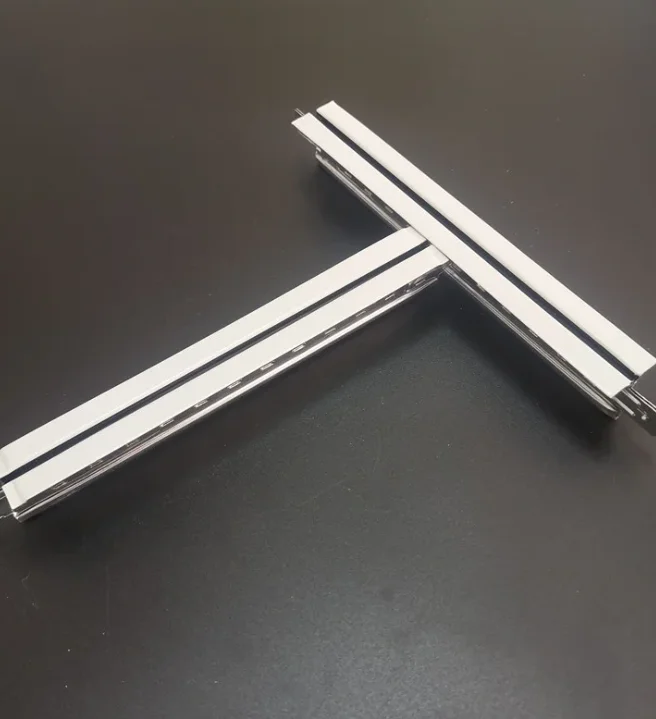
The core advantage of drywall LED profiles lies in their meticulous engineering and the superior materials used in their construction, typically high-grade extruded aluminum. This choice of material is critical for several technical reasons. Firstly, aluminum is an excellent thermal conductor, effectively dissipating heat generated by the LED strips. This thermal management is paramount for ensuring the longevity and consistent performance of the LEDs, preventing premature degradation of light output and color quality. Without proper heat management, LEDs can rapidly lose their efficiency and lifespan, making the profile an indispensable component of a durable lighting system. Secondly, the precise extrusion process allows for incredibly tight tolerances, ensuring a perfect fit within standard drywall thicknesses and a flawless, gap-free installation. This precision is what contributes to the truly seamless look, eliminating visible bezels or frames that would detract from the minimalist aesthetic. Furthermore, these profiles are designed to accommodate various diffuser options, ranging from frosted to opal, which play a crucial role in light quality. A high-quality diffuser transforms individual LED points into a continuous, uniform line of light, eliminating hotspots and creating a soft, even glow that enhances the overall ambiance of a room. This light diffusion is not just about aesthetics; it also reduces glare, contributing to a more comfortable and visually pleasing environment. Beyond the material and diffusion, the structural integrity of these profiles offers inherent protection for the delicate LED strips, shielding them from dust, moisture, and accidental physical damage, thereby extending their operational life in diverse environments from residential living spaces to high-traffic commercial settings. The ease of installation, often involving simple screw-in or clip-in mechanisms that blend seamlessly with standard drywall finishing techniques, further underscores their technical and practical superiority.
The burgeoning market for integrated lighting solutions reflects a significant shift in consumer and professional preferences. Architects, interior designers, and property developers are increasingly prioritizing minimalist design principles, where lighting fixtures are not merely functional but also integral to the architectural language of a space. This trend is a major driver for the adoption of drywall LED profiles. Furthermore, global initiatives promoting energy efficiency and sustainable building practices have fueled the demand for LED technology. LEDs consume significantly less energy than traditional lighting sources and boast a much longer lifespan, translating into lower operational costs and reduced environmental impact. For instance, replacing traditional incandescent or fluorescent lighting with LED systems can result in energy savings of 50-80%, a compelling figure for any project. The aesthetic appeal of invisible lighting, where the source of illumination is concealed, provides an unparalleled level of sophistication and modernity. This design flexibility allows for creative lighting schemes that can highlight architectural features, create stunning ambient effects, or provide focused task lighting without visual clutter. The impact on design freedom is profound; designers are no longer constrained by the bulky forms of conventional fixtures and can conceptualize spaces where light itself becomes the primary design element. This shift has also led to a burgeoning ecosystem of manufacturers offering specialized profiles for various applications, from cove lighting and accent lighting to primary illumination, catering to a diverse range of project requirements and design aspirations. The ongoing advancements in LED technology, coupled with decreasing costs of production, ensure that these integrated solutions remain both cutting-edge and increasingly accessible, further solidifying their position as a cornerstone of contemporary interior design.
The market for drywall LED profiles is competitive, with numerous manufacturers offering a variety of products. While the basic concept remains consistent – an aluminum channel for recessed installation – key differences in material quality, design innovation, ease of installation, and warranty can significantly impact project outcomes and long-term satisfaction. Understanding these distinctions is crucial for making an informed choice. Some manufacturers prioritize ultra-slim designs for maximum discretion, while others focus on robust construction for high-traffic areas. Diffuser quality varies widely, with some brands offering superior light diffusion and color rendering index (CRI) performance. Installation mechanisms can range from simple clip-in systems to more complex screw-fastened solutions, each with its own advantages depending on the installer's expertise and the specific project requirements. Moreover, the availability of compatible accessories, such as end caps, corner connectors, and mounting brackets, can streamline the installation process and ensure a professional finish. Pricing, of course, is another critical factor, often reflecting the quality of materials, precision of manufacturing, and the extent of post-sales support and warranty offered. Below is a comparative overview of typical features one might consider when evaluating different manufacturers, illustrating the diverse offerings in the market:
Feature/Manufacturer | Premium Pro-Light Solutions | Integrated Illumination Co. | Seamless Structures Inc. |
Material Grade | Aircraft-grade 6063-T5 Aluminum | High-purity 6063 Aluminum | Standard 6063 Aluminum Alloy |
Diffuser Type | UV-resistant PC (Opal, Frosted, Clear) | Acrylic (Frosted, Opal) | Polycarbonate (Frosted) |
Typical Widths Available | 16mm, 25mm, 38mm, 50mm | 16mm, 25mm, 40mm | 16mm, 20mm, 30mm |
Installation Mechanism | Snap-in clips, Screw mounts | Spring clips, Adhesive mounts | Screw-through flange |
Thermal Management Efficiency | Excellent (Thick wall extrusion) | Very Good (Standard wall extrusion) | Good (Thinner wall extrusion) |
Warranty (Standard) | 10 Years | 5 Years | 3 Years |
Price Range (per meter) | $$$ | $$ | $ |
Customization Options | Extensive (Length, finish, bespoke designs) | Moderate (Length, limited finish) | Basic (Standard lengths only) |
This table provides a generalized snapshot; actual specifications will vary. Researching specific product lines and reading independent reviews is always recommended to ensure the chosen profile aligns perfectly with the project's technical and aesthetic requirements. Factors like the depth of the profile, the ability to conceal wiring, and compatibility with smart lighting systems also contribute to the overall value proposition of a given manufacturer.
One of the most compelling aspects of modern integrated lighting, particularly with drywall LED profiles, is the vast potential for customization. These systems are inherently flexible, allowing designers and installers to go beyond standard lengths and configurations to create truly bespoke lighting solutions that perfectly align with unique architectural visions. Customization can involve several dimensions, starting with the dimensions of the profile itself. While standard widths and depths exist, manufacturers are increasingly offering made-to-order profiles to fit unconventional wall or ceiling thicknesses, or to accommodate specific aesthetic requirements for wider or narrower light lines. For instance, a bespoke profile might be deeper to allow for multiple rows of LED strips for higher lumen output, or incredibly shallow to fit into very limited void spaces. The length of the profiles can be precisely cut to minimize waste and ensure continuous runs without unsightly joins, which is crucial for achieving that seamless, uninterrupted line of light in long corridors or expansive ceilings. Furthermore, specialized corner pieces, both internal and external, can be fabricated to maintain light continuity around architectural features, ensuring a fluid transition that standard 90-degree connectors might interrupt. Beyond physical dimensions, the finish of the aluminum can be customized, from standard anodized silver to powder-coated black, white, or even custom colors to blend perfectly with the surrounding interior palette, whether the light is off or on. The choice of diffuser is another area for significant customization; options include different levels of translucency (from clear to super opal), anti-glare coatings, or even diffusers designed to optimize light output for specific wavelengths. For projects demanding advanced control, profiles can be designed to integrate with smart home automation systems, allowing for dynamic light control, color temperature adjustments (tunable white), and even full-color RGBW lighting, all managed through a centralized system or mobile application. This level of adaptability makes drywall LED profiles suitable for an extraordinary range of applications, transforming generic spaces into highly personalized, visually stunning environments that truly reflect the client's vision and the designer's creativity.
The versatility and aesthetic appeal of drywall LED profiles translate into a multitude of real-world applications across various sectors, demonstrating their power to transform spaces. In residential settings, these profiles are a cornerstone of modern interior design. They are frequently used to create stunning cove lighting effects, where indirect light washes ceilings or walls, adding depth and warmth to living rooms, bedrooms, and dining areas. Kitchens benefit immensely from integrated task lighting under cabinets or within custom shelving, providing bright, shadow-free illumination exactly where needed for food preparation. Bathrooms utilize them for sophisticated vanity lighting or to highlight architectural niches, creating a spa-like ambiance. The seamless nature ensures that the lighting does not compete with other design elements but rather enhances them, creating an understated yet powerful visual impact. In commercial environments, the applications are equally diverse and impactful. Retail spaces leverage these profiles for dramatic product display lighting, drawing attention to merchandise with clean, focused lines of light that don't distract from the products themselves. Offices and corporate lobbies use them for general ambient lighting, creating well-lit, professional spaces that promote productivity without visual clutter. The ability to create long, unbroken lines of light is particularly effective in corridors and hallways, guiding occupants and enhancing wayfinding. Hospitality venues, such as hotels, restaurants, and bars, employ drywall LED profiles to craft sophisticated and inviting atmospheres. From elegant wall grazers that highlight textured surfaces to subtle accent lighting in guest rooms and public areas, they contribute significantly to the overall guest experience, creating memorable and luxurious environments. Even in specialized applications like museums and art galleries, these profiles are used to illuminate exhibits with precision, ensuring that the focus remains on the artwork, while also providing the necessary light levels and UV protection for conservation. The capacity to integrate seamlessly into a variety of architectural styles, from ultra-modern minimalist to subtly traditional, underscores their universal appeal and broad applicability in creating truly functional and aesthetically pleasing illuminated spaces.
As architectural trends continue to lean towards minimalism, efficiency, and smart integration, the drywall LED profile stands as a pivotal component in achieving these design aspirations. Its inherent ability to blend seamlessly into the built environment while delivering high-quality, energy-efficient illumination makes it an indispensable tool for designers, architects, and installers alike. The enduring value of these profiles extends far beyond their initial aesthetic appeal; it encompasses their contribution to the longevity of LED systems through superior thermal management, their flexibility in creating custom lighting schemes, and their capacity to elevate the functional and emotional experience of a space. From subtle accent lighting in a residential kitchen to sophisticated general illumination in a commercial lobby, the impact of a well-designed and precisely installed drywall LED profile is profound. It allows light to become an architectural element itself, defining volumes, highlighting textures, and creating ambiance without drawing attention to its source. The continued innovation in materials, diffuser technologies, and smart control systems further solidifies its position as a future-proof lighting solution. Investing in high-quality drywall LED profiles is not merely a decision about light fixtures; it is an investment in the aesthetic integrity, energy efficiency, and long-term value of any built environment. As the demand for integrated and intuitive lighting grows, these profiles will continue to shape the way we perceive and interact with illuminated spaces, marking them as a cornerstone of modern architectural lighting design for years to come.
· What exactly is a drywall LED profile?
A drywall LED profile is an extruded aluminum channel specifically designed to be recessed and plastered into drywall or plasterboard, creating a flush, seamless linear lighting fixture. It houses LED strip lights and typically includes a diffuser to evenly spread the light, making the light source virtually invisible.
· Why should I choose a drywall LED profile over traditional recessed lighting?
Drywall LED profiles offer unparalleled aesthetic integration, creating a clean, minimalist look where light appears to emanate directly from the wall or ceiling without visible fixtures. They provide uniform, glare-free linear lighting, offer superior heat management for LED longevity, and allow for greater design flexibility compared to point-source traditional recessed lights.
· Are drywall LED profiles difficult to install?
Installation requires a certain level of skill in drywall finishing. The profiles are typically screwed or clipped into place within cut drywall openings, then mudded over, taped, sanded, and painted to achieve a seamless finish. While not inherently difficult for a professional, it's more involved than simply installing a surface-mounted fixture.
· What types of LED strips are compatible with these profiles?
Most drywall LED profiles are designed to accommodate standard LED strip lights (e.g., 8mm, 10mm, 12mm wide) operating at 12V or 24V. It's crucial to select LED strips that fit the internal dimensions of the specific profile and to consider lumen output, color temperature, and IP rating based on the application.
· Do these profiles come in different sizes and shapes?
Yes, drywall LED profiles are available in a wide range of widths, depths, and lengths to suit various design requirements and LED strip sizes. You can find profiles for standard wall thicknesses, deeper channels for higher light output, and even specialized corner or curved profiles for unique architectural features.
· How do drywall LED profiles manage heat from LED strips?
The aluminum construction of the profiles acts as a heat sink, drawing heat away from the LED strip and dissipating it into the surrounding air and drywall. This thermal management is crucial for maintaining the efficiency, brightness, and extended lifespan of the LED lights.
· Can drywall LED profiles be used in wet or outdoor environments?
Specific profiles are designed with higher IP (Ingress Protection) ratings, making them suitable for damp or even wet locations like bathrooms or covered outdoor areas. It's essential to ensure both the profile and the LED strip itself have the appropriate IP rating for the intended environment to prevent water ingress and electrical hazards.