Hit enter to search or ESC to close
November 7, 2025
In the intricate world of modern construction and interior design, the ceiling grid system often operates as an unsung hero. Far more than a mere structural element, it serves as the foundational framework for aesthetics, acoustics, thermal regulation, lighting integration, and critical utility access within a building. From sprawling commercial complexes to meticulously designed healthcare facilities and vibrant educational institutions, the integrity and performance of a building’s ceiling are directly tied to the quality of its underlying grid. As such, the selection of reliable and knowledgeable ceiling grid suppliers becomes a pivotal decision, influencing not only the initial construction phase but also the long-term operational efficiency, safety, and visual appeal of the space. This deep dive explores the multifaceted importance of these systems, highlighting technical advancements, economic benefits, customization possibilities, and the critical factors that distinguish leading suppliers in a competitive market.
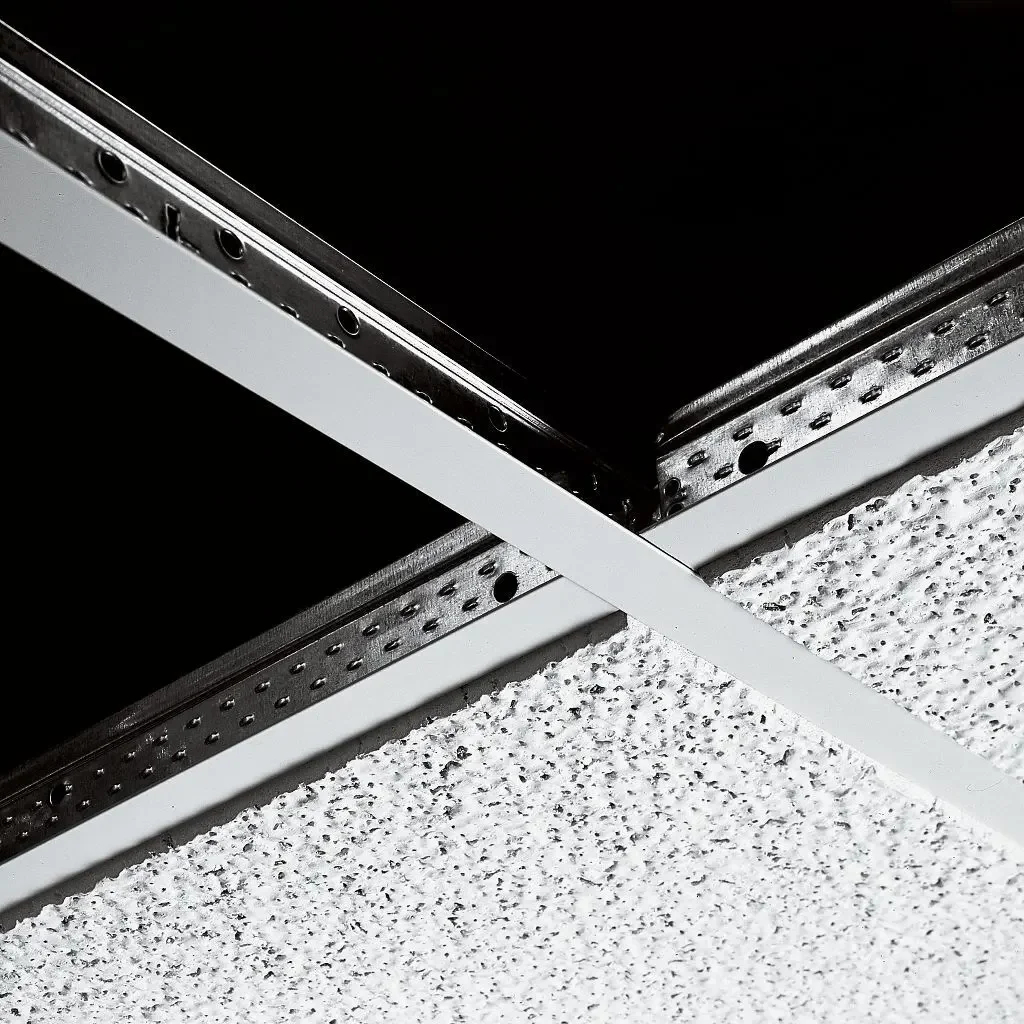
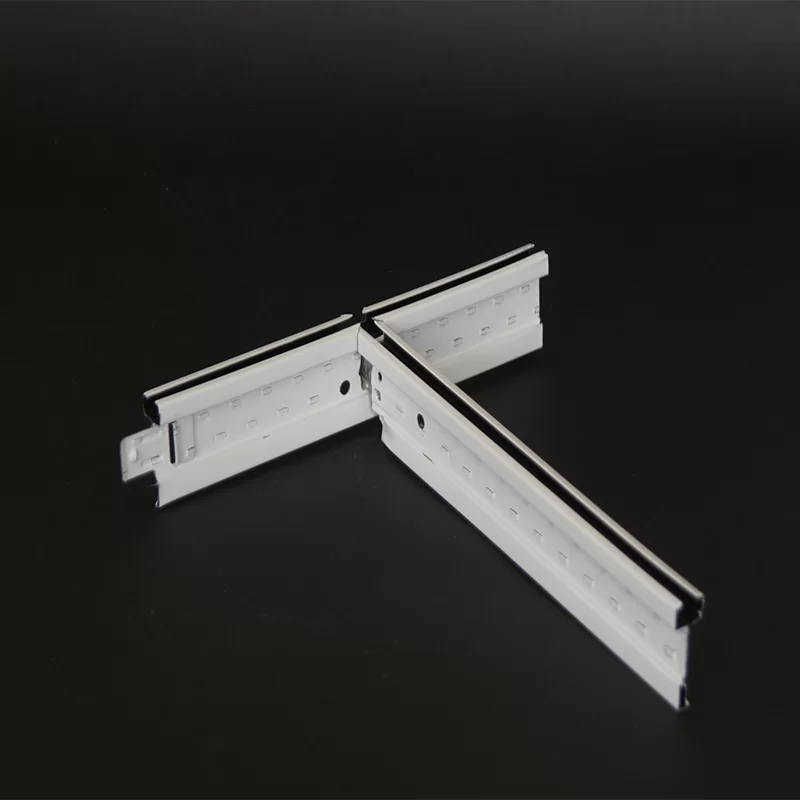
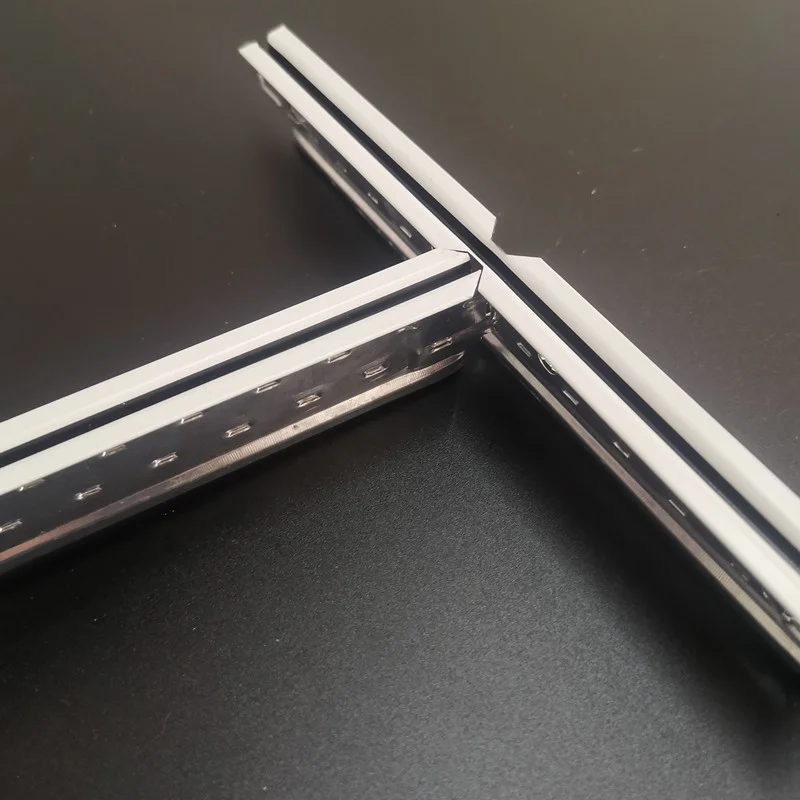
A ceiling grid is an interconnected network of metal components that suspend ceiling panels, lights, and other fixtures from the structural slab above. Historically, these systems were utilitarian, primarily focused on support. However, contemporary demands have propelled them into a realm of sophisticated engineering, where they must harmoniously integrate with smart building technologies, adapt to dynamic architectural visions, and meet stringent safety regulations. The evolution from basic T-bar systems to highly specialized, concealed, or seismic-rated frameworks underscores the industry's commitment to innovation. For project managers, architects, and contractors, understanding these nuances is crucial, making the relationship with a well-versed supplier a strategic asset. These suppliers are not just vendors; they are partners in problem-solving, offering expertise that can translate complex blueprints into tangible, high-performing environments.
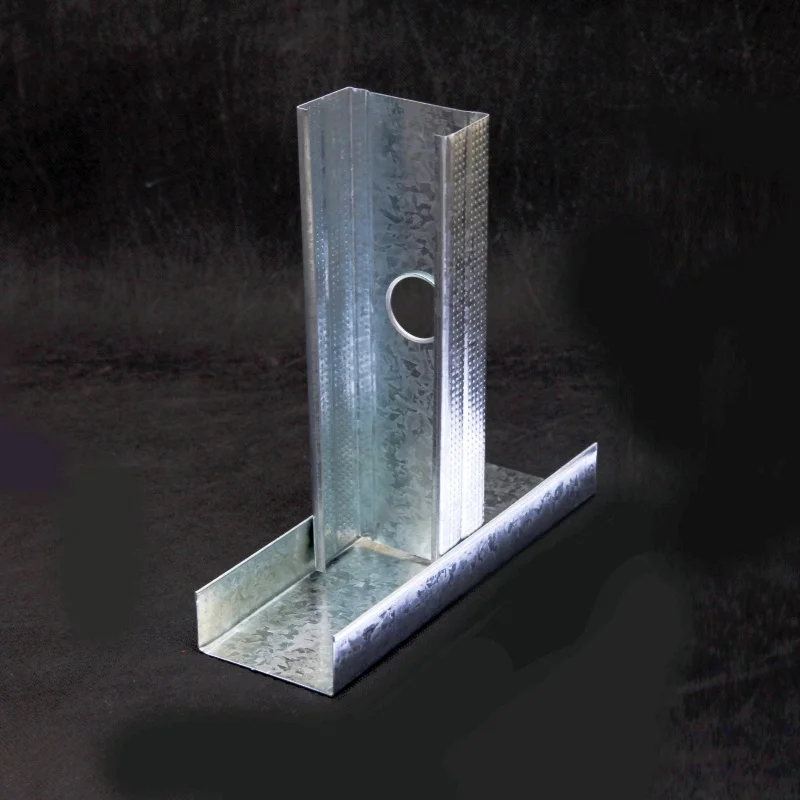
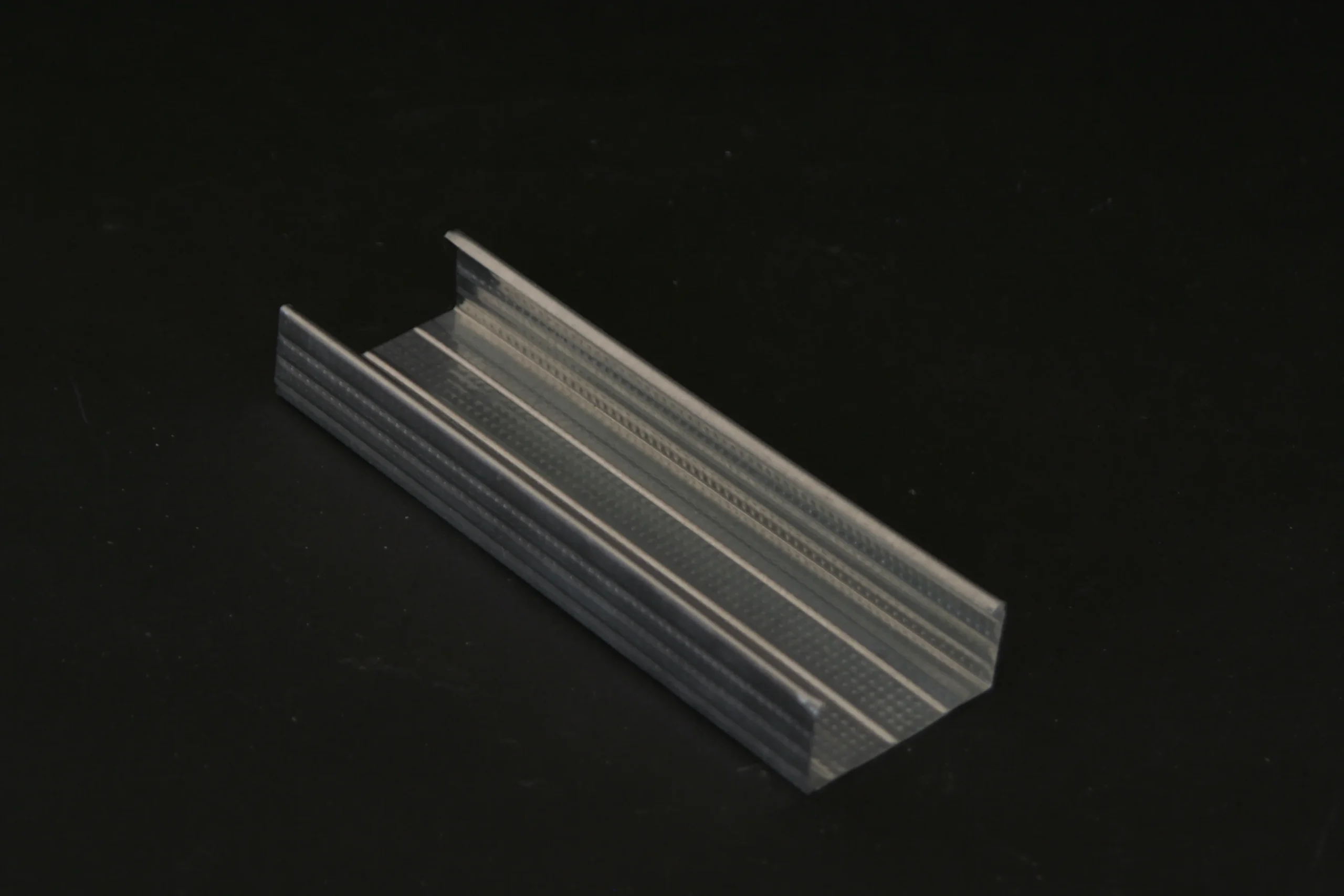
The technical prowess embedded within today’s ceiling grid systems represents a significant leap from previous generations. Modern grids are engineered using advanced materials such as galvanized steel, aluminum, and sometimes even specialized composites, each chosen for its inherent strength, corrosion resistance, and specific performance characteristics. Galvanized steel, for instance, offers exceptional durability and load-bearing capacity, making it a standard choice for a wide array of commercial and industrial applications where structural integrity is paramount. Aluminum, conversely, provides a lightweight solution, often preferred in environments where reduced structural load is desirable or in coastal regions where its inherent resistance to rust is a distinct advantage.
Beyond material composition, current grid designs incorporate features that address critical building safety and functional requirements. Fire ratings are a non-negotiable aspect, with many systems designed to maintain structural integrity for specific durations during a fire event, thus facilitating safe evacuation. Seismic performance is another crucial consideration, especially in earthquake-prone regions, where specialized grids are designed with articulated connections and bracing to absorb and dissipate seismic energy, preventing collapse. Acoustical performance is also paramount; advanced grids can integrate with high-performance ceiling panels to absorb sound, reducing reverberation and improving the overall sonic environment in spaces like offices, theaters, and classrooms. Furthermore, ease of installation has been refined, with manufacturers developing interlocking systems and intuitive assembly processes that significantly reduce labor time and costs while enhancing precision. This technical sophistication ensures that modern ceiling grids are not just supporting elements but active contributors to a building’s overall performance and safety profile.
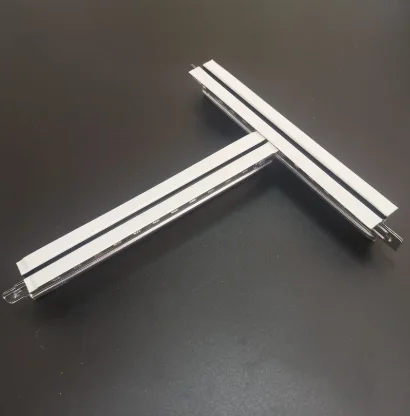
Investing in high-quality ceiling grid systems is not merely a capital expenditure; it’s a strategic decision with profound economic implications for any construction project. Data consistently reveals that upfront investment in superior materials and advanced designs translates into substantial long-term savings and enhanced operational efficiency. For instance, a recent study indicated that projects utilizing advanced, easy-to-install grid systems could see labor cost reductions of up to 15-20% compared to traditional, more cumbersome methods. This efficiency gain is particularly impactful in large-scale commercial builds where installation time directly correlates with project timelines and overall budget adherence.
Beyond installation, the durability and low maintenance requirements of modern grids offer significant lifecycle cost benefits. High-quality galvanized steel or aluminum grids exhibit superior resistance to corrosion, sagging, and wear, extending their lifespan considerably. This longevity reduces the frequency and cost of repairs or replacements, a factor often overlooked in initial budget projections but critical over a building’s decades-long operational period. Furthermore, the integration capabilities of contemporary grids—allowing for seamless incorporation of energy-efficient LED lighting, advanced HVAC systems, and optimized acoustic panels—contribute to lower operational energy consumption and improved indoor environmental quality, which can lead to higher occupant satisfaction and productivity. Consider the impact: buildings with superior internal environments can command higher rental yields, and reduced operational costs can boost property valuations. In essence, the data unequivocally supports that choosing robust, technically advanced ceiling grid systems is an investment that yields substantial returns, making it an economic imperative for forward-thinking developers and facility managers.
Selecting the right ceiling grid supplier is a critical decision that significantly impacts project timelines, budget, and the ultimate quality of the installation. The market is populated by numerous providers, each offering varying product ranges, levels of technical support, and logistical capabilities. To make an informed choice, it is essential to conduct a thorough comparative analysis, evaluating suppliers against key performance indicators. This process helps identify partners who not only offer competitive pricing but also deliver consistent quality, reliable service, and comprehensive support. Below is a comparative table illustrating a hypothetical evaluation framework that project managers might employ:
Criteria | Supplier Alpha | Supplier Beta | Supplier Gamma |
Product Range & Innovation | Extensive (standard, seismic, specialty); frequent new product releases. | Moderate (standard, some specialty); stable product line. | Limited (primarily standard T-bar); focus on cost-effectiveness. |
Material Quality & Certifications | Premium galvanized steel/aluminum; LEED, ASTM, ICC-ES certified. | Standard galvanized steel; ASTM certified. | Basic materials; generally compliant with local standards. |
Technical Support & Design Assistance | Full engineering support, BIM integration, dedicated project managers. | Standard technical documentation, phone support. | Basic product specifications. |
Lead Times & Logistics | Fast (2-4 weeks for custom, 1 week for stock); advanced logistics tracking. | Average (4-6 weeks for custom, 2 weeks for stock); standard shipping. | Longer (6-8 weeks for custom, 3 weeks for stock); basic shipping. |
Pricing Structure | Competitive for premium features; value-driven. | Mid-range; standard market rates. | Cost-leader; budget-focused. |
Warranty & Post-Sales Service | Comprehensive 25-year limited warranty; proactive support. | Standard 10-year limited warranty; reactive support. | Basic 5-year warranty; minimal post-sales. |
Industry Reputation & Track Record | Excellent, strong references from major projects. | Good, solid local reputation. | Fair, new to market or smaller project focus. |
This systematic comparison allows buyers to weigh product attributes against project-specific needs and budgetary constraints. A supplier's commitment to quality and innovation, evidenced by certifications and a robust product development pipeline, is often a predictor of long-term reliability. Similarly, strong technical support and efficient logistics can prevent costly delays and ensure smooth project execution. While pricing is always a factor, prioritizing the cheapest option without considering the broader impact on quality, longevity, and support can lead to higher overall project costs and potential future liabilities. Therefore, a balanced evaluation across these criteria is paramount for making a strategic supplier selection.
In an era where architectural ambition frequently pushes beyond conventional boundaries, the demand for bespoke ceiling grid solutions has surged. Modern projects often require systems that are not just functional but also seamlessly integrated with unique aesthetic visions or highly specialized environmental controls. This necessitates a collaborative approach with suppliers who possess the engineering expertise and manufacturing flexibility to deviate from standard offerings and craft customized solutions. Customization can manifest in several critical areas, transforming a basic grid into a cornerstone of a building's identity and performance.
One primary area of customization involves specialized finishes. While standard white or black grids are common, architects may specify unique powder-coated colors to match brand identities, blend with intricate ceiling panel designs, or create dramatic visual effects. Metallic finishes, wood grain textures, or even custom perforations can turn a utilitarian grid into a sophisticated design element. Beyond aesthetics, functional customizations are equally vital. Projects with unusually high load-bearing requirements, such as those suspending heavy artistic installations or specialized medical equipment, demand grids engineered for enhanced structural capacity. Similarly, environments like cleanrooms, laboratories, or data centers require grids with specific airtightness, antimicrobial properties, or electromagnetic interference shielding. Acoustic performance can be fine-tuned with integrated sound barriers or specialized grid profiles designed to work in conjunction with high-performance acoustical panels. Moreover, dimensional flexibility is key for non-standard room layouts or complex ceiling geometries, where custom-cut mains and cross tees ensure a perfect fit and a refined appearance. Leveraging Building Information Modeling (BIM) tools, leading suppliers can co-create these bespoke solutions with design teams, ensuring precise specifications and seamless integration from conception to installation, ultimately empowering architects to realize even their most ambitious designs without compromise.
The versatility and adaptability of advanced ceiling grid systems enable their widespread application across a diverse spectrum of building types, each with its unique demands and operational imperatives. Understanding how different grid types and customizations serve these varied environments illustrates their critical role in modern construction. In corporate office spaces, for instance, exposed T-bar systems are often preferred for their cost-effectiveness and ease of access to the plenum for maintenance of HVAC, electrical, and data lines. Here, aesthetic considerations might include refined edge details and integration with modern linear lighting, contributing to a sleek, productive environment. In contrast, high-end executive suites or conference rooms might opt for concealed grid systems, which create a monolithic ceiling appearance, enhancing sophistication and minimizing visual clutter.
Healthcare facilities present a distinct set of challenges, necessitating grids that meet stringent hygienic standards, allow for seismic resilience, and support heavy medical equipment. Antimicrobial coatings, easy-to-clean surfaces, and robust load-bearing capacities are paramount. In operating rooms or cleanrooms, specialized gasketed grid systems create airtight seals, preventing contamination, while still allowing access for critical systems. Educational institutions benefit from acoustically optimized grids that reduce classroom noise, improving concentration and learning outcomes. Fire-rated systems are also crucial for student safety. Retail environments, on the other hand, prioritize aesthetics and adaptability; grids often integrate custom lighting tracks and display elements, allowing for frequent layout changes to showcase merchandise effectively. Even in industrial settings, robust, corrosion-resistant grids are employed to support heavy-duty lighting and ventilation systems, contributing to a safe and efficient workspace. These diverse applications underscore the critical function of ceiling grids beyond mere support, positioning them as integral components that shape the functionality, safety, and aesthetic of nearly every occupied space.
The journey from conceptual design to a fully realized, functional building is complex, involving countless decisions, each with long-term repercussions. Among these, the selection of your ceiling grid suppliers stands out as a particularly impactful choice. It's not merely about procuring components; it's about forging a partnership with entities that can consistently deliver quality, innovation, and unwavering support. A truly effective supplier acts as an extension of your project team, offering expert guidance through material selection, design intricacies, regulatory compliance, and logistical coordination. Their ability to provide detailed technical specifications, assist with complex calculations for load-bearing or seismic requirements, and offer efficient delivery schedules can be the difference between a project that runs smoothly and one plagued by delays and cost overruns.
When making this crucial selection, prioritize suppliers with a proven track record of reliability and a comprehensive portfolio of successful projects across various sectors. Evaluate their commitment to sustainability, evidenced by products with recycled content or certifications that align with green building standards. Their capacity for customization, as discussed earlier, is equally vital for projects with unique architectural visions. Moreover, consider their post-sales support and warranty offerings, which serve as indicators of their confidence in their products and their commitment to client satisfaction. Ultimately, the right ceiling grid suppliers will not just meet your immediate needs but will contribute significantly to the enduring success, safety, and aesthetic appeal of your completed structure, ensuring that your investment yields optimal returns for decades to come.
What are the primary factors to consider when selecting ceiling grid suppliers?
Key factors include product quality (materials, certifications), range of systems offered (exposed, concealed, seismic), technical support and design assistance, lead times and logistics capabilities, pricing, warranty, and overall industry reputation.
How do modern ceiling grid systems contribute to building sustainability?
Modern systems contribute through the use of recycled materials (e.g., steel, aluminum), improved energy efficiency by integrating with advanced lighting and HVAC, enhanced indoor air quality, and durability which reduces waste from frequent replacements. Many also carry certifications like LEED or Cradle to Cradle.
What are the different types of ceiling grid systems available, and what are their typical applications?
Common types include: Exposed T-bar grids (most common, cost-effective, easy access for offices, retail); Concealed grids (create a smooth, monolithic look for high-end offices, hospitality); Seismic grids (designed to withstand earthquakes for areas prone to seismic activity); and Specialty grids (e.g., cleanroom grids for healthcare/labs, heavy-duty grids for industrial applications).
How does fire rating impact the choice of ceiling grid materials?
Fire rating is critical for safety and code compliance. Grids are tested to maintain structural integrity for specific periods during a fire, preventing collapse and allowing safe evacuation. The choice of materials (e.g., steel gauge, specific alloys) and their construction significantly impacts their fire-resistive properties, requiring careful selection based on local building codes and occupancy types.
Can ceiling grid systems be customized for unique architectural designs?
Absolutely. Leading suppliers offer extensive customization options including unique finishes (custom colors, metallics, wood grain), non-standard dimensions, specific load-bearing capacities for heavy fixtures, and integration with complex architectural forms. They often leverage BIM and CAD tools for collaborative design.
What kind of technical support should one expect from a reputable supplier?
A reputable supplier should offer comprehensive technical support including detailed product specifications, installation guides, CAD/BIM files, load calculation assistance, seismic design guidance, project-specific engineering support, and reliable post-sales assistance for troubleshooting or warranty claims.
What is the typical lifespan of a quality ceiling grid system?
With proper installation and maintenance, a high-quality ceiling grid system made from galvanized steel or aluminum can last 20 to 50 years or even longer. Factors affecting lifespan include material quality, environmental conditions (humidity, chemicals), and the structural integrity of the building itself.