Understanding the Role of Curved Steel Stud Track in Modern Construction
Curved steel stud track might sound like a very niche piece of industrial jargon, but it’s actually a quietly crucial component in today’s building and construction sectors worldwide. Why should anyone outside the trade care? Well, curved steel stud tracks help architects and engineers achieve both form and function — allowing structures to curve in ways that traditional framing simply can’t manage as efficiently or as durably. With more focus globally on sustainable, quick-build solutions and unique architectural designs, mastering this component can be a game changer for builders, contractors, and even humanitarian agencies.
The Global Context: Why Curved Steel Stud Track Matters More Than Ever
Steel framing systems, including curved steel stud tracks, are part of a wider global construction trend moving away from timber toward metal. According to the International Organization for Standardization (ISO), steel construction panels have increased by roughly 15% annually in developing urban areas over the last decade. This is no minor shift, when you consider how many communities grapple with disaster resilience, housing shortages, and economic infrastructure gaps.
Curved steel stud tracks address a key challenge: the need to create non-linear, load-bearing wall frames that maintain strength and flexibility, especially in complex architectural designs or harsh environments. And their role doesn’t stop at aesthetics—they impact speed of assembly, safety, and material longevity, which are critical when you’re building schools in remote regions, hospitals in disaster-prone zones, or multifamily homes in dense urban hubs.
What Exactly is a Curved Steel Stud Track?
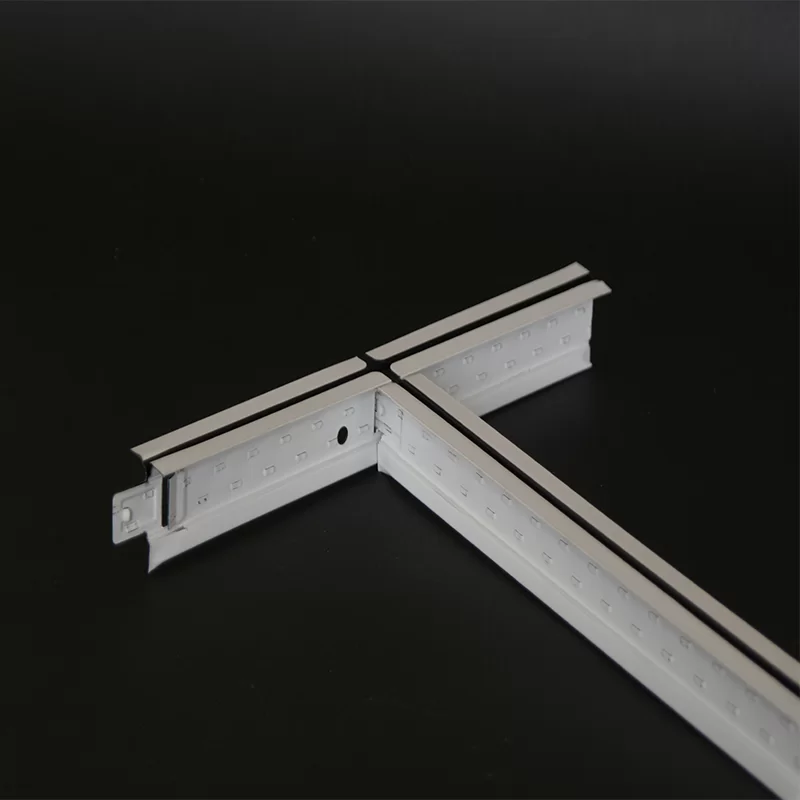
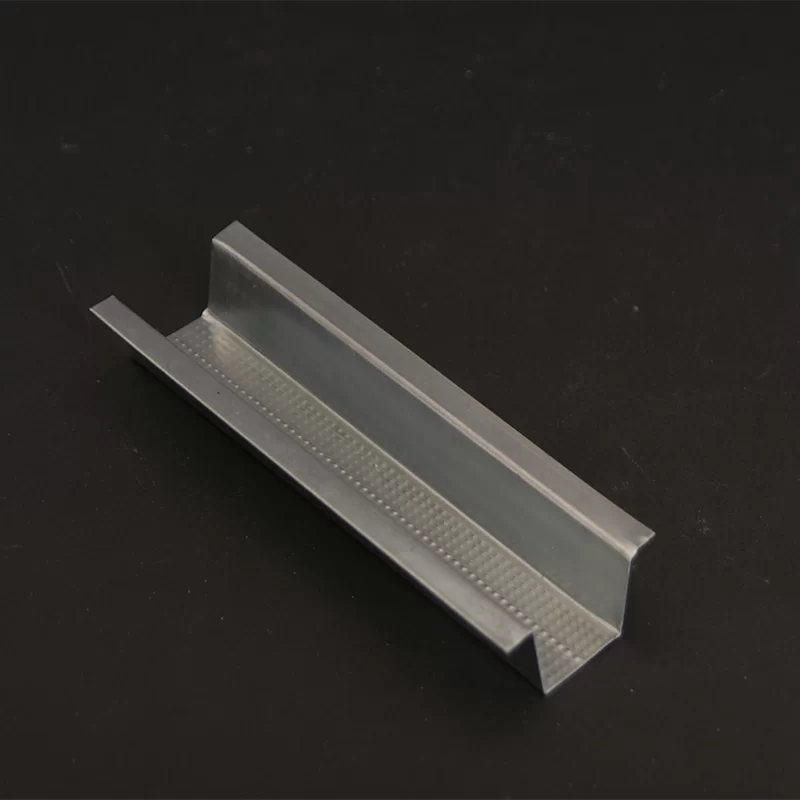
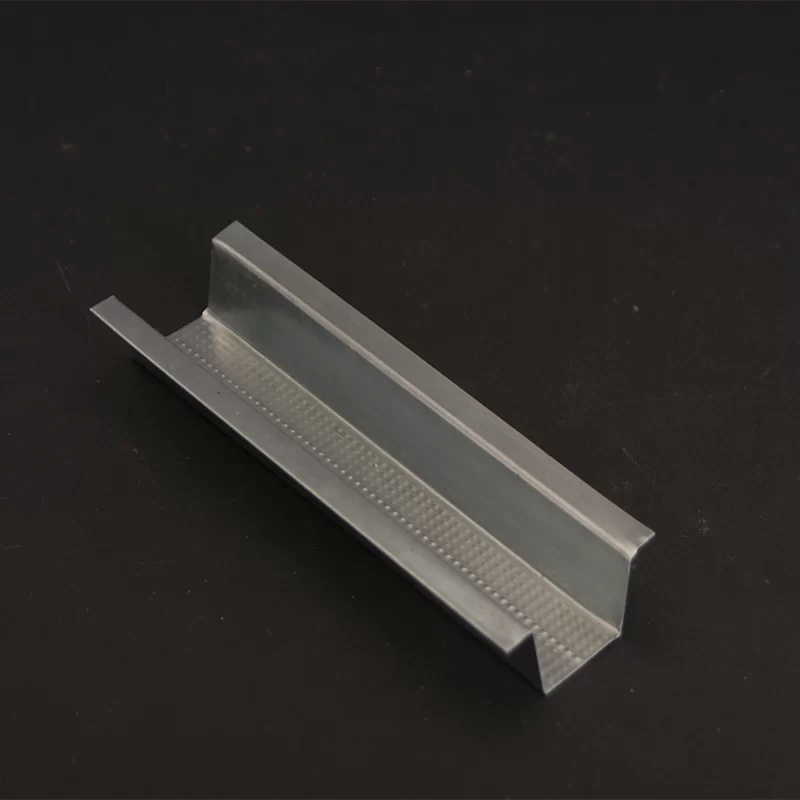
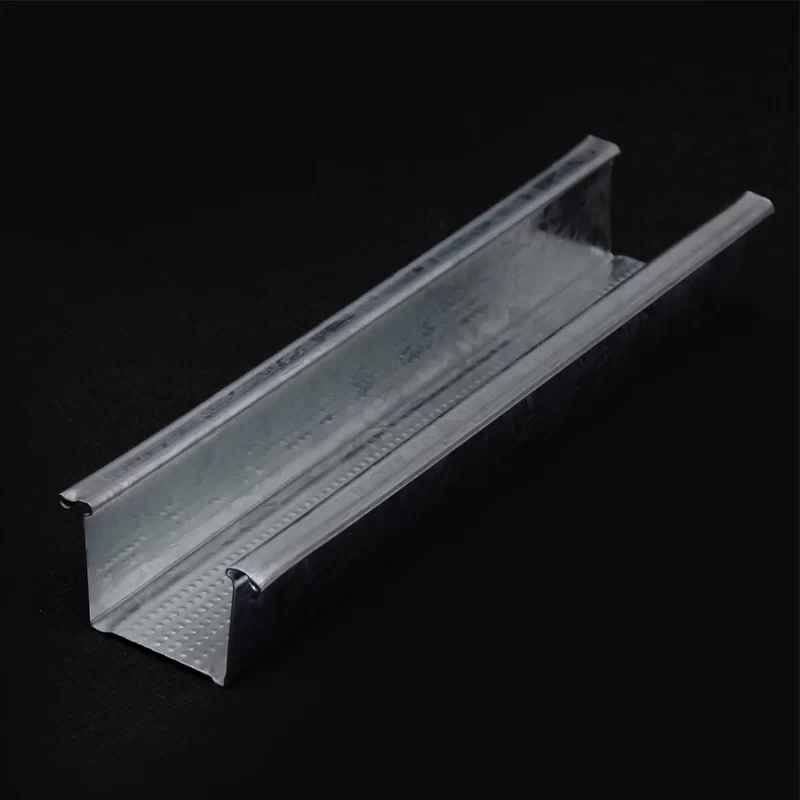
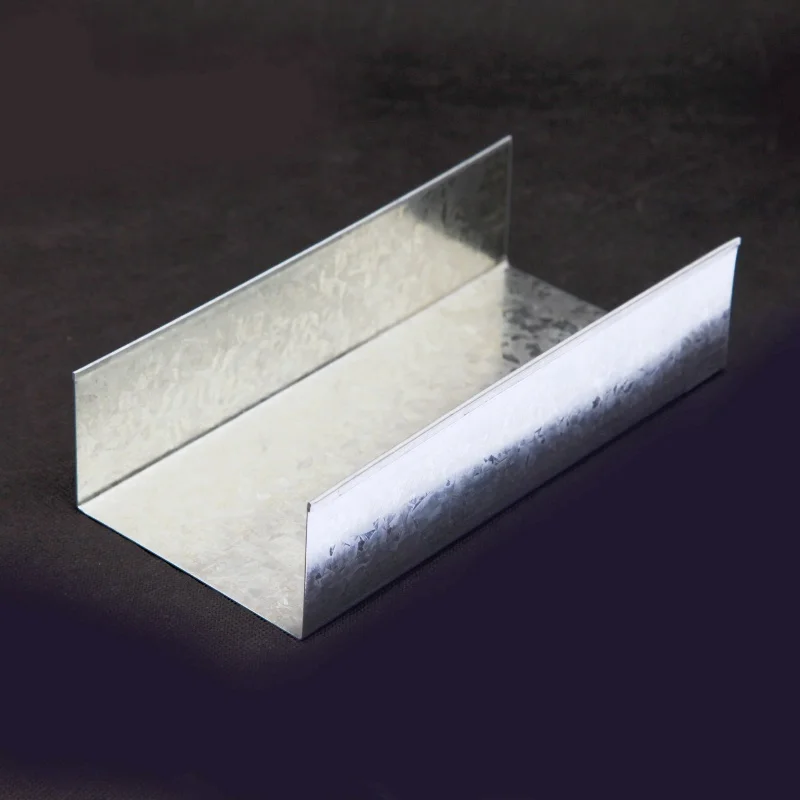
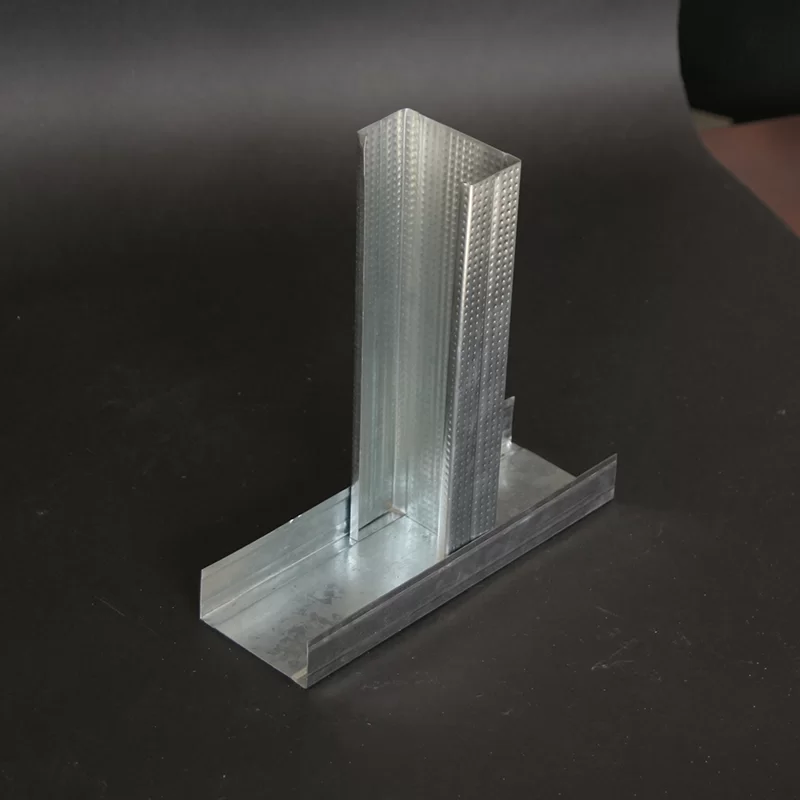
Simply put, a curved steel stud track is a flexible, shaped metal framing component used to hold and guide steel studs in walls and ceilings where curves or arches are involved. Unlike the usual straight tracks, these are manufactured or formed to predefined radii, allowing them to bend without compromising strength.
Think of them as the backbone that lets buildings breathe new shapes — from sweeping curved walls in commercial spaces to beautifully arched ceilings in community centers. This adaptability supports not only modern industrial standards but also pressing humanitarian construction needs, where cheap, fast, and sturdy frameworks are valuable.
Main Attributes of Curved Steel Stud Track
Durability
Made from corrosion-resistant galvanized steel, these tracks weather the harshest environments. For example, in coastal developments or humid regions, they maintain their integrity far better than conventional timber framing.
Scalability
Available in varying gauges and thicknesses, curved steel stud tracks can be scaled up for heavy structural demands or pared down for lightweight partition walls — flexibility that a lot of modular or prefabricated building approaches crave.
Cost Efficiency
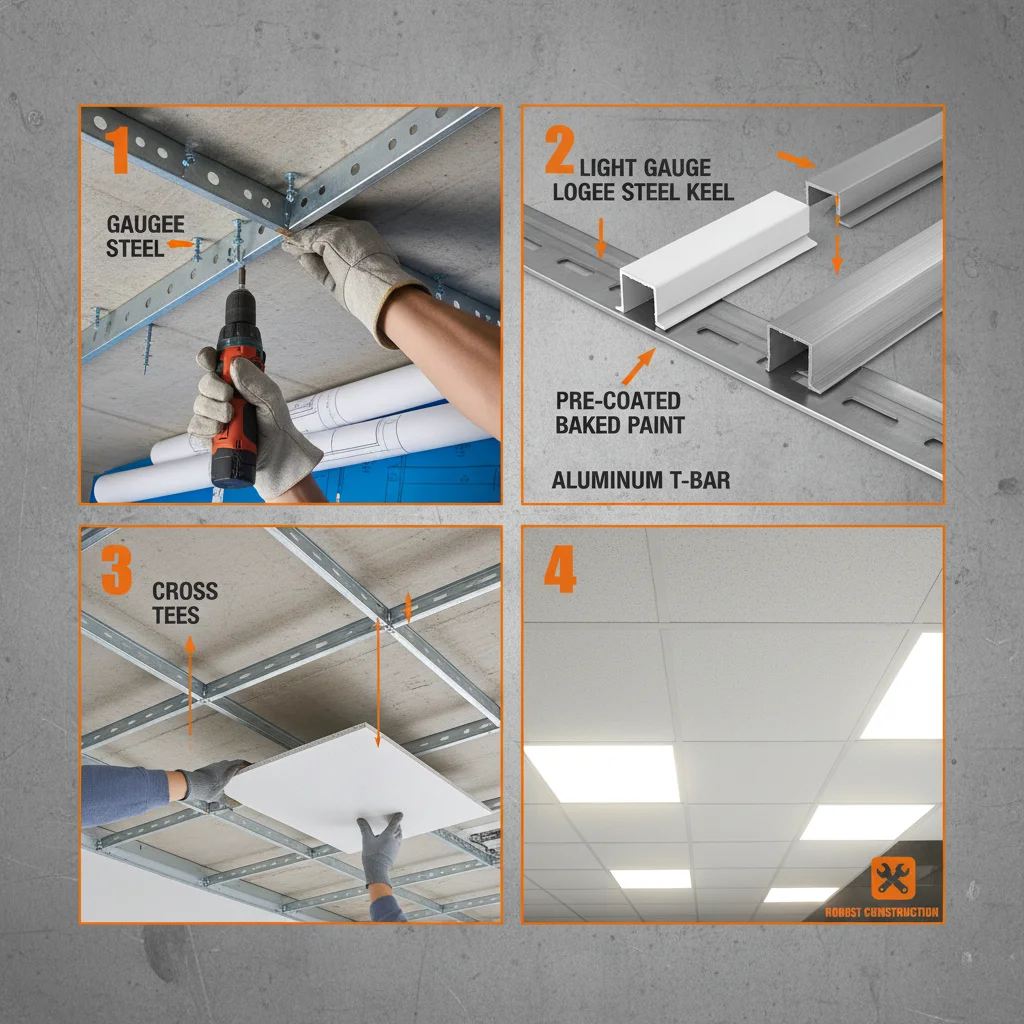
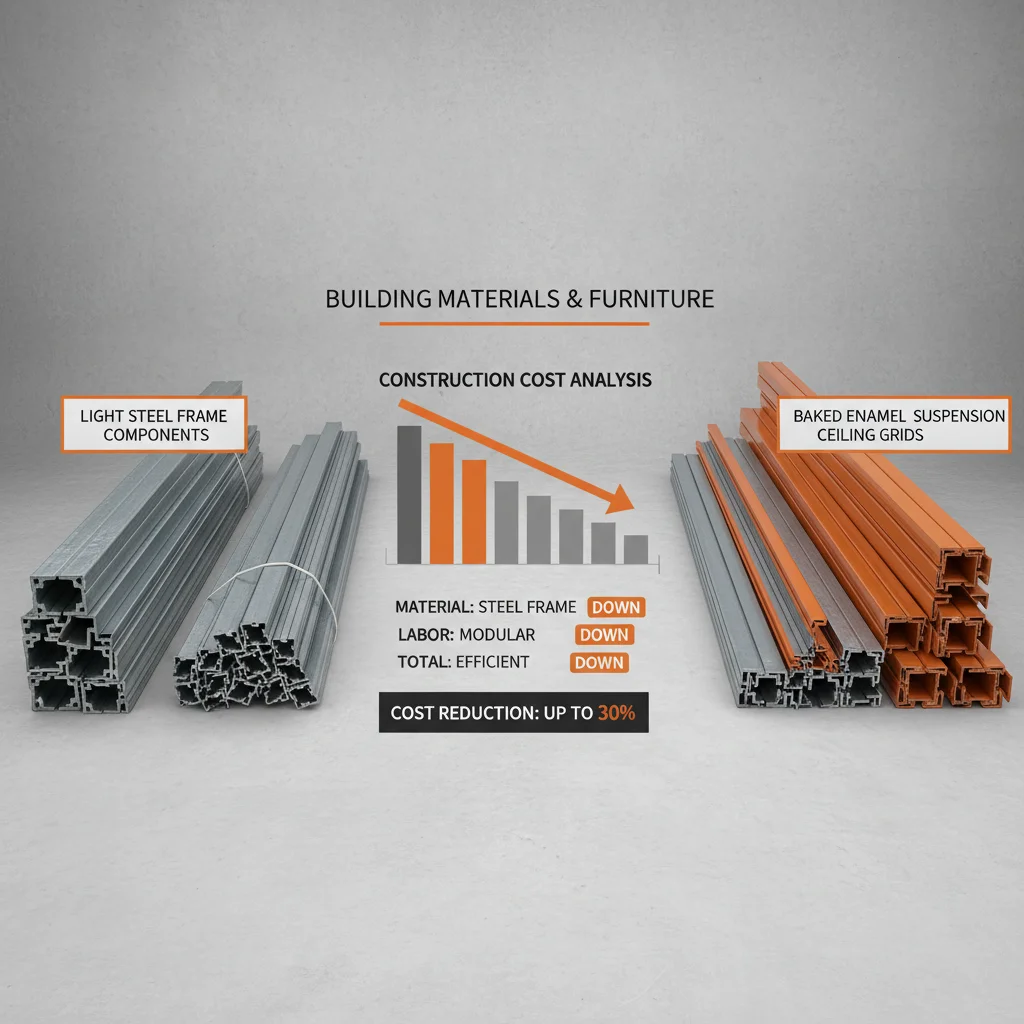
Because they can be fabricated offsite and installed quickly onsite, they reduce labor costs and construction time. Plus, minimizing waste through precise bending means fewer materials are scrapped.
Customization
Manufacturers often provide bespoke curves tailored to project specs, which means architects get unprecedented freedom without worrying about sacrificing structural code compliance.
Sustainability
Steel is 100% recyclable, and curved steel stud tracks typically incorporate recycled content. Their long life cycle combined with reduced waste play well into green-building certifications like LEED.
Mini takeaway: The physical and economic benefits of curved steel stud tracks aren’t just technical wins; they translate into real-world advantages for builders and occupants alike.
Where in the World Do Curved Steel Stud Tracks Make a Difference?
From urban high-rises in Tokyo to refugee shelters in sub-Saharan Africa, curved steel stud tracks enable a variety of structures to go beyond the box — and often under tight budget or timeline pressure. Here are a few scenarios where their impact is most notable:
- Post-disaster reconstruction: After earthquakes or hurricanes, rapid rebuilding needs strong framing systems that can accommodate complex site conditions.
- Healthcare and community facilities: Soft, human-centered architectural forms promote wellbeing. Curved framing helps create calming spaces that favor natural light and airflow.
- Commercial retail and entertainment venues: Retail designers love the aesthetic freedom paired with robustness.
- Industrial zones: In remote or harsh industrial areas, resilient curved steel tracks offer longevity and minimum maintenance.
Those working in humanitarian hotspots often highlight how locating suppliers of curved steel stud track — or transporting them affordably — can speed up shelter and infrastructure delivery significantly. In fact, organizations like the United Nations Office for the Coordination of Humanitarian Affairs (OCHA) have documented increased use of steel framing in disaster management plans.
Specifications You Should Know
| Specification |
Typical Value |
Remarks |
| Material |
Galvanized Steel (G40–G60 coating) |
Standard corrosion protection |
| Thickness |
0.8 mm – 2.0 mm |
Varies by load and use case |
| Radius Range |
100 mm – 1500 mm |
Customizable per project |
| Length per piece |
3 m – 6 m |
Typically cut to field size |
| Weight |
Approximately 2.5 – 6.0 kg/m |
Dependent on thickness |
Comparing Top Vendors of Curved Steel Stud Track
| Vendor |
Product Range |
Customization |
Lead Time |
Price Level |
| Global Steel Co. |
Standard & custom radii, various gauges |
High (design collaboration) |
2–4 weeks |
Mid-tier |
| SteelForm Supplies |
Focused on modular and rapid-build specs |
Medium (modular focus) |
1–3 weeks |
Competitive |
| CurvaSteel Experts |
Wide range of radii and thickness; premium quality |
Very high (vendor manages design & certification) |
3–5 weeks |
Premium |
What Makes Curved Steel Stud Track a Smart Choice?
When deciding on framing options, curved steel stud track offers more than just mechanical strength. Think long-term cost savings, but also resilience in extreme weather, plus less need for maintenance. For occupants, this translates into safer, more enduring shelter environments — whether that’s a high-end shopping mall or a school built by a relief NGO.
Emotionally, curved framing enables architects to craft spaces that feel open, inviting, and modern — shifting the narrative from cold, industrial construction to something more human and approachable. There’s an oddly satisfying mix of precision engineering with artistic nuance in these curved profiles, don’t you think?
Looking Ahead: Trends and Innovations Shaping Curved Steel Stud Track
The construction world doesn’t stand still, and curved steel stud track continues to evolve. Here are some currents to watch:
- Advanced coatings: New eco-friendly galvanizing methods reduce environmental impact without sacrificing protection.
- Digital fabrication: CNC bending machines and BIM integration enable more accurate, faster production and installation.
- Modular and prefab synergy: Curved studs align with offsite construction trends, slicing build times in half.
- Lightweight alloys: Experimental blends with aluminum or composites for ultra-light, high-strength framing.
Tackling Common Challenges
Curving steel studs to a precise shape isn’t always straightforward. Bending too tightly can weaken the steel or cause cracking. Also, on some projects, availability can be a bottleneck if local suppliers don’t stock the necessary curvature sizes or thicknesses. But clever solutions have emerged:
- Using software-aided design to plan framing curves more meticulously before fabrication.
- Local partnerships that allow semi-custom bending near the job site reduce shipment delays.
- Innovative training programs for installers to minimize damage during handling.
FAQs About Curved Steel Stud Track
Q: How does curved steel stud track improve building flexibility compared to straight tracks?
A: Curved steel stud tracks allow construction to incorporate arches, rounded corners, and non-linear walls without sacrificing structural integrity. This results in more dynamic designs and oftentimes better space optimization.
Q: Can curved steel stud track be used in earthquake-prone areas?
A: Yes. Its steel composition and custom curvature enable more resilient framing systems that can better absorb seismic forces, reducing damage risk.
Q: How easy is it to get customized curved steel stud tracks for a specific project?
A: Most vendors offer customized radii and thicknesses, though lead times can vary between 1–5 weeks depending on complexity and location.
Q: Are these curved tracks recyclable?
A: Absolutely. Steel is 100% recyclable without quality loss, supporting sustainable construction practices.
Q: Do curved steel stud tracks increase overall project costs?
A: They may add a bit upfront compared to straight tracks but typically reduce labor and finishing costs due to simplified installation and reduced waste, resulting in comparable or better overall value.
Wrapping it Up: Why Curved Steel Stud Track is Worth Considering Today
Curved steel stud track is more than just a metal framing part. It’s a symbol of innovation in construction—merging strength with design freedom and sustainable thinking. Whether you’re an architect dreaming up the next iconic building or an NGO looking to deliver durable shelter to people in crisis, these curved solutions offer tangible benefits that pay off for years.
To explore high-quality curved steel stud track options and see how your project can benefit from this technology, visit curved steel stud track and connect with experts who can tailor solutions to your exact needs.
Mini takeaway: Embracing curved framing tech today sets the stage for smarter, more beautiful, and longer-lasting construction tomorrow.
References
- International Organization for Standardization (ISO)
- United Nations Office for the Coordination of Humanitarian Affairs (OCHA)
- Steel - Wikipedia