Understanding Drywall Partition Framing: Why It Matters Today
At first glance, drywall partition framing might sound like niche construction jargon, but in reality, it’s a cornerstone of modern, flexible building design. Around the globe, as urban centers expand and workplaces rethink their layouts, the demand for cost-effective, resilient, and quick-to-install internal walls has skyrocketed. Drywall partition framing refers to the underlying skeletal framework that supports drywall sheets—those familiar flat panels that form the walls dividing rooms indoors.
Why is mastering drywall partition framing crucial? Because better framing means safer, more adaptable spaces. It lets architects and engineers create interiors that respond remarkably well to change—whether in office reconfigurations, residential upgrades, or emergency shelters. Sharpening our understanding here isn’t trivial; it’s about efficiency, sustainability, and even humanitarian outcomes.
Drywall Partition Framing in a Global Context
The construction sector contributes nearly 40% to global energy consumption, according to the United Nations Environment Programme, underscoring the need for more efficient building methods. Drywall partition framing plays a vital part in reducing wasted material and speeding up construction timelines — factors significant to both developed and developing nations. In urbanizing regions across Asia and Africa, affordable, scalable partition solutions help house growing populations fast, while in Western commercial hubs, flexible interiors boost productivity and lower environmental footprints.
Yet, challenges persist. Traditional brick or concrete walls take weeks, if not months, to build. They complicate future renovations and generate substantial debris. Drywall partitions, anchored to lightweight metal or timber framing, offer a nimbleness that is sorely needed to meet today's dynamic architectural demands.
What Exactly Is Drywall Partition Framing?
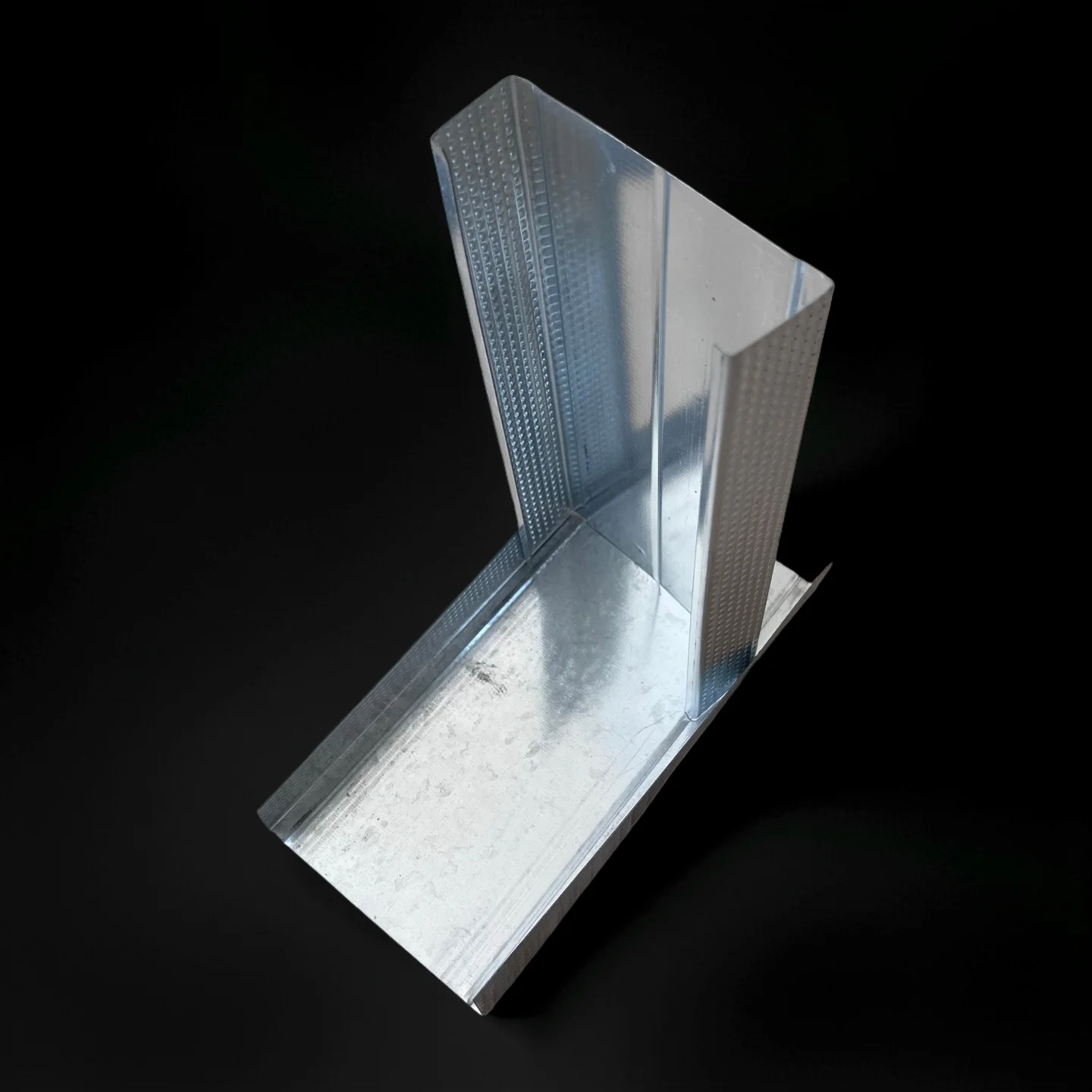
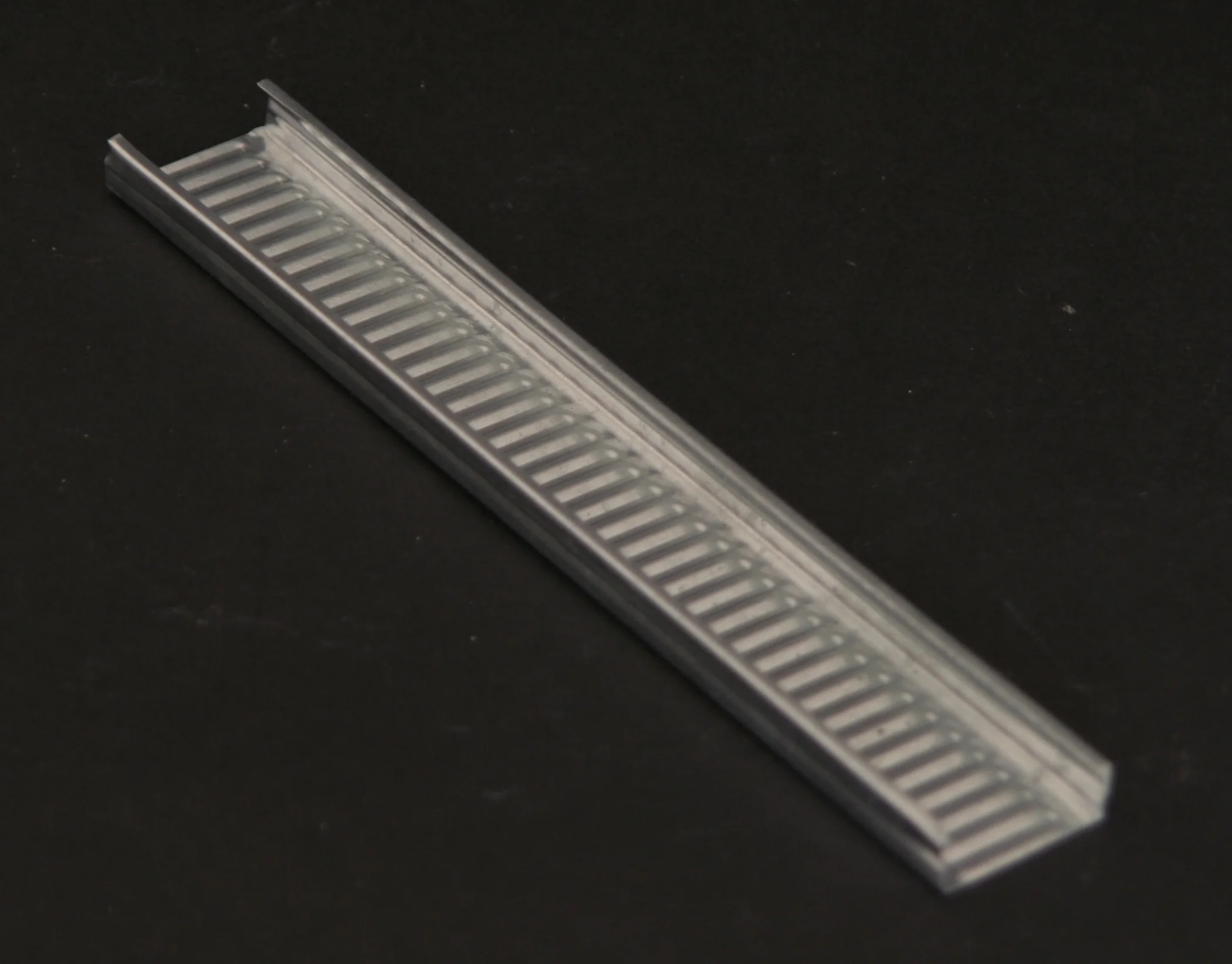
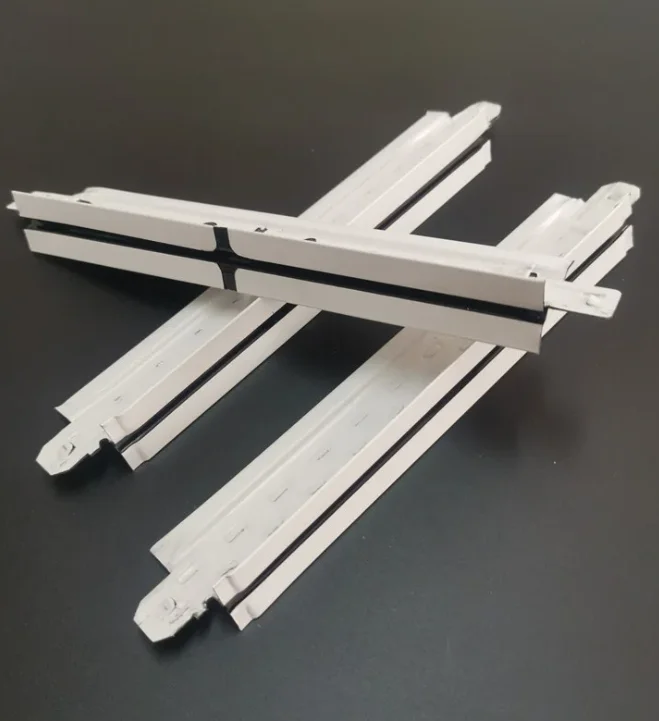
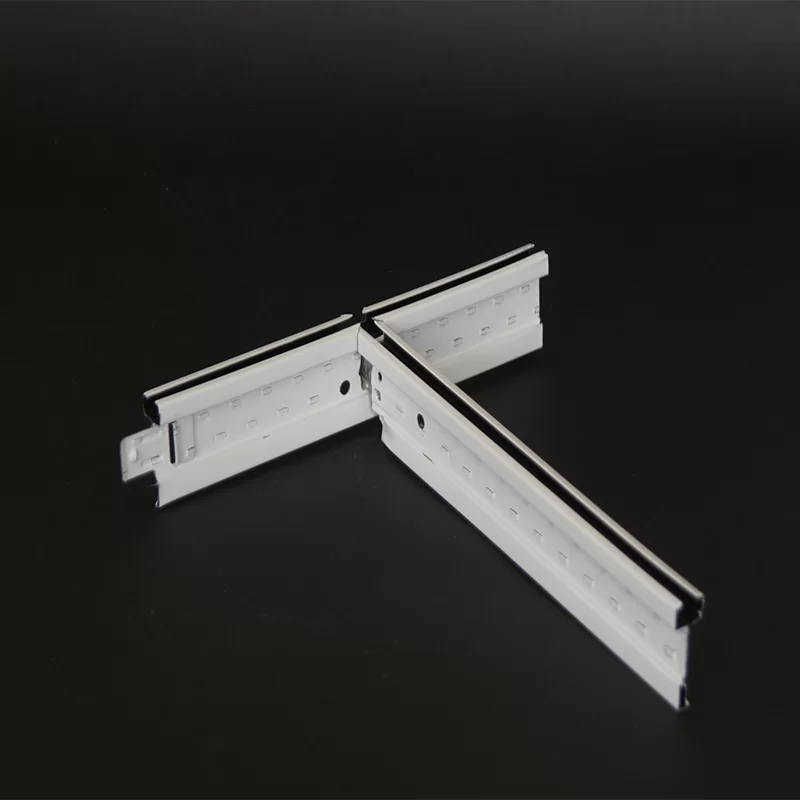
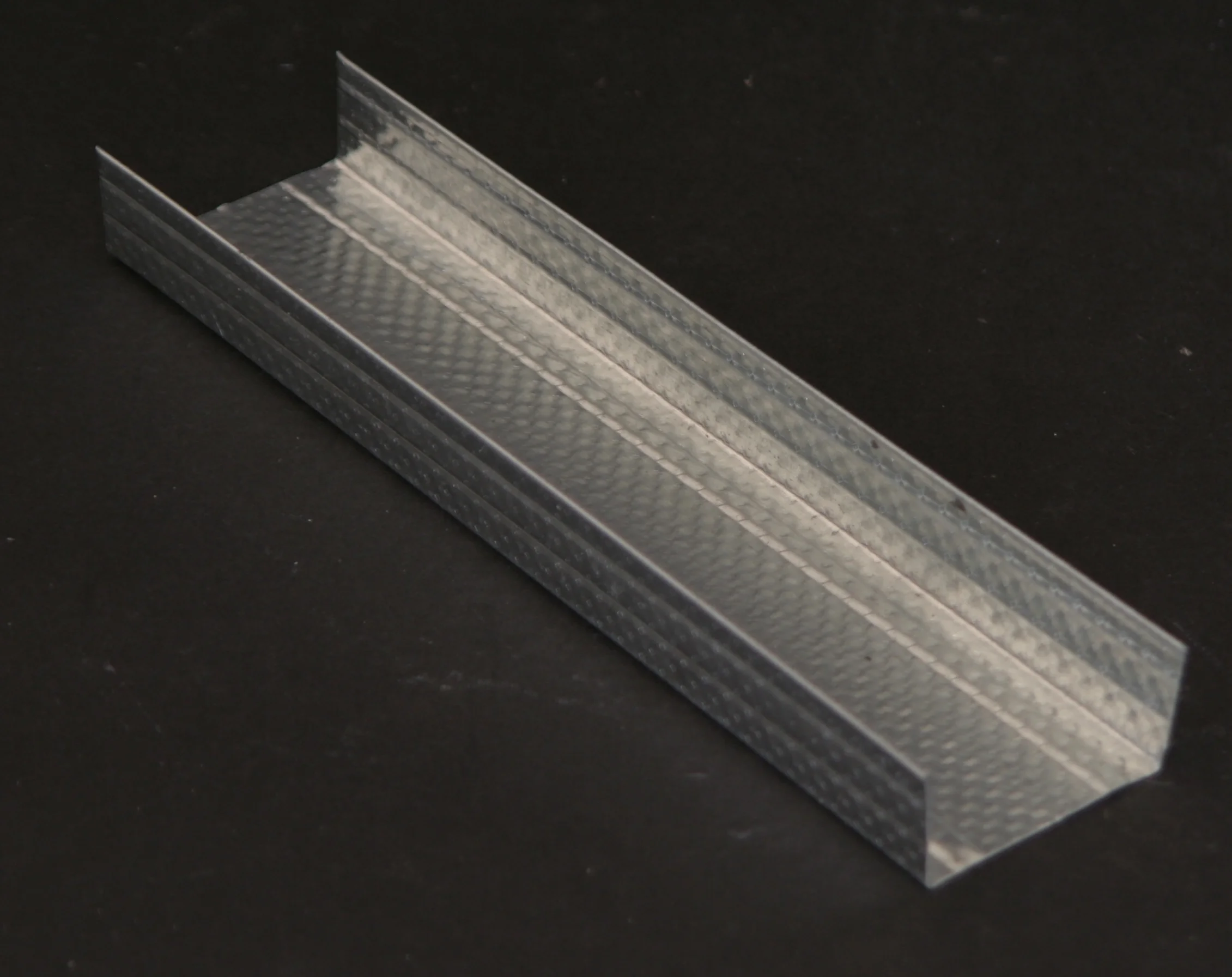
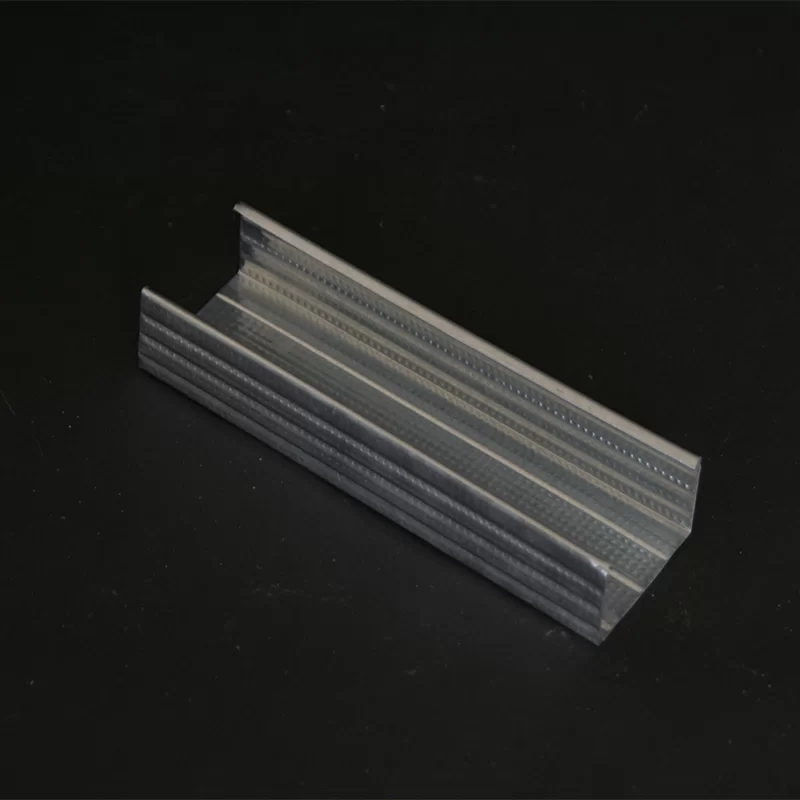
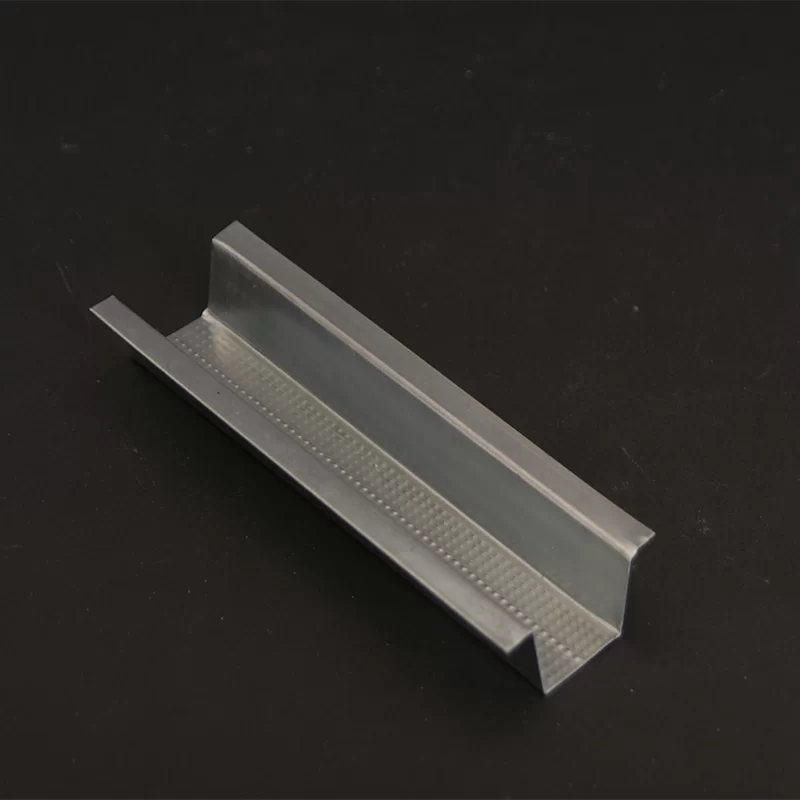
Simply put, drywall partition framing forms the internal skeleton that drywall panels attach to, creating internal walls that don’t carry structural loads of a building but serve to divide spaces. This framework typically consists of galvanized steel studs or timber depending on the project’s requirements. The assembly is fast, minimally invasive, and less dependent on skilled masonry labor.
In many humanitarian contexts—think refugee camps or post-disaster relief efforts—drywall partition framing supports quickly deployed shelters that preserve dignity by offering private, segmented spaces. It’s fascinating how a simple framing system translates into real human comfort and even emotional stability.
Key Components and Considerations in Drywall Partition Framing
1. Durability and Fire Resistance
Metal framing, usually steel, offers impressive longevity and is naturally non-combustible. Many building codes now require fire-rated drywall systems, where the framing supports fire-resistant panels to prevent smoke or flame spread. It’s a lifesaver in high-rise buildings and crowded offices.
2. Installation Speed and Scalability
One could say speed is the “competitive edge” of drywall partitions. A small crew can erect entire walls in days, even hours, compared to weeks with traditional masonry. Moreover, the modular nature of framing lets designers scale interiors up or down by simply adding or removing stud sections.
3. Cost Efficiency
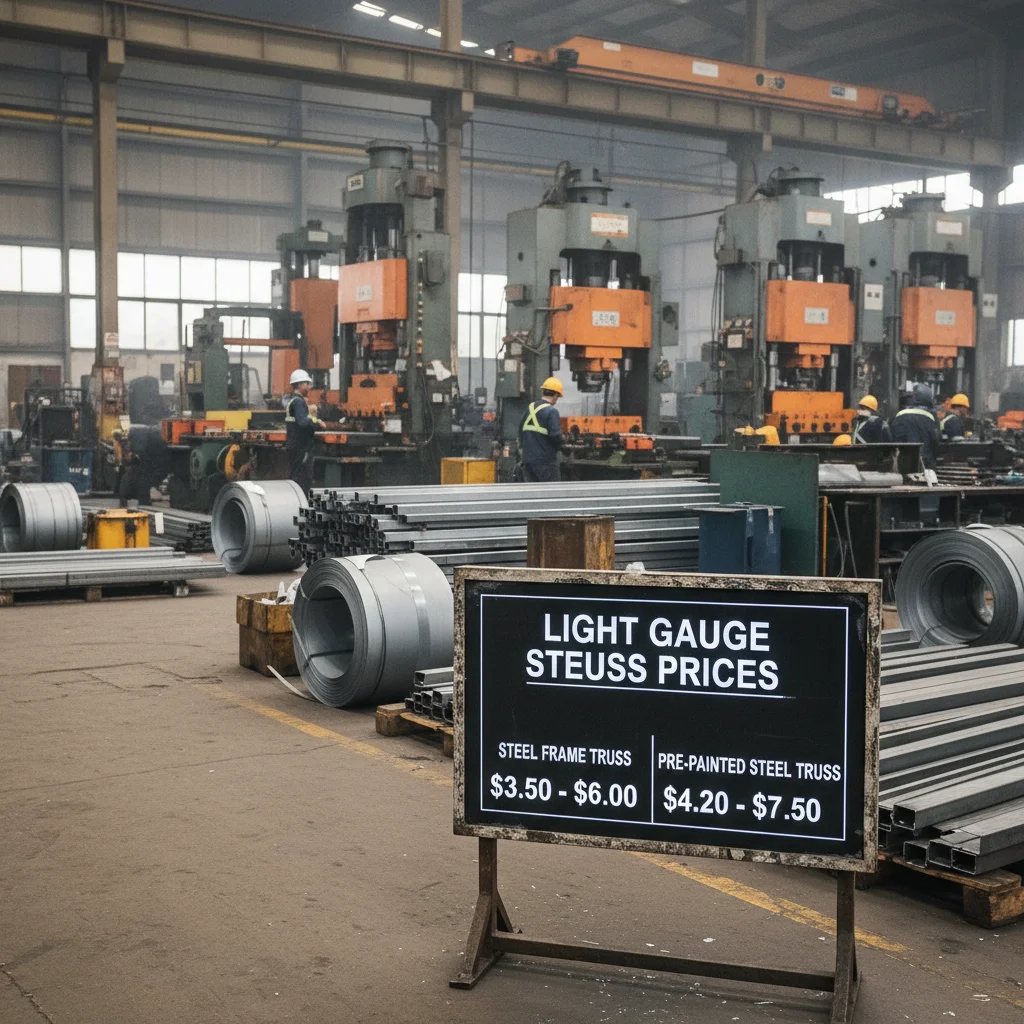
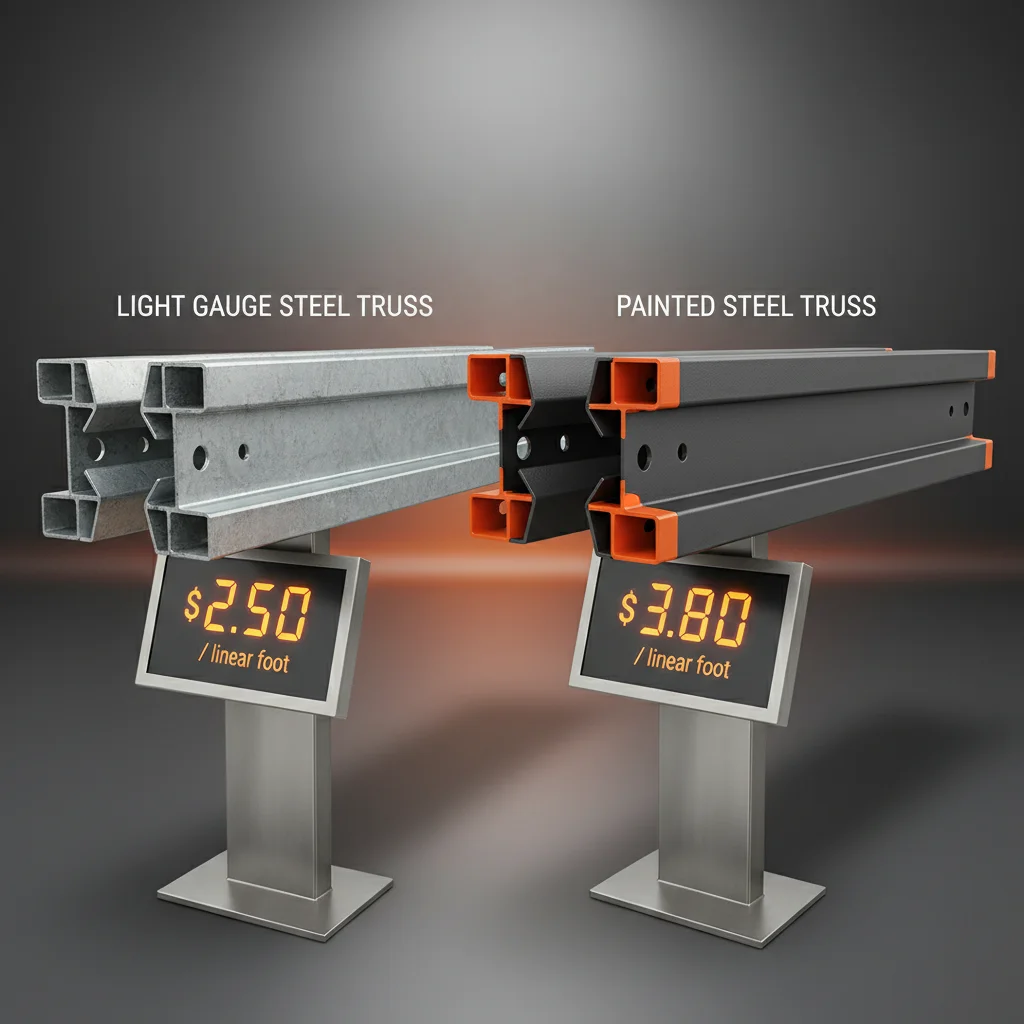
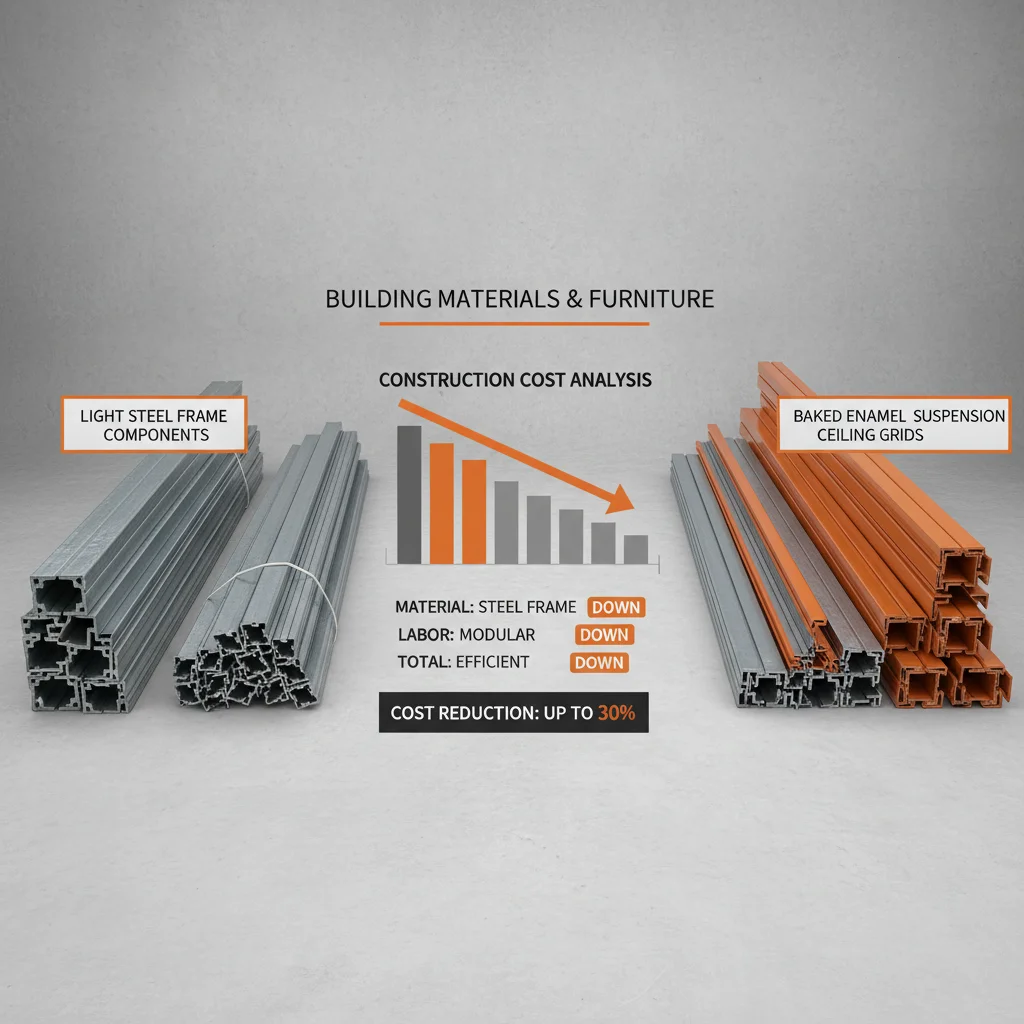
Compared to concrete or brick, drywall framing materials cost less upfront, and labor savings add up. The reduced weight also lowers foundation requirements and transportation costs, which can be substantial in remote areas or difficult terrains.
4. Acoustic and Thermal Properties
While framing itself is just a skeleton, proper insulation fitted between studs improves soundproofing and energy efficiency. This has become increasingly important in open offices and multifamily residential buildings, where comfort means a lot.
5. Environmental Sustainability
Galvanized steel used in many framing systems is entirely recyclable. Plus, drywall partitions minimize waste because they’re prefabricated often with precise measurements. This reduces on-site debris and landfill stress, aligning with ISO 14001 environmental management standards.
Mini Takeaway: Drywall partition framing isn’t just about putting up walls — it’s a carefully considered system balancing durability, speed, cost, comfort, and sustainability.
Global Use Cases: Where and How Drywall Partition Framing Shines
- Urban Office Renovations: In tech hubs like Silicon Valley or Bangalore, companies frequently modify layouts to suit agile workforces. Drywall framing enables quick turnarounds without messy construction.
- Post-Disaster Relief: After earthquakes or floods, organizations like the UNHCR use framed panels to construct temporary shelters that are robust yet adaptable. It’s a real game-changer for sheltering displaced families.
- Healthcare Facilities: Hospitals worldwide leverage partition framing to create cleanable, segregated rooms that meet hygiene norms while allowing flexible ward configurations.
- Educational Buildings: Schools often require expansion or reconfiguration, and drywall partitions let them do that mid-year with minimal downtime.
Advantages & Long-Term Value of Drywall Partition Framing
Going beyond cost and speed, drywall partition framing carries deeper benefits. Owners appreciate the trust that comes with reliable, standardized construction systems. There’s an emotional comfort in knowing your workspace or home can evolve without tearing everything apart. Workers in construction also benefit from safer environments with less dust and waste.
Environmentally, these systems cut down on embodied energy and waste, reducing carbon footprints. The modular nature means materials have second lives in future renovations. In many ways, drywall partition framing reflects a broader shift toward building smarter, greener, and more human-centered spaces.
What the Future Holds: Emerging Trends & Innovations
Today, the drywall industry is embracing digital design and automation to improve precision and reduce error. BIM (Building Information Modeling) integrations mean framing is planned and cut offsite, speeding onsite assembly.
Biodegradable and recycled insulation materials are also gaining ground, alongside coatings that provide antimicrobial surfaces—critical post-pandemic features. Smart partitions embedded with sensors to monitor temperature, humidity, or air quality are no longer science fiction but real innovations on the horizon.
Common Challenges & How Industry Leaders Tackle Them
Despite its many merits, drywall partition framing isn't without hiccups. Poorly installed framing can lead to squeaky walls or misalignments. Moisture intrusion is a risk in humid environments if materials aren’t properly sealed.
To combat these, experts recommend stricter QA procedures during installation and the use of vapor barriers and corrosion-resistant metal studs, especially in tropical regions. Many companies also conduct rigorous testing for fire and sound resistance before deployment.
Product Specification Table: Typical Drywall Partition Framing System
| Component |
Material |
Dimension |
Fire Rating |
Notes |
| Steel Studs |
Galvanized Steel |
50x90 mm |
1 hour |
Corrosion-resistant finish |
| Track Channels |
Galvanized Steel |
30x90 mm |
1 hour |
Secures studs at floor and ceiling |
| Drywall Sheets |
Gypsum Core |
12.5 mm thick |
Type X for fire-rated walls |
Standard or moisture-resistant |
| Insulation |
Mineral Wool or Fiberglass |
Varies by application |
Improves sound & thermal rating |
Optional depending on codes |
Vendor Comparison: Leading Drywall Partition Framing Systems
| Vendor |
Material Quality |
Fire Rating |
Installation Time |
Price Range |
Best For |
| Jinkai BM |
Premium galvanized steel |
Up to 1.5 hours |
Fast (prefab & modular) |
Mid to High |
Commercial & Industrial |
| SteelForm |
Standard galvanized steel |
1 hour |
Moderate |
Low to Mid |
Residential projects |
| EcoWall Systems |
Recycled steel & green materials |
1 hour |
Fast |
Mid |
Sustainable green buildings |
FAQs: Practical Answers About Drywall Partition Framing
- How quickly can drywall partitions be installed?
- Typically, experienced crews can frame and drywall a standard office-sized partition wall within a few days. Prefabricated systems speed this further, sometimes cutting installation to hours depending on complexity.
- Are drywall partitions durable enough for high-traffic areas?
- With proper framing—typically steel studs—and reinforced drywall, partitions can withstand impacts and daily wear in commercial settings. Fire-resistant and soundproofing options add further resilience.
- Can drywall partitions be modified or moved later?
- Yes! One of the biggest advantages is flexibility. Partitions can be dismantled and reassembled or reconfigured without major demolition, making them ideal for dynamic workspaces.
- Is drywall partition framing environmentally friendly?
- Absolutely, especially when using recycled steel framing and sustainable drywall materials. It reduces waste on site and is easier to recycle compared to traditional masonry.
- Where can I find trustworthy drywall partition framing vendors?
- Companies like Jinkai BM offer premium systems suited for diverse applications, backed by rigorous testing and support.
Wrapping Up and Next Steps
Drywall partition framing clearly isn’t just a technical detail hiding behind walls; it’s a vital piece of modern construction that enables safe, adaptable, and sustainable spaces worldwide. Whether you're designing sleek office interiors, planning humanitarian shelters, or building eco-conscious homes, understanding this system unlocks countless possibilities without a hefty price or heavy carbon footprint.
If you’re curious to explore professional drywall partition framing solutions, consider visiting Jinkai BM to learn about their innovative product offerings and how they streamline construction projects.
References:
- UN Environment Programme – Building Efficiency
- Wikipedia – Drywall
- ISO 14001 Environmental Management