Understanding Drywall Stud Wall: Why It Matters in a Changing World
Drywall stud wall — it’s one of those terms that bounces around construction sites, trade magazines, and even humanitarian aid discussions. But why should it matter to anyone beyond architects or builders? Well, in today’s fast-paced, resource-conscious, and often unpredictable world, understanding what drywall stud walls are, and why they’re favored, can shed light on how we build safer, more sustainable spaces. Whether it’s a hospital wing in a busy urban center or quick housing after a disaster, drywall stud walls make a huge difference.
Frankly, it's not just about materials. There’s a global ripple effect — economies, environments, and even social stability. Let’s uncover how this seemingly simple building component fits into a bigger picture.
The Global Context: Why Drywall Stud Walls Matter
Globally, construction is one of the largest consumers of raw materials and energy — the United Nations Environment Programme estimates that the building sector accounts for 36% of final energy use worldwide. (1) With growing urban populations and increasing demands for affordable housing, the construction industry is under pressure to innovate. Drywall stud walls have emerged as a key solution, particularly in regions where speed and cost-efficiency are paramount.
Take the challenge of rapid urbanization in Southeast Asia or post-conflict rebuilding in parts of Africa — the need for lightweight, quick-to-assemble wall systems is huge. Drywall stud walls offer a flexible solution here, reducing construction time and waste. But there’s also a design challenge: balancing cost, durability, and environmental impact. That’s where drywall stud walls step in with grace.
Defining Drywall Stud Wall: The Basics
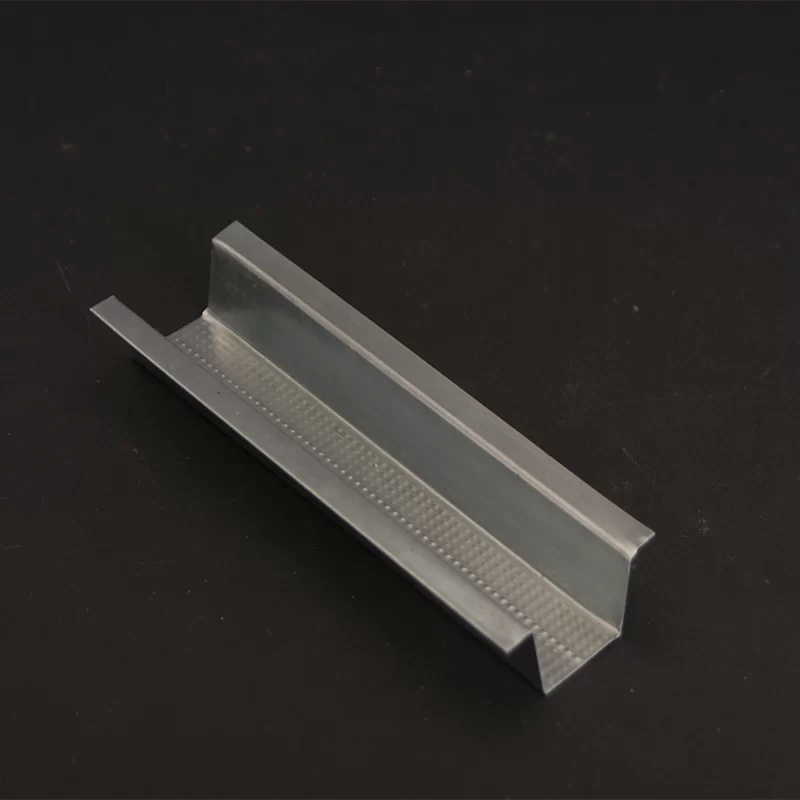
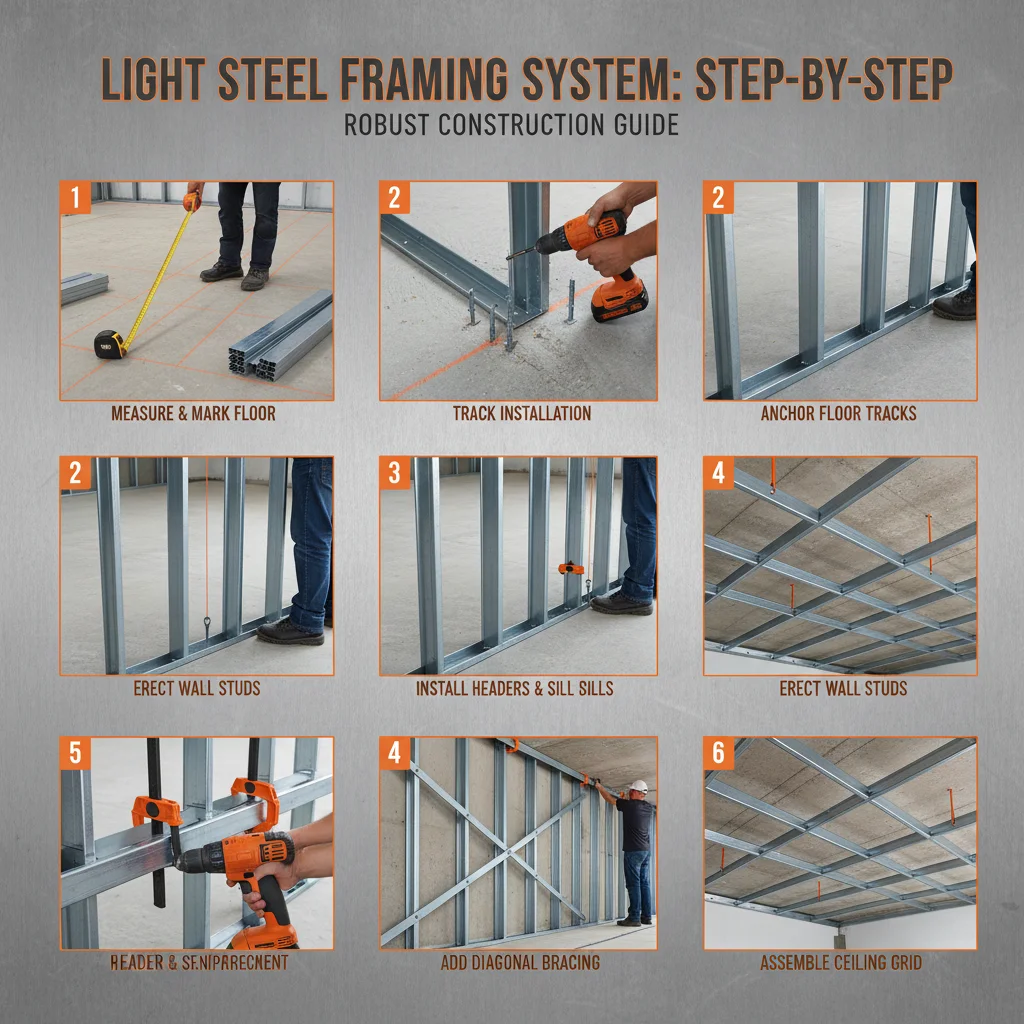
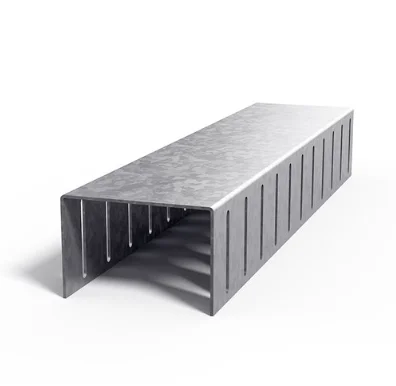
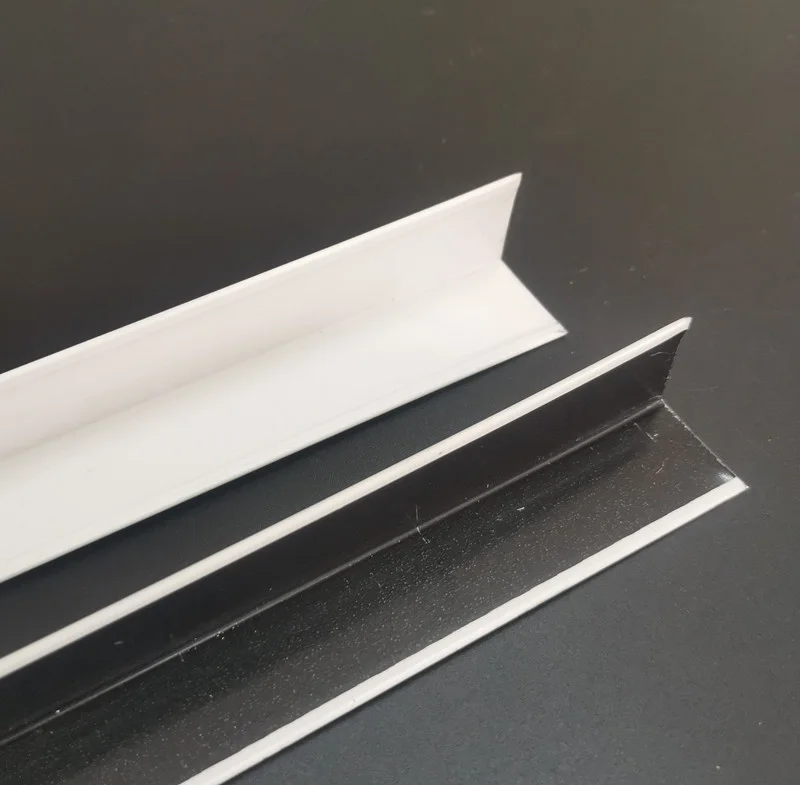
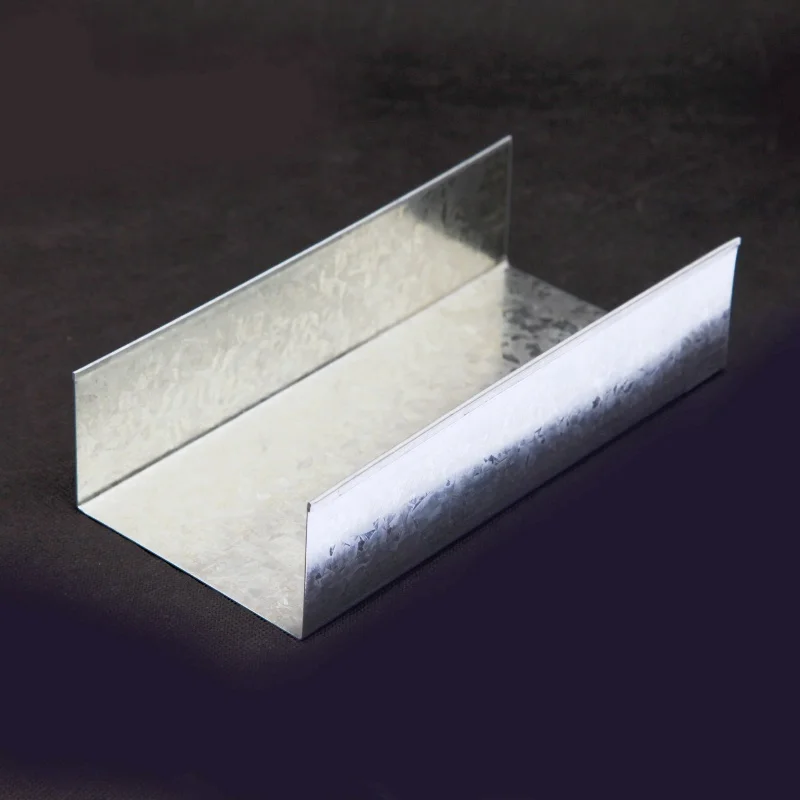
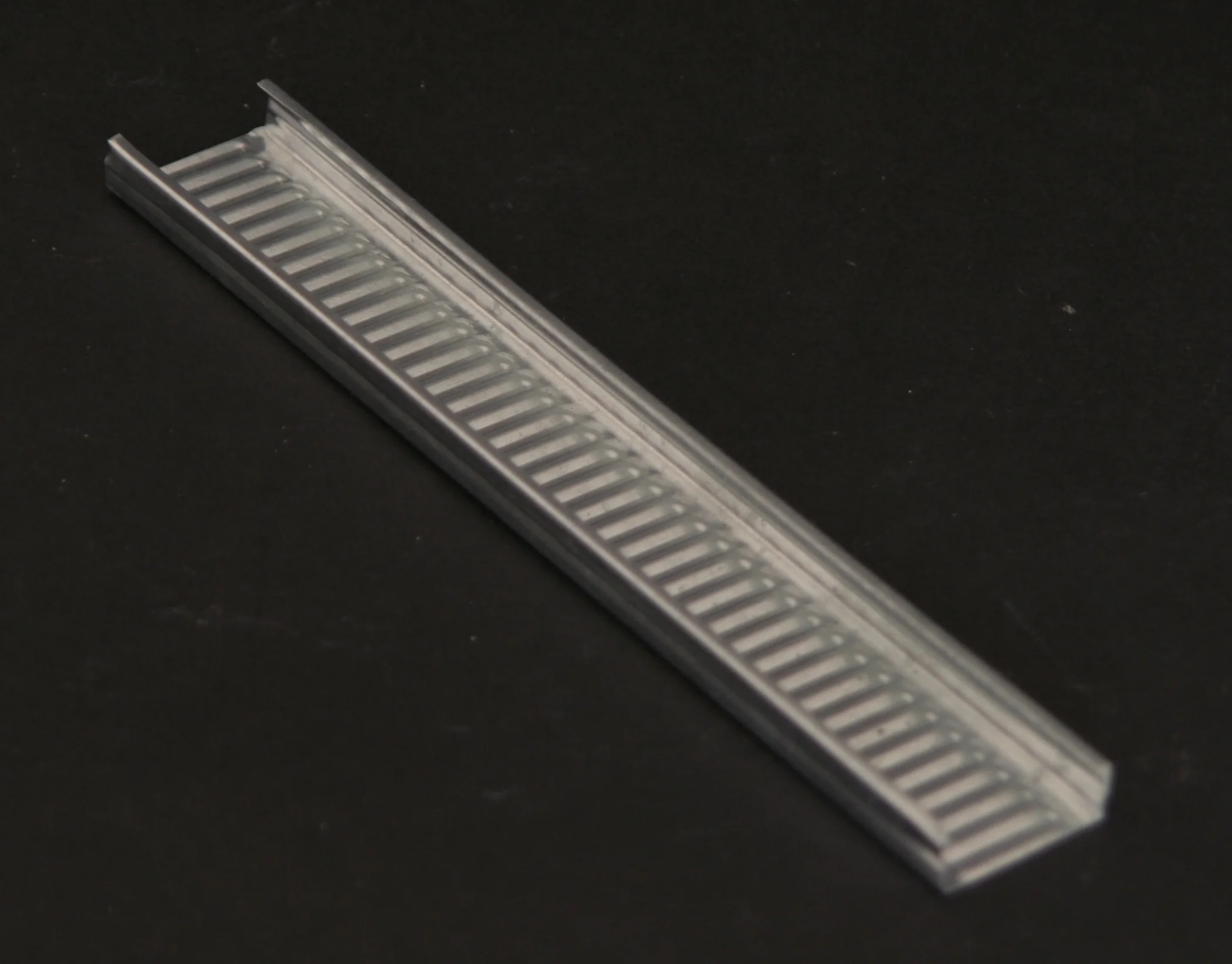
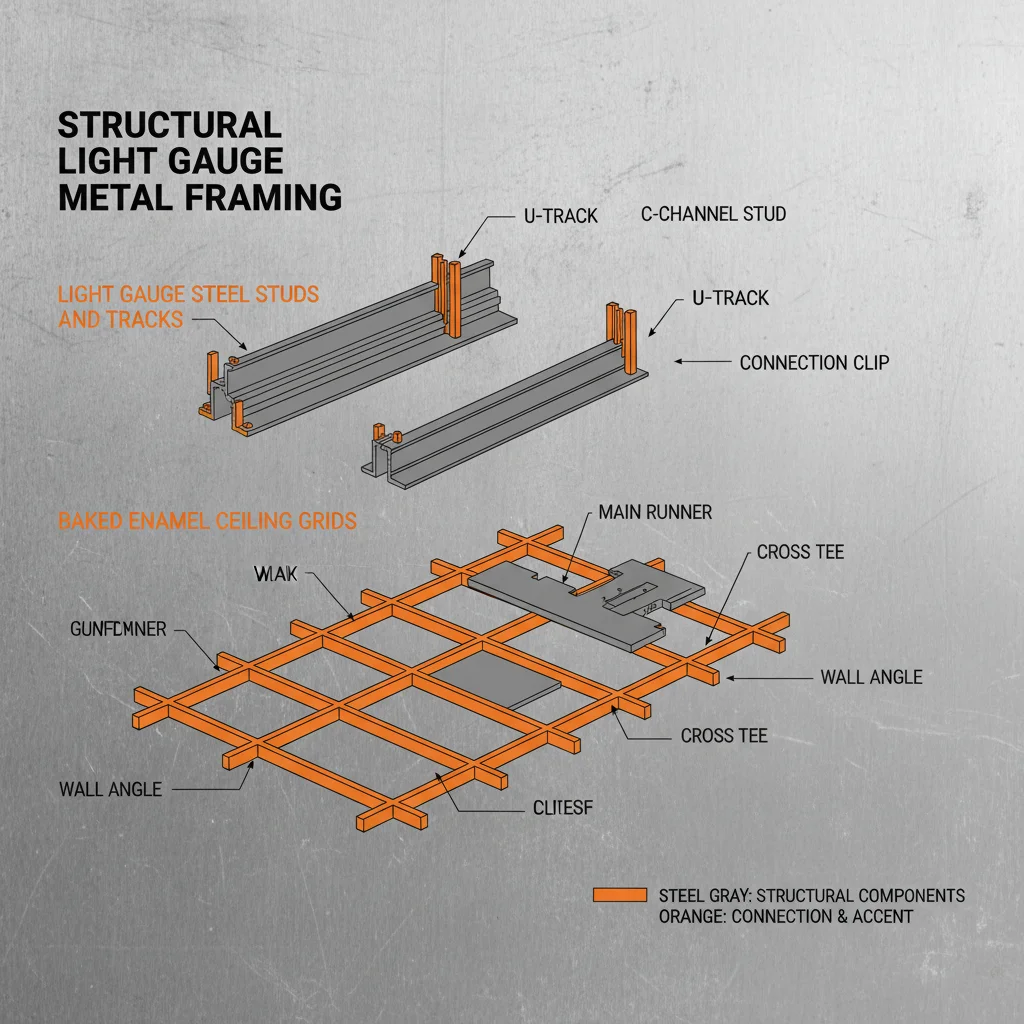
So, what exactly is a drywall stud wall? Simply put, it’s a type of internal partition wall constructed from vertical framing members — called studs — covered by drywall panels (also known as gypsum board). The studs are usually made from either timber or metal, while the drywall sheets form the visible, smooth surfaces we associate with modern interiors.
In real terms, imagine a skeleton of vertical metal or wood pieces, spaced evenly and covered in flat sheets that you can paint or paper over. This system is favored in both residential and commercial construction because it’s lightweight, adaptable, and relatively easy to install compared to traditional brick-and-mortar walls.
More than just buildings, drywall stud walls play a role in modular structures and humanitarian shelters, offering quick solutions in emergencies without sacrificing strength or safety.
Key Components and Their Importance
1. Durability and Strength
Metal studs, particularly those made of galvanized steel, resist warping and insect damage, making drywall stud walls last longer in humid or pest-prone environments. That’s vital when you can’t afford constant repairs or replacements.
2. Scalability and Flexibility
Because the framing system is standardized, walls can be quickly adjusted, moved, or removed to meet changing interior layouts — imagine office spaces needing reconfiguration. This modular nature is a major plus for cost-conscious developers.
3. Cost Efficiency
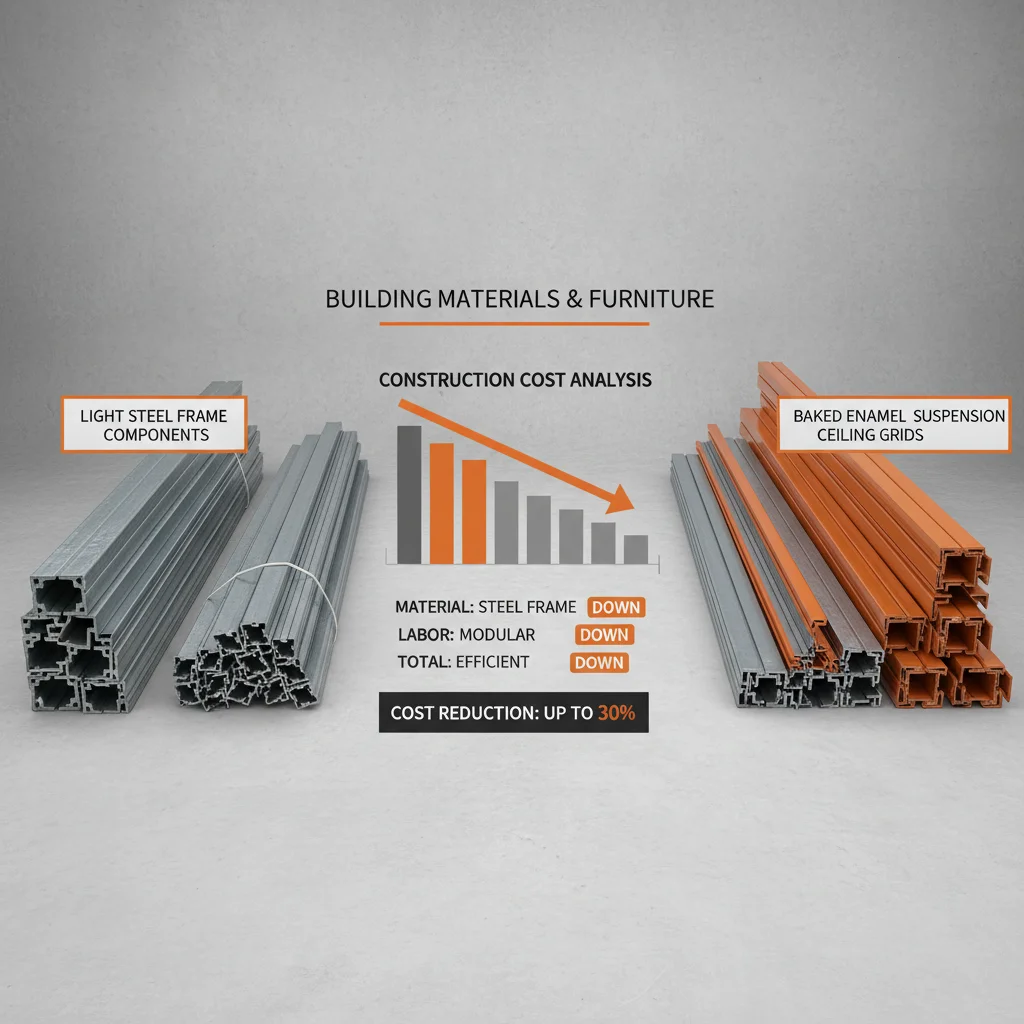
Compared to traditional masonry walls, drywall stud walls cost less not just in materials but also in labor and time. Construction timelines shrink, reducing financing costs — a huge advantage in fast-moving markets.
4. Acoustic and Thermal Properties
With proper insulation added between studs, drywall stud walls can provide respectable soundproofing and thermal resistance, improving the comfort and privacy of occupants.
5. Environmental Sustainability
Gypsum — the main component of drywall — is abundant and often recyclable. Plus, the reduced waste on-site compared to brickwork means less environmental strain. Some manufacturers even offer panels with recycled content.
Mini takeaway:
Simply put: drywall stud walls are a smart blend of speed, economy, and performance that meet modern demands without hefty compromises.
Global Applications and Real-World Use Cases
It’s easy to picture drywall stud walls in sleek office buildings or condo interiors, but the true power lies in their adaptability worldwide:
- Post-disaster rebuilding: In Nepal after the 2015 earthquake, rapid deployment of drywall stud walls helped construct temporary clinics and housing faster than traditional methods. (2)
- Remote industrial zones: Mining camps in Australia use metal stud drywall walls in modular buildings to cut transport weight and simplify assembly amid tough terrain.
- Urban renovation: European retrofit projects rely on drywall systems to update interiors without heavy demolition, preserving heritage facades.
- Educational facilities: Many schools in North America and Asia prefer drywall stud systems to build classrooms with controlled acoustics, improving the learning environment.
Mini takeaway:
Whether it’s a bustling city center or a challenging environment, drywall stud walls fit in almost anywhere, showing impressive versatility.
Advantages and Long-Term Value of Drywall Stud Walls
Beyond cost and ease-of-installation, drywall stud walls offer benefits that resonate on several levels:
- Safety: Fire-rated drywall options improve building safety, protecting lives and assets.
- Dignity and comfort: In shelters or housing, walls that feel solid and provide privacy uplift human dignity.
- Innovation: Prefabricated panels and smart materials are making drywall stud walls more high-tech and sustainable every year.
- Trustworthiness: Builders, designers, and occupants alike rely on these walls to stay strong and functional over decades.
Product Specification Table: Typical Drywall Stud Wall Components
| Component |
Material |
Dimensions (mm) |
Features |
| Stud |
Galvanized steel / Timber |
38 x 89, 64 x 92 (common profiles) |
Corrosion-resistant, lightweight |
| Drywall Panel |
Gypsum board |
1200 x 2400 x 12.5 mm (standard) |
Fire-rated, moisture-resistant options |
| Insulation |
Fiberglass / Mineral Wool |
Custom per stud cavity |
Thermal & acoustic barrier |
| Fasteners |
Screws / Nails |
Various lengths |
Corrosion-resistant coatings |
Vendor Comparison: Choosing the Right Drywall Stud Wall Partner
| Vendor |
Material Quality |
Customization Options |
Sustainability |
Average Lead Time |
| Jinkai Building Materials |
High-grade galvanized steel, premium gypsum |
Tailored panel sizes, fire/moisture resistance |
Recycled content options, low waste methods |
2-3 weeks |
| Standard Wall Supplies Inc. |
Medium-grade steel and drywall |
Limited customization |
Basic recycling programs |
4-5 weeks |
| EcoBuild Solutions |
Steel with recycled content, green drywall |
Custom sustainable panels, thermal tech |
Highly eco-friendly certifications |
3-4 weeks |
Future Trends Shaping Drywall Stud Wall Technology
The drywall stud wall of tomorrow isn’t just a pile of steel and gypsum sheets. It’s transforming alongside the global push for green building and digital innovation. For example:
- Smart materials: Panels integrated with sensors to monitor humidity or structural integrity.
- Energy-efficient designs: Improved insulation cores reducing HVAC needs.
- Automation and robotics: Precision-cut framing and drywall installation via machinery reduces human error.
- Policy integration: Many governments now mandate minimum sustainability standards, accelerating eco-friendly drywall alternatives.
Common Challenges and How to Overcome Them
Of course, drywall stud walls aren’t flawless. Issues like moisture damage, impact resistance, and sound leakage are often cited. But innovations have addressed many of these concerns:
- Moisture resistance: Using specialized moisture-resistant drywall boards and coatings improves performance in damp environments.
- Acoustic improvement: Adding double layers of drywall or specialized insulation can reduce sound transmission significantly.
- Fire safety: Fire-rated drywall panels with additives ensure longer protection during incidents.
Choosing quality materials and expert installation remains key — shortcuts here just don’t pay off long-term.
FAQ: Your Drywall Stud Wall Questions Answered
Q1: How fast can a drywall stud wall be installed compared to masonry?
A: Typically, drywall stud walls can be assembled and finished in half the time or less compared to traditional brick or block walls, mainly due to lighter materials and simpler tooling.
Q2: Are drywall stud walls suitable for external use?
A: Generally, drywall stud walls are designed for interior partitions. For exterior walls, additional weatherproofing, cladding, and insulation systems are necessary.
Q3: Can drywall stud walls be recycled?
A: Yes, both metal studs and gypsum panels are recyclable. Many facilities process drywall waste into new gypsum products or use it in cement production.
Q4: Is metal stud drywall construction cost-effective in developing regions?
A: While material costs might be slightly higher than local traditional methods, reduced labor and faster build times generally offset these costs — especially when local manufacturing is available.
Conclusion: Why Invest in Drywall Stud Walls Today?
It feels like drywall stud walls have quietly become the unsung heroes of modern construction — delivering speed, sustainability, and flexibility in one package. From towering office blocks to swift shelter villages after disasters, these walls keep us moving forward while protecting resources and lives.
Whether you’re an architect, developer, or NGO worker gearing up for your next project, embracing drywall stud wall solutions offers real, measurable benefits at the scale you need.
Explore more about materials, products, and tailored solutions at drywall stud wall specialists — because building the future starts with the right wall.
References
- United Nations Environment Programme, “Sustainable Buildings and Climate Initiative,” 2023.
- ReliefWeb, “Nepal Earthquake Shelter Response Analysis,” 2016.
- ISO 14001 Environmental Management Standards, 2022.