Understanding the Gauge of Steel Studs: What It Means and Why It Matters
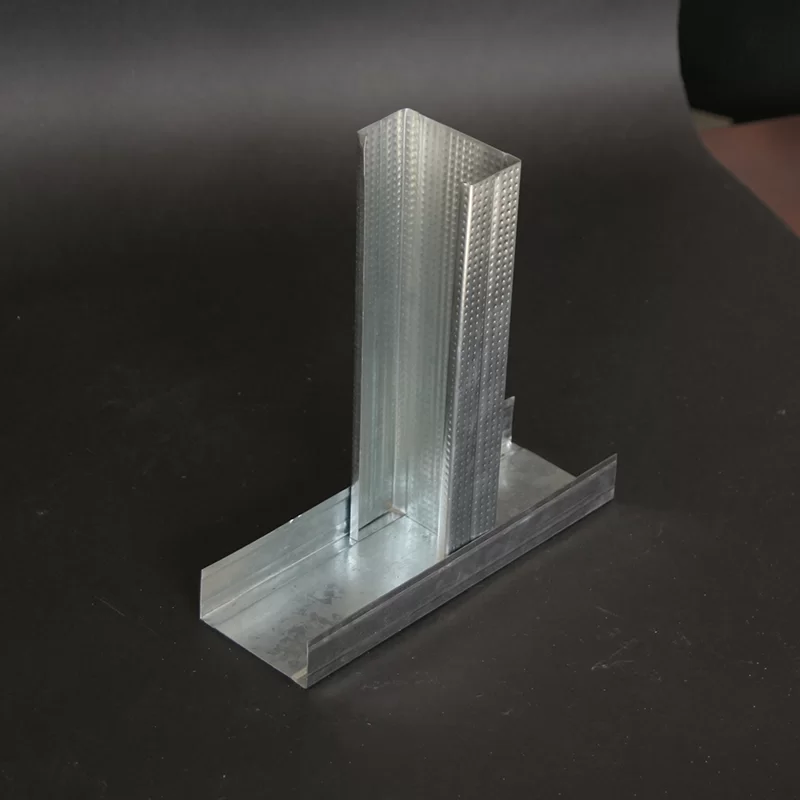
Steel studs form the backbone of modern construction — from towering commercial buildings to cozy homes. Yet, not all steel studs are created equal. The “gauge of steel studs” is a deceptively simple concept that packs a punch in determining strength, durability, and suitability for different applications. In a world striving for better infrastructure and resilience, particularly in areas prone to natural disasters or rapid urbanization, knowing the ins and outs of steel stud gauges is vital.
Globally, the demand for efficient building materials is rising. According to the United Nations Sustainable Development Goals, safe and sustainable infrastructure supports health, education, and economic growth. Steel studs, integral to framing walls quickly and reliably, are a key piece of this puzzle. And frankly, it’s not just about strength or cost — but also about environmental impact, supply chain efficiency, and adaptability.
Defining the Gauge of Steel Studs
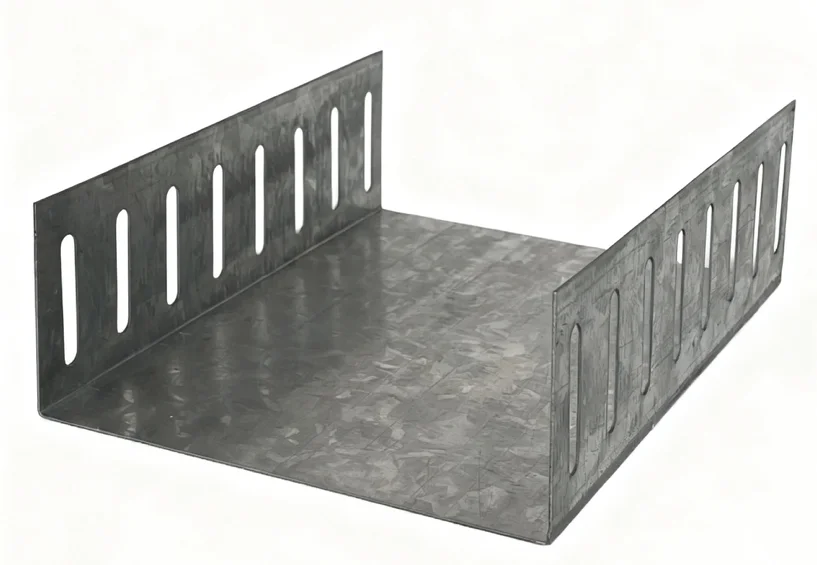
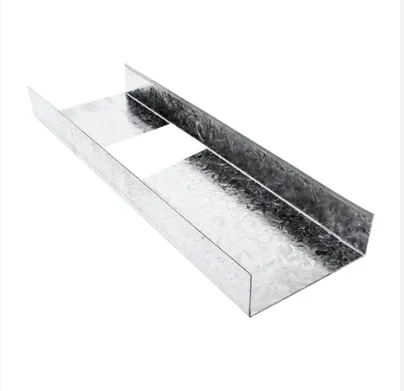
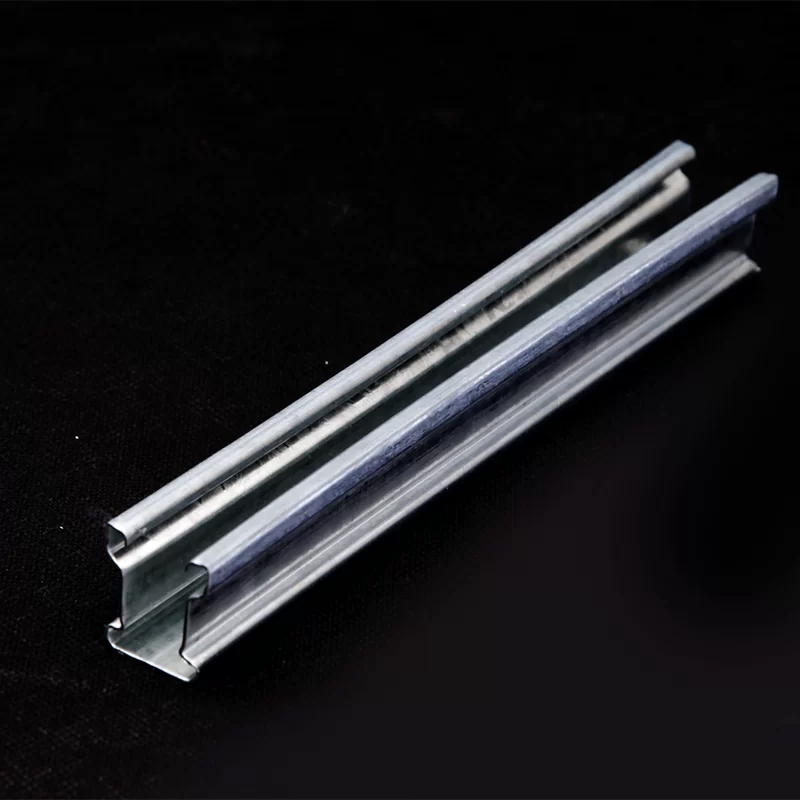
Simply put, the gauge of steel studs refers to their thickness. The gauge number inversely relates to thickness — meaning a smaller gauge number signals thicker steel. For example, a 12-gauge steel stud is thicker and stronger than a 25-gauge. This measurement impacts the stud’s ability to bear loads, resist impacts, and provide soundproofing or fire resistance.
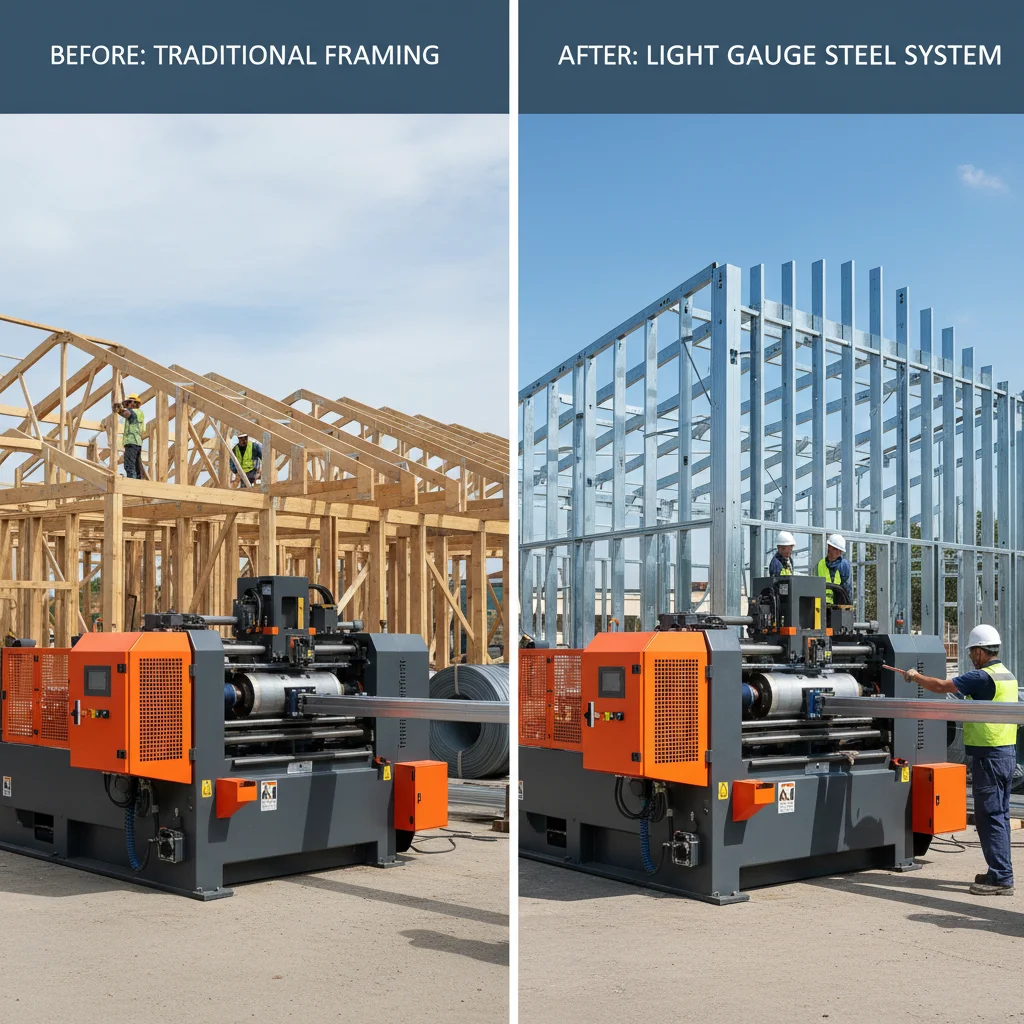
In modern construction sectors — whether commercial, residential, or humanitarian relief housing — the gauge determines not only durability but also installation time and weight. Oddly enough, some non-profits pivot to thinner gauges for lightweight modules to enable easier transport and assembly, especially in remote areas.
Core Components Influencing Steel Stud Performance
1. Durability and Structural Integrity
Thicker gauges enhance resistance to bending or warping, key for multi-story buildings facing wind or seismic stress. It’s no surprise building codes often specify minimum gauges based on expected load factors.
2. Scalability and Installation Efficiency
Thinner gauges can be easier to cut and handle, speeding up construction but sometimes sacrificing robustness. That’s why projects balance gauge choice with labor costs and timelines.
3. Cost Efficiency
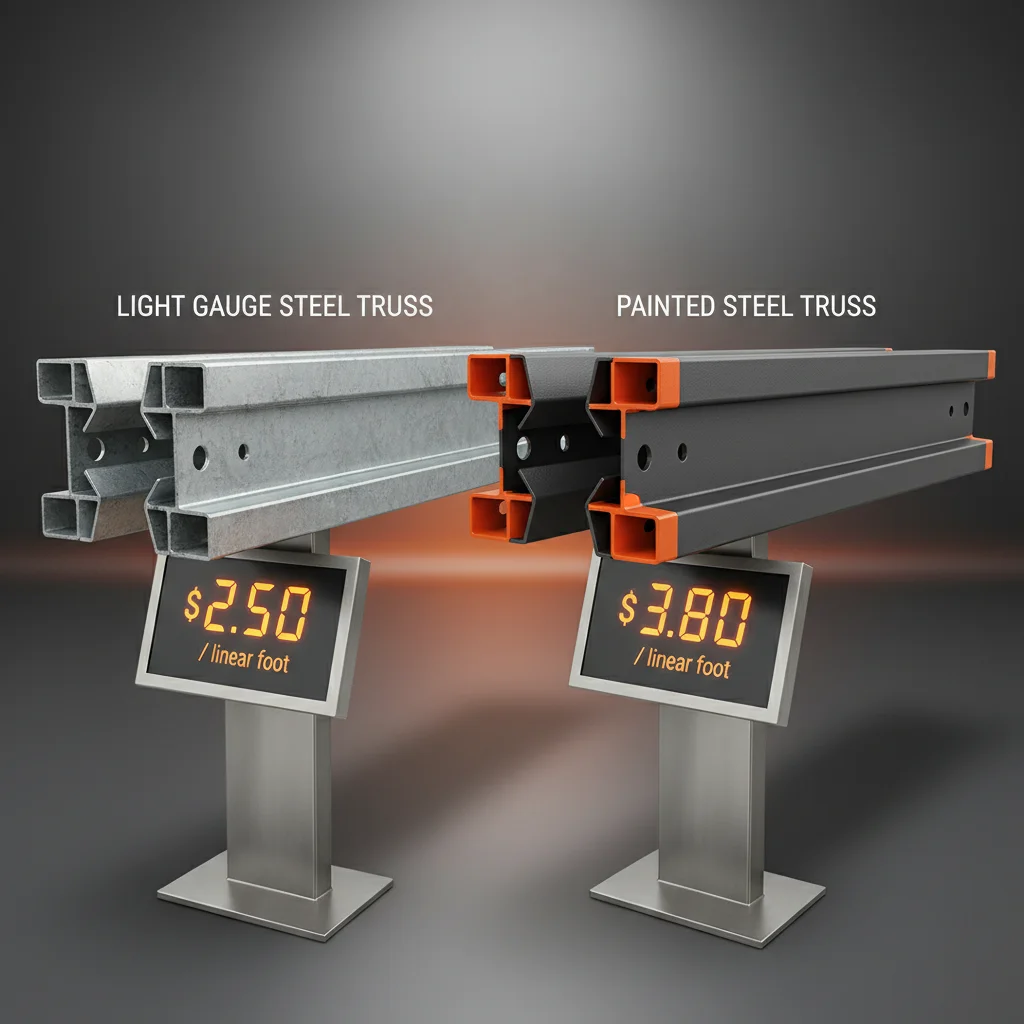
Steel gauge affects price per unit length significantly. Heavier guage steel costs more upfront but may reduce maintenance or repair expenses down the road.
4. Fire Resistance and Safety
Metal framing generally offers better fire resistance than wood. But gauge can influence how long the studs maintain structural integrity during fire — thicker sections perform better here.
5. Compatibility with Insulation and Finishing Materials
Varying gauges impact cavity sizes for insulation or how panels attach, affecting overall thermal performance and comfort of the building.
Mini takeaway: The gauge of steel studs is a nuanced factor balancing strength, speed, budget, and building performance — the ultimate trade-off in design decisions.
Global Applications and Real-World Examples
This isn’t just about city skyscrapers in New York or Shanghai. Across continents, gauge selection adapts to context.
- Post-disaster reconstruction: After earthquakes or hurricanes, rapid deployment housing often uses thinner steel gauges to ease shipping and manual assembly — NGOs rely on gauge of steel studs knowledge for these quick-turn shelters.
- Industrial warehouses: In North America and Europe, heavier gauges, like 12- or 14-gauge studs, support vast roofing spans under heavy snow loads.
- Affordable urban housing: In rapidly growing cities of Southeast Asia, 20- to 25-gauge steel framing balances cost and build speed.
Each region adapts to local needs and resource availability — underscoring how globally relevant the gauge factor really is.
Advantages and Long-Term Value of Choosing the Right Gauge
Let’s be clear: Getting gauge right means more than ticking technical boxes. From a cost perspective, it reduces waste and rework. From a social stance, it contributes to occupant safety and well-being. There’s also an emotional comfort to knowing your home or office frame won’t buckle under stress.
Sustainability is a big deal, too. Steel is 100% recyclable, and optimizing gauge reduces resource extraction by using only what’s needed. It feeds into circular economy goals advocated by organizations like ISO.
Product Specification Table: Typical Steel Stud Gauges
| Gauge |
Thickness (inches) |
Typical Use |
Weight (lbs/ft) |
| 12 |
0.106 |
Heavy-duty framing, load-bearing walls |
1.54 |
| 16 |
0.0598 |
Standard interior partitions |
0.86 |
| 20 |
0.0359 |
Non-load-bearing walls, light framing |
0.42 |
| 25 |
0.0179 |
Ceiling supports, finishes |
0.21 |
Vendor Comparison: Steel Stud Gauges Offered
| Vendor |
Gauge Range |
Special Features |
Typical Customers |
| SteelWorks Co. |
12 - 25 |
Custom lengths, corrosion-resistant coating |
Commercial builders, shipping container homes |
| EcoSteel Industries |
14 - 22 |
Recycled steel content, lightweight profiles |
Affordable housing NGOs, modular construction firms |
| BuildPro Supplies |
16 - 25 |
Fast delivery, pre-punched holes for wiring |
DIY homebuilders, small contractors |
Future Trends & Innovations in Steel Stud Gauge Usage
It’s a pretty dynamic field. Advanced manufacturing means gauges can be tailored precisely, blending steel with composites to cut weight without losing strength. Digitally driven design tools even enable architects to simulate how gauge changes impact building stability and energy efficiency before construction starts.
On the sustainability front, "green steel" production powered by renewable energy is gaining ground — which will revolutionize the eco-profile of steel studs. Automation also reduces human error in cutting and installation, making gauge compliance more consistent, and thus safer.
Challenges in Gauge Selection and How to Overcome Them
Choosing the right gauge isn’t always straightforward. Supply chain disruptions might limit options. Also, thinner gauges tend to dent or warp more easily if handled roughly — challenging onsite quality control.
Experts recommend thorough training for installers alongside clear project specs. Innovations in coatings and hybrid materials offer practical solutions to minimize corrosion and damage — ultimately extending lifespan.
FAQ: Frequently Asked Questions About Gauge of Steel Studs
- Q: How do I decide which gauge of steel studs to use for residential construction?
A: It depends on wall function. Load-bearing walls typically require 12 or 14-gauge for strength, while non-load-bearing interior partitions can use 20-gauge. Local building codes often provide clear guidelines.
- Q: Can thinner gauge steel studs be used in hurricane-prone areas?
A: Generally, thicker gauges are preferred for resistance to high winds. However, designing with proper bracing and anchors can allow some use of lighter gauges in less critical areas.
- Q: Is there a cost difference between using a 12-gauge and a 20-gauge steel stud?
A: Yes, 12-gauge steel is thicker and heavier, thus more costly per unit. But its durability can reduce maintenance costs in the long run, especially in commercial applications.
- Q: How important is corrosion resistance in selecting steel stud gauges?
A: Very important, especially in humid or coastal environments. Some vendors offer coated steel studs or galvanization that can be decisive regardless of thickness.
- Q: Where can I learn more about compliance and standards for steel stud gauges?
A: Organizations like the American Iron and Steel Institute (AISI) and ISO provide detailed standards and guidelines for gauge thicknesses and applications. Consulting these is wise for engineers and architects.
Conclusion: Why Gauge Matters and What to Do Next
In real terms, the gauge of steel studs is more than a number. It’s a practical tool shaping everything from safety and speed, to sustainability and cost in your build projects. Whether you’re building affordable housing or the next commercial landmark, gauge selection impacts every nail and panel along the way. So, dive deeper into your options — and consider trusted vendors that match your project scope and values.
If you want to explore quality steel stud options and expert advice tailored for your next project, visit gauge of steel studs today. It might just make the difference between a good build and a great one.
Steel framing might sound dull to some — but trust me, it’s an unsung hero of modern infrastructure.
Quick Reflection: It’s remarkable how such a small detail — gauge thickness — can ripple into major outcomes in safety, sustainability, and economics. When you dig in, it feels like a blend of art and science, balancing raw physics with real-world needs. Hopefully, this gives you a fresher perspective on what gauge really means.
- Wikipedia: Steel
- ISO Standards for Steel
- UN Sustainable Infrastructure Goals