Glueing Drywall to Studs: What It Is and Why It Matters
Glueing drywall to studs — it might sound like just another step in building walls, but honestly, it’s a bit more pivotal than that. This simple methodology affects how buildings stand up to wear and tear, energy efficiency, and even indoor air quality. Globally, with urbanization and housing demands rising, understanding this practice can help ensure stronger, safer, and more sustainable structures. Plus, mastering glueing techniques can save time and reduce costs in the construction industry worldwide.
Glueing Drywall to Studs: A Global Perspective
Look around the world — the construction sector accounts for nearly 39% of global CO2 emissions, with building materials and techniques playing a huge role in these figures (source: International Energy Agency). As countries develop, faster and more efficient building methods like adhesive fastening of drywall instead of just screws or nails gain prominence. This trend supports the industry's push toward automation, faster assembly times, and better energy performance in buildings. Yet, challenges like material compatibility and durability remain an ongoing challenge that professionals strive to address.
What Does Glueing Drywall to Studs Mean?
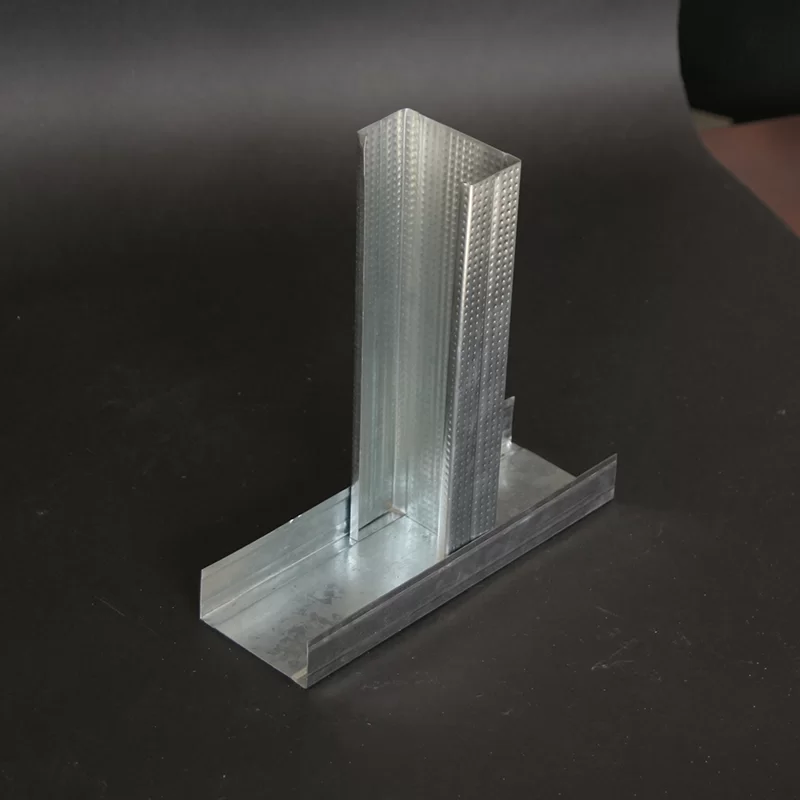
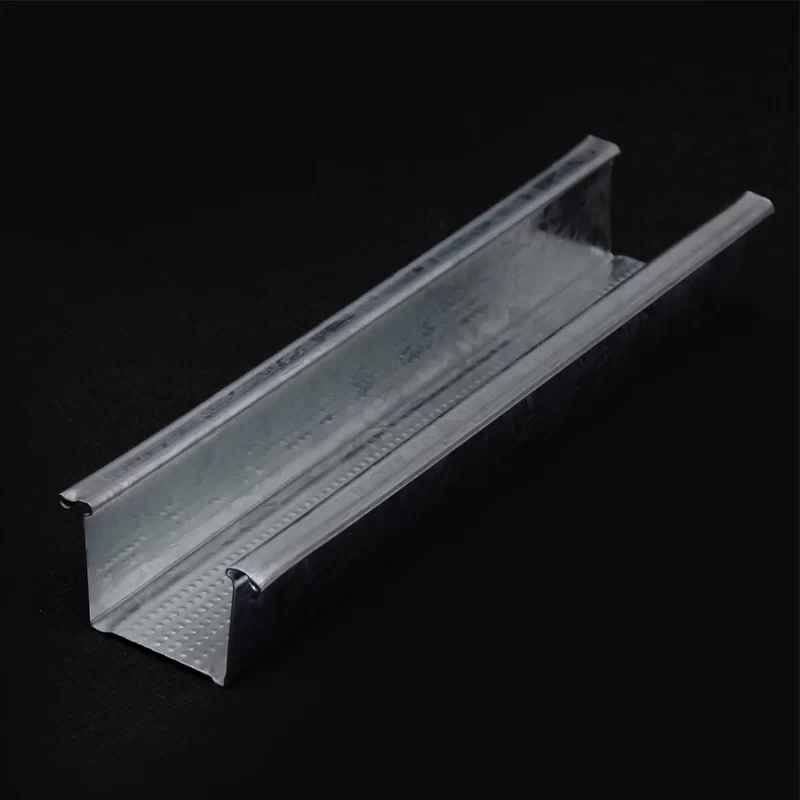
In straightforward terms, glueing drywall to studs means fastening drywall panels not only mechanically (with screws or nails) but also using specialized construction adhesives onto stud frames—these are typically wood or metal supports making up the wall’s skeleton. This dual fixation approach expands the traditional drywall installation process, resulting in smoother walls with fewer fastener indents, improved soundproofing, and enhanced load distribution. In modern construction and humanitarian relief shelters alike, the method accelerates build times and yields a better finished product.
Key Factors of Glueing Drywall to Studs
1. Durability and Structural Integrity
Adhesives provide strong bonding, reducing drywall movement and minimizing cracks or squeaks. Glue spreads loads more evenly across studs, making walls less prone to failures over time.
2. Speed and Scalability
Glueing reduces the number of screws needed and may simplify labor requirements. In large projects or emergency housing builds, this can translate to significant time savings.
3. Acoustic and Thermal Performance
A glued drywall surface eliminates gaps that might otherwise let sound or air leak through. Better sealing means improved insulation efficiency and indoor comfort.
4. Cost Efficiency
While high-quality adhesives aren’t free, the reduced labor hours and fewer mechanical fasteners can balance out expenses, especially where skilled workforce availability is limited.
5. Material Compatibility and Environmental Concerns
Using eco-friendly adhesives compliant with standards like ISO 21930 ensures low VOC emissions and safe indoor air quality. Selecting products certified to environmental benchmarks is becoming common.
Mini takeaway: Glueing drywall to studs isn't just about sticking things together—it's an interplay of durability, speed, performance, and sustainability that shapes modern building practices worldwide.
Product Specifications for Construction Adhesives Commonly Used in Glueing Drywall
| Specification |
Value/Range |
Notes |
| Adhesive Type |
Polyurethane or Latex |
Polyurethane offers stronger bonds; latex is easier to handle |
| Open Time |
5–15 minutes |
Time allowed before panels must be pressed to studs |
| Shear Strength |
Up to 300 psi |
Higher strength adhesives support better load carrying |
| VOC Content |
| Complies with indoor air quality standards |
| Cure Time |
24 hours (full bond strength) |
Depends on temperature and humidity |
Vendor Comparison: Leading Adhesive Brands for Drywall Installation
| Feature |
Brand A (Poly-Bond) |
Brand B (StickPro) |
Brand C (EcoGrip) |
| Adhesive Type |
Polyurethane |
Latex |
Latex, Low VOC |
| Shear Strength |
295 psi |
200 psi |
180 psi |
| Open Time |
10 min |
7 min |
15 min |
| VOC Level |
60 g/L |
70 g/L |
<50 g/L |
| Price per Liter |
$18 |
$15 |
$20 |
Real-World Applications Around the Globe
In North America and Europe, glued drywall to studs is standard for residential and commercial constructions aiming at high energy efficiency ratings. Construction firms tout the improved indoor air quality and reduced call-backs for wall repairs. Meanwhile, in emerging markets and post-disaster zones, glueing drywall to studs accelerates emergency shelter build-out, helping communities regain dignity through quick and safe shelter provision.
For instance, NGOs in Southeast Asia use prefabricated drywall panels glued to metal studs as a quick-deploy housing solution after typhoons. This method ensures stronger walls that require less finishing work, speeding up the recovery process.
Advantages & Long-Term Value
- Cost and Labor Savings: Efficient installation reduces man-hours and material waste.
- Durability: Better bonding reduces cracks and squeaks, extending wall lifespan.
- Environmental Impact: Modern adhesives contribute to greener construction standards and indoor air quality.
- Human Aspect: Safer, quieter homes mean enhanced comfort and well-being – which often gets overlooked.
Looking Ahead: Trends and Innovations
Frankly, adhesive tech keeps evolving — emerging formulations offer stronger bonds, faster cure rates, and bio-based ingredients that reduce environmental footprints. There’s a push toward integrating digital monitoring during installation, ensuring even adhesive application and quality assurance. Eventually, robotics might automate drywall glueing in factories or even on-site. Sustainability-wise, expect more products certified by environmental standards such as LEED or WELL.
Challenges & Innovative Solutions
Of course, glueing drywall to studs isn’t without wrinkles. Moisture intrusion can undermine glue effectiveness. Selecting adhesives that resist humidity and pairing them with vapor barriers is essential. Also, uneven surfaces complicate adhesion – here, skilled preparation and using flexible adhesives help. I’ve seen some projects experiment with hybrid fastening — a few screws plus glue — for the best compromise in tricky environments.
FAQ: Frequently Asked Questions About Glueing Drywall to Studs
- Q: Is glueing drywall to studs stronger than using screws alone?
- A: Adhesives distribute loads more evenly and reduce drywall movement, increasing wall durability. When combined with screws, it often results in the strongest and smoothest finish.
- Q: Can adhesives used for drywall pose indoor air risks?
- A: High-quality modern adhesives often have low volatile organic compounds (VOCs) and comply with strict indoor air quality standards, making them safe for inhabited spaces.
- Q: Does glueing drywall save installation time?
- A: Yes, especially on large projects or in prefab situations — fewer screws needed and fewer callbacks reduce total labor hours.
- Q: Are there eco-friendly adhesive options for drywall application?
- A: Absolutely. Many manufacturers now market bio-based or low-VOC adhesives certified by ISO and LEED standards aimed at sustainable building practices.
- Q: How do I choose the right adhesive for my drywall project?
- A: Consider substrate type (wood vs. metal studs), expected humidity conditions, cure time, VOC levels, and consult product datasheets. If unsure, testing a small area first is recommended.
Conclusion: Why You Should Care About Glueing Drywall to Studs
So, while the idea of glueing drywall to studs might seem mundane, its impact resonates across cost savings, building durability, environmental responsibility, and even human comfort. It’s a seemingly small innovation, but one that quietly supports safer, faster, and greener construction globally. If you’re curious to explore deeper or source quality products and expert advice, visit our website — we’re here to help you get the job done right.