Understanding Metal Profile for Plasterboard: The Backbone of Drywall Construction
Over the past decade working in the industrial equipment and construction sectors, one thing's become crystal clear to me: the humble metal profile for plasterboard is a quiet hero in building interiors. It might not make headlines like drywall sheets do, but ask any seasoned installer, and they’ll tell you how critical these steel frameworks are to a lasting, flawless finish.
You know, there’s a sort of irony here. These profiles are just cold, rolled steel strips—simple enough, right? But their design, material thickness, and even the coating can make or break a project. I remember once on site, a contractor told me, “If you want the drywall to outlast the building, get your metal profiles right.” And looking back at some of those earlier projects with flimsy or under-specified profiles, he wasn’t wrong.
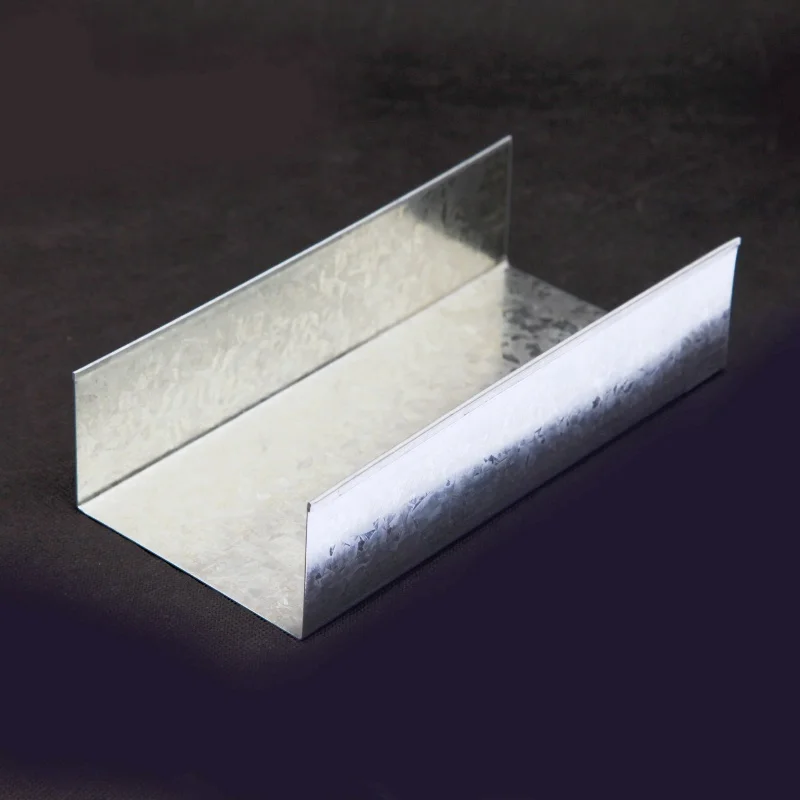
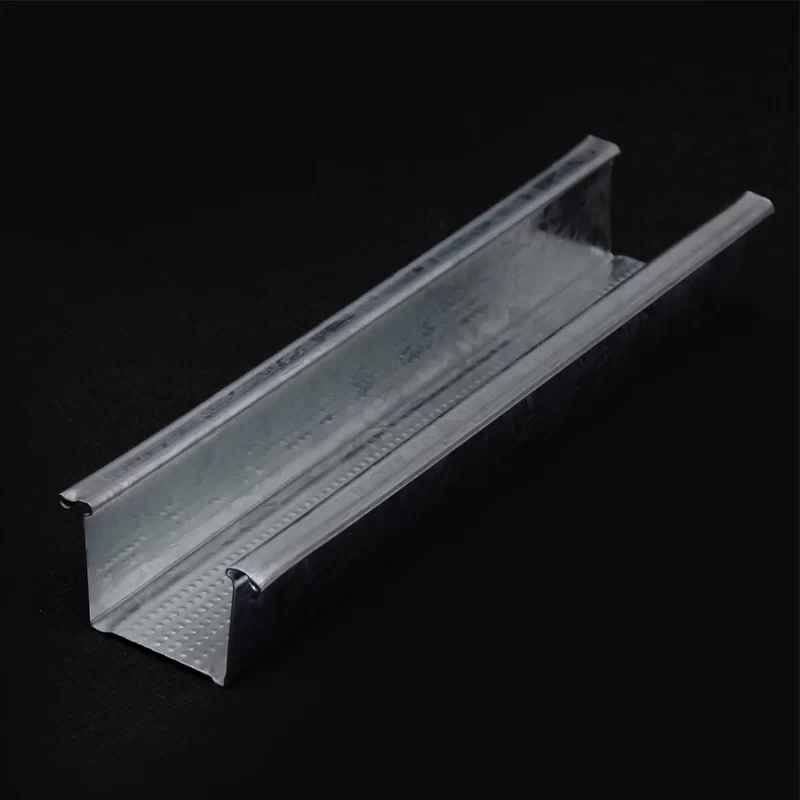
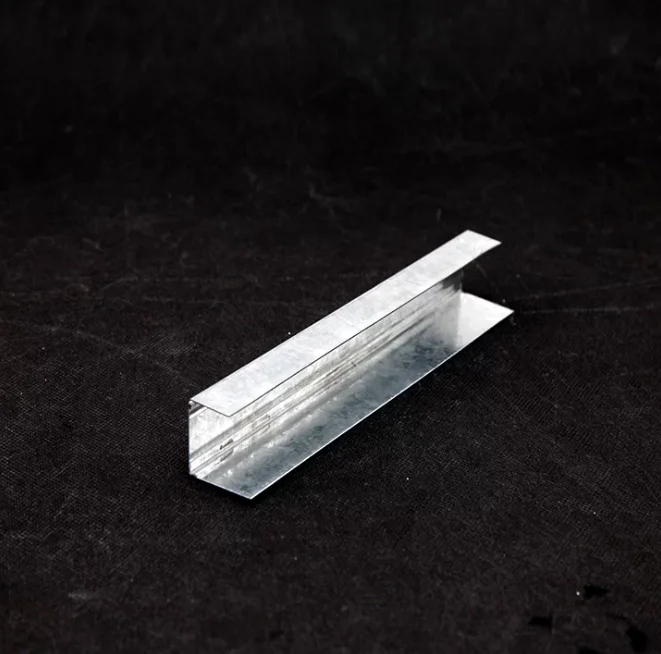
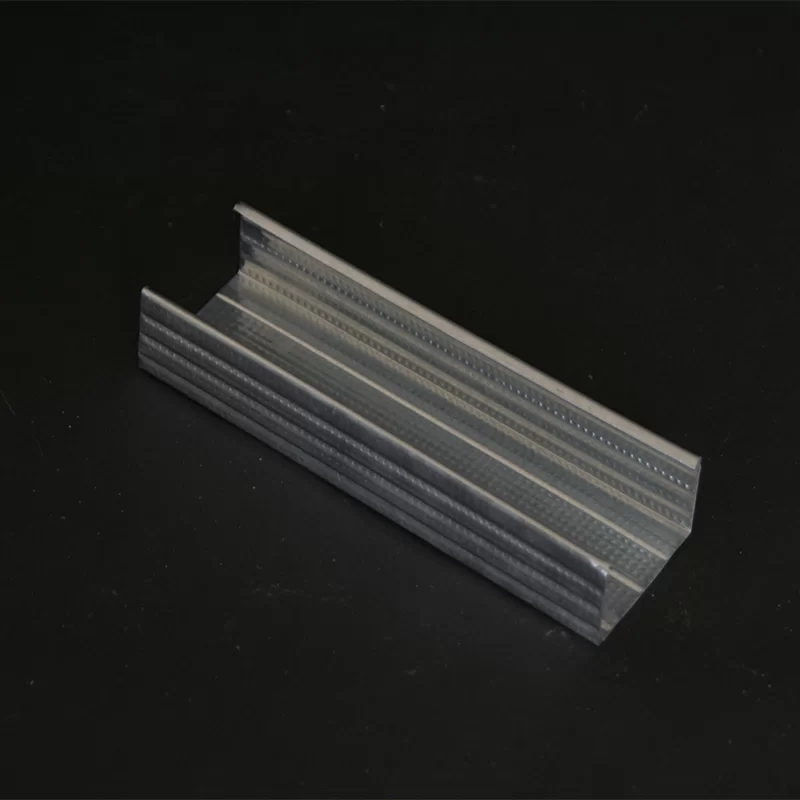
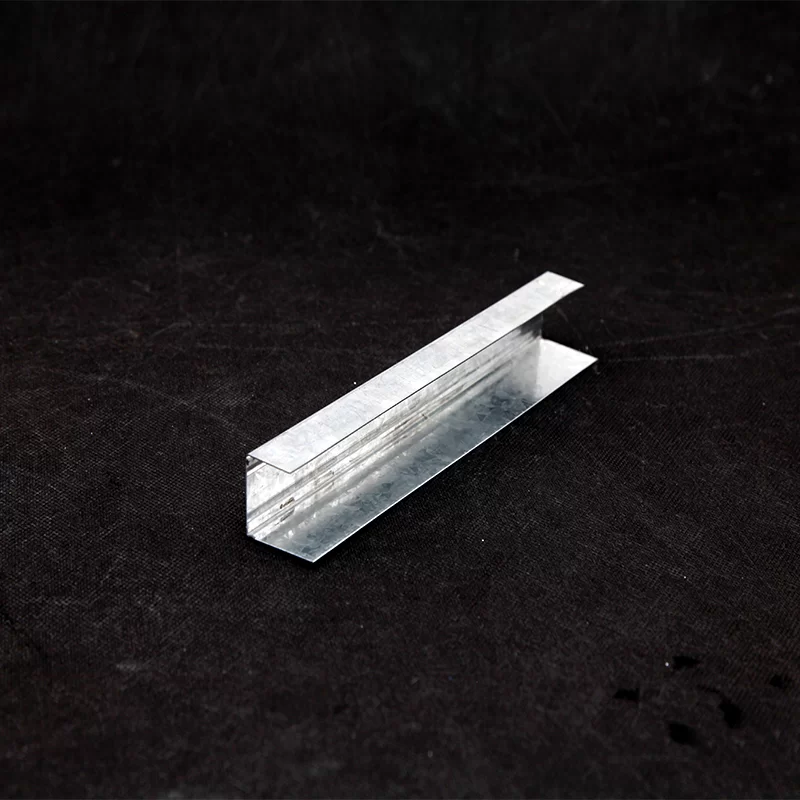
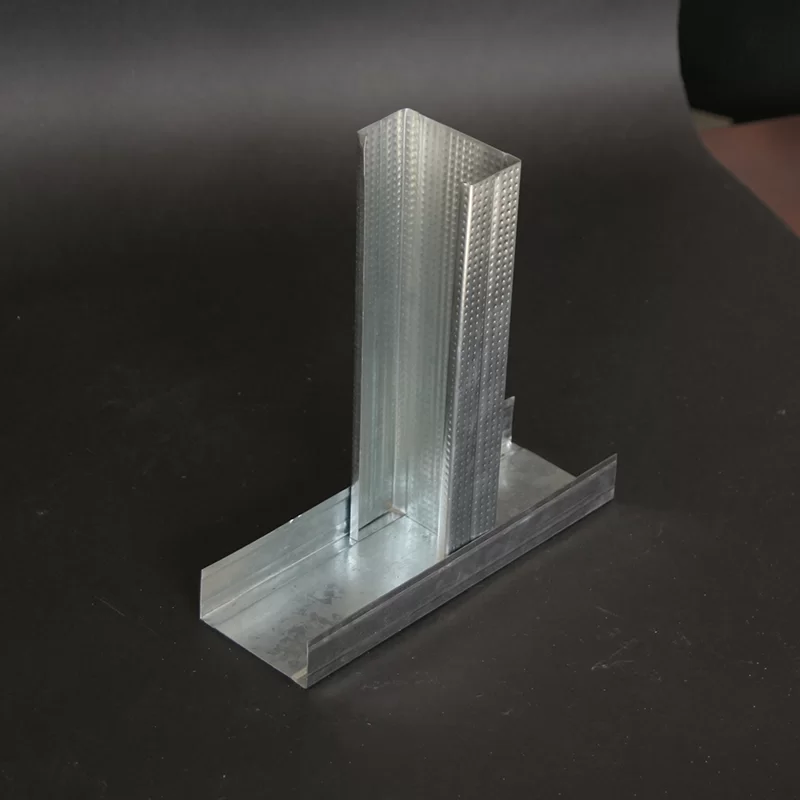
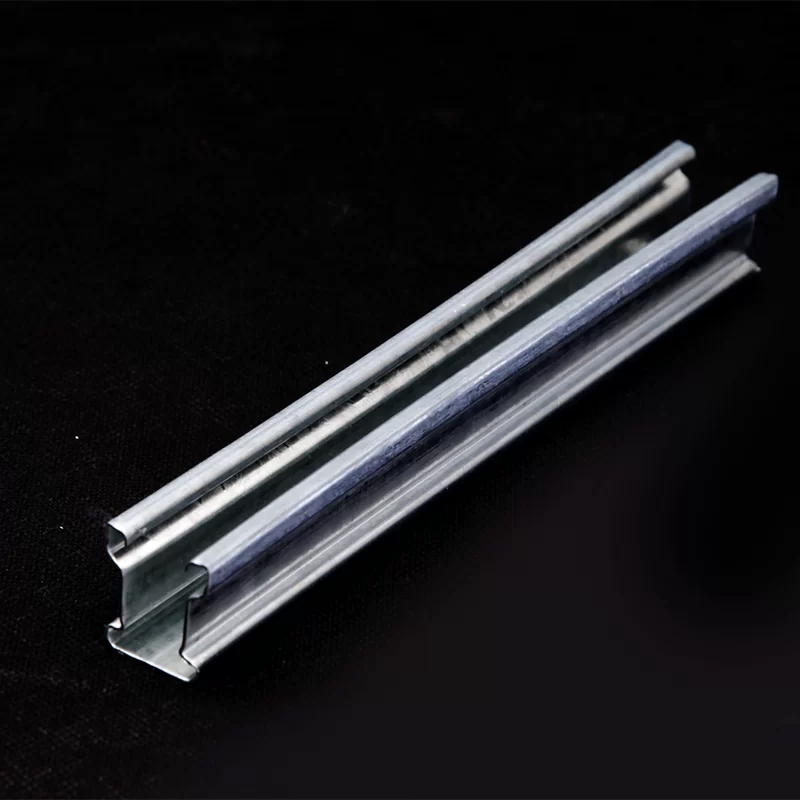
Metal profiles serve as the skeletal support to plasterboard walls and ceilings, providing shape, structural integrity, and resistance against warping or bending over time. Frankly, the industry is leaning towards galvanized cold-rolled steel profiles because of their strength-to-weight ratio and corrosion resistance, especially in humid environments.
Let’s break down some key specs I’ve seen consistently in top-grade metal profiles used around the world:
| Specification |
Typical Value |
Notes |
| Material |
Galvanized Cold-Rolled Steel |
Prevents rust, improves durability |
| Thickness |
0.5mm – 0.8mm |
Varies by structural requirements |
| Width |
20mm – 75mm |
Common profiles: C, U, L shapes |
| Length |
3m – 4.2m |
Standard for most projects |
| Coating |
Zinc or Zinc-Aluminum Alloy |
Enhanced corrosion resistance |
Choosing the right profile isn’t just about specs, though. Many engineers point out the importance of testing, framing tolerances, and a profile’s ability to absorb vibrations — which oddly enough, impacts ceiling sound insulation in a subtle but noticeable way.
If you're in the market, you’ll likely encounter a few major brands. From my experience, these vendors each have their quirks, strengths, and special focuses. Here is a quick comparison to help you navigate:
| Vendor |
Material Quality |
Customization |
Lead Time |
Price Range |
| JinkaiBM |
High-grade galvanized steel |
Wide range of profiles and lengths |
2-3 weeks |
Competitive |
| SteelBeam Co. |
Medium-grade steel with zinc coating |
Limited profiles, mostly standard sizes |
1-2 weeks |
Lower-mid range |
| ProWall Systems |
Premium steel, thicker gauges available |
Highly customizable |
3-4 weeks |
High-end |
In real terms, what stuck with me was a mid-sized contractor I worked with in the Midwest. Switching from cheaper, non-galvanized profiles to JinkaiBM’s galvanized metal profiles made a noticeable difference in installation speed and post-construction maintenance calls. The frames held up better to humidity swings without curling or rusting, which frankly, can save a lot of headaches down the line.
And that’s just part of the story — versatility is king with these profiles. Architects and builders often value how profiles can be bent or cut to fit odd corners or curves. It’s kind of like jewelry – a little flexibility paired with strength makes all the difference.
If you want to get into specifics, measuring deflection, metal yield strength, and bending stiffness can tell you a lot about whether a metal profile is up to snuff for your project. For most commercial interiors, you’re looking for steel that complies with ISO or ASTM standards — it’s a straightforward yardstick for quality, trust me.
All told, the metal profile may be ‘just steel’, but its role in creating those clean, seamless surfaces we all take for granted can’t be overstated. And if you want my two cents: picking a reliable supplier like JinkaiBM and insisting on galvanization will keep your drywall frames standing strong for decades.
Building better interiors starts with the unseen - and metal profiles quietly carry that load, one project at a time.
References:
- ASTM International Standards for Steel Framing
- ISO 9001 Quality Management Insights
- Interviews with Industry Experts – Building Construction Journal, 2022