Hit enter to search or ESC to close
January 19, 2026
Modern interior construction has evolved significantly over the past decades, driven by the demand for higher acoustic performance, increased energy efficiency, faster installation solutions, and flexible MEP (mechanical, electrical, plumbing) integration. Among the systems that enable these capabilities are the Furring Direct Fix Clips, Suspended Ceiling Clips, and the Suspended Steel Framing System. Together, these components support drywall ceilings, acoustic panels, and building services with precision, durability, and long-term structural performance.
As commercial, residential, and institutional buildings continue to prioritize comfort and efficiency, understanding how these systems function—and why they are widely used—has become increasingly important for architects, interior contractors, and builders.
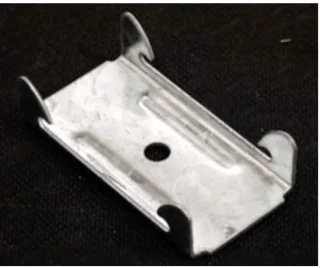
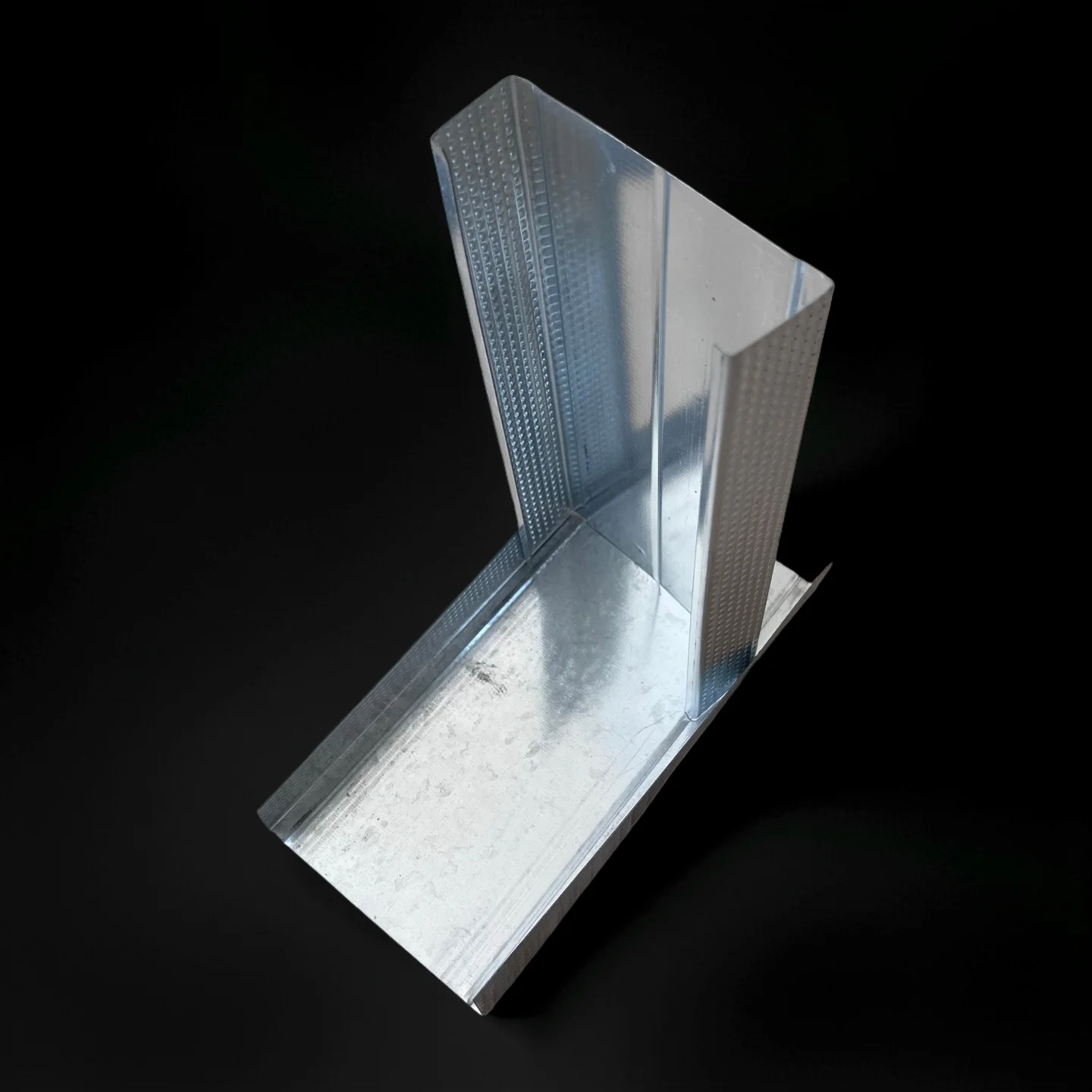
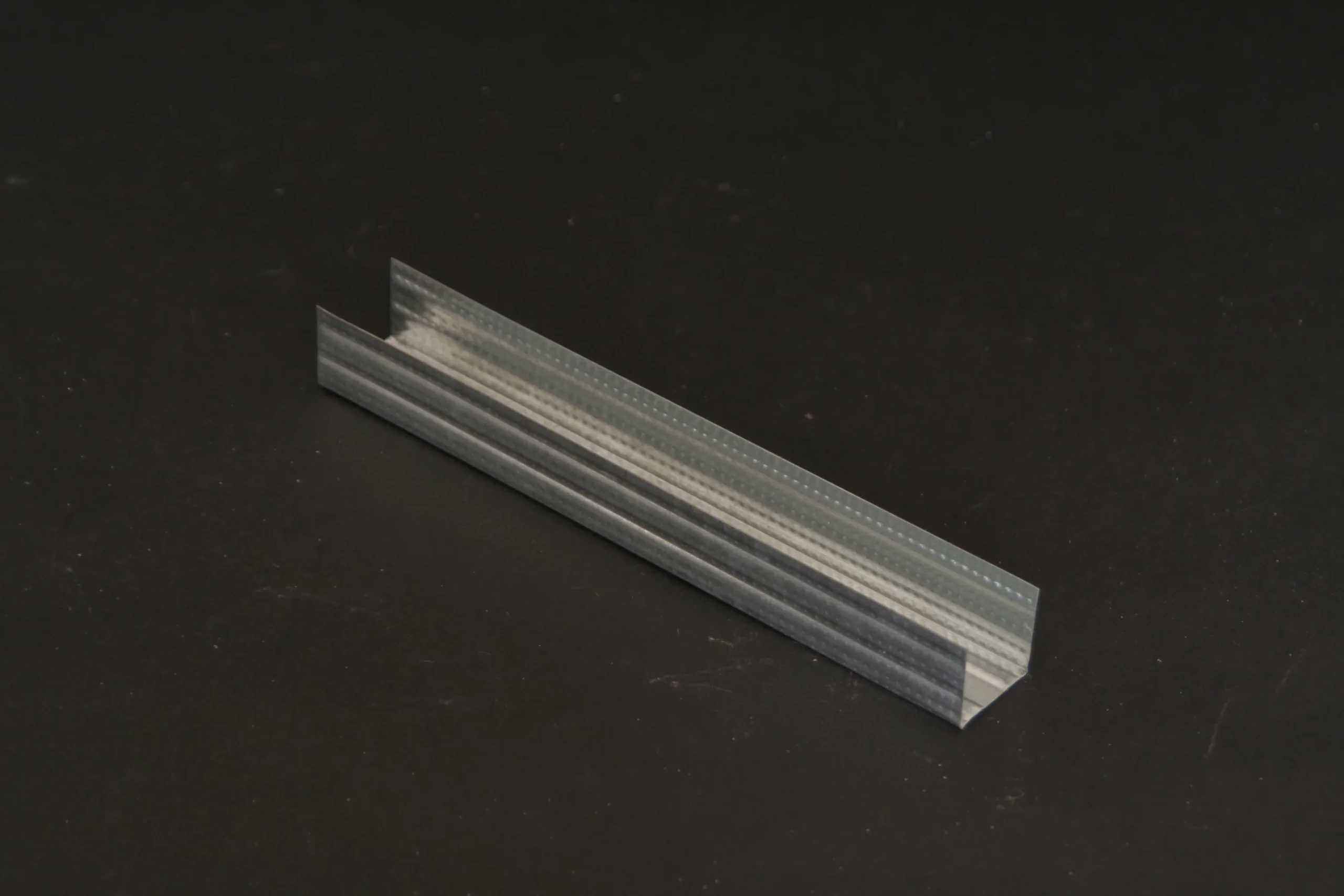
One of the most versatile installation accessories in lightweight construction is the Furring Direct Fix Clips. These clips are designed to secure furring channels directly onto building surfaces such as concrete slabs, masonry walls, or steel structures.
Surfaces in both new construction and renovation environments are not always perfectly level. Furring Direct Fix Clips allow installers to mount metal channels at adjustable heights, creating uniform alignment for drywall sheets or acoustic panels. This eliminates visual irregularities and supports superior finishing quality.
Traditional leveling techniques—such as thick plaster coats—are labor-intensive and inconvenient. With Furring Direct Fix Clips, installers can quickly snap or screw channels in place, drastically reducing installation time, labor cost, and drying delays. This efficiency benefits large-scale commercial projects, hotels, and fast-track renovations where time is critical.
The small air cavities created by the channel + clip combination allow space for acoustic batts or thermal insulation. When properly installed, Furring Direct Fix Clips help reduce airborne sound transmission and improve indoor temperature regulation, making them ideal for theaters, schools, meeting rooms, and residential units requiring higher comfort standards.
One major advantage of Furring Direct Fix Clips is their dual application. They can be used for:
Direct-mounted ceiling systems
Internal drywall lining on concrete or brick walls
Over-cladding for acoustic improvement
Re-leveling uneven surfaces
This versatility makes them a valuable standard in modern interior drywall design.
For buildings where pipes, ducts, wiring, and fire protection systems need concealed routing, suspended ceilings are the ideal solution. In these applications, Suspended Ceiling Clips and the Suspended Steel Framing System play an essential structural role.
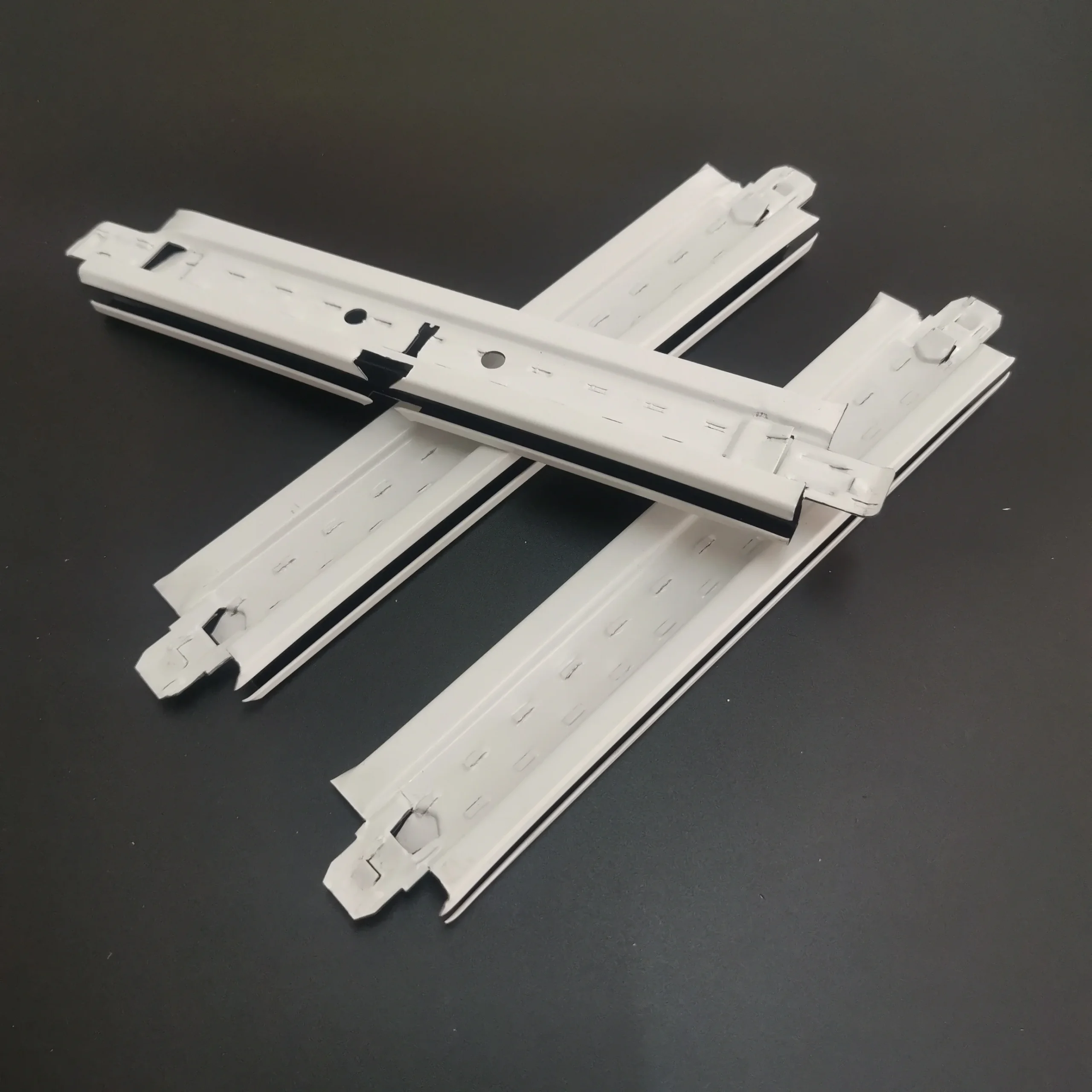
Suspended Ceiling Clips are connector components used to hang ceiling grid systems or furring channels from the main building structure. They work together with wires or hangers to support the suspended ceiling assembly at a specified height.
Typical advantages include:
1. Adjustable suspension heights
2. Strong load-bearing capacity
3. Integration with lighting and HVAC systems
4. Compatibility with steel framing structures
Without Suspended Ceiling Clips, achieving uniform suspended surfaces and reliable service access would be significantly more challenging.
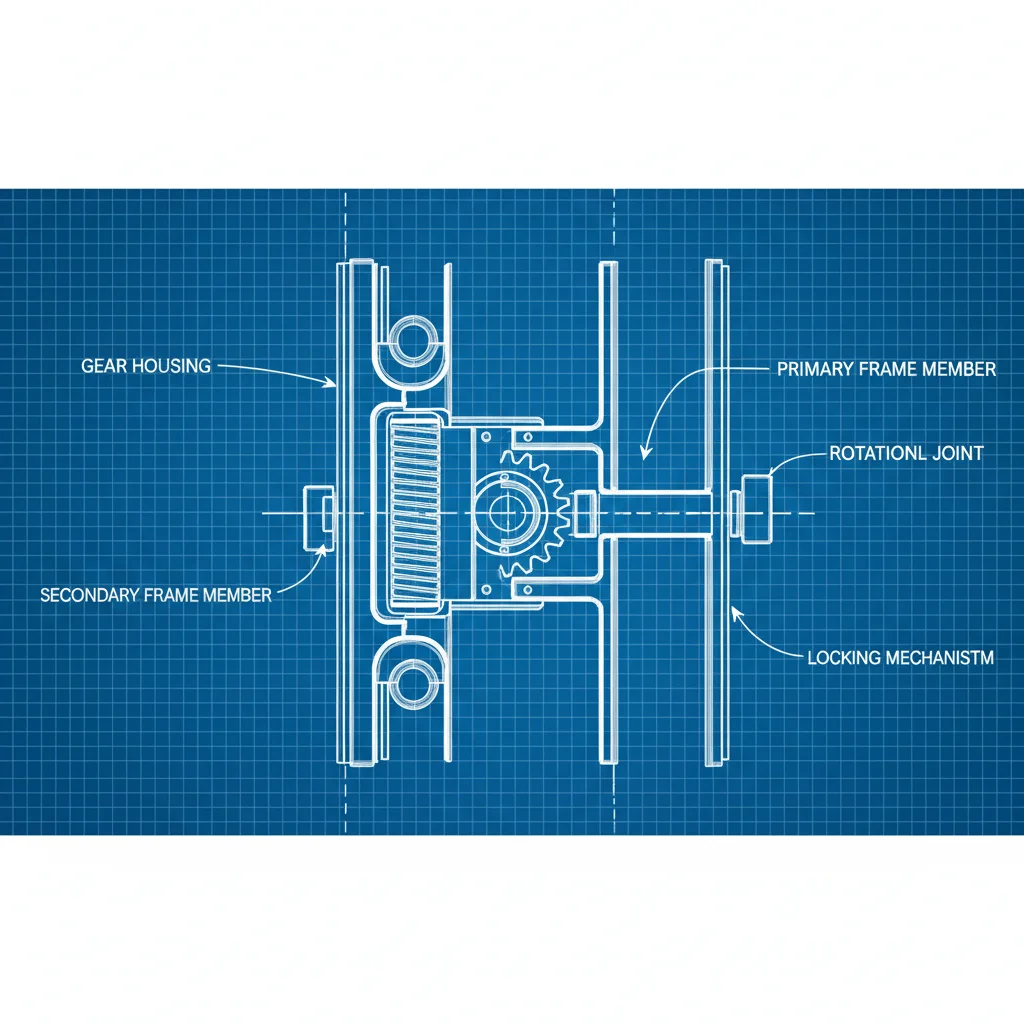
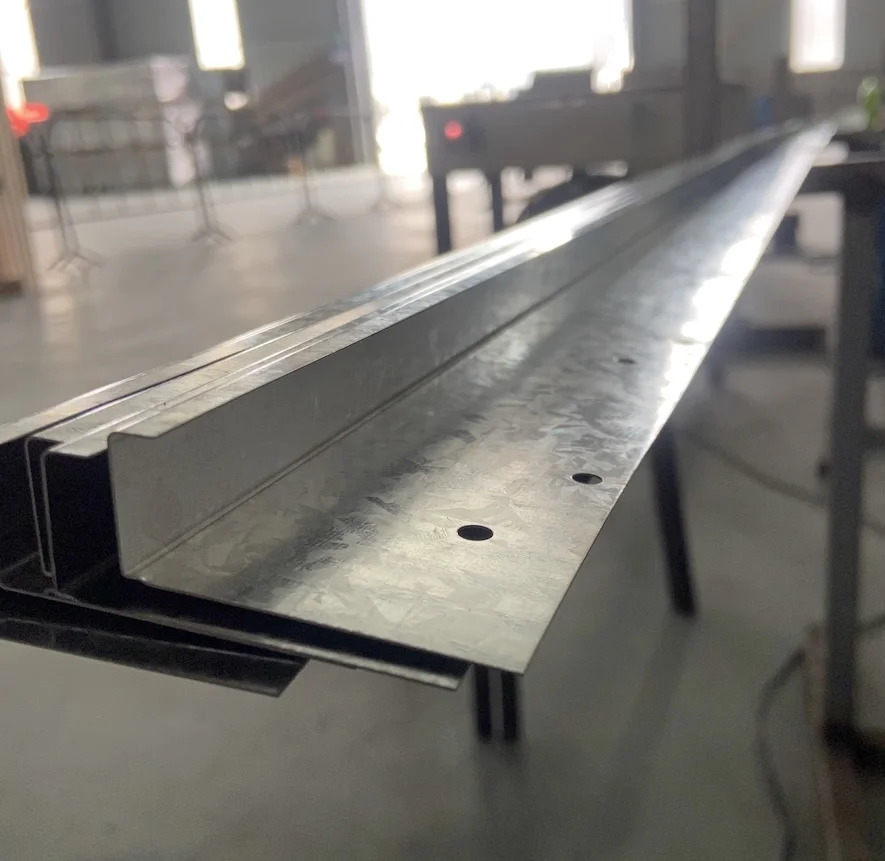
A Suspended Steel Framing System refers to the complete structural assembly that supports gypsum board ceilings, acoustic ceiling tiles, or other suspended ceiling materials. It typically includes:
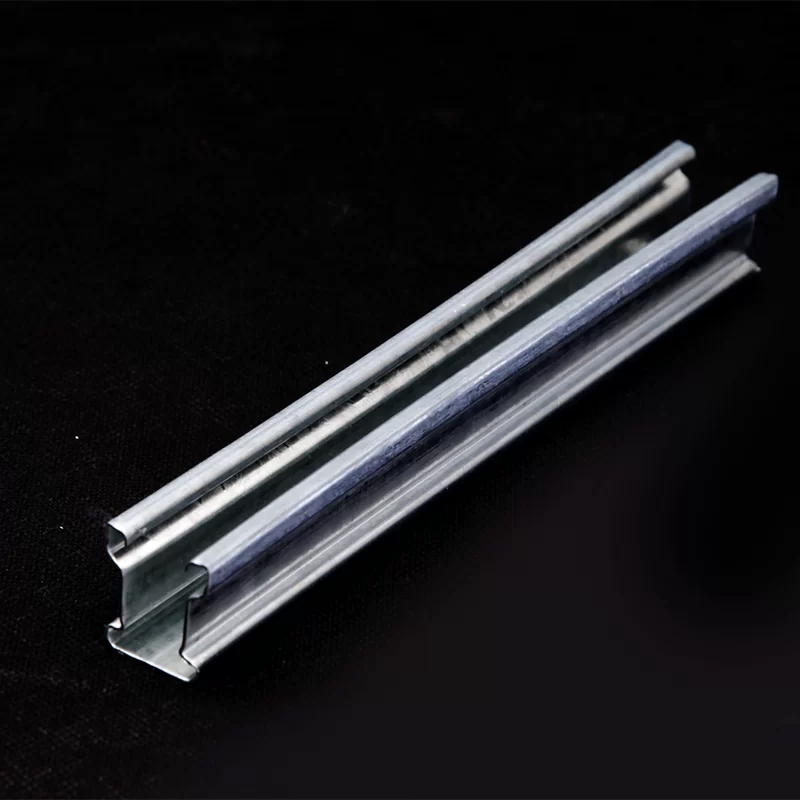
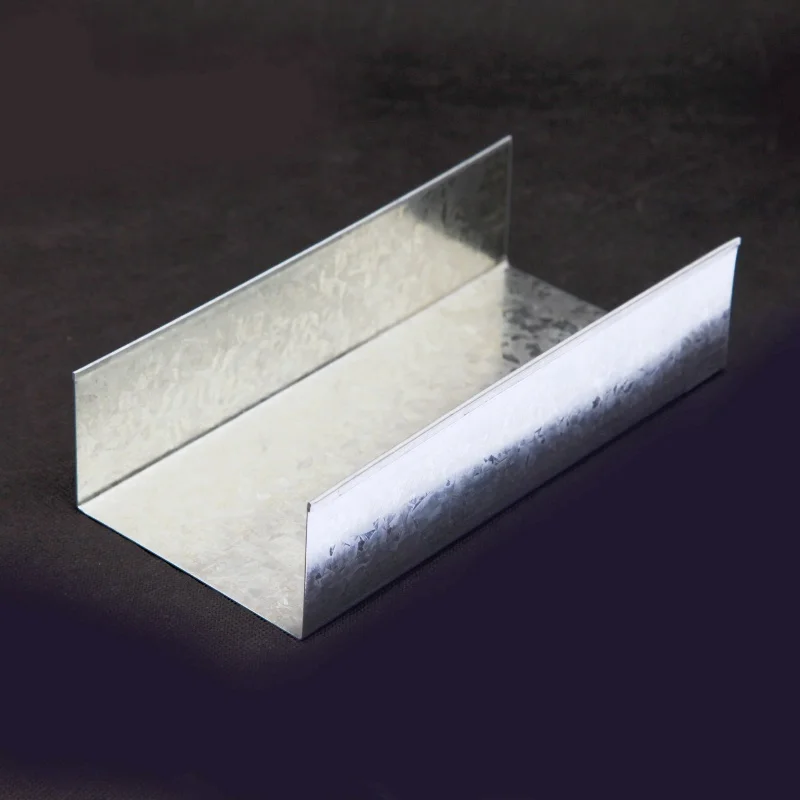
1. Primary and secondary steel channels
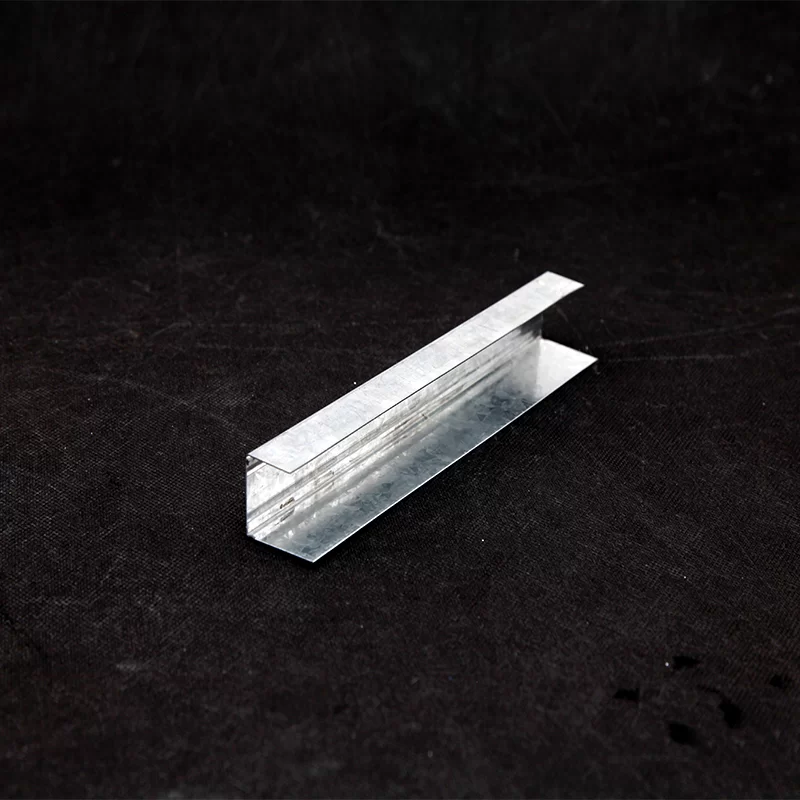
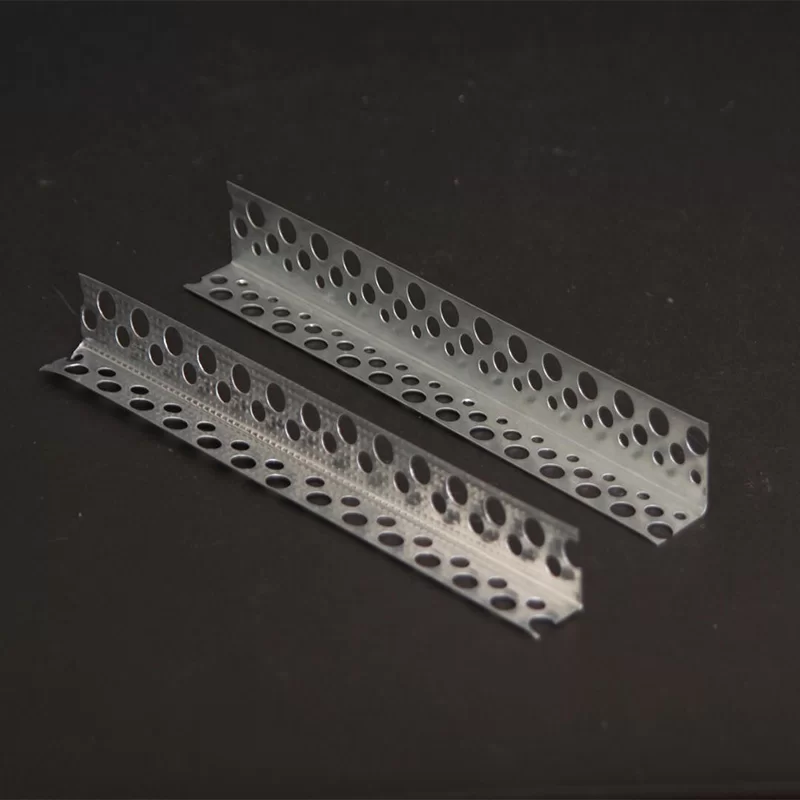
2. Perimeter wall angles or runners
3. Suspended Ceiling Clips
4. Hangers or suspension wires
5. Fasteners and joining accessories
This system creates a stable grid or framework below the structural slab, offering multiple key benefits:
A Suspended Steel Framing System allows contractors to conceal:
1. Electrical conduits
2. Data cabling
3. HVAC ducts
4. Sprinkler pipes
5. Audio/visual wiring
This improves visual cleanliness, building safety, and long-term service accessibility.
Many commercial buildings require noise reduction between floors. By incorporating insulation and vibration-damping clips into the Suspended Steel Framing System, acoustic performance can be greatly enhanced, especially in:
1. Cinemas
2. Schools
3. Hospitals
4. Multi-residential buildings
5. Open office environments
Gypsum boards installed on a Suspended Steel Framing System can be fire-rated and moisture-resistant, improving compliance with building codes in kitchens, service corridors, and high-risk commercial zones.
Curved ceilings, stepped lighting features, air diffusers, and acoustic baffles can all be integrated into suspended systems, supporting both technical and aesthetic design goals.
From structural leveling to acoustic comfort, the combination of Furring Direct Fix Clips, Suspended Ceiling Clips, and the Suspended Steel Framing System plays a defining role in today’s interior construction technology. These components support a wide range of applications—from small apartment renovations to large commercial developments—while providing consistent performance, faster installation, and improved building service integration.
As modern building projects continue to prioritize comfort, flexibility, and silent operation, demand for suspended ceiling systems and their accessories will remain strong. Choosing reliable materials not only enhances interior finishing quality but also minimizes maintenance issues throughout the building’s lifecycle.
For property owners, designers, and contractors, understanding how these systems function is an important step toward creating interiors that are visually appealing, acoustically comfortable, service-friendly, and compliant with international performance standards.
If you are planning a construction or renovation project involving suspended ceilings, consider evaluating your clip systems, framing components, and acoustic requirements to ensure long-term reliability and comfort.
Furring Direct Fix Clips are used to mount metal furring channels directly to walls or ceilings, providing alignment for drywall boards and allowing for insulation installation.
Yes. Suspended Ceiling Clips are essential components that connect the ceiling framing to the building structure, allowing adjustable suspension and maintaining a uniform ceiling level.
A Suspended Steel Framing System typically includes primary/secondary steel channels, perimeter wall runners, Suspended Ceiling Clips, hangers, and fasteners.
Yes. When paired with insulation materials, Furring Direct Fix Clips, Suspended Ceiling Clips, and a Suspended Steel Framing System significantly reduce airborne and impact noise.
Absolutely. Suspended Steel Framing Systems are widely used in residential apartments, homes, and villas to conceal services, integrate lighting, and improve ceiling aesthetics.