Hit enter to search or ESC to close
February 26, 2026
Looking to buy suspended ceiling grid? A suspended ceiling, also known as a drop ceiling, is a fantastic way to enhance the aesthetic and functionality of any space. But choosing the right grid system is crucial for a successful installation. This guide will cover everything you need to know about suspended ceiling grids, from types and materials to installation considerations and where to find quality products. We’ll help you understand the options available and guide you toward making the best choice for your project.
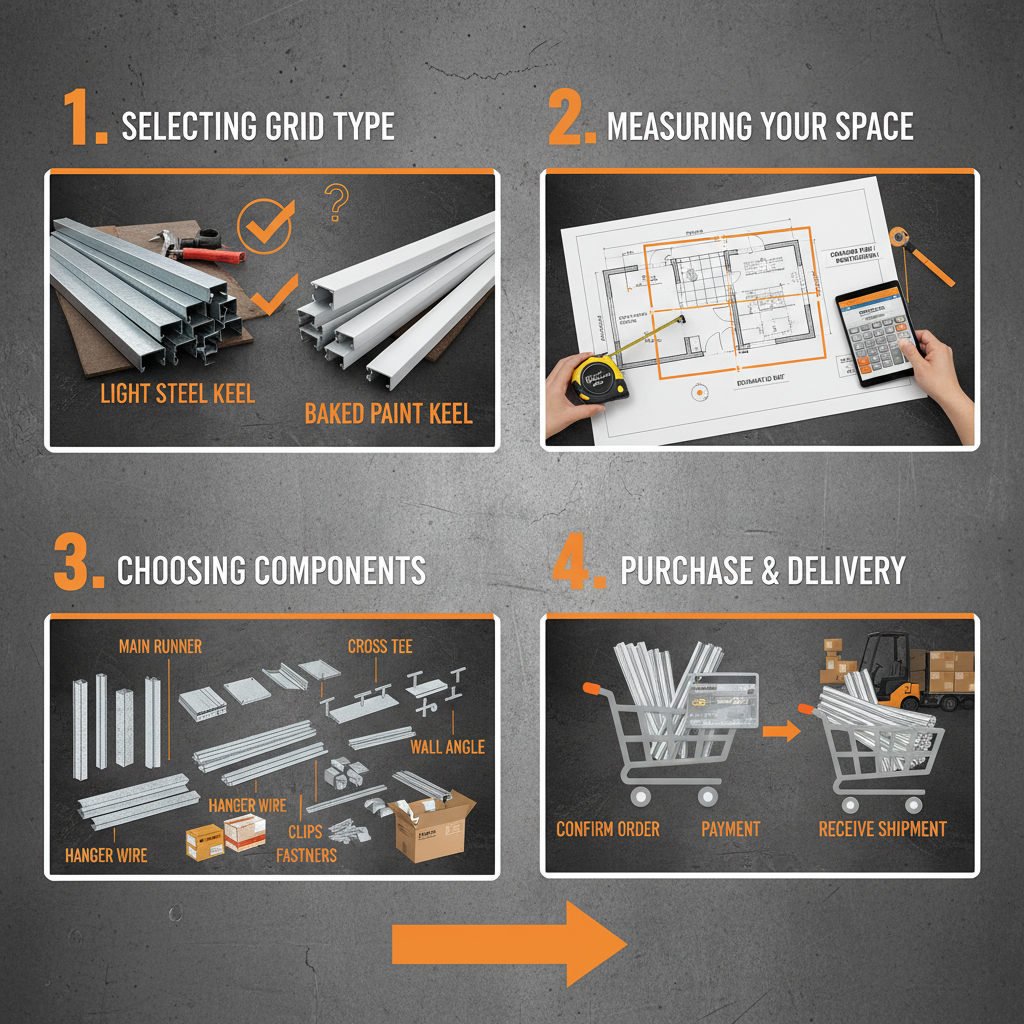
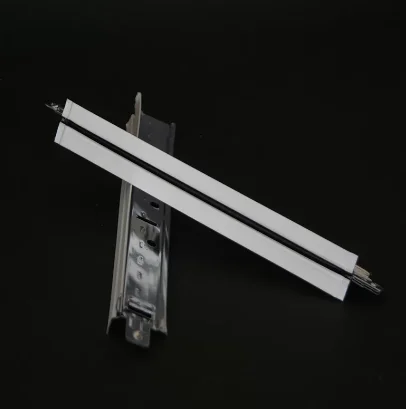
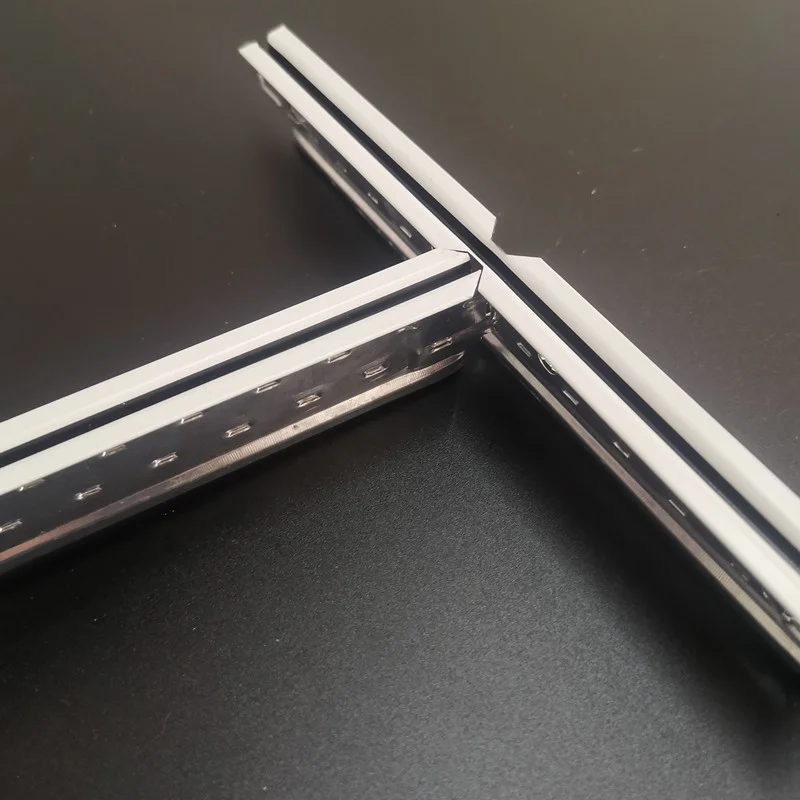
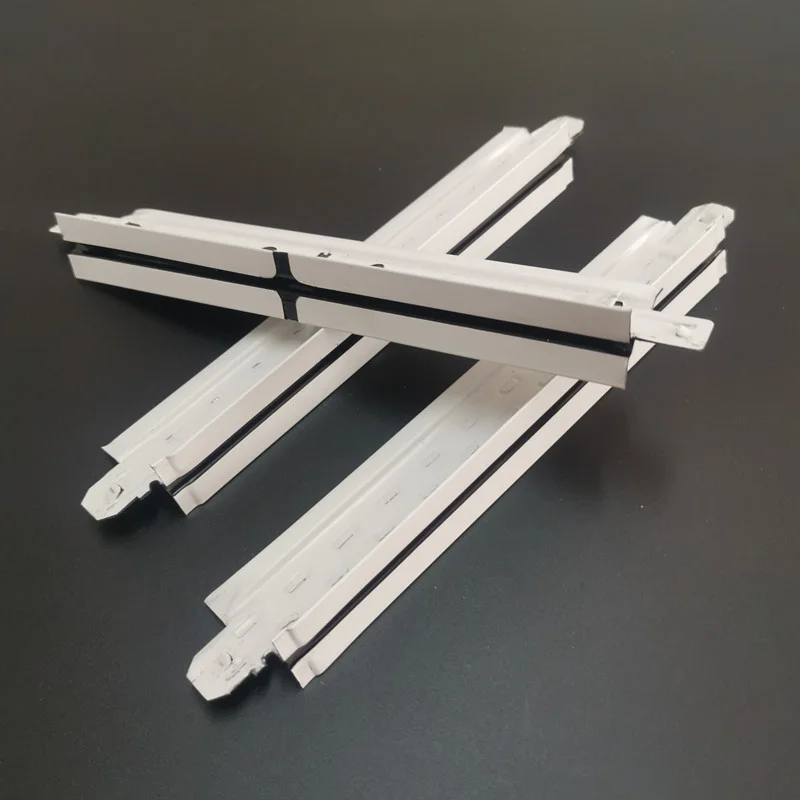
Suspended ceiling grids aren’t one-size-fits-all. They come in various types to suit different needs and aesthetic preferences. The most common types include T-grid, concealed grid, and bold-face grid. T-grid is the most widely used, known for its ease of installation and affordability. Concealed grids offer a seamless, more modern look by hiding the grid components. Bold-face grids feature wider face widths, creating a more defined grid pattern. Choosing the right grid type depends on your design goals, budget, and desired level of complexity.
Key Takeaway: Selecting the appropriate grid type is the first step to achieving a professional and visually appealing suspended ceiling.
The material of your suspended ceiling grid significantly impacts its durability, cost, and suitability for different environments. The two primary materials are steel and aluminum. Steel grids are known for their strength and are a cost-effective option. Aluminum grids, while more expensive, are lightweight, corrosion-resistant, and ideal for damp or corrosive environments. When you buy suspended ceiling grid, consider the specific environment where it will be installed.
Steel vs. Aluminum: A Quick Comparison
• Steel: Strong, affordable, may rust in damp environments.
• Aluminum: Lightweight, corrosion-resistant, more expensive.
• Best for: Steel is great for dry interiors, Aluminum for bathrooms/kitchens
Beyond type and material, several factors influence your choice. First, room size and height dictate the grid spacing and the overall aesthetic. Larger rooms may require more robust grid systems. Lighting and HVAC integration must be considered; the grid needs to accommodate fixtures and vents. Finally, building codes and fire ratings are crucial; ensure the grid complies with local regulations. Careful planning at this stage will prevent headaches during installation and ensure a safe and compliant ceiling.
Proper installation is just as important as choosing the right grid. Start with accurate measurements and layout. Use a laser level to ensure the grid is perfectly aligned. Securely hang the grid using appropriate wire and hangers, following manufacturer's instructions. Take care when inserting ceiling tiles, ensuring they fit snugly within the grid. A well-installed grid is level, stable, and visually appealing.
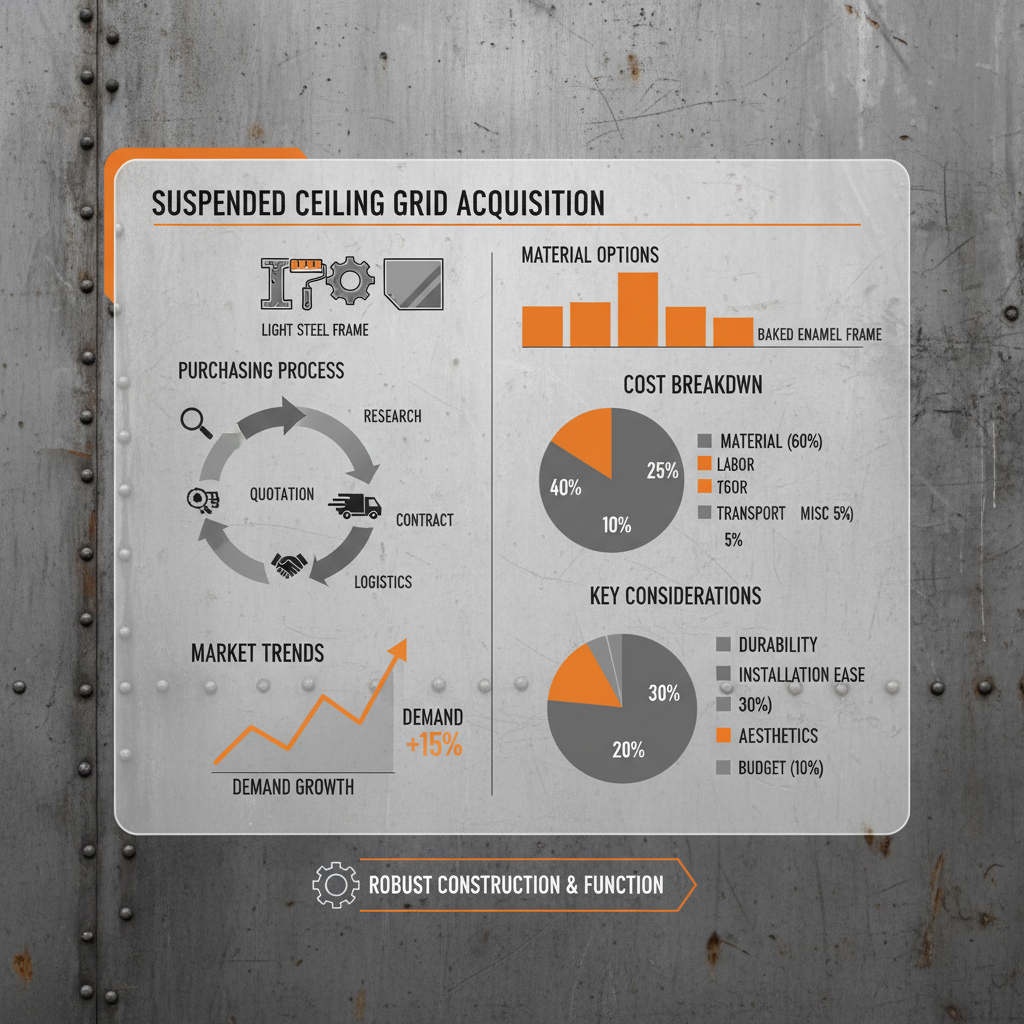
When you buy suspended ceiling grid, choose a supplier known for quality products and competitive pricing. Look for a company with a wide selection, knowledgeable staff, and excellent customer service. Jinka IBM offers a comprehensive range of suspended ceiling grids, backed by expert support and fast shipping. We are committed to providing you with the materials you need for a successful project.
Choosing the right suspended ceiling grid is a significant decision. By understanding the different types, materials, and installation considerations, you can ensure a beautiful, functional, and safe ceiling. Partner with a trusted supplier like Jinka IBM to find the perfect grid for your needs.
The most common size for suspended ceiling tiles is 2ft x 2ft (600mm x 600mm). However, other sizes are available, including 2ft x 4ft (600mm x 1200mm) and metric sizes like 600mm x 600mm. The grid system must match the size of the tiles you choose. When you buy suspended ceiling grid, consider the tile size first to ensure compatibility.
The cost of a suspended ceiling grid varies depending on the material, type, and size of the area. Generally, steel grids are more affordable than aluminum. Installation costs will also add to the overall expense. It’s best to get a quote from a supplier like Jinka IBM, providing details of your project for an accurate estimate.
While it's possible to install a suspended ceiling yourself, it requires some DIY experience and attention to detail. Incorrect installation can lead to safety issues and an aesthetically unappealing finish. If you're not comfortable with the process, it's best to hire a professional installer. They’ll ensure the ceiling is installed correctly and safely.
Concealed grid systems offer a more modern and seamless aesthetic. The grid components are hidden above the ceiling tiles, creating a smooth, uninterrupted surface. This is a popular choice for offices, retail spaces, and other areas where a clean, minimalist look is desired.