Hit enter to search or ESC to close
February 27, 2026
Navigating the world of interior design and construction often involves understanding the costs associated with various materials and components. One crucial element in modern ceilings is the false ceiling grid system. This article provides a detailed exploration of false ceiling grid price, factors influencing it, and how to find the best value for your project. We will cover different types of grids, material choices, and how to compare quotes effectively, helping you make informed decisions. Choosing the right grid is vital for both aesthetics and functionality.
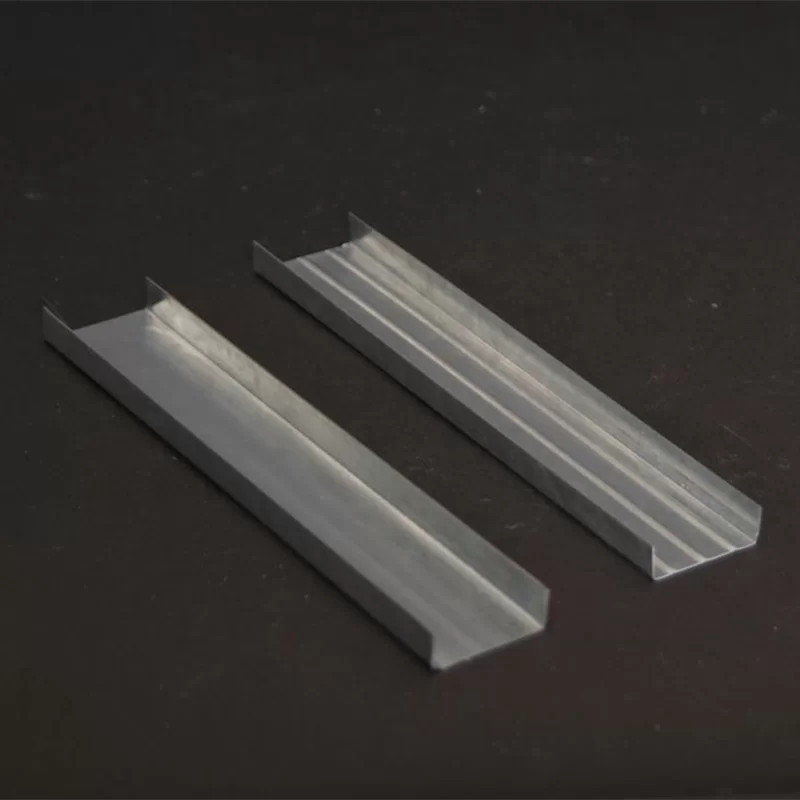
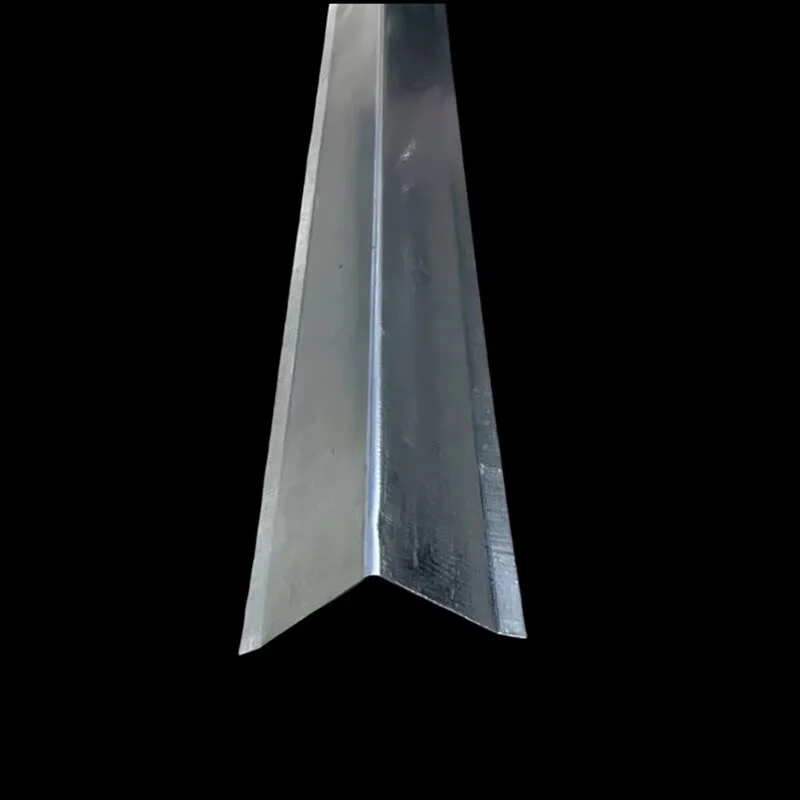
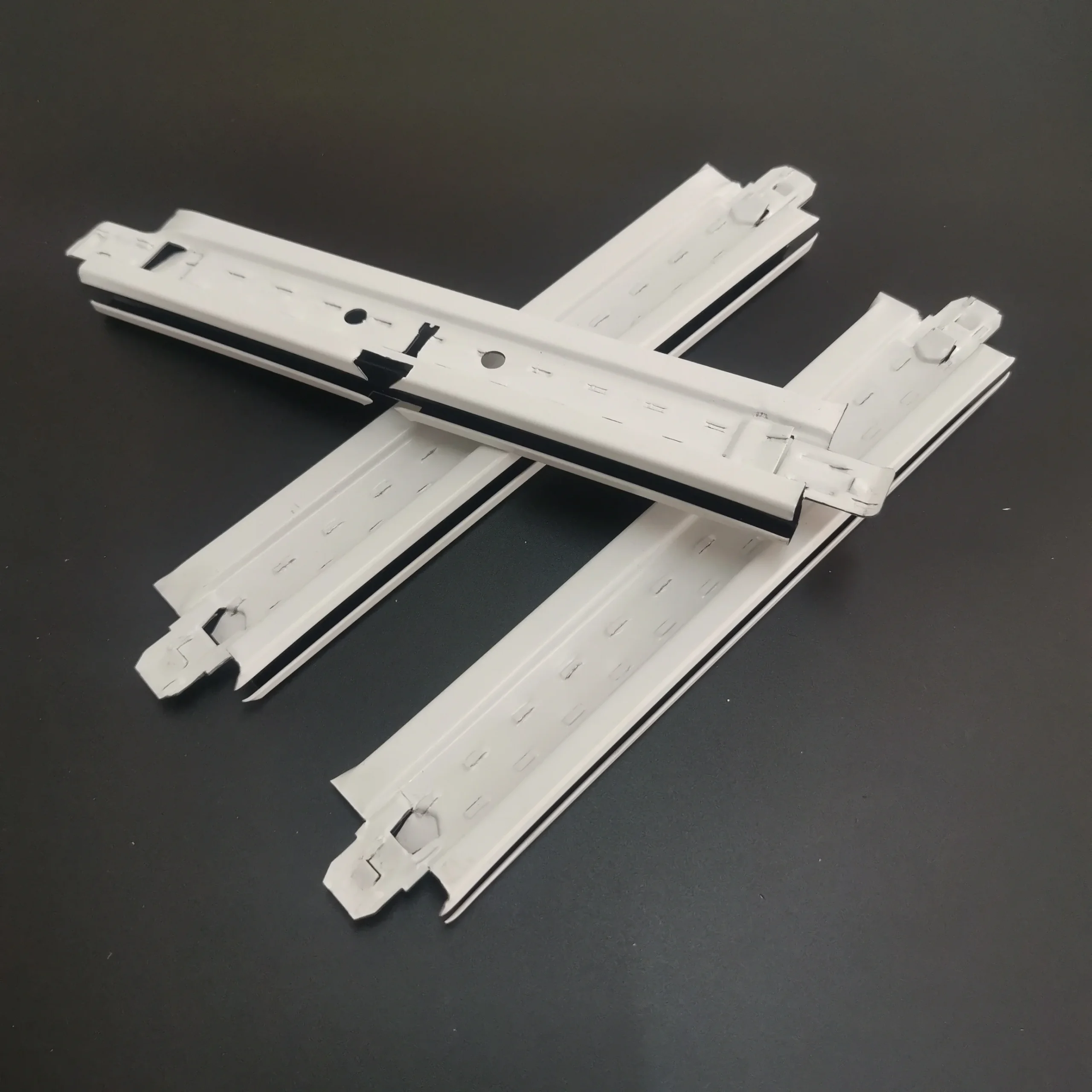
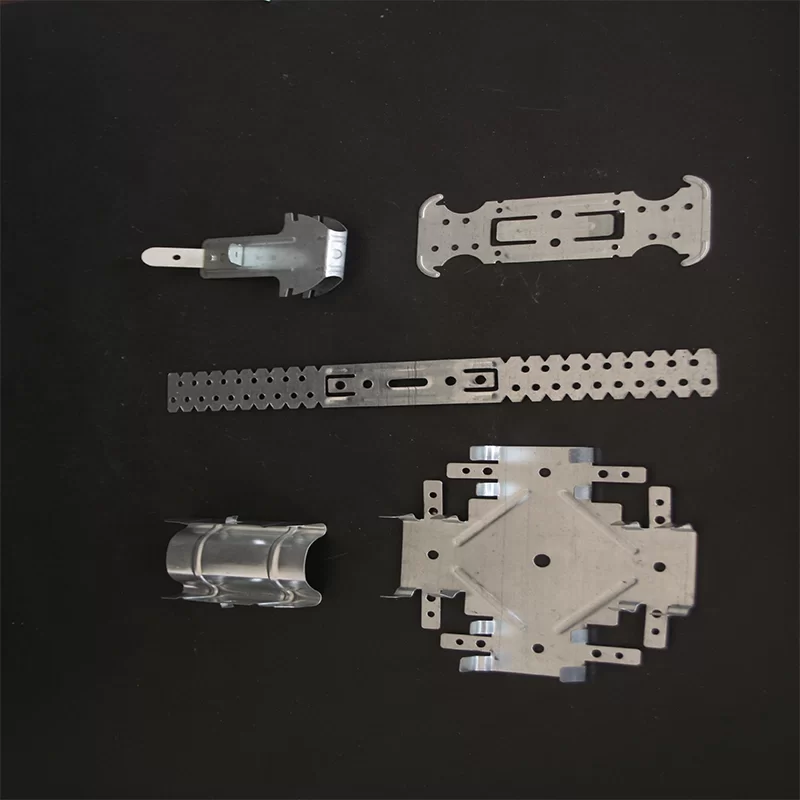
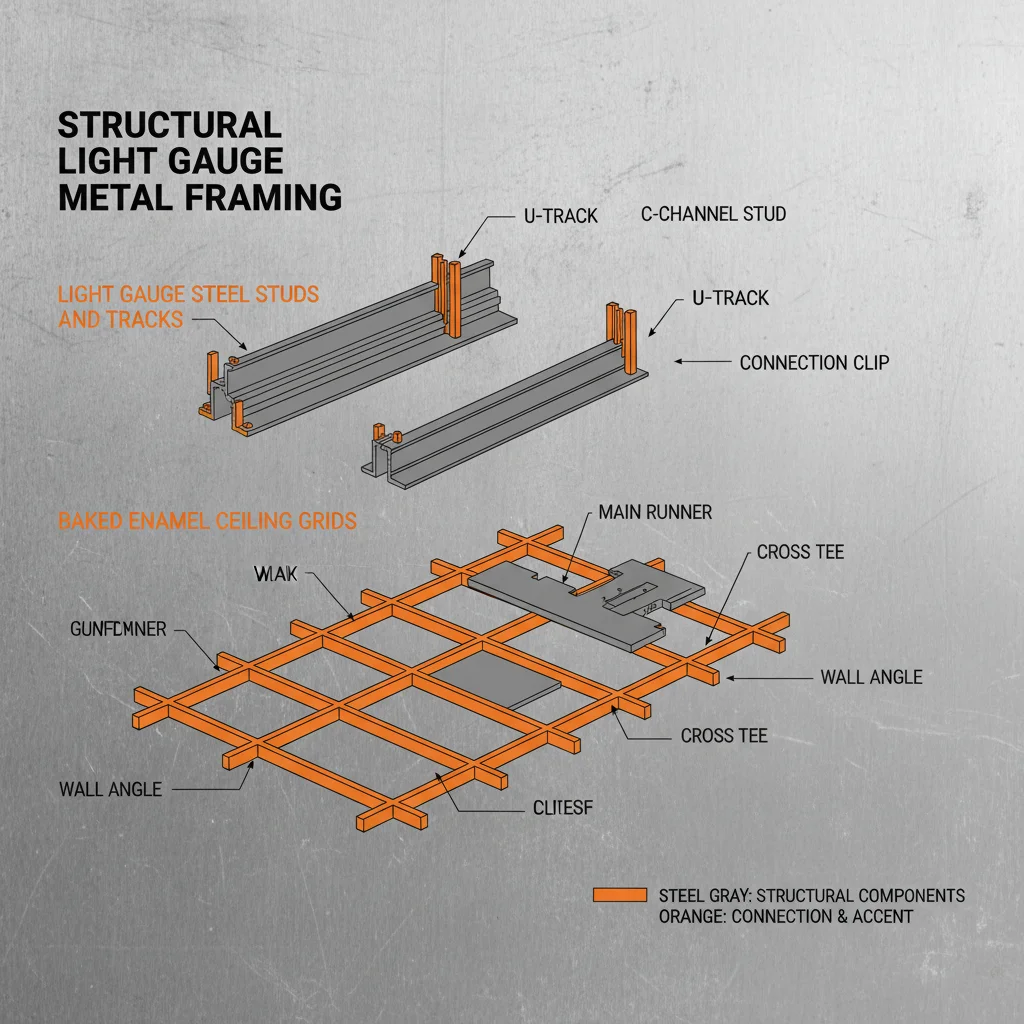
A false ceiling, also known as a suspended ceiling, is a secondary ceiling installed below the main ceiling. The grid system forms the framework supporting the ceiling tiles. It typically consists of main runners (longer sections) and cross tees (shorter sections) that interlock to create a grid pattern. This allows for easy access to the space above for maintenance, wiring, and plumbing. The grid also provides a clean and finished look, concealing unsightly utilities. The price of this system varies significantly based on material, size and complexity of the install.
Key Benefits: Easy access to services, improved acoustics, enhanced aesthetics, fire resistance, and cost-effectiveness.
Several factors contribute to the final price of a false ceiling grid. The most significant ones include the material used, the grid size and complexity of the design, the square footage of the area, and labor costs. Different materials – such as galvanized steel, aluminum, and stainless steel – come with varying price points. Larger spaces naturally require more materials, increasing the overall cost. Also, complex designs with intricate patterns or curves will typically be more expensive to install. Labor rates also vary geographically.
Price Influencers:
• Material Type (Galvanized Steel, Aluminum, Stainless Steel)
• Grid Size and Complexity
• Square Footage of Installation Area
• Labor Costs (Geographical Variations)
Understanding the cost differences between materials is essential. Here's a comparison:
Obtaining quotes from multiple suppliers is crucial to securing a competitive price. When comparing quotes, ensure they include all costs: materials, labor, delivery, and installation. Don’t hesitate to ask for a detailed breakdown of each cost component. Look beyond the price tag; consider the supplier’s reputation, experience, and warranty offerings. Jinka IBM is a trusted supplier offering competitive pricing and high-quality false ceiling grid systems.
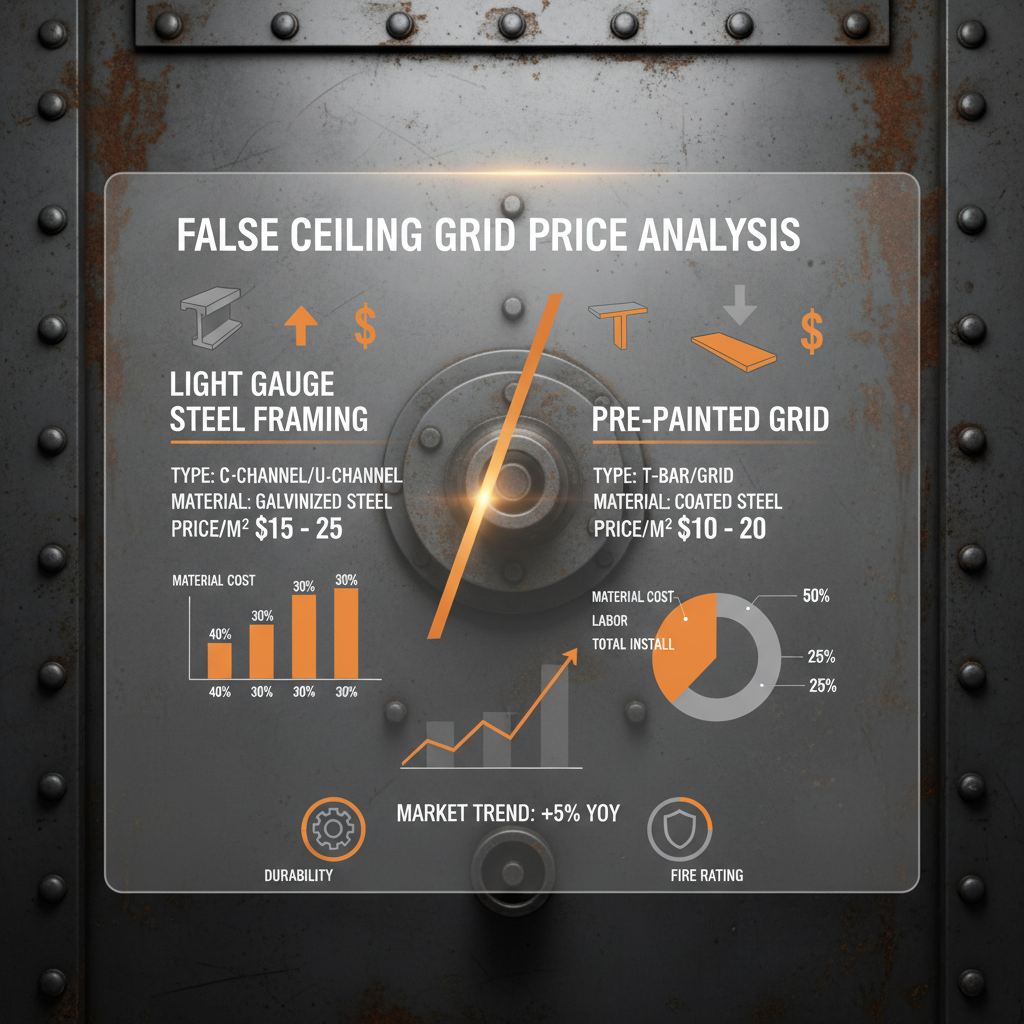
Installation costs can vary significantly depending on the complexity of the project and local labor rates. Factors such as ceiling height, the need to work around existing fixtures, and the level of finish required will all influence the labor cost. It's important to obtain a clear estimate from a qualified installer before proceeding. Consider that improper installation can compromise the structural integrity and appearance of the ceiling, so prioritize quality workmanship. A professional installer will ensure the grid is level, secure, and meets all relevant safety standards.
Choosing the right false ceiling grid requires careful consideration of material costs, installation expenses, and supplier reliability. By understanding the factors influencing false ceiling grid price and obtaining quotes from reputable vendors, you can achieve a beautiful, functional, and cost-effective ceiling solution.
The lifespan of a false ceiling grid is generally 20-30 years, assuming proper installation and maintenance. However, the actual lifespan can vary depending on the material used, the environmental conditions, and the level of use. Regular inspections and cleaning can help extend the lifespan of the grid. Replacing damaged tiles promptly is also essential to prevent further deterioration.
Most false ceiling grids are designed to have fire-resistant properties, complying with building codes. The specific fire rating varies depending on the materials used and the grid’s construction. Materials like galvanized steel and aluminum offer inherent fire resistance. It's essential to check the manufacturer's specifications and ensure the grid meets the fire safety requirements for your building type.
While it’s possible for experienced DIY enthusiasts to install a false ceiling grid, it's generally recommended to hire a professional installer. Proper installation requires precise measurements, careful cutting, and secure attachment to the existing ceiling. Incorrect installation can lead to structural issues, safety hazards, and an unprofessional appearance. A professional installer will ensure the job is done correctly and efficiently.
The cost of ceiling tiles can significantly impact the overall project budget. Different tile materials – such as mineral fiber, gypsum, and metal – have varying price points. Mineral fiber tiles are generally the most affordable option, while metal tiles are the most expensive. Consider the acoustic properties, aesthetic appeal, and durability of different tile options when making your selection.