Hit enter to search or ESC to close
April 7, 2026
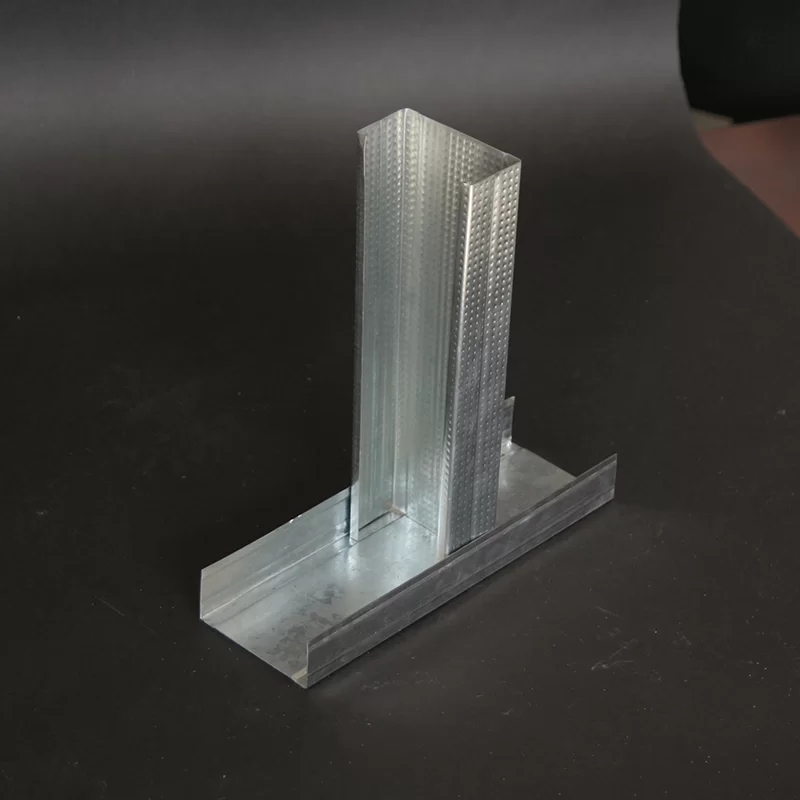
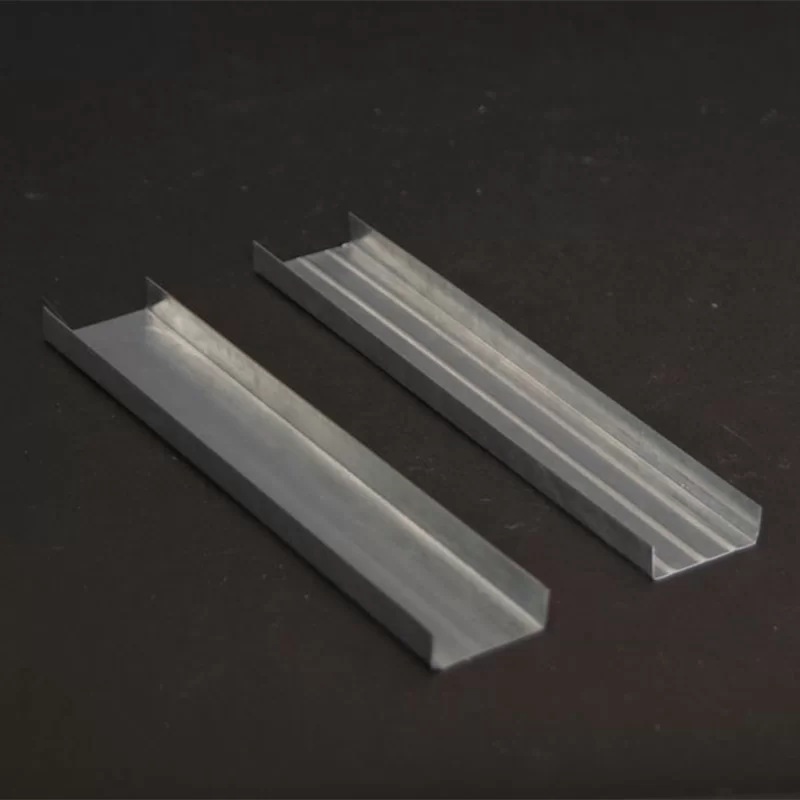
A cross t ceiling grid system is a fundamental component in modern interior design, providing both aesthetic appeal and practical functionality. It’s a framework used to support ceiling tiles, concealing unsightly wiring and ductwork while contributing to a clean, organized look. This article delves into the benefits, applications, installation considerations, and material options for cross t ceiling grids, offering valuable insights for architects, contractors, and building owners. Choosing the right grid system is crucial for a successful ceiling project, impacting both the visual outcome and the longevity of the installation.

Implementing a cross t ceiling grid offers a multitude of advantages. Firstly, it provides easy access to the plenum space above the ceiling, simplifying maintenance and repairs to HVAC systems, electrical wiring, and plumbing. Secondly, it enhances the acoustic performance of a room, reducing noise levels and improving speech intelligibility, especially when paired with acoustic ceiling tiles. Thirdly, it creates a visually appealing and professional finish, concealing unsightly services and creating a more polished environment. Finally, grid systems are relatively inexpensive to install and maintain, offering a cost-effective solution for ceiling renovations or new construction.
Key Highlights: Easy access to plenum space, enhanced acoustic performance, visually appealing finish, cost-effective installation.
The versatility of cross t ceiling grids lends itself to a wide range of applications. They are commonly used in commercial spaces such as offices, retail stores, hospitals, schools, and hotels. Their ability to conceal services and improve acoustics makes them ideal for environments requiring both functionality and aesthetic appeal. Furthermore, they can be incorporated into residential settings, such as basements or home theaters, to create a polished and professional finish. The grid systems also suit areas requiring frequent access to services, such as server rooms and laboratories.
Common Applications:
• Offices and Commercial Buildings
• Healthcare Facilities
• Educational Institutions
• Retail Spaces
Different materials are used to construct cross t ceiling grids, each with its own advantages and disadvantages. Common materials include galvanized steel, aluminum, and stainless steel. Galvanized steel is the most cost-effective option but is susceptible to corrosion in humid environments. Aluminum is lightweight, corrosion-resistant, and ideal for areas with high moisture levels. Stainless steel offers the highest level of corrosion resistance but is the most expensive option. The choice of material depends on the specific application and environmental conditions. Consider the long-term maintenance costs when selecting a material.
Proper installation is essential for the performance and longevity of a cross t ceiling grid system. It’s crucial to ensure the supporting structure is level and securely fastened. The grid components should be aligned accurately to create a straight and consistent appearance. Proper spacing between grid members is also important to accommodate the chosen ceiling tiles. Engaging a qualified contractor experienced in ceiling installations will help to ensure a professional and high-quality result. Always adhere to local building codes and manufacturer’s guidelines during installation.

Selecting a reliable supplier is vital for sourcing high-quality cross t ceiling grid systems. Jinka IBM is a leading provider of ceiling grid solutions, offering a wide range of materials, sizes, and finishes to meet diverse project requirements. We pride ourselves on providing exceptional customer service, competitive pricing, and timely delivery. Contact us today to discuss your project needs and receive a quote.
Investing in a high-quality cross t ceiling grid from a reputable supplier like Jinka IBM is a worthwhile investment that enhances both the aesthetics and functionality of any space. From improved acoustics to easy access for maintenance, the benefits are substantial. Choose wisely, install correctly, and enjoy a professional-looking ceiling for years to come.
The most common size for a cross t ceiling grid is 2 feet by 2 feet (600mm x 600mm) or 2 feet by 4 feet (600mm x 1200mm). However, other sizes are available to accommodate specific design requirements. The choice of grid size often depends on the size of the ceiling tiles being used and the overall aesthetic goals of the project. It’s important to consider the available tile options when selecting a grid size to ensure a seamless and visually appealing installation.
To calculate the amount of grid needed, measure the length and width of the ceiling area. Then, determine the grid layout (e.g., 2x2 or 2x4). Divide the area by the area of each grid section (e.g., 4 sq ft for a 2x2 grid). Add an extra 5-10% for waste and cuts. It's always better to overestimate slightly than to run short during installation. A qualified contractor can provide a precise estimate based on your specific project details.
Yes, a cross t ceiling grid is designed to be compatible with a wide variety of ceiling tiles, including mineral fiber, fiberglass, metal, and plastic tiles. However, it’s important to ensure that the tile size and weight are compatible with the grid system. Check the manufacturer's specifications for both the grid and the tiles to ensure a proper fit and safe installation.
Regular maintenance for a cross t ceiling grid primarily involves occasional cleaning to remove dust and debris. Inspect the grid regularly for any signs of damage, such as bent or broken components. Replace any damaged grid members promptly to maintain the integrity of the system. In humid environments, check for corrosion and address any issues proactively.