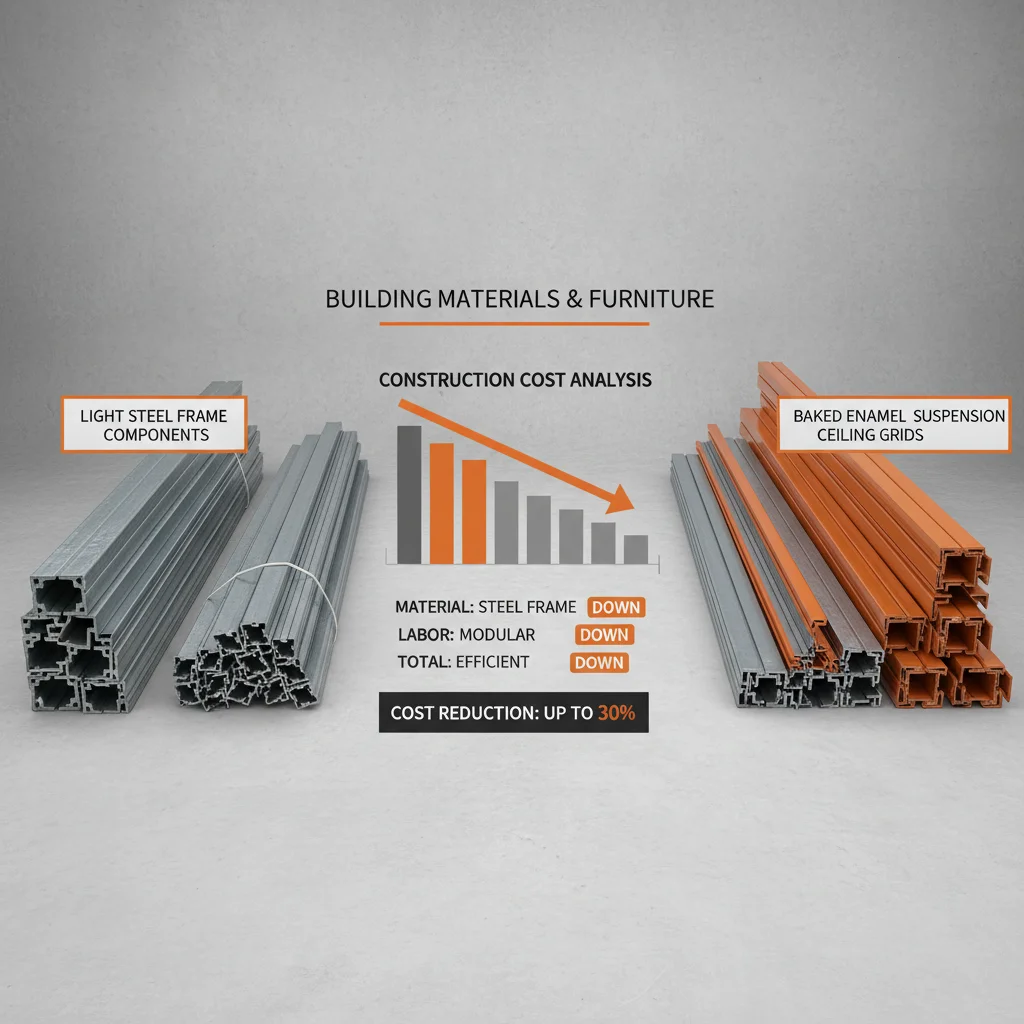
Understanding Drywall x Steel Frame: Why It Matters in Today's Construction Landscape
At first glance, “drywall x steel frame” might just sound like a technical pairing of materials in building. But in reality, this combo is reshaping how we approach modern construction — impacting everything from affordable housing to resilient infrastructure. Globally, with urban populations swelling and climate change raising stakes on building durability, embracing drywall systems mounted on steel frames offers an efficient, sustainable, and flexible solution. Insights into what this means, and why it’s gaining traction worldwide, provide a critical lens to industries, humanitarian efforts, and even policy makers.
Global Context: The Rising Relevance of Drywall and Steel Frame Construction
It might surprise you, but according to the United Nations, nearly 68% of the global population is projected to live in urban areas by 2050, accelerating the demand for quick, cost-effective building solutions. Meanwhile, ISO standards increasingly emphasize sustainability and safety in construction materials. This is where drywall paired with steel frames comes in — a response to chronic challenges like slow build times, labor shortages, material waste, and vulnerability to natural disasters.
Steel framing offers strength and speed, while drywall adds versatility and improved interior finishes. Together, they address a critical tension in global construction: the need to build fast without compromising quality or ecological considerations. Think of it as a Swiss Army knife for modern builders: flexible, durable, and surprisingly affordable.
Defining Drywall x Steel Frame for the Layperson
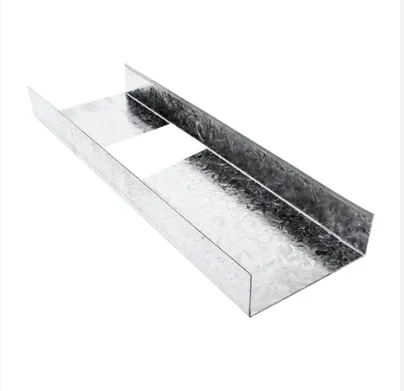
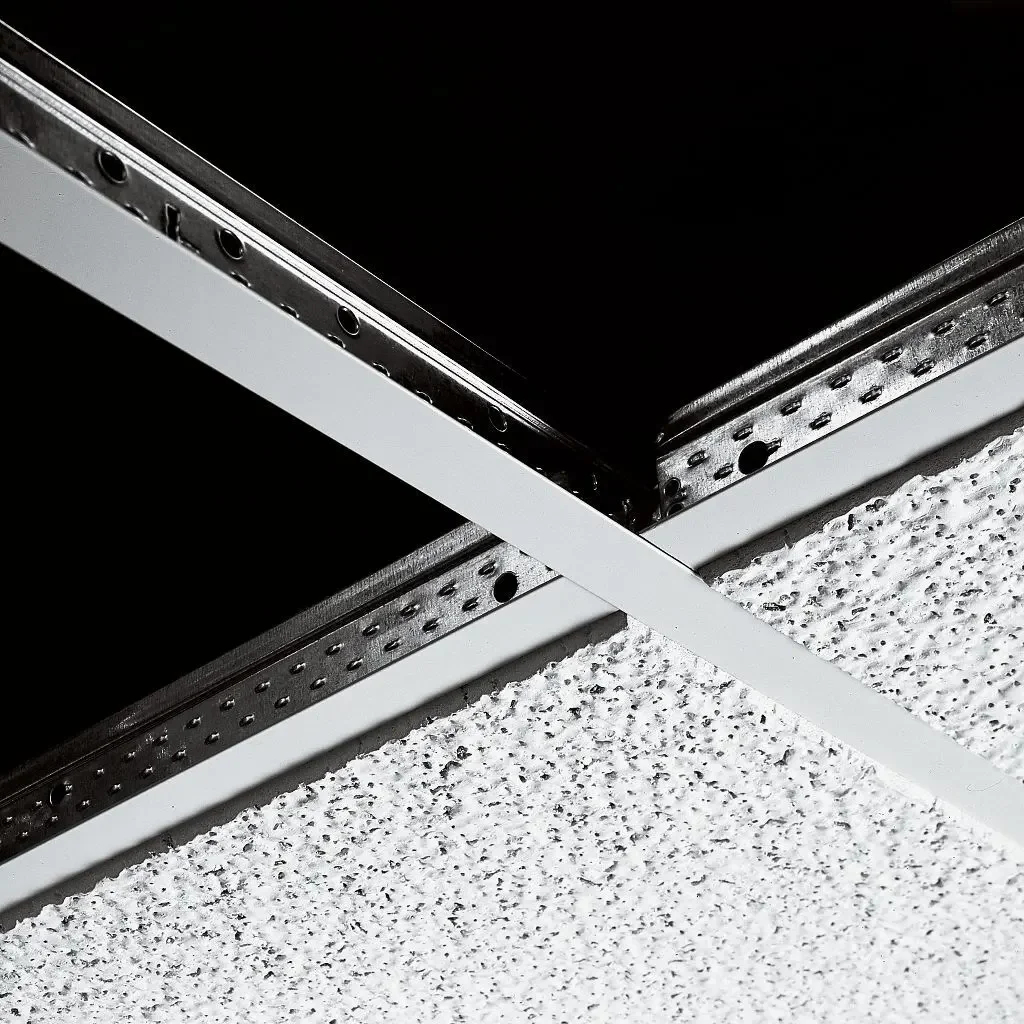
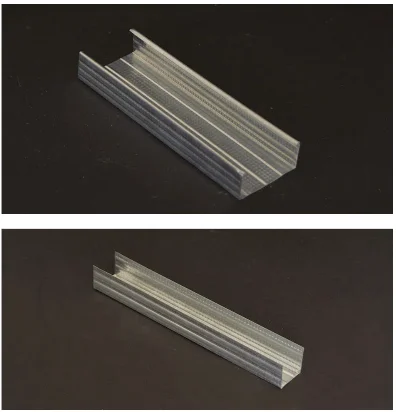
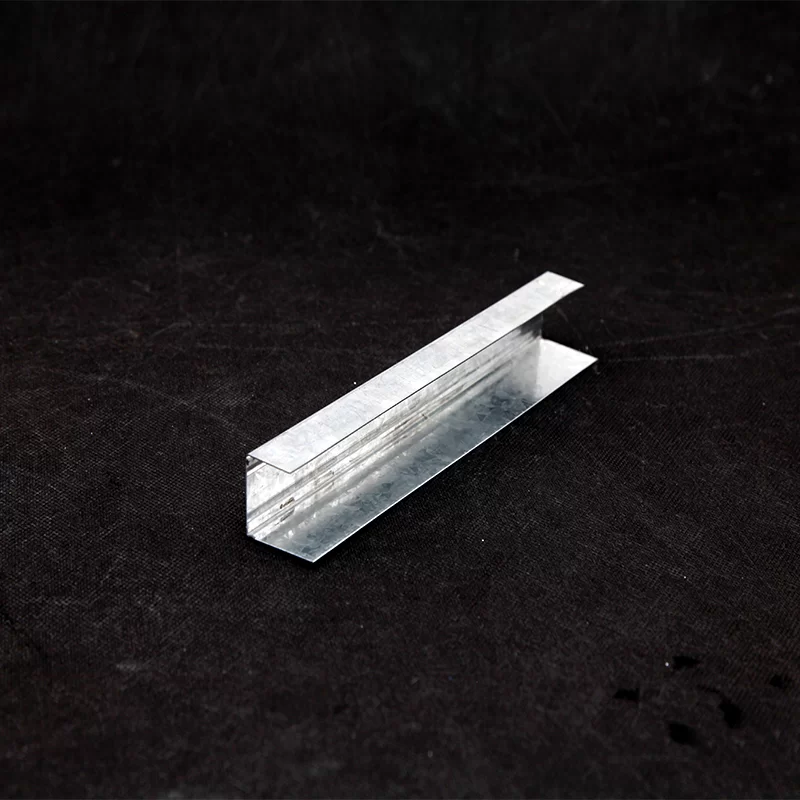
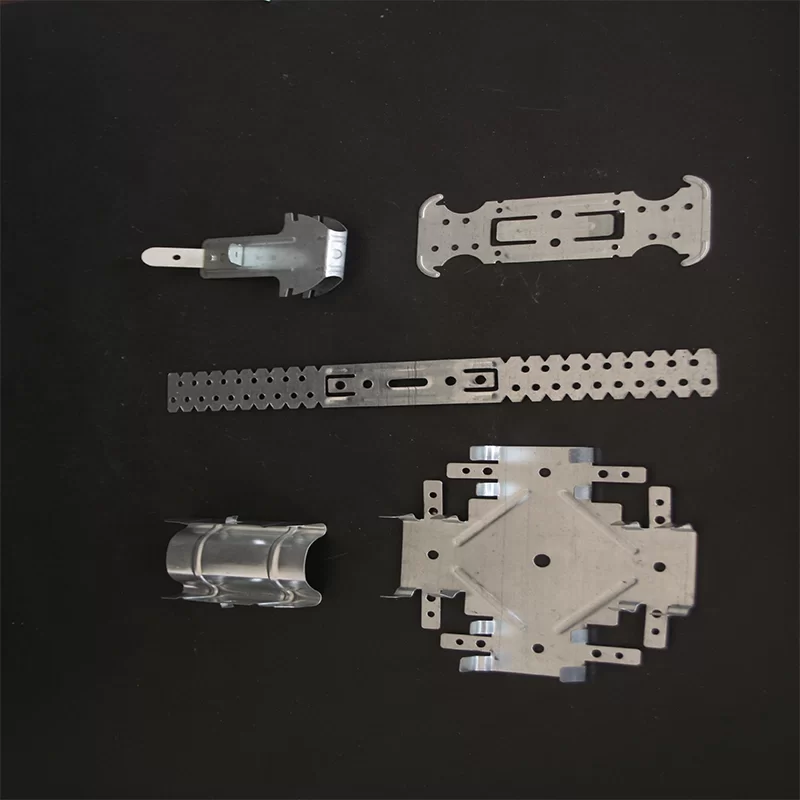
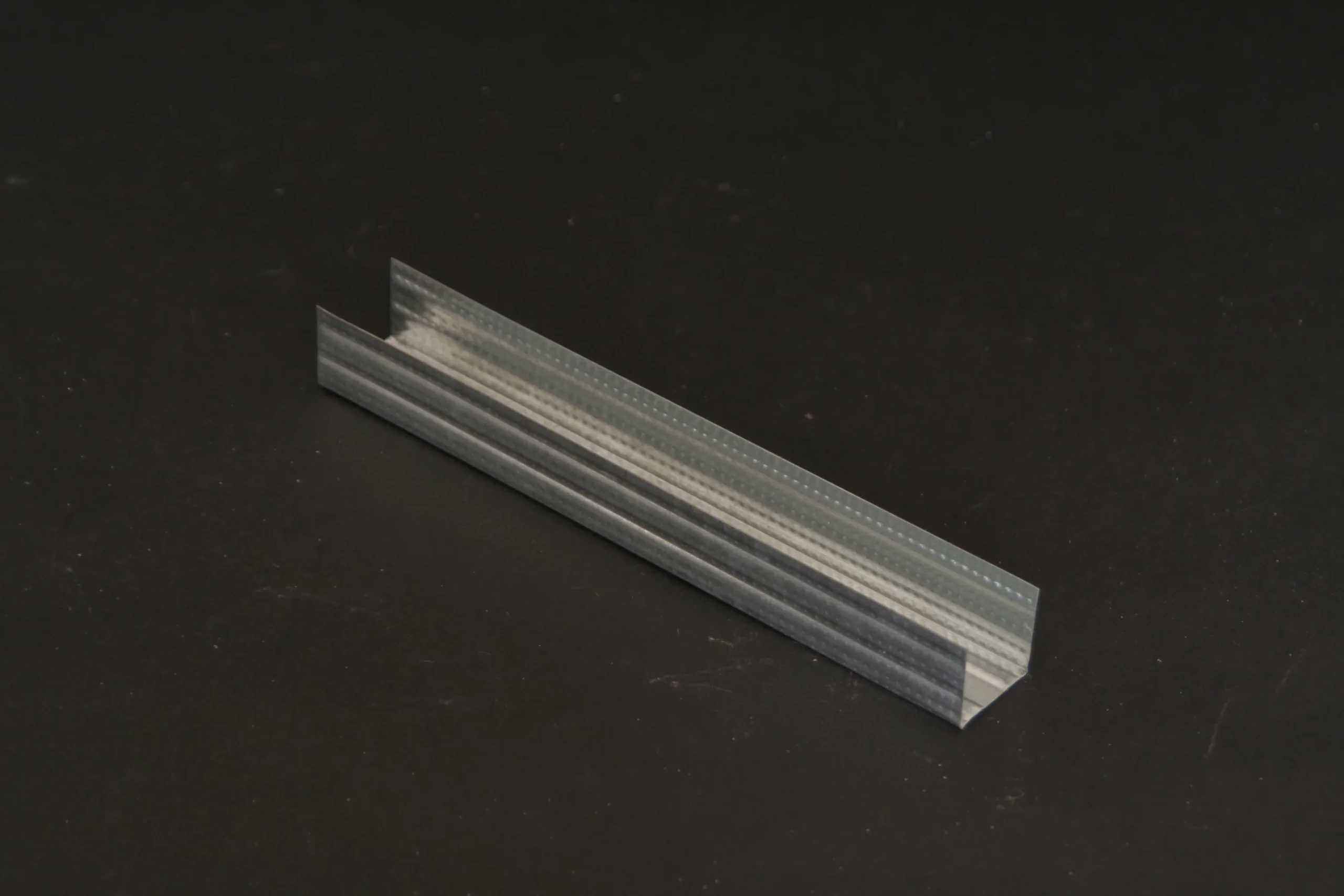
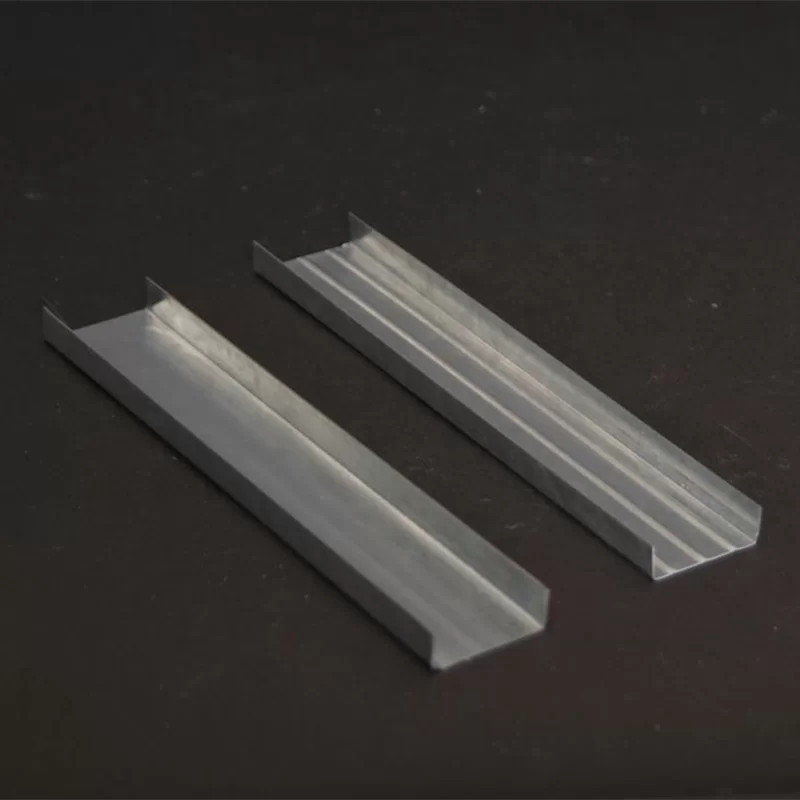
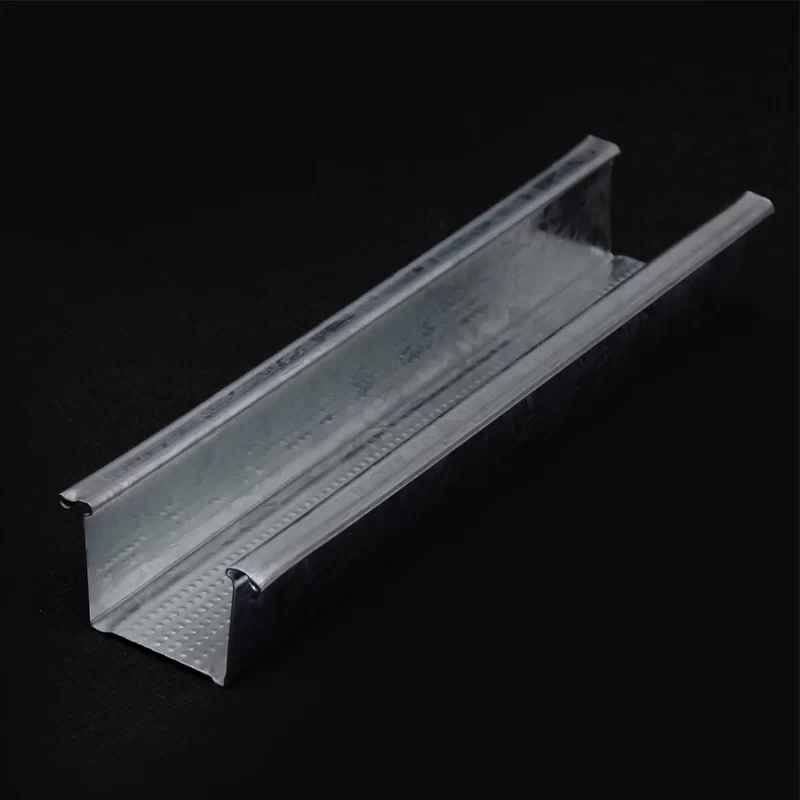
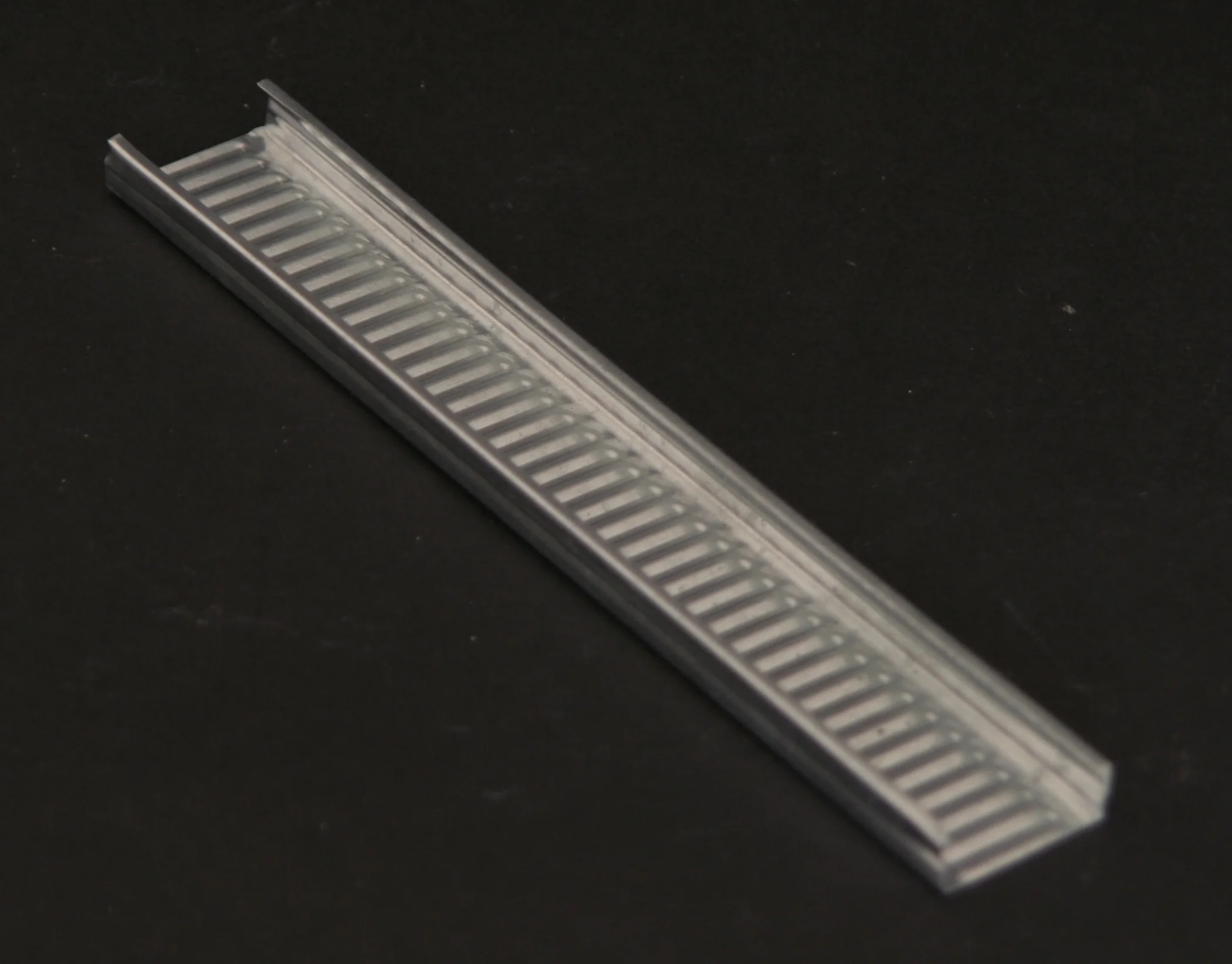
Let’s unpack this a bit. Drywall refers to gypsum board panels commonly used for walls and ceilings inside buildings. Steel frames serve as the skeleton supporting these panels instead of traditional wood studs. This combination is prominent in residential, commercial, and industrial applications where fire resistance, moisture control, and environmental impact are key factors.
On a fundamental level, drywall x steel frame systems provide a modular approach — allowing buildings to be assembled quickly, modified easily, and maintained with less hassle. For humanitarian projects in disaster zones, for instance, such systems have become lifelines, rapidly restoring shelter and infrastructure.
Core Components and Why They Matter
Durability
Steel frames resist corrosion and don't warp like timber — an asset especially in humid or hurricane-prone zones. Drywall panels, meanwhile, come with fire-resistant variants meeting international safety standards.
Scalability & Flexibility
From a tiny apartment unit to multi-story office blocks, steel framing adapts effortlessly. And the installation of drywall is straightforward, allowing contractors to iterate interior layouts without massive demolition.
Cost Efficiency
While steel might initially seem pricier than wood, its longevity and reduced maintenance smooth out expenses over decades. Moreover, quicker build times save labor costs, a significant consideration given fluctuating skilled labor availability worldwide.
Environmental Impact
Many steel framing materials today are made from recycled metals, and drywall production processes have become more eco-conscious. Plus, when combined, these elements often lead to less waste on-site compared to traditional masonry.
Fire and Sound Control
Steel framing combined with specific drywall types provides superior fire barriers and sound insulation — a boon for urban living where fire codes are strict and noise pollution is a reality.
Mini takeaway: Choosing drywall x steel frame isn’t just about picking materials — it’s about embracing a system optimized for durability, cost, and adaptability.
Real-World Applications and Global Success Stories
In Southeast Asia’s fast-growing cities, developers use drywall x steel frame to erect new residential complexes in a fraction of the time traditional concrete requires. Similarly, in the earthquake zones of Chile, steel frames paired with reinforced drywall create safer school buildings that comply with stringent seismic codes.
During the 2020 cyclone season in the Philippines, NGOs deployed modular shelters built on steel frames with drywall partitions for rapid housing recovery. The straightforward assembly and superior resilience shortened rebuilds by months, restoring dignity and safety quicker than ever.
Even in the oil and gas sector’s remote bases, prefabricated buildings using drywall and steel frameworks offer insulated, durable accommodations for workers exposed to harsh climates.
Advantages and Long-Term Value of Drywall x Steel Frame Systems
- Cost savings: Lower maintenance and faster construction reduce total lifecycle expenses.
- Sustainability: Use of recycled materials and efficient building reduce carbon footprints.
- Social impact: Quick deployment in crises supports community resilience.
- Reliability: Structural integrity holds up in adverse environmental conditions.
- Safety & comfort: Enhanced fire resistance and sound insulation improve occupant well-being.
On a more subjective note, many engineers I’ve spoken with highlight how the drywall x steel frame proves a "trustworthy backbone" in projects, analogously supporting the “soft” elements of interior design without sacrificing hard-core durability.
Looking Ahead: Emerging Trends and Innovations
Advancements in smart building tech hint at drywall panels integrated with sensors to monitor structural health in real time. Green energy initiatives are pushing manufacturers to develop even lighter, stronger steel alloys that reduce transport emissions. Automation and modular prefabrication using drywall x steel frame designs enable almost factory-like quality control on-site, minimizing errors and waste.
Policy-wise, evolving building codes in many countries now incentivize materials like steel and drywall for their improved fire safety and longevity metrics, further nudging adoption globally.
Key Challenges and Strategies to Overcome Them
Of course, no system is perfect. Drywall’s susceptibility to moisture if not sealed properly can be a problem in certain climates, requiring careful installation or waterproof variants. Steel framing may require upfront investment in tools and training that smaller contractors lack. Surprisingly, noise transmission through steel studs without proper insulation can also be an issue.
Innovative coatings, moisture barriers, and educational programs for builders help counter these problems. Some projects pair drywall x steel frame with cross-laminated timber to blend benefits, combining warmth with toughness.
FAQ: Your Drywall x Steel Frame Questions Answered
- Q1: How does drywall x steel frame compare in cost to traditional wood framing?
While steel initial costs are typically higher, reduced labor times and lower maintenance expenses generally make drywall x steel frame more cost-effective over a building’s lifespan, especially for commercial projects.
- Q2: Can drywall and steel frames withstand natural disasters better than traditional methods?
Yes. Steel's flexibility and strength help buildings resist seismic forces, and fire-rated drywall adds crucial safety layers. This combo often surpasses wood-and-plaster in resilience.
- Q3: Is drywall x steel frame construction environmentally friendly?
When using recycled steel and low-impact drywall manufacturing, the environmental footprint lessens. Plus, reduced waste and faster builds contribute positively compared to traditional masonry or concrete.
- Q4: Are there limitations on where drywall x steel frame can be used?
In extreme wet environments, drywall needs protection from moisture. Also, projects requiring heavy load-bearing may need hybrid systems. Careful design resolves most limitations.
- Q5: How do I get started implementing drywall x steel frame for my next building project?
Start by consulting experienced suppliers familiar with both materials, consider prefabrication options, and review local building codes. Contractors trained in steel framing and drywall installation will ensure quality outcomes.
Technical Specifications Overview
| Specification |
Drywall |
Steel Frame |
| Material |
Gypsum core with paper facing |
Cold-rolled galvanized steel |
| Thickness |
9.5 mm (standard panel) |
0.5-1.5 mm depending on load |
| Fire Rating |
Usually 30-60 minutes (with fire-rated variants) |
Non-combustible, maintains strength at high temps |
| Lifecycle |
20-30 years with maintenance |
50+ years depending on conditions |
| Typical Use |
Interior walls, ceilings |
Structural framing for walls and floors |
Comparing Leading Vendors for Drywall x Steel Frame Systems
| Vendor |
Materials Quality |
Lead Times |
Price Range |
Special Features |
| BuildStrong Ltd. |
Certified recycled steel, premium drywall |
2-3 weeks standard |
Mid-High |
Custom prefabrication options |
| FastFrame Systems |
Standard galvanized steel and drywall panels |
1-2 weeks |
Budget-Friendly |
Turnkey installation support |
| EcoBuild Innovations |
Highly sustainable materials, low VOC drywall |
3-4 weeks |
Premium |
Integrated green certifications |
For anyone in the construction sector, embracing drywall x steel frame is more than a trend — it’s a strategic pivot toward resilient, flexible, and sustainable buildings. Once you weigh the speed of build, longevity, and environmental impact, the decision becomes clearer. If you want to explore these products or get a tailored solution, don’t hesitate to visit drywall x steel frame.
Final thoughts
Drywall mounted on steel frames feels like the best of both worlds: the metal backbone giving you future-proof strength, and the drywall delivering finish and flexibility. The pairing is answering big questions in building industries increasingly facing tight deadlines, high standards, and ever-tougher environmental challenges. It’s one of those “why didn’t we think of this sooner” ideas, frankly. And with innovations on the horizon, it’s going to be an even bigger story.
References:
- United Nations World Urbanization Prospects
- ISO 14000 - Environmental Management Standard
- Wikipedia: Steel Frame