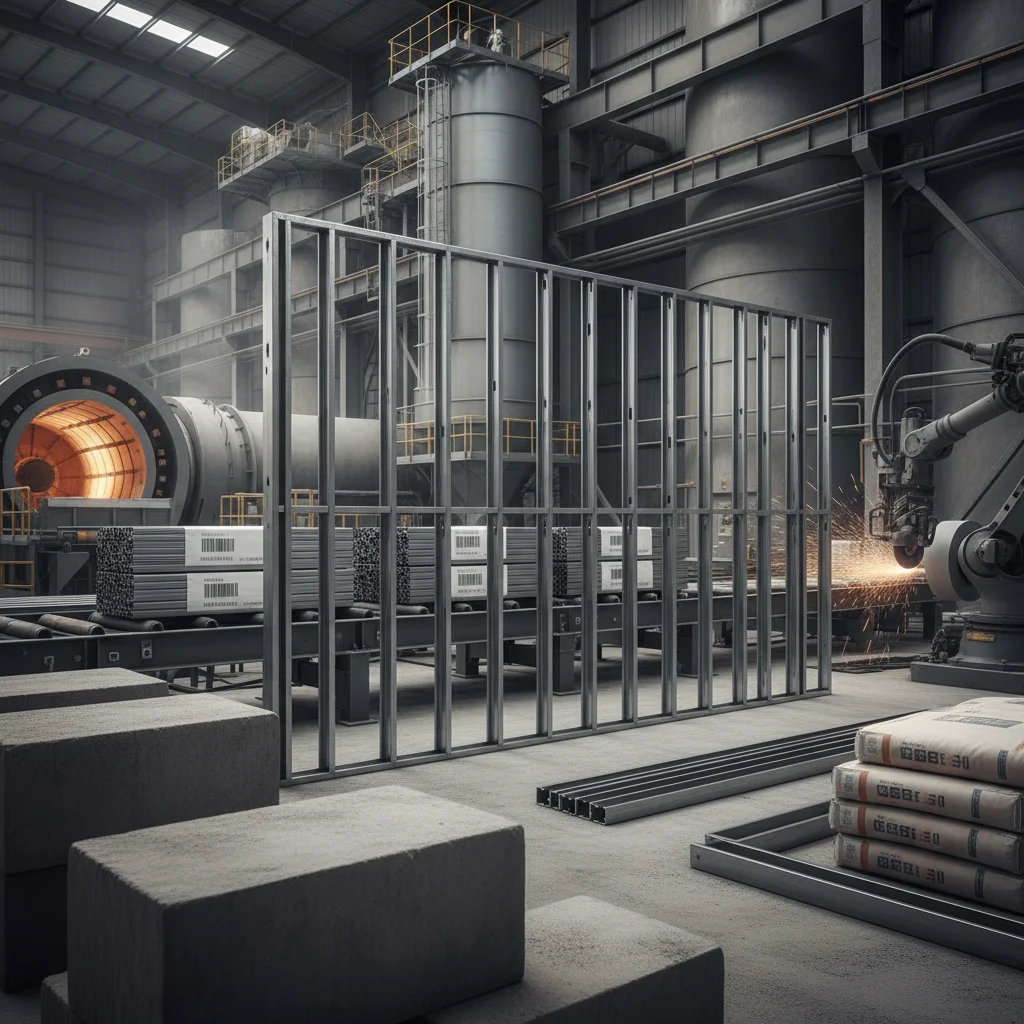
Getting to Know Exterior Metal Stud Framing and Why It’s Gaining Ground Worldwide
At first blush, “exterior metal stud framing” sounds very much like niche construction jargon. But in reality, it’s shaping how buildings worldwide are designed, especially in fast-paced urban environments and challenging geographies. Simply put, it’s a method of framing an exterior wall using lightweight steel studs instead of traditional wood or concrete. This technique matters globally because it offers durability, speed, and sustainability — three attributes increasingly prized as cities grow and climate concerns intensify. Understanding exterior metal stud framing helps builders, architects, and humanitarian groups alike leverage a flexible, reliable system that supports safer, greener, and longer-lasting structures.
Mini takeaway: Exterior metal stud framing isn’t just for high-rises or sleek modern offices; its benefits ripple across housing, disaster relief, and industrial projects worldwide.
Why the World Is Turning to Exterior Metal Stud Framing
Here’s a fact that often surprises: according to the United Nations, over 1 billion people live in substandard housing, a number projected to rise with rapid urbanization. The construction industry is under immense pressure to deliver affordable, quick-to-build, and sustainable solutions. Enter exterior metal stud framing, a technology increasingly adopted worldwide, from North American commercial builds to Southeast Asian emergency shelters.
The global building materials market, valued in hundreds of billions, shows that steel framing accounted for about 20% of non-residential structures last year — and that’s only growing. Standards like ISO 14001 encourage greener manufacturing, and exterior metal framing fits the bill since steel studs are often recyclable and resist pests and rot unlike wood. But there’s more to it. This framing method effectively tackles the industry’s biggest headaches: delays, waste, and durability — especially in areas prone to seismic activity or harsh weather.
What Exactly Is Exterior Metal Stud Framing?
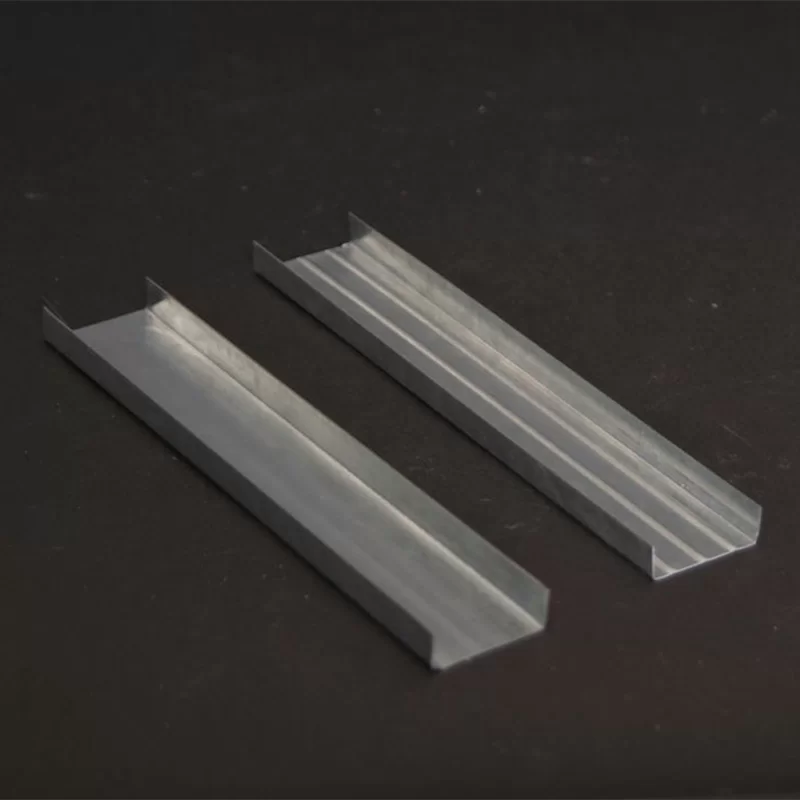
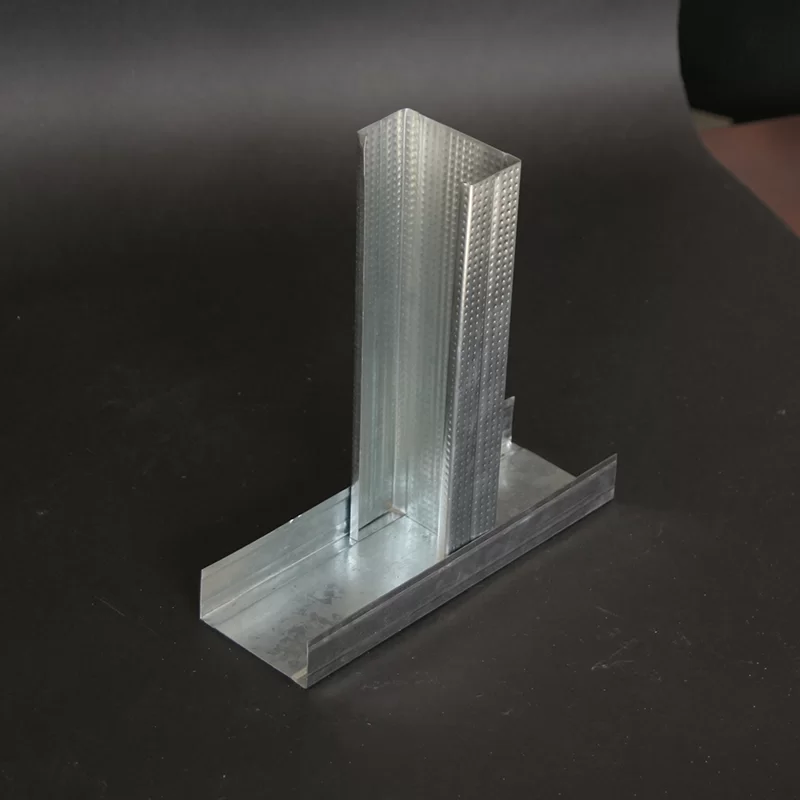
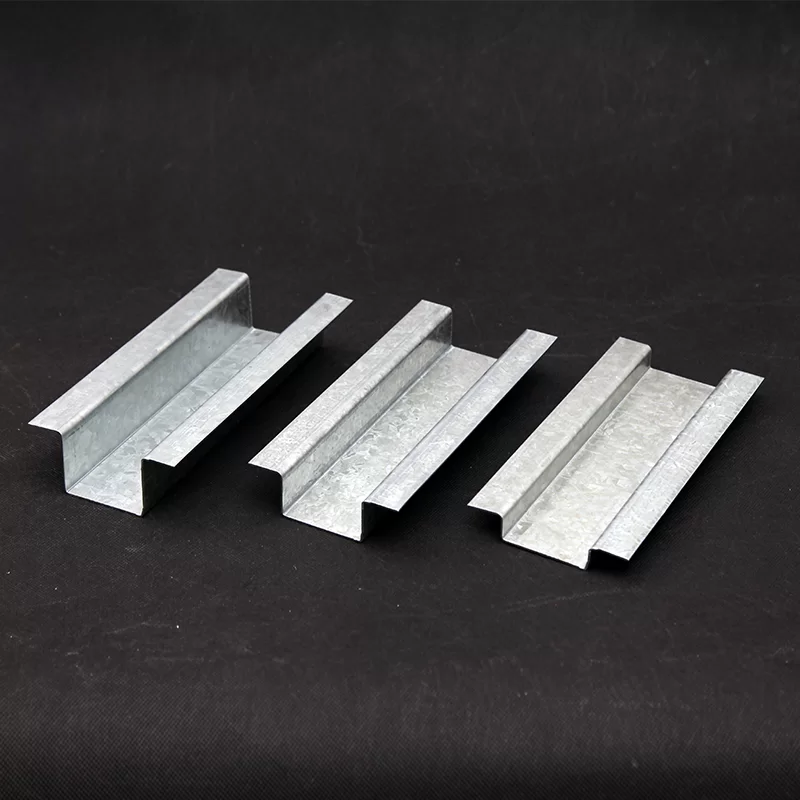
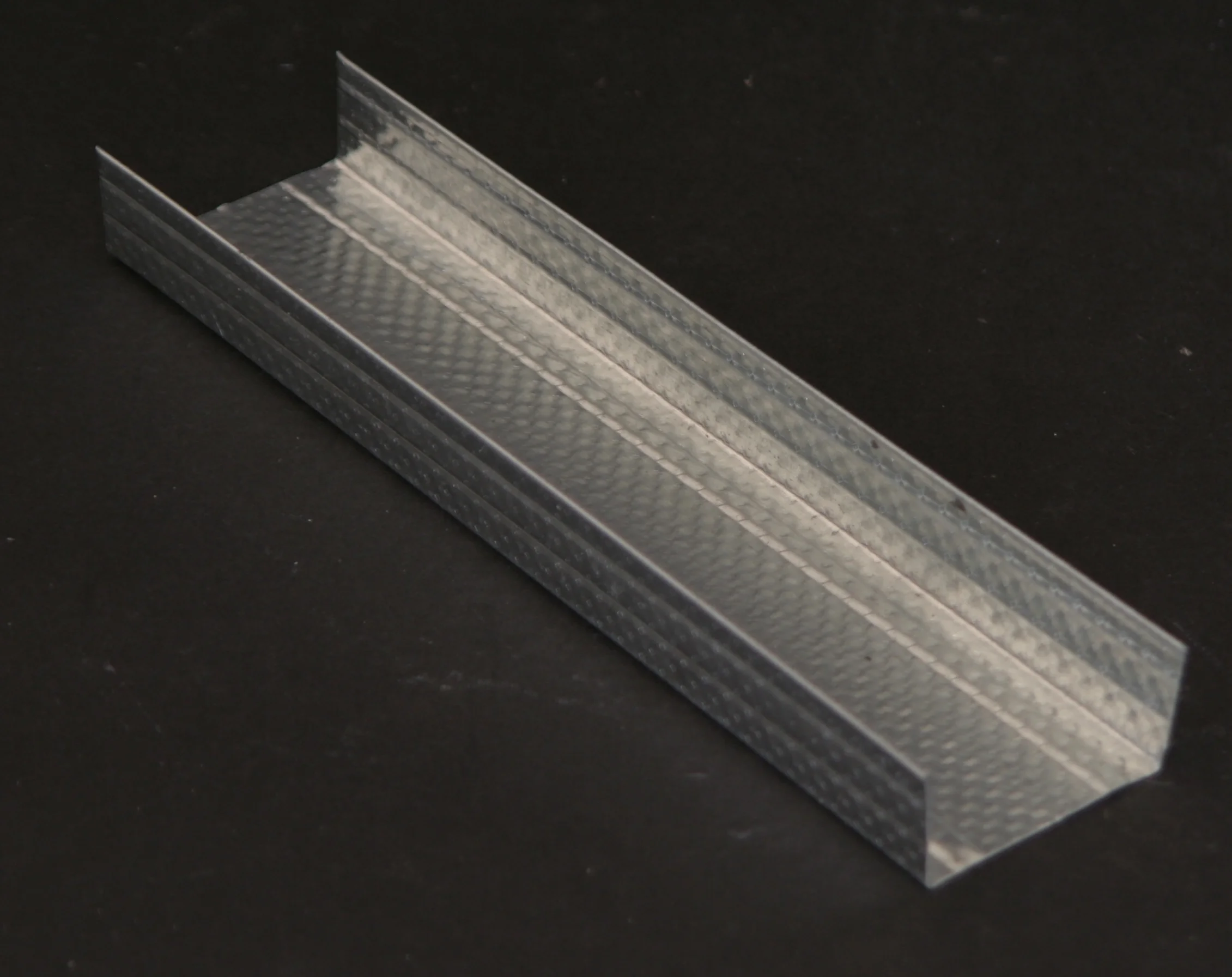
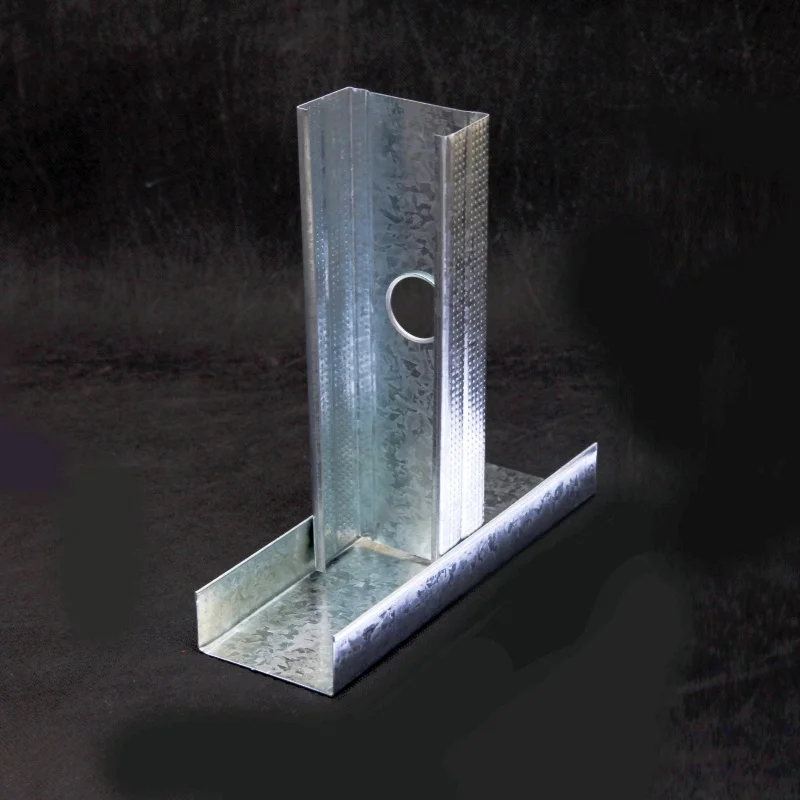
Exterior metal stud framing is a construction method using cold-formed steel studs (usually galvanized for corrosion resistance) positioned vertically and set into tracks at the top and bottom. Think of these studs as the skeleton of an exterior wall, onto which sheathing, insulation, and cladding get attached. Compared to wood framing, metal stud framing is lighter, non-combustible, and dimensionally stable — meaning it doesn’t warp or shrink over time.
This framing technology connects to modern needs like modular construction, sustainable building, and disaster-resilient design. Organizations like Habitat for Humanity and the Red Cross have started exploring metal framing for quick-deploy housing because it’s compatible with off-site prefabrication, which speeds up assembly on location.
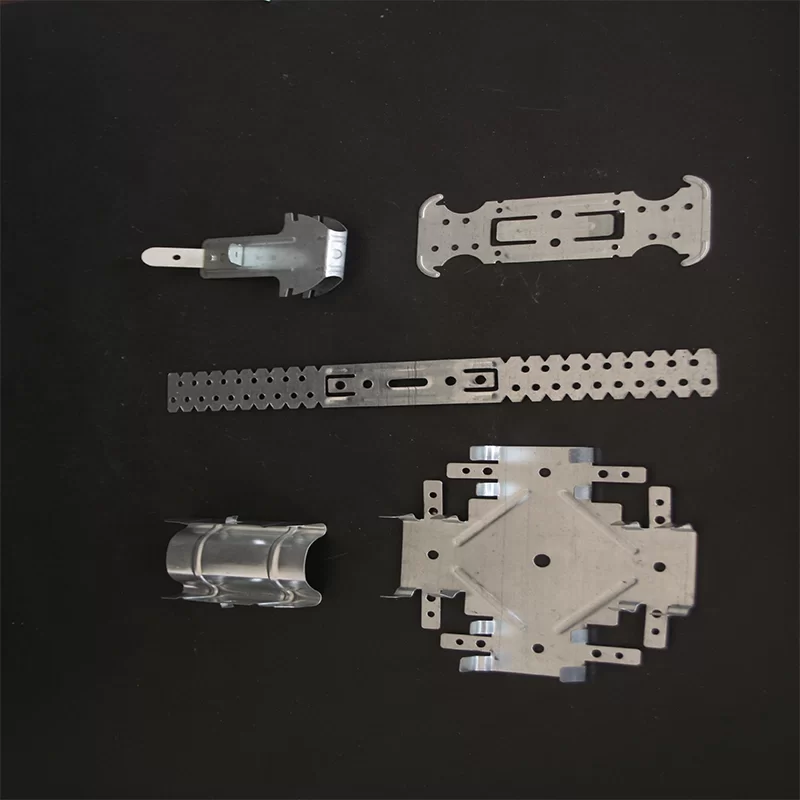
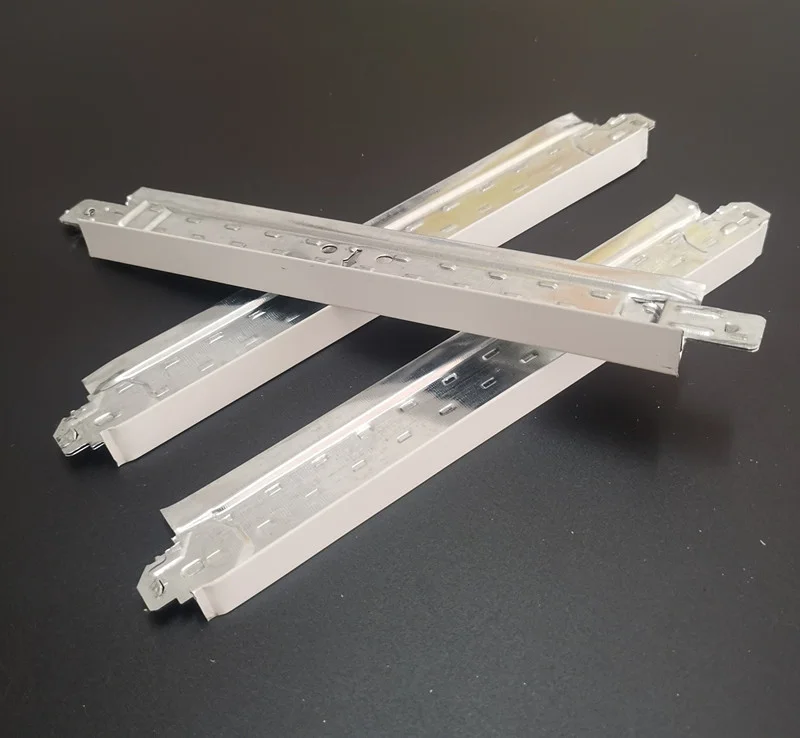
Core Components and Their Role in Exterior Metal Stud Framing
1. Durability and Corrosion Resistance
Galvanized steel studs resist rust and degrade slower than wood, especially in humid or coastal climates. That means buildings can last decades without suffering from termite infestation or rot, which are common with traditional wood frames.
2. Fire Resistance
Metal studs are inherently non-combustible, offering better safety in fire-prone zones. When combined with fire-rated gypsum boards and sheathing, this system can meet stringent fire codes.
3. Scalability and Speed
Prefabricated steel components can be cut precisely and assembled faster on-site, reducing labor costs and minimizing project delays. Many contractors note you can frame a building roughly 30% faster versus traditional timber methods.
4. Cost Efficiency Over Lifecycle
While initial material costs might be slightly higher than wood, metal stud framing lowers maintenance and repair expenses over time. Plus, less waste on-site means less cleanup—good news for budgets and the environment.
5. Compatibility with Modern Insulation and Cladding
These frames support a wide variety of insulation types—spray foam, rigid foam board, mineral wool—and work well with rainscreens and curtain wall systems. Thus, designers can optimize energy efficiency and aesthetics simultaneously.
Mini takeaway: Each part of exterior metal stud framing works together to deliver strong, safe, and fast-constructed exterior walls, making it a smart choice for various builds.
Exterior Metal Stud Framing In Action Around the Globe
Practical application? Fascinating stuff. In Japan, where seismic risks demand buildings that can flex without collapsing, metal stud framing is increasingly common. In the US, commercial buildings, warehouses, and even some residential developments regularly use steel framing. Meanwhile, humanitarian organizations use prefabricated metal frames to quickly set up shelters post-disaster in places like the Philippines and Haiti.
Industrial zones in the Middle East rely on steel framing for modular offices shipped to remote oil fields—thanks to metal studs’ ease of transport and quick assembly. And in Europe, the push for sustainable construction has architects specifying metal studs to meet aggressive environmental certifications.
Advantages That Outlast the Build: Why Exterior Metal Stud Framing Makes Sense
- Cost-sensitive yet quality-conscious: Balances upfront costs with low upkeep and longevity.
- Environmental perks: Steel is recyclable and supports global green initiatives like ISO 14001.
- Safety and peace of mind: Fire resistance, pest immunity, and structural stability mean safer homes and workplaces.
- Social impact: Rapid build times boost readiness for housing shortages or emergencies, preserving dignity and community cohesion.
Frankly, this combination of practical and emotional benefits is rare in building materials. If a material could narrate stories, steel studs would tell tales of homes rebuilt post-flood and commercial spaces standing tall after hurricanes.
Emerging Trends and Innovations Shaping Exterior Metal Stud Framing
So, what’s next? The integration of digital tools like BIM (Building Information Modeling) allows for precise planning and material optimization. On the materials front, there’s research into eco-friendly galvanizing processes and hybrid frames combining metal and recycled composites.
Another exciting frontier is automation—robotic assembly in factories, coupled with smarter logistics, promises to streamline modular exterior walls even further. Moreover, as green energy standards ramp up, framing systems are designed to accommodate integrated solar panels or smart thermal regulation.
Facing the Hurdles: Challenges and Smart Solutions
Of course, no method is without challenges. Metal stud framing can conduct heat and cold, risking energy inefficiency without proper thermal breaks. Installation demands precise engineering to prevent condensation and corrosion issues over decades.
But experts aren’t standing still. Emerging building wraps, vapor barriers, and insulation innovations mitigate these concerns. Training programs for installers also improve workmanship, reducing on-site mistakes that can undermine performance.
Product Specification Table: Typical Exterior Metal Stud Profile
| Specification |
Details |
| Material Grade |
G60 galvanized cold-rolled steel |
| Thickness (Gauge) |
18-25 gauge |
| Height |
8-12 feet (customizable) |
| Width |
1.5 - 3.5 inches |
| Corrosion Protection |
Hot-dip galvanized coating |
| Typical Load Capacity |
Up to 75 lbs/linear foot (varies by gauge) |
Vendor Comparison: Popular Exterior Metal Stud Framing Suppliers
| Supplier |
Material Quality |
Delivery Time |
Customization Options |
Price Range |
| GlobalSteel Co. |
Premium-grade G90 galvanized |
2-3 weeks |
Wide range, from gauges to spacing |
$$$ |
| SteelFrames Inc. |
Standard G60 Galvanized |
1-2 weeks |
Limited; mostly stock sizes |
$$ |
| BuildRight Metals |
Mid-grade coating, corrosion resistant |
3-4 weeks |
Custom lengths and thickness available |
$$$ |
FAQs About Exterior Metal Stud Framing
Q1: How is exterior metal stud framing better than traditional wood framing for exterior walls?
Exterior metal stud framing offers greater durability, resistance to pests like termites, and non-combustible properties that wood simply can’t match. It also stays dimensionally stable without warping, which means fewer cracks and maintenance issues. Overall, it’s a stronger and longer-lasting option, especially in challenging climates.
Q2: Can exterior metal stud framing be used in cold climates without causing heat loss?
Yes, but it requires proper thermal breaks and high-performance insulation systems to minimize heat transfer. Modern exterior framing assemblies often include continuous insulation layers and vapor barriers to prevent condensation and maintain energy efficiency.
Q3: Is metal stud framing suitable for quick construction in disaster relief scenarios?
Absolutely. Its compatibility with prefabrication and modular construction makes it ideal for rapid deployment. Steel studs are lightweight yet strong, allowing teams to assemble durable shelters quickly in affected areas.
Q4: How recyclable is exterior metal stud framing at the end of a building’s life?
Steel studs are highly recyclable, often reground and reused without loss of quality. This closed-loop ability supports sustainability goals and reduces landfill waste compared to traditional timber framing.
Q5: How can contractors source customized exterior metal stud framing parts internationally?
Many suppliers provide international shipping options. Working with vendors who offer custom cutting, galvanized coatings suited to regional environments, and documentation compliant with ISO and ASTM standards can simplify import logistics.
Wrapping It Up: Why Understanding Exterior Metal Stud Framing Pays Off
Exterior metal stud framing is no longer just a specialty—it’s becoming a mainstream solution globally for constructing modern, safe, and sustainable buildings. From urban architecture to emergency shelters, its blend of speed, strength, and eco-consciousness answers many challenges faced by today’s builders and planners. Curious to learn more or explore products tailored to your project? Feel free to visit exterior metal stud framing and dive into the details.
Mini takeaway: The future of building exteriors is metal—and it’s a promising path for durability, environmental responsibility, and faster project delivery.
References and Further Reading
- Steel frame - Wikipedia
- United Nations Climate Action
- ISO 14001 - Environmental management