Galvanized Steel Hat Channel: A Backbone of Modern Construction
When we talk about sustainable, reliable building materials, the term galvanized steel hat channel often pops up, especially in industrial, commercial, and even humanitarian contexts. But what exactly is it, and why is this relatively simple steel component so significant on a global scale? Understanding the galvanized steel hat channel’s role can shed light on how infrastructure withstands time, weather, and sometimes critical emergency needs. So, let’s dive in.
Introduction: Global Relevance and the Current Landscape
According to the World Steel Association, global steel production surpassed 1.8 billion metric tons in recent years, reflecting growing infrastructure demands worldwide. Among these steel products, galvanized steel solutions like the hat channel play a quietly pervasive role. They reinforce walls, support ceilings, and brace installations in industries ranging from construction to telecommunications. Given the ongoing challenges posed by climate change, urbanization, and disaster-prone regions, galvanized steel hat channels address a tangible problem: providing durable, corrosion-resistant support frameworks that ensure safety and longevity.
Oddly enough, while most folks rarely notice hat channels themselves, their absence would mean far more structural failures or maintenance headaches. They’re sort of the unsung heroes in modern builds — small but utterly vital.
What is a Galvanized Steel Hat Channel?
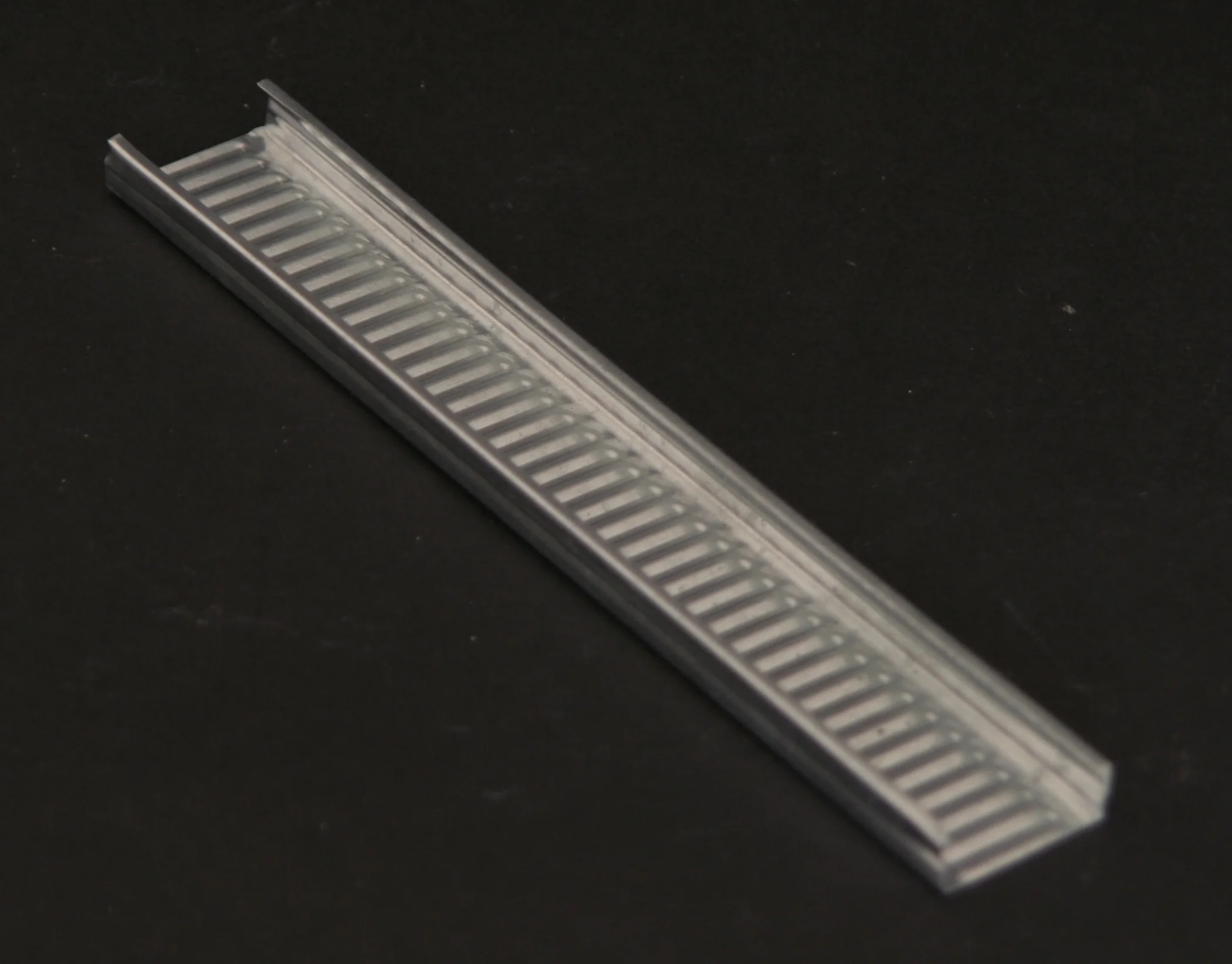
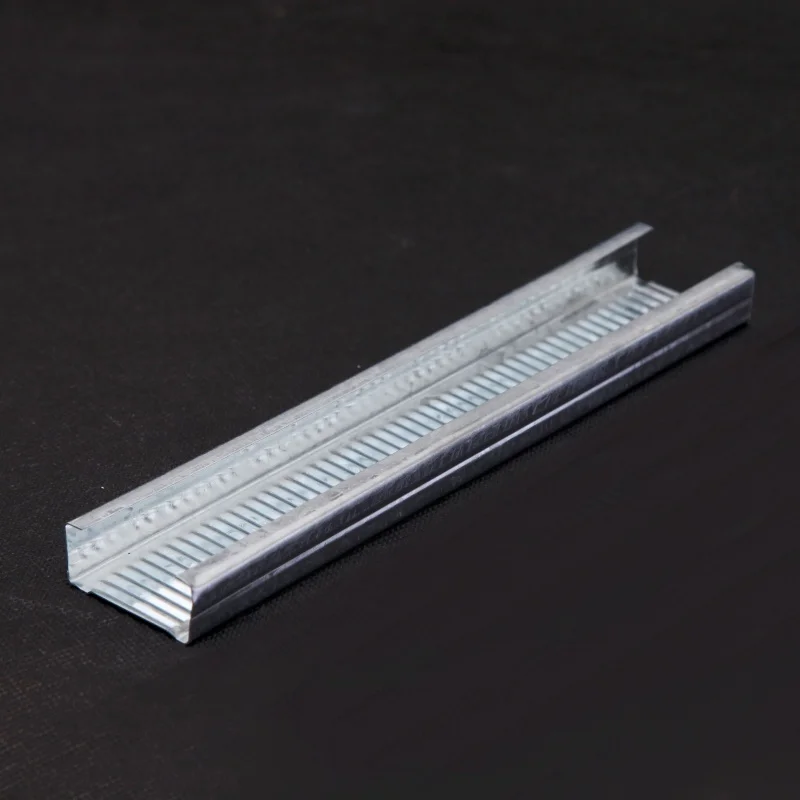
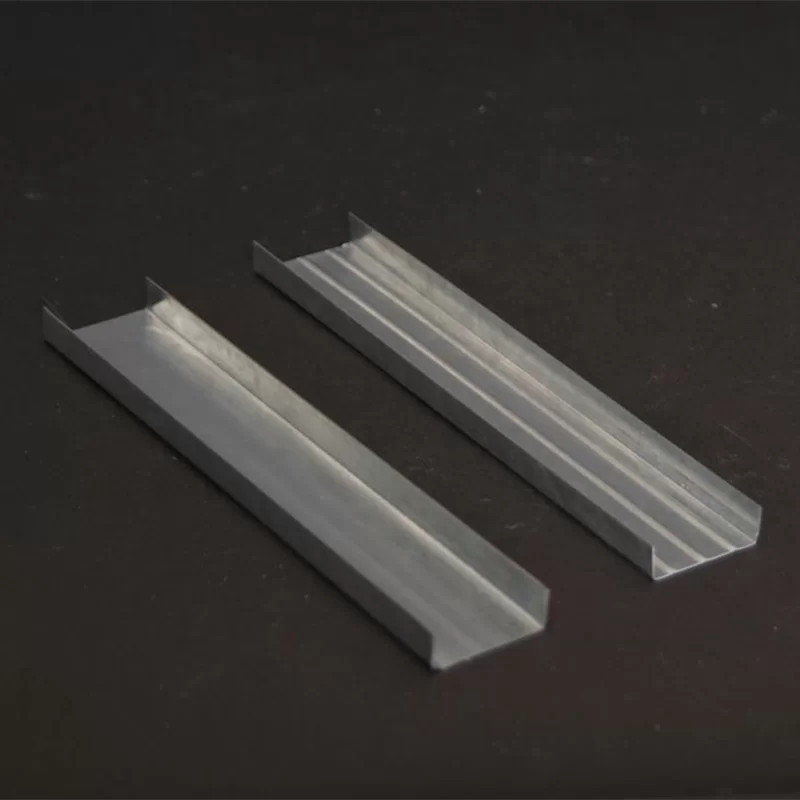
Simply put, a galvanized steel hat channel is a metal profile shaped somewhat like a “hat” viewed in cross-section, typically featuring a flat base with raised flanges. Galvanized means it has a zinc coating to protect against rust and corrosion. These channels are crucial components in framing systems. You’ll find them supporting drywall, ceilings, exterior siding, and even solar panel mounts.
Their connection to modern needs runs deeper than just structural support. For humanitarian projects — think emergency shelters or quick-assembly clinics — galvanized steel hat channels allow rapid deployment and improved resilience. The zinc coating extends service life in harsh environments, essential for shelters exposed to moisture or salty coastal air.
Key Factors of Galvanized Steel Hat Channel
Durability
The zinc galvanization process essentially shields the steel from rust — and rust is the enemy in construction materials. This durability leads to reduced maintenance and replacement costs, especially important in harsh climates or disaster zones.
Cost Efficiency
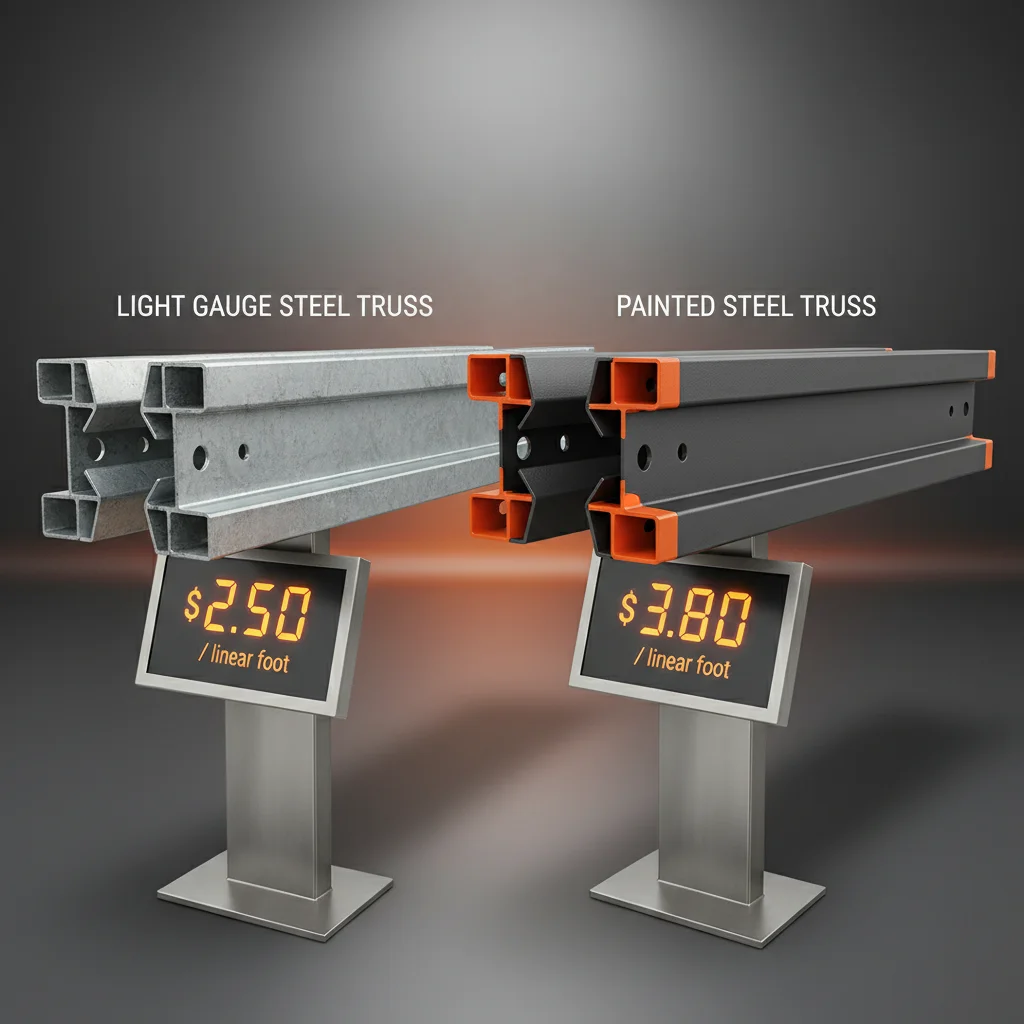
While galvanized steel costs more upfront than untreated steel, its long-term benefits make it a sound investment. Less corrosion means projects avoid unexpected repairs, and materials last longer, which can save a bunch of money over decades.
Versatility
Hat channels adapt well to different applications. They come in various thicknesses and widths, fitting everything from simple residential walls to industrial mounts or modular units. This scalability makes them popular across sectors.
Lightweight But Strong
Compared to heavier steel members, these channels offer a good strength-to-weight ratio. This is helpful when reducing load on supporting structures or easing installation in field conditions.
Environmental Resistance
The galvanizing process imbues the steel channels with protection against environmental factors—including humidity, salt spray, and chemicals—extending their usability in coastal or industrial environments.
Ease of Installation
They’re engineered with slots and holes facilitating quick fastening, saving both time and labor costs on site.
Mini takeaway: Galvanized steel hat channels are cost-effective, durable, and versatile components that support a broad range of building and engineering needs, especially where reliability is non-negotiable.
Product Specification Table
| Specification |
Typical Value |
Notes |
| Material Thickness |
18 - 24 Gauge |
Depends on application load requirements |
| Width |
1.25” - 3” (31mm - 76mm) |
Standard sizing available |
| Length |
8 - 20 ft (2.4m - 6m) |
Custom sizes often ordered |
| Coating Thickness |
Z275 g/m² (approx.) |
Standard hot-dip galvanized coating weight |
| Yield Strength |
250 - 350 MPa |
Varies by steel grade |
Global Applications & Use Cases
It’s fascinating just how many settings benefit from galvanized steel hat channels. In North America and Europe, these are standard in commercial building facades and residential drywall installations. But perhaps more striking is their role in regions with challenging environments, like Southeast Asia or coastal Africa.
- Post-disaster relief: NGOs leverage galvanized steel hat channels for rapidly erected shelters resistant to rain and wind.
- Remote industrial zones: Mining operations in Australia often use galvanized channels in modular offices and control rooms for ease of transport and durability.
- Renewable energy infrastructure: They form mounting solutions for solar and wind installations where corrosion resistance is critical.
- Hospital and sanitary facilities: Thanks to their hygiene benefits and longevity, many health units incorporate these channels in interior framing.
For more details about their application in construction, check out galvanized steel hat channel.
Mini takeaway: From emergency shelters to renewable energy projects, galvanized steel hat channels provide versatile solutions worldwide, balancing strength and longevity under diverse conditions.
Advantages & Long-Term Value
Economically, galvanized steel hat channels reduce recurring costs, thanks to minimal corrosion and less frequent replacements. Sustainability-wise, steel is one of the most recycled materials globally, and galvanizing doesn’t impede recyclability, aligning with green building initiatives.
On a social level, incorporating durable materials contributes directly to safety and dignity—especially crucial in temporary housing or healthcare settings. It feels reassuring that these often overlooked components stand guard silently, ensuring structures don’t fail when people need them most.
Vendor Comparison Table
| Vendor |
Material Grade |
Available Sizes |
Coating Thickness |
Typical Lead Time |
| SteelCo Global |
SG250 |
1.25" - 3" widths, up to 20ft |
Z275 g/m² |
2-3 Weeks |
| GalvaSteel Solutions |
SG300 |
1.5" - 3" widths, custom lengths |
Z350 g/m² |
3-4 Weeks |
| Jinkai Building Materials |
SG280 |
1.25" - 2.5", 8-16ft lengths |
Z275 g/m² |
1-2 Weeks |
Future Trends & Innovations
The future of galvanized steel hat channels is being shaped by sustainability and tech advances. Companies focus on using higher-grade steel with thinner but more effective zinc coatings, reducing raw material usage without sacrificing protection. Automation in roll-forming processes is improving precision, which lowers waste and speeds delivery.
Green building standards (such as ISO 14001 and LEED certifications) increasingly demand transparent lifecycle analyses, pushing manufacturers to innovate eco-friendlier galvanizing methods with fewer emissions.
Plus, as smart cities rise, integrating channels with embedded sensors to monitor structural health could become the norm—oddly enough turning these simple channels into nodes of data, helping prevent failures before they happen.
Challenges & Solutions
Despite their advantages, galvanized steel hat channels face some challenges. For example:
- Coating damage during installation can expose steel to corrosion.
- Transportation and handling damage might reduce lifespan.
- Limited design flexibility for extremely custom architectural features.
To address these, experts recommend:
- Using protective packaging and careful logistics.
- Improving training for installers about handling galvanized materials.
- Incorporating hybrid materials or coatings for specialized use cases.
FAQ: Frequently Asked Questions About Galvanized Steel Hat Channel
- What is the typical lifespan of galvanized steel hat channels in harsh environments?
- Generally, a hot-dip galvanized steel hat channel lasts 30 to 50 years in harsh environments such as coastal or industrial areas — depending on coating thickness and maintenance. Proper installation and handling can extend this lifespan significantly.
- Can galvanized steel hat channels be customized for specific projects?
- Yes, many manufacturers offer custom widths, lengths, and thicknesses. This flexibility accommodates a wide variety of structural applications, from lightweight framing to heavy-duty supports.
- Are galvanized steel hat channels recyclable?
- Steel is one of the most recycled materials worldwide. Even with the zinc coating, galvanized steel is fully recyclable, which supports sustainable building practices.
- How do galvanized steel hat channels compare to stainless steel alternatives?
- Stainless steel offers superior corrosion resistance but at a much higher cost. Galvanized hat channels provide a cost-effective balance suitable for many applications, especially where extreme corrosion resistance isn’t critical.
- Where can I buy high-quality galvanized steel hat channels?
- Reputable vendors like Jinkai Building Materials provide quality-certified galvanized steel hat channels with customizable options and reliable shipping timelines.
Conclusion
All things considered, galvanized steel hat channels quietly underpin much of the world’s infrastructure. Their blend of durability, cost-efficiency, and versatility meets both everyday construction needs and extraordinary challenges like disaster relief or green energy build-outs. For anyone involved in construction, engineering, or humanitarian work, understanding and using these galvanized framing elements pays dividends in reliability and peace of mind.
If you want practical products and trusted expertise, visit our website and explore the range of galvanized steel hat channels designed for modern demands.
Reflecting on these humble channels makes you realize: sometimes the smallest components carry the biggest weight, metaphorically and literally.
References
- World Steel Association - World Steel in Figures 2024
- Wikipedia - Galvanization
- ISO 14001 Environmental Management