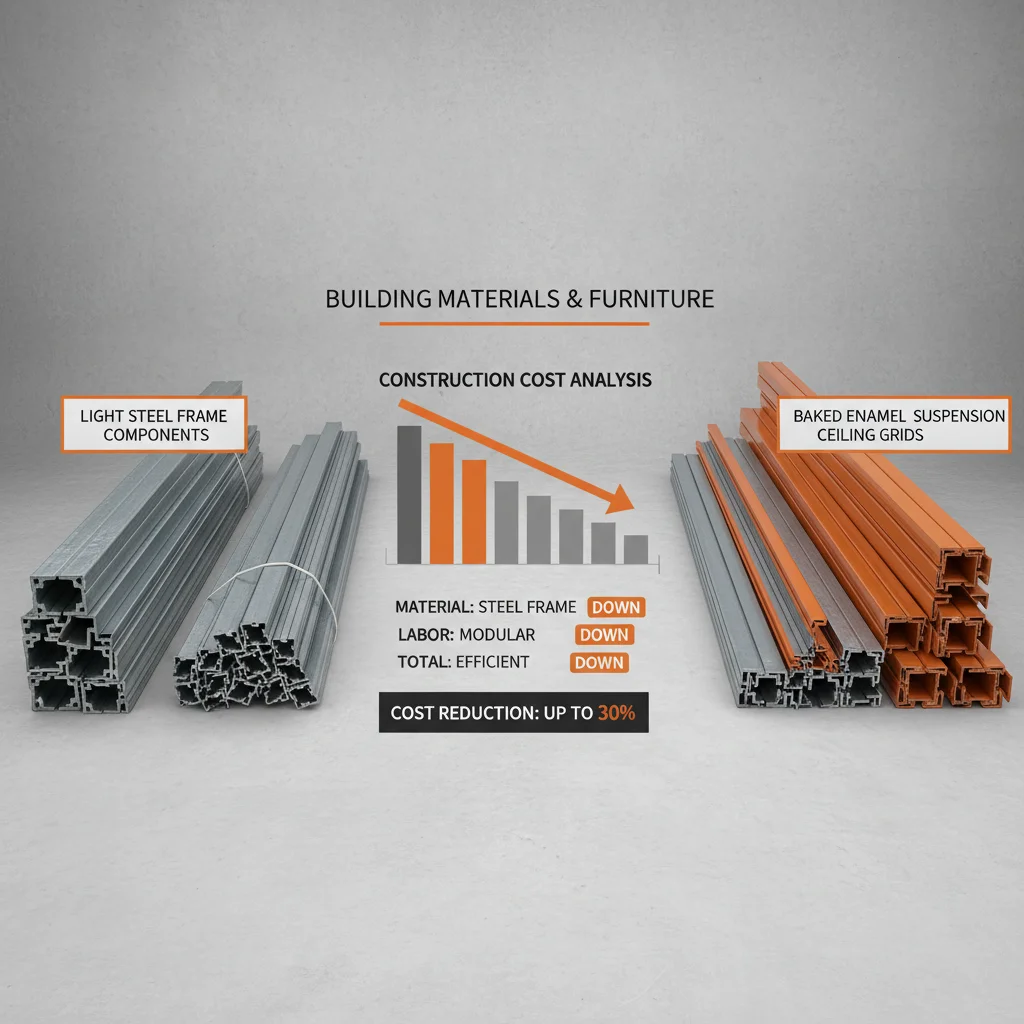
Why Drywall & Steel Matter in Today’s Construction Landscape
If you’re familiar with the construction trade — or just started poking around the building materials universe — the pairing of drywall & steel is something worth unpacking. Together, these two humble materials shape much of our modern built environment, from skyscrapers soaring above cityscapes to rapid-deployment housing in far-flung disaster zones. Globally, the construction industry represents roughly 13% of GDP worldwide, and materials like these play a key role in making structures affordable, resilient, and efficient. Drywall & steel, in particular, marry cost-effectiveness with durability, enabling faster builds without skimping on quality or safety.
Why should you care? Well, understanding how drywall & steel work together can help engineers, architects, humanitarian organizations, and even policymakers streamline projects — especially in times of crisis or urbanization surges. Their synergy addresses challenges like housing deficits, material waste, and sustainability, making this an essential combo in our evolving global infrastructure.
The Global Context: Construction Challenges & The Rise of Drywall & Steel
Worldwide, urban populations continue to boom. According to the United Nations’ latest data, by 2030, nearly 60% of the world’s populace will live in cities — that’s roughly 5 billion people. Meeting this demand isn’t just about erecting new buildings; it’s about smart, sustainable construction. Here lies the challenge: traditional methods often involve long timelines, greater waste, and high costs. Enter drywall & steel — two materials whose combined attributes address these pain points.
Steel’s strength and versatility are well-documented. The World Steel Association cites that around 80% of the world’s steel gets used in construction, underscoring its critical importance. Drywall, on the other hand, offers a lightweight, quick-to-install solution for interior walls, drastically reducing labor intensity. Together, they’re reshaping how we think about building — from luxury apartments in Dubai to emergency shelters after hurricanes.
What Exactly Are Drywall & Steel?
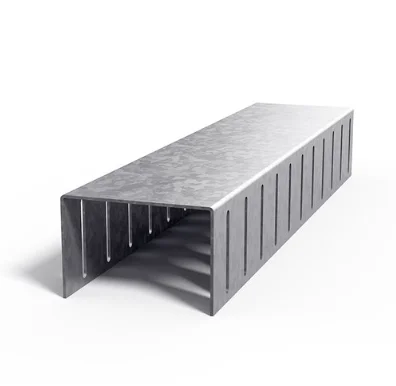
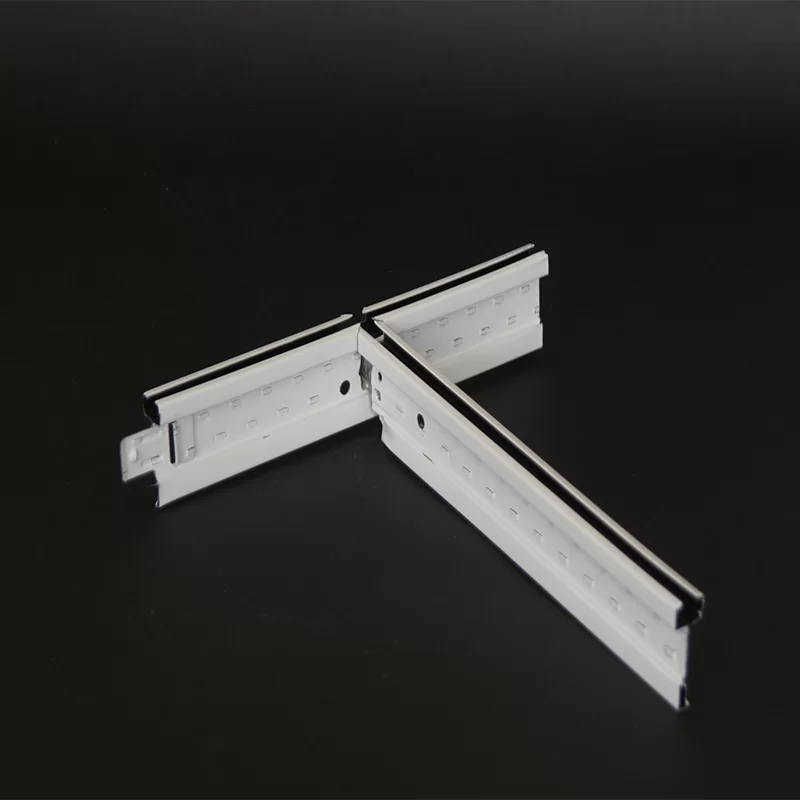
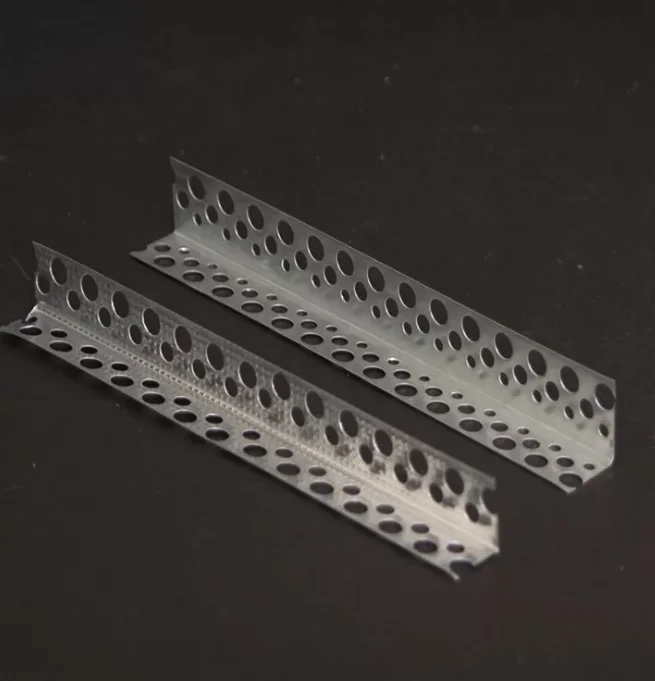
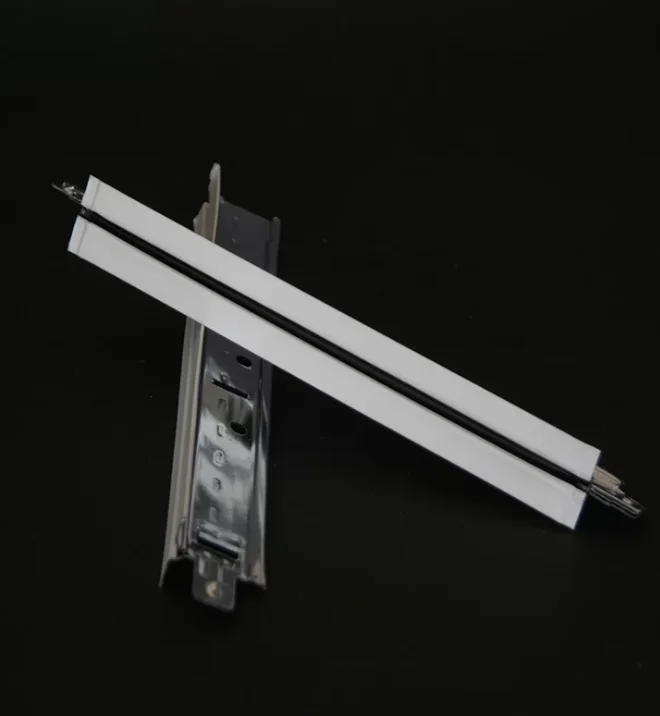
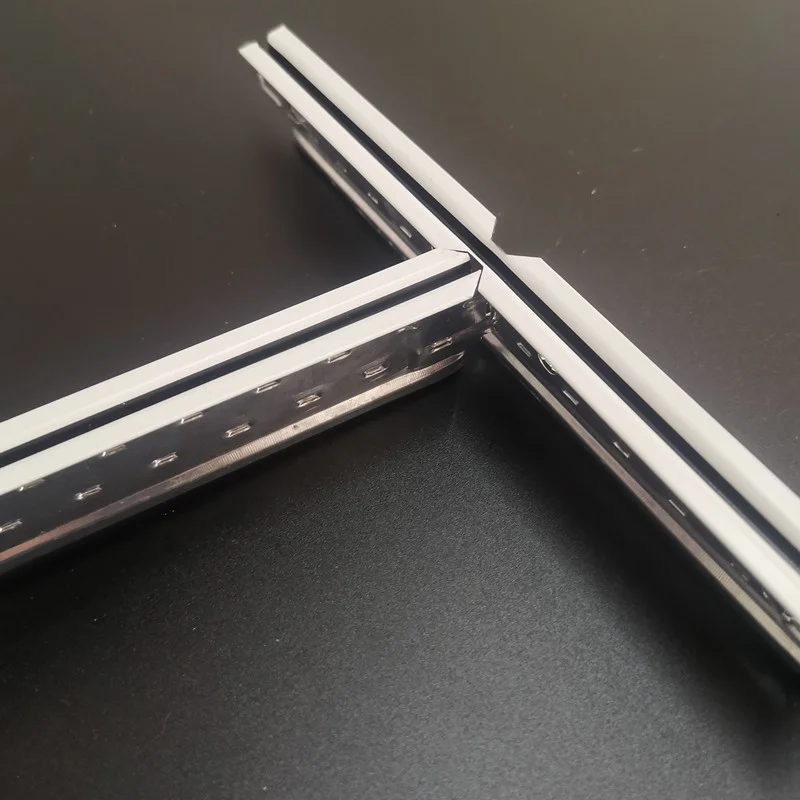
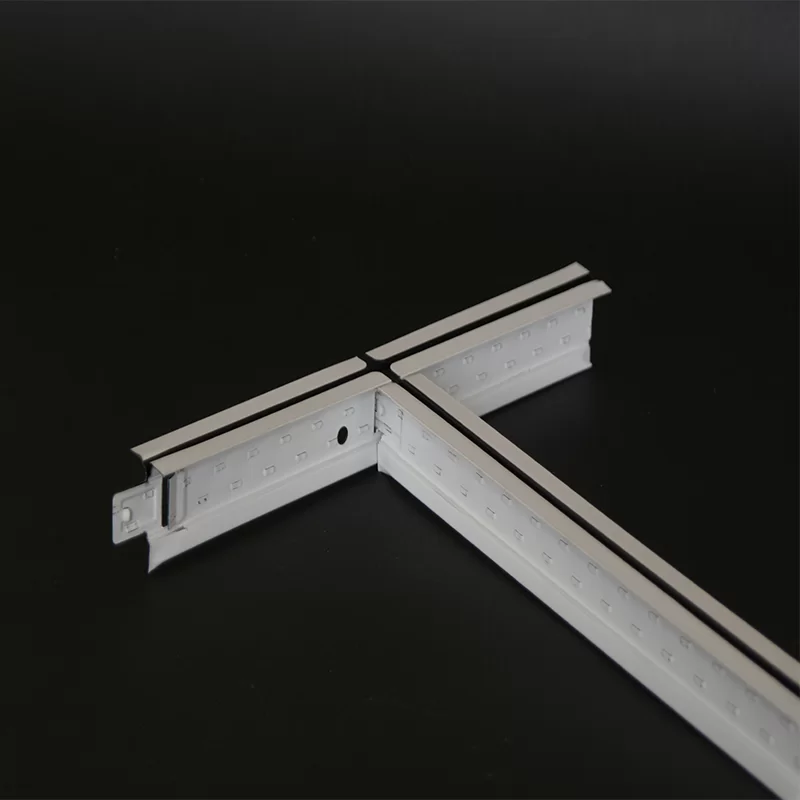
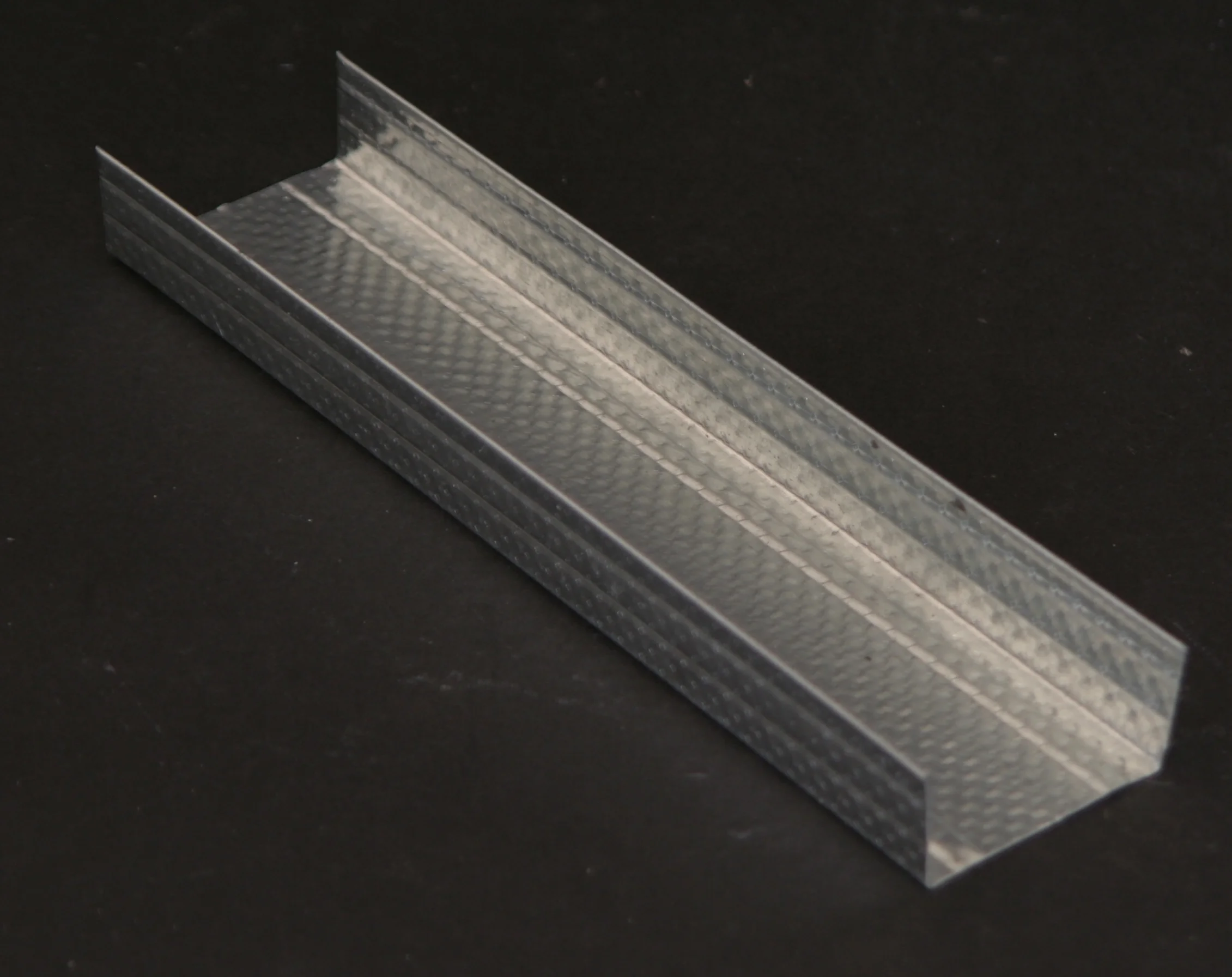
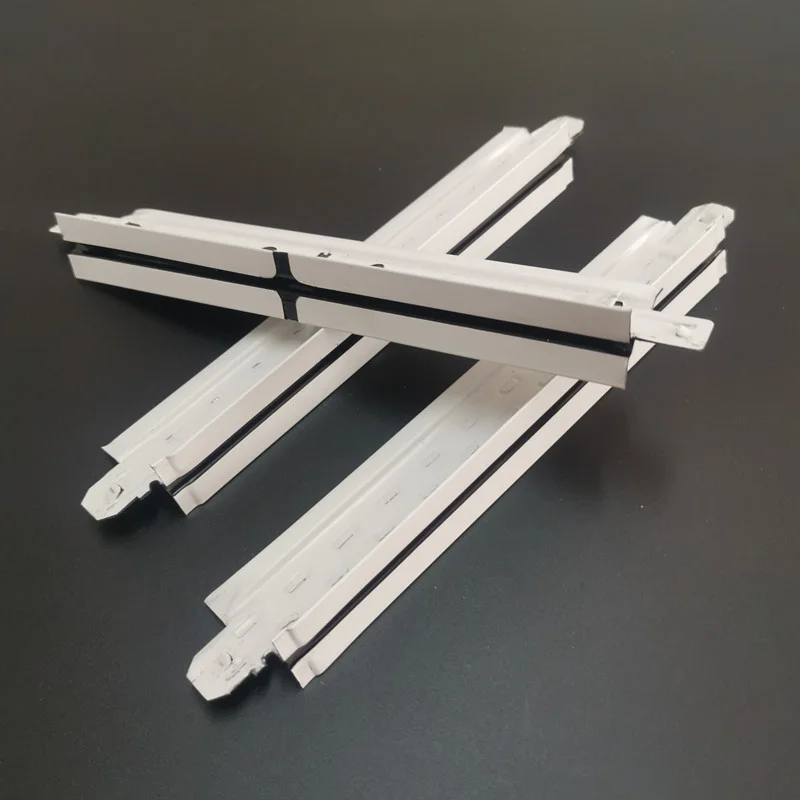
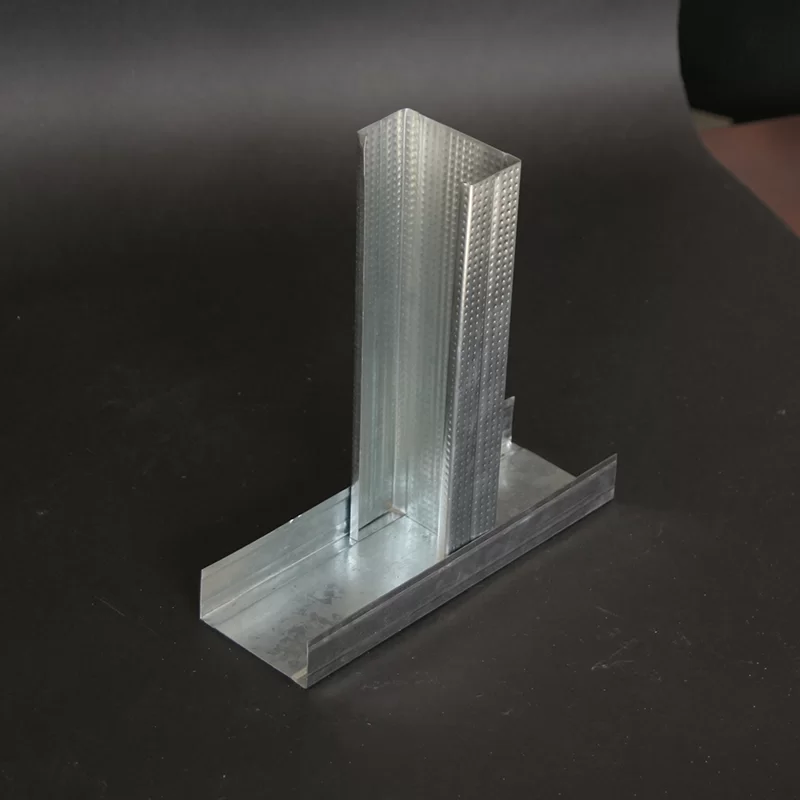
So, breaking it down simply — drywall (also called plasterboard or gypsum board) is a panel made mostly of gypsum sandwiched between two sheets of paper. It’s what you see behind the painted walls in nearly every home or office you walk into. Steel, in this context, usually refers to cold-formed steel framing members which replace traditional wood studs for wall structures.
Together, drywall & steel form a modern framing system that is fire-resistant, resistant to pests (no termite worries here), and less prone to warping than timber. This combo has become increasingly popular as it’s adaptable to both permanent constructions and modular or prefabricated housing.
Core Components & Their Practical Benefits
Durability & Fire Resistance
Steel framing can withstand extreme weather and pests, while drywall adds fire resistance and soundproofing qualities. For instance, steel studs don’t rot or twist, making them practical in humid or disaster-prone regions.
Cost Efficiency
Using drywall & steel often cuts costs by speeding up installation times and reducing maintenance. Drywall panels go up faster than plasterwork, meaning fewer labor hours. Steel’s recyclable content often results in savings over the lifecycle of the building.
Scalability & Flexibility
Whether you’re working on a single mid-rise or a large-scale industrial warehouse, drywall & steel systems scale gracefully. Prefab steel frames and modular drywall panels allow for customization without reinventing the wheel every time.
Environmental Considerations
Steel is one of the world’s most recycled materials, boasting an average recycled content near 90%. Drywall can also be recycled or repurposed, though less commonly. Combining both contributes to green building certifications like LEED.
Real-World Applications of Drywall & Steel
Around the world, drywall & steel are used from sprawling office buildings in North America to affordable housing projects in Southeast Asia. In post-disaster relief operations, NGOs leverage steel frames with drywall panels to rapidly deploy durable shelters for displaced people.
For example, in the Philippines, after typhoons, emergency housing units made from steel frames and drywall provide protection against tropical weather. In remote industrial zones, quick-to-assemble buildings reduce downtime for projects dependent on functional headquarters or worker accommodations.
Mini Takeaway:
Drywall & steel's versatility means they aren't niche materials but key enablers of resilient, affordable, and fast-build solutions that serve many global needs.
Advantages & Lasting Value
- Safety: Fire resistance and structural strength provide peace of mind.
- Sustainability: High recyclability and potential for waste reduction.
- Cost Savings: Reduced labor times and maintenance cut expenses.
- Adaptability: Easily modified interiors to retrofit changing needs.
- Longevity: Steel framing promises decades without warping or termite damage.
It’s funny how these materials, often overlooked beneath painted surfaces, quietly shape how safe and comfortable we feel inside buildings around us.
Product Specification Table: Typical Drywall & Steel Framing System
| Component |
Material |
Typical Dimension |
Key Feature |
| Steel Studs |
Cold-formed galvanized steel |
1.5" x 3.5" (varies by design) |
Corrosion-resistant, load-bearing frame |
| Drywall Panels |
Gypsum board with paper facing |
4' x 8', thickness 1/2" or 5/8" |
Fire-resistant, surface ready for finishing |
| Joint Compound |
Gypsum plaster with additives |
N/A |
Seals joints between drywall panels |
| Fasteners |
Galvanized steel screws |
Varied lengths |
Ensures structural integrity |
Vendor Comparison: Drywall & Steel Suppliers at a Glance
| Supplier |
Price per Unit |
Sustainability |
Product Range |
Delivery Speed |
| Jinkai Steel & Drywall |
Competitive (Bulk discounts) |
High recycled content steel |
Custom & standard panels |
Fast (5-7 days average) |
| Global Steel Solutions |
Mid-range |
Moderate recycling efforts |
Steel framing + limited drywall |
Standard (10-14 days) |
| EcoBuild Materials |
Premium pricing |
Focus on green certifications |
Sustainable drywall & steel |
Variable, project-dependent |
Looking Ahead: Innovations in Drywall & Steel Construction
The building materials world isn’t exactly a place that changes overnight, but there have been some intriguing innovations on the horizon. For steel framing, advances in ultra-high-strength alloys are enabling lighter yet stronger frames, cutting down material usage without sacrificing safety.
As for drywall, new formulations are appearing with enhanced moisture resistance or integrated soundproofing, which can completely change a room’s comfort. There’s also increased interest in drywall panels embedded with phase-change materials for passive temperature regulation.
The rise of modular construction, combined with digital design tools, means drywall & steel assemblies can be precision-cut and arranged offsite, then shipped and quickly assembled on location. This advancement cuts waste and drives down costs — quite essential when you think about urban housing shortages or emergency shelters.
On the Challenges & Clever Solutions
Of course, nothing is perfect. Drywall & steel systems sometimes get pushback over their thermal conductivity — steel frames can potentially cause cold bridging and energy loss if not thermally broken or insulated properly. But innovations in thermal breaks and layered insulation are mitigating those issues reliably.
Another challenge is disposal and recycling logistics, especially drywall waste that can produce hydrogen sulfide if mismanaged. Proper collection and recycling infrastructure are essential if we want to stay green while building fast.
Many engineers say the key lies in integrated design thinking — viewing drywall & steel not just as materials but as systems within broader sustainable building practices.
FAQ: Common Questions About Drywall & Steel
- What makes drywall & steel framing better than traditional wood framing?
-
Steel framing is more resistant to warping, pests, and fire compared to wood. Combined with drywall’s ease of installation and fire resistance, this system speeds construction and typically requires less maintenance over time.
- How long can drywall & steel buildings last in disaster-prone areas?
-
Steel-framed structures with drywall interiors can last 50+ years when correctly maintained. Their resistance to pests and weather damage is advantageous in regions vulnerable to storms or humidity.
- Is drywall environmentally friendly?
-
Drywall is mostly gypsum, a naturally occurring mineral, and it can be recycled or repurposed. While not as recycled as steel yet, newer recycling programs and greener formulations are steadily improving drywall's eco footprint.
- Can NGOs import drywall & steel solutions easily abroad?
-
Many suppliers offer bulk ordering and global shipping options. Choosing modular, prefabricated drywall & steel systems simplifies logistics and onsite assembly, which NGOs prefer for rapid deployment.
Conclusion & Next Steps
At the end of the day, drywall & steel form a partnership that’s quietly transforming the construction world. They solve a conundrum of speed, cost, and durability in ways that few traditional materials can match. Whether you’re an engineer, builder, or decision-maker, embracing these materials — and the innovations around them — positions projects for long-term success and sustainability.
Curious to learn more or source solutions tailored for your needs? Visit our website: drywall & steel to dive deeper into offerings that suit modern construction challenges.
References
- United Nations World Urbanization Prospects
- World Steel Association - Steel in Construction
- Wikipedia - Drywall