Understanding Furring Metal Studs: Why They Matter Worldwide
In the vast world of construction and architectural design, furring metal studs might sound like a niche term, but they are quietly shaping the industry's future. Whether it’s about creating smooth interior walls, improving insulation efficiency, or enabling quicker builds, these slender steel sections offer solutions globally that affect everything from affordable housing to sophisticated commercial projects.
Globally, construction demand rises every year—by 2.5% annually according to the World Bank—with sustainability and speed at the core. Understanding the role of furring metal studs isn’t just technical jargon; it unlocks benefits like durability, cost savings, and adaptability, vital for projects ranging from disaster relief shelters to multipurpose commercial interiors.
An Industry Context: The Global Rise of Metal Framing
Around the world, the shift toward metal framing reflects a push for higher efficiency in building. The ISO standards continuously nudge materials toward more sustainable, resilient options. Furring metal studs, as part of this movement, address problems like shrinking labor pools, rising costs of traditional wood framing, and stricter fire and seismic regulations.
In regions prone to extreme weather or rapid urbanization, fast, reliable framing components help meet urgent demands. For example, after a natural disaster, reconstruction timelines tighten dramatically—traditional framing can’t keep up. This is exactly where furring metal studs come into play, offering strength and installation speed previously unimaginable.
What Are Furring Metal Studs?
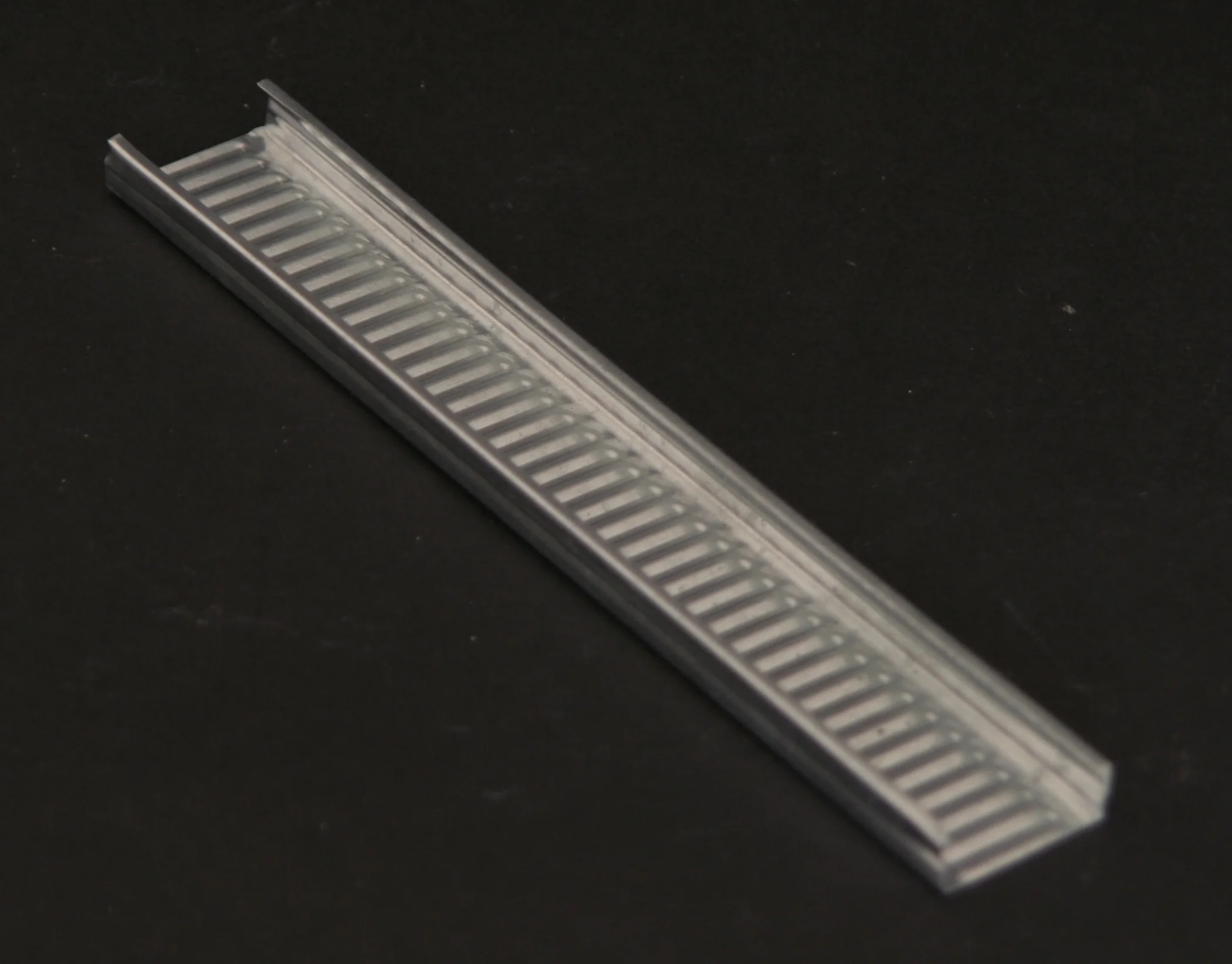
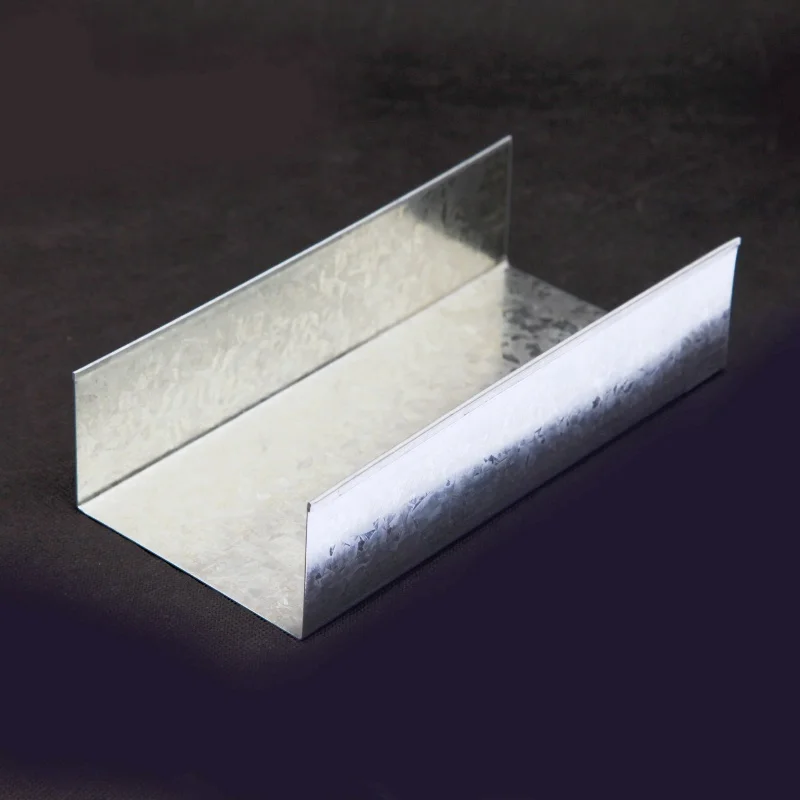
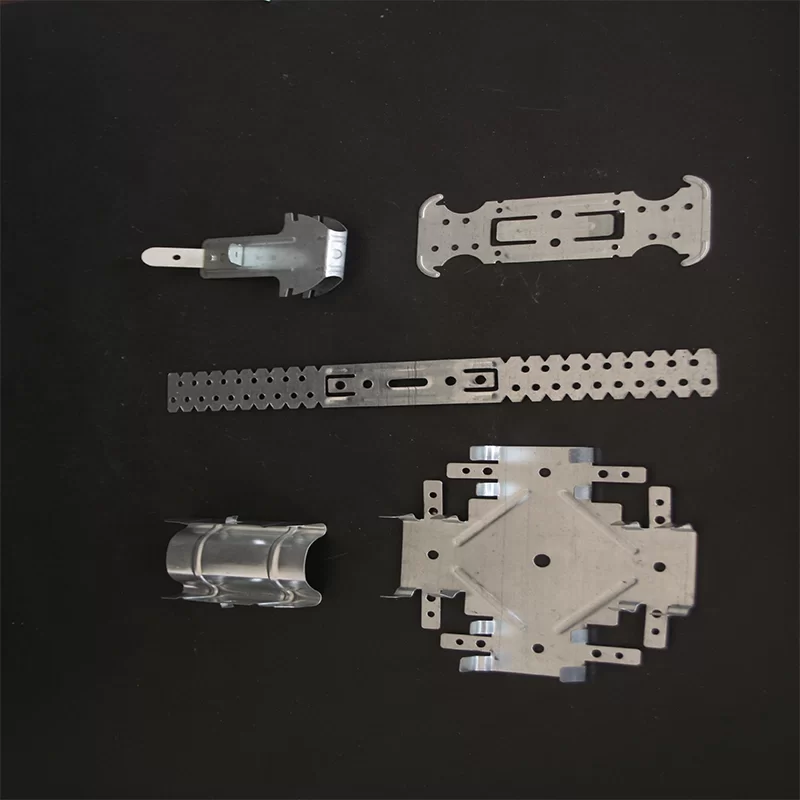
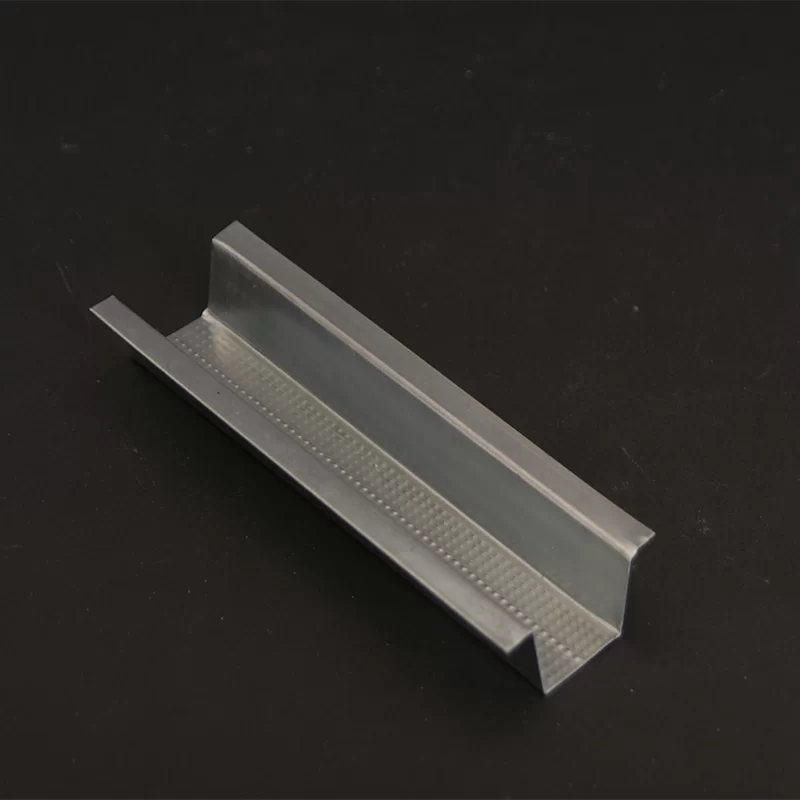
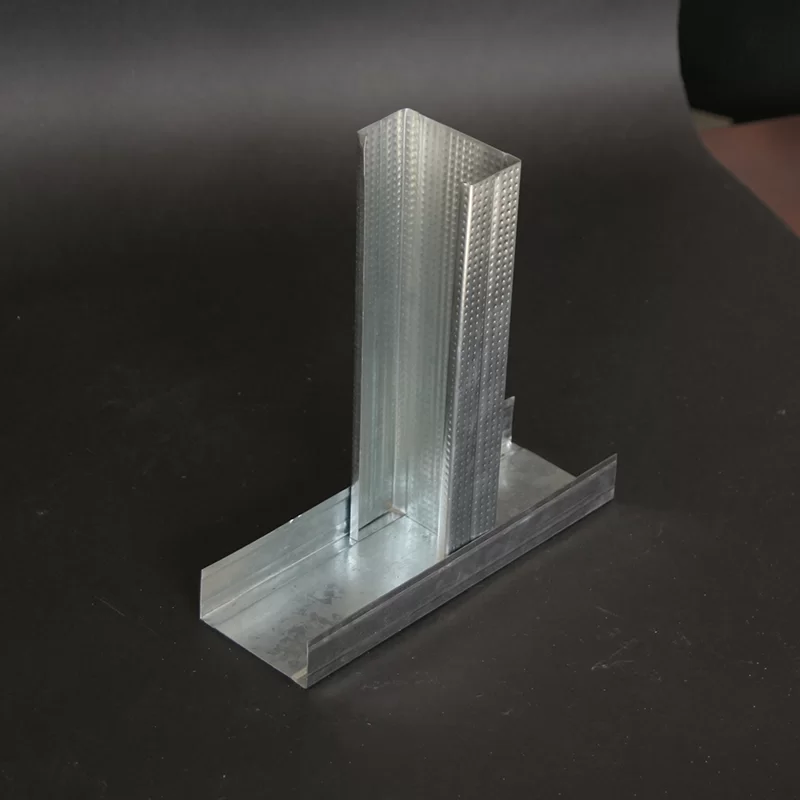
Simply put, furring metal studs are slim, vertical or horizontal steel members used as a framework attached to existing walls or ceilings. They “furr out” surfaces, creating space for insulation, wiring, or leveling uneven backgrounds before finishing with drywall or paneling.
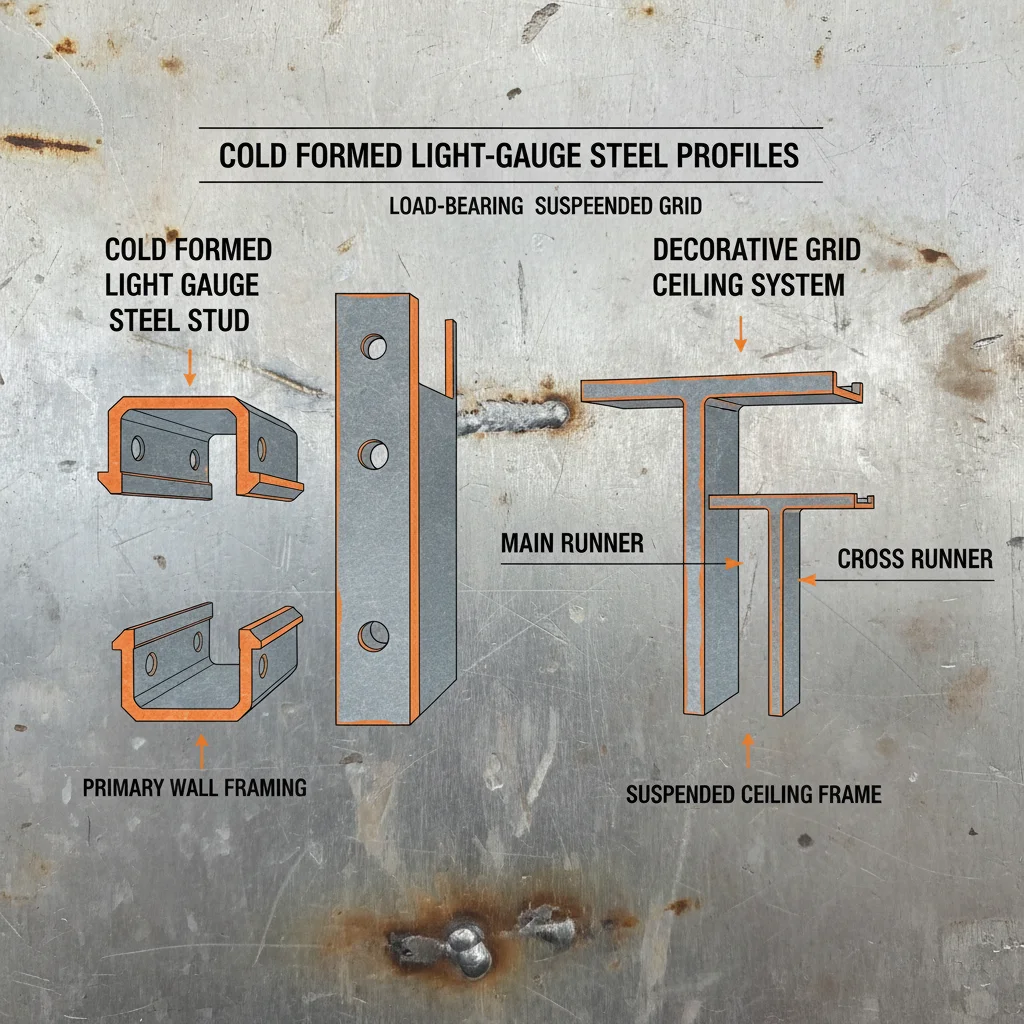
They differ from traditional studs because they are lightweight, non-combustible, and rust-resistant. Their metal composition aligns well with modern demands for green materials and modular architecture, where quick assembly and disassembly matter a lot.
Connection to Industry and Humanitarian Efforts
Looking beyond typical buildings, these studs give NGOs and relief agencies a practical framing method that supports temporary housing, clinics, or schools. Lightweight yet tough, metal studs are reusable and often recyclable—a critical factor when sustainability and social impact are intertwined.
Key Aspects to Consider with Furring Metal Studs
1. Durability
Unlike wood, furring metal studs resist rot, termites, and warping. In humid or termite-active areas, this means structures last longer with fewer repairs—sometimes decades longer. This resilience directly translates to lower lifecycle costs.
2. Cost Efficiency
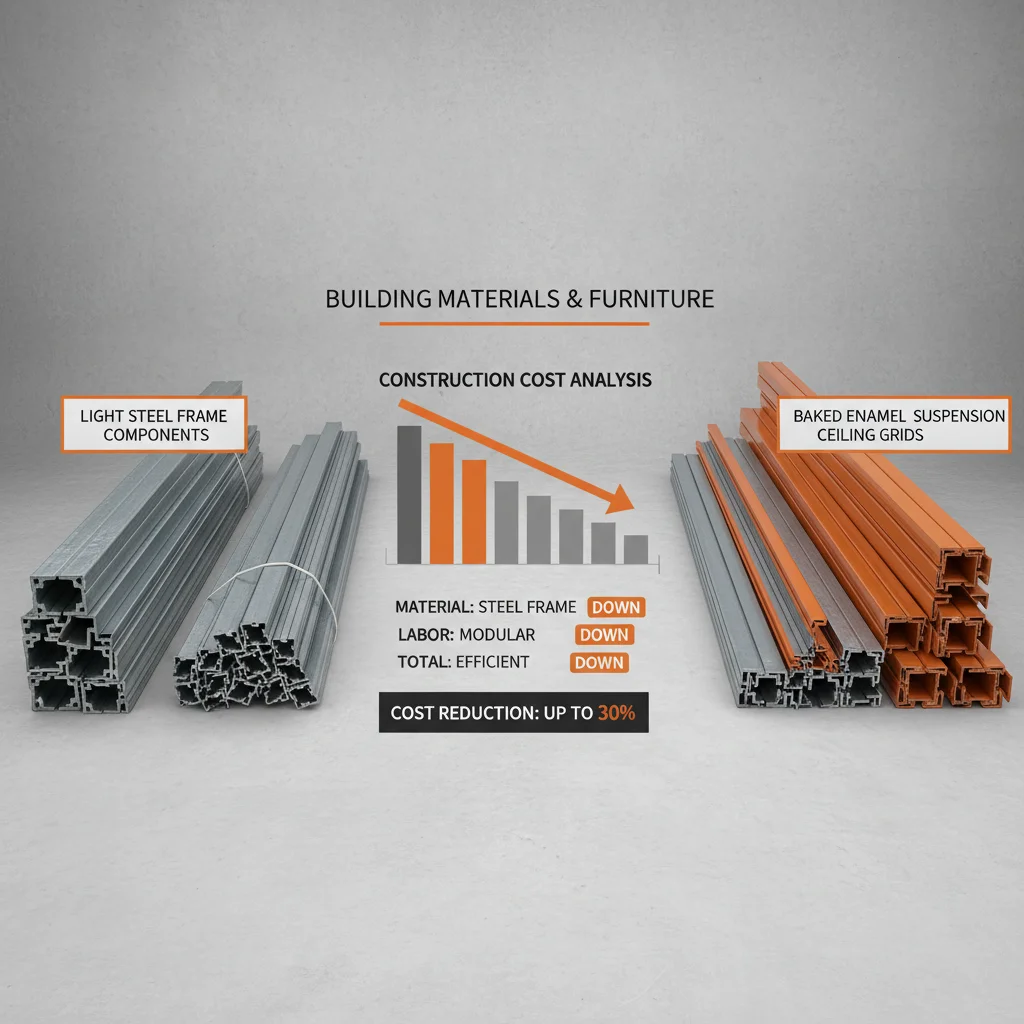
While the upfront cost of metal studs might be slightly higher than wood in some markets, savings emerge from ease of installation and reduced maintenance. Many contractors report a 15-20% reduction in labor time with pre-cut metal studs, which feels like magic when working on tight deadlines.
3. Scalability and Flexibility
Because metal studs come in standard lengths and can be quickly customized on site, they’re ideal for varied project sizes. Whether it’s a tiny clinic in a rural village or a sprawling office complex, the studs adapt well to different load requirements—often engineered to support things like HVAC or audio-visual equipment.
4. Fire Resistance
Steel doesn’t burn—making furring metal studs inherently more fire-safe than timber. For offices, schools, or housing near fire-prone zones, this adds a peace-of-mind layer that also tends to ease insurance costs.
5. Environmental Impact
Many metal studs are produced from recycled steel and are fully recyclable at end-of-life. This fits nicely with the global push for circular economy practices in construction highlighted in ISO 14001 environmental management standards.
Mini Takeaway: The strength, versatility, and sustainability of furring metal studs make them a quiet hero in modern construction frameworks—both in booming cities and emergency contexts.
Global Applications and Real-Life Examples
From North America’s commercial office parks to humanitarian settings in Southeast Asia, metal studs see broad use:
- Post-Disaster Recovery: In 2018, after Typhoon Mangkhut hammered the Philippines, NGOs used metal studs in temporary shelter projects for rapid wall framing that could be doubled as long-term housing solutions.
- Remote Industrial Zones: In Australia’s mining communities, modular buildings constructed partly with metal studs offer quick, durable solutions where traditional materials' transport delays are costly.
- Urban Renovation: Across Europe, retrofitting historic buildings often employs metal furring channels to hold insulation and new cladding without damaging precious stone or brickwork.
Advantages & Long-Term Value of Metal Furring Systems
The benefits are quite tangible:
- Cost Savings: Less waste and faster construction save money.
- Sustainability: Recycled content and recyclability address environmental concerns.
- Reliability & Longevity: Reduced maintenance and enhanced durability.
- Safety: Fire resistance and structural integrity add user confidence.
- Social Impact: Enables dignified, safe housing in fragile contexts.
Frankly, these studs don’t just frame walls — they frame solutions that combine logic with empathy.
Product Specification Table of Typical Furring Metal Studs
| Specification |
Typical Value |
| Material |
Galvanized steel (G40 - G60) |
| Thickness |
0.45 - 1.25 mm |
| Width |
20 mm - 70 mm |
| Length |
2.4 m - 4.8 m (custom sizes available) |
| Load Capacity |
Up to 400 lbs per stud (depends on gauge and spacing) |
| Thermal Break |
Optional with insulated clips |
Vendor Comparison: Selecting the Right Supplier for Furring Metal Studs
| Vendor |
Quality Certification |
Customization Options |
Pricing |
Lead Time |
| Jinkai Metal Industries |
ISO 9001, CE |
Cut-to-length, drilled holes |
Competitive |
2-3 weeks |
| MetalStudsCo |
UL Listed |
Bulk orders only |
Higher |
4-6 weeks |
| SteelFrame International |
ISO 14001 |
Custom profiles available |
Mid-range |
3-4 weeks |
Future Trends & Innovations in Furring Metal Studs
The next frontier lies in combining digital fabrication with sustainable materials. Imagine studs manufactured on-site with 3D-printed custom brackets or embedded sensors monitoring structural integrity. Green energy initiatives are pushing manufacturers toward even more eco-friendly galvanizing processes, reducing emissions further.
Automation in supply chains allows just-in-time deliveries, slashing construction waste dramatically. In real terms, this means fewer leftover materials tossed out after jobs finish, reducing both cost and landfill load.
Common Challenges and How to Overcome Them
Despite their advantages, furring metal studs sometimes face pushback:
- Thermal Bridging: Metal easily conducts heat, which can reduce energy efficiency in buildings. Solutions include insulated clips or hybrid framing.
- Corrosion Risk: Although galvanized, in extremely harsh environments, additional coatings might be necessary.
- Specialized Installation Skill: Training is key. Partnering with experienced vendors like Jinkai Metal Industries ensures onsite support and guidance.
Oddly enough, addressing these challenges usually ends up accelerating adoption—engineers appreciate how small fixes can unlock big benefits.
FAQ: Your Common Questions About Furring Metal Studs
Q1: Are furring metal studs better than wood for interior wall framing?
Yes, especially when durability, fire resistance, and moisture resistance matter. Metal studs don’t warp or rot and allow for easier integration with modern building services.
Q2: How long do metal furring systems typically last?
With proper installation and maintenance, they can last 50 years or more—far surpassing untreated wood in the same environments.
Q3: Can these studs be customized for special projects?
Absolutely. Many suppliers offer custom lengths, perforations, and profiles, making them adaptable for whatever creative or technical demands a project might have.
Q4: How can NGOs source these studs globally for relief efforts?
Working with reputable vendors who understand international shipping and certifications is critical—organizations like Jinkai provide turnkey solutions tailored to relief contexts.
Wrapping Up: Why Furring Metal Studs Are Here to Stay
If there’s one thing I’ve noticed discussing framing with engineers and builders worldwide, it’s this: furring metal studs combine simplicity with high performance. They streamline construction, reduce environmental impact, and open up new possibilities in everything from remote shelters to sleek city offices.
If your next project calls for efficient, resilient framing, I’d strongly recommend exploring the range offered by Jinkai Metal Industries —they get the fine balance right between quality, customization, and pricing.
In the end, furring metal studs are more than just structural elements—they're building blocks of a smarter, greener, and fairer future.
References:
- ISO Standards for Steel Building Materials
- World Bank Urban Development Data
- Wikipedia: Furring (Construction)