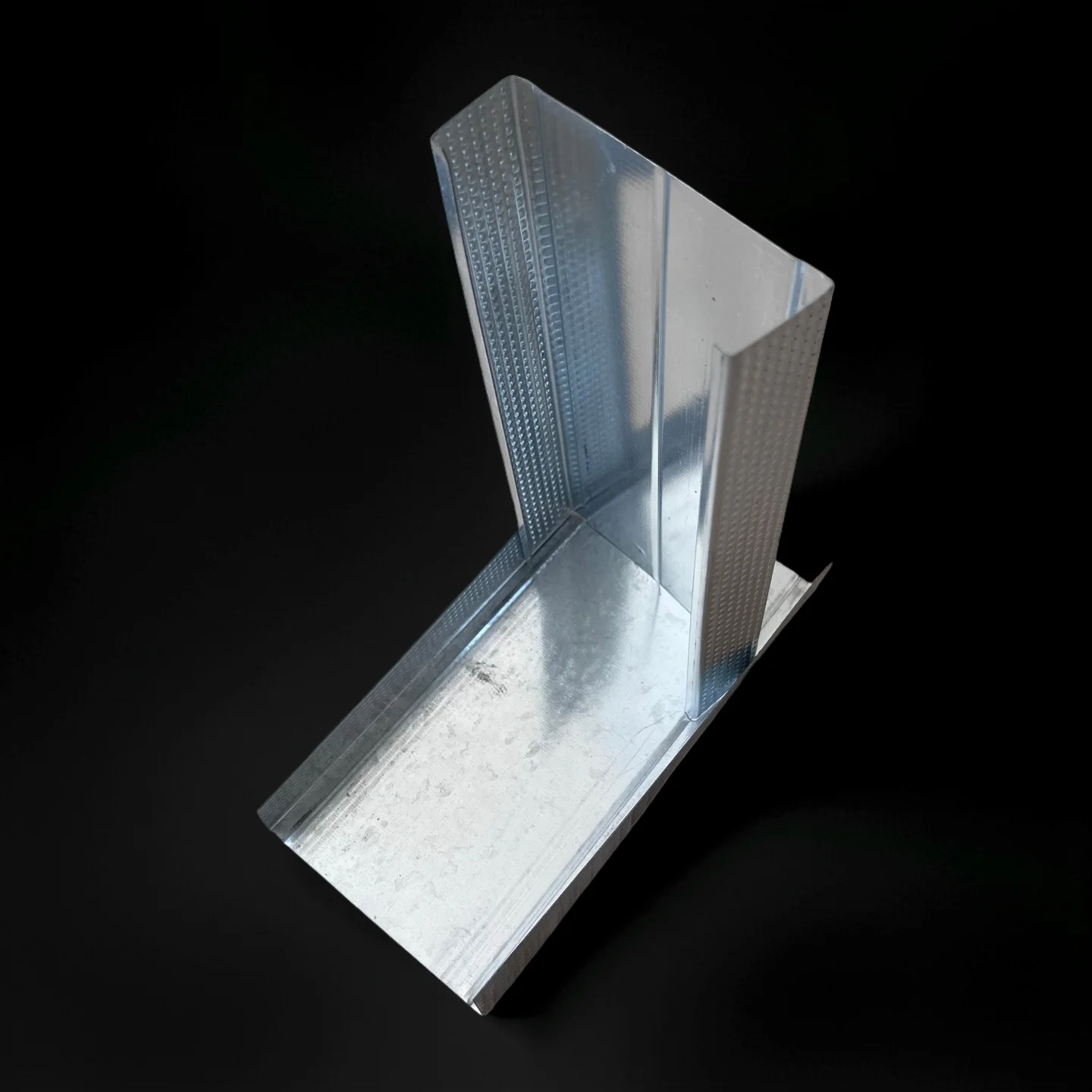
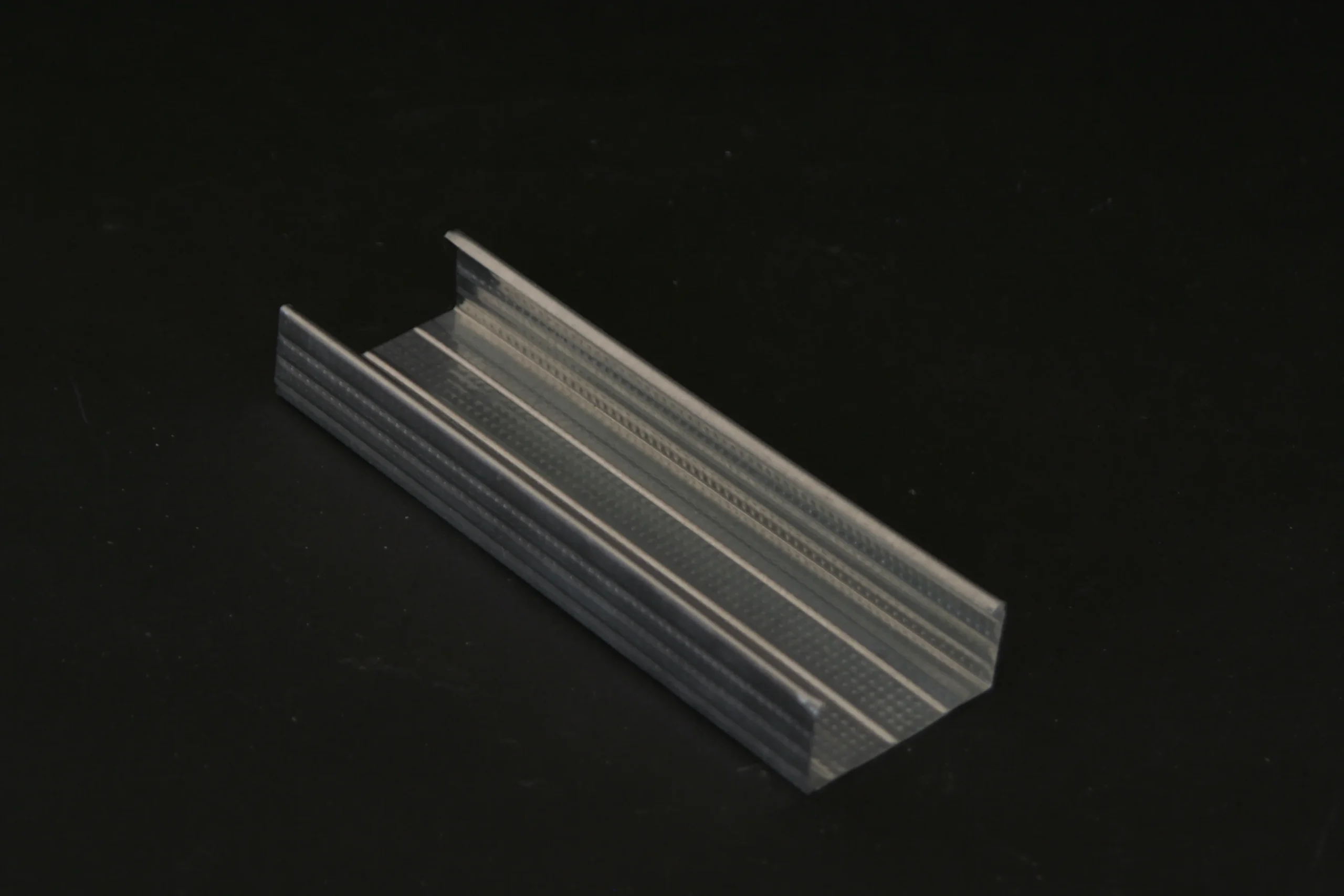
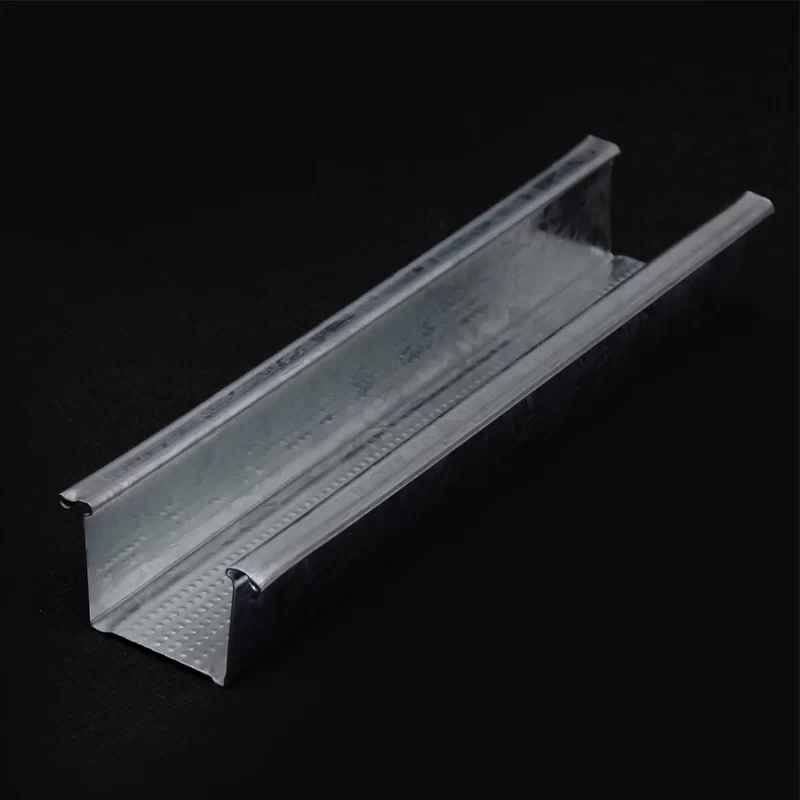
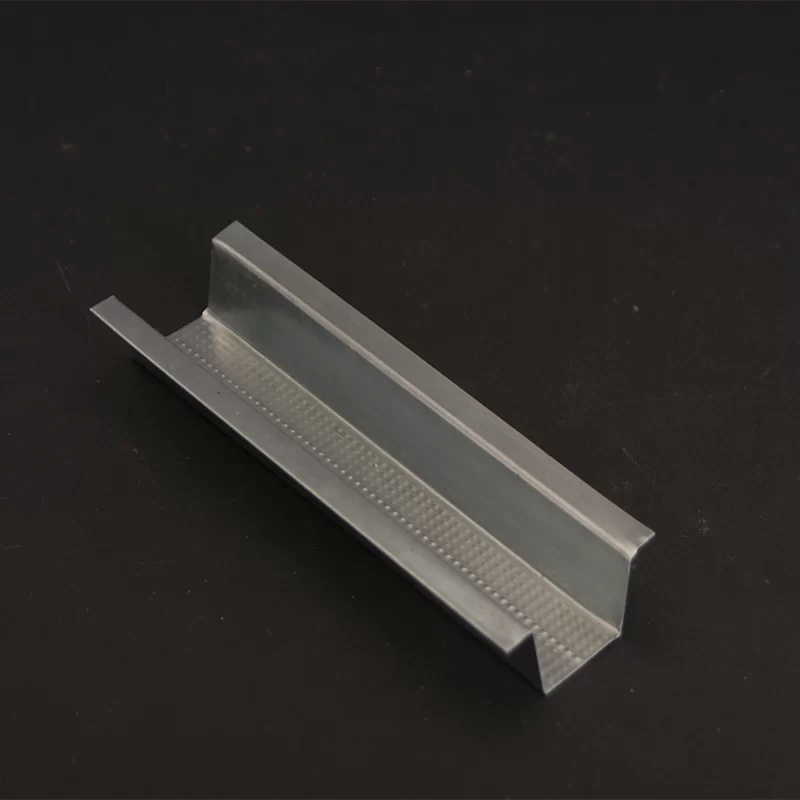
Cold Form Studs: The Unsung Heroes of Metal Framing
Having spent a good part of my industrial career working closely with structural steel components, I can tell you – all studs aren’t created equal. When it comes to cold form studs, there’s a certain quiet reliability to them that often flies under the radar.
Oddly enough, despite their humble appearance, cold form studs deliver a solid punch when it comes to strength, precision, and versatility. They’re especially popular in sectors where metal framing needs to be both rugged and lightweight, like commercial construction or heavy manufacturing. Let’s dive a little deeper.
Why Cold Form Studs Matter in Industrial Applications
First off, cold forming refers to the process of shaping steel at near room temperature, which improves its structural integrity without the drawbacks of heating. This means fewer warps and twists – a big plus when precision is crucial. Many engineers I know swear by cold form studs for projects demanding tight tolerances.
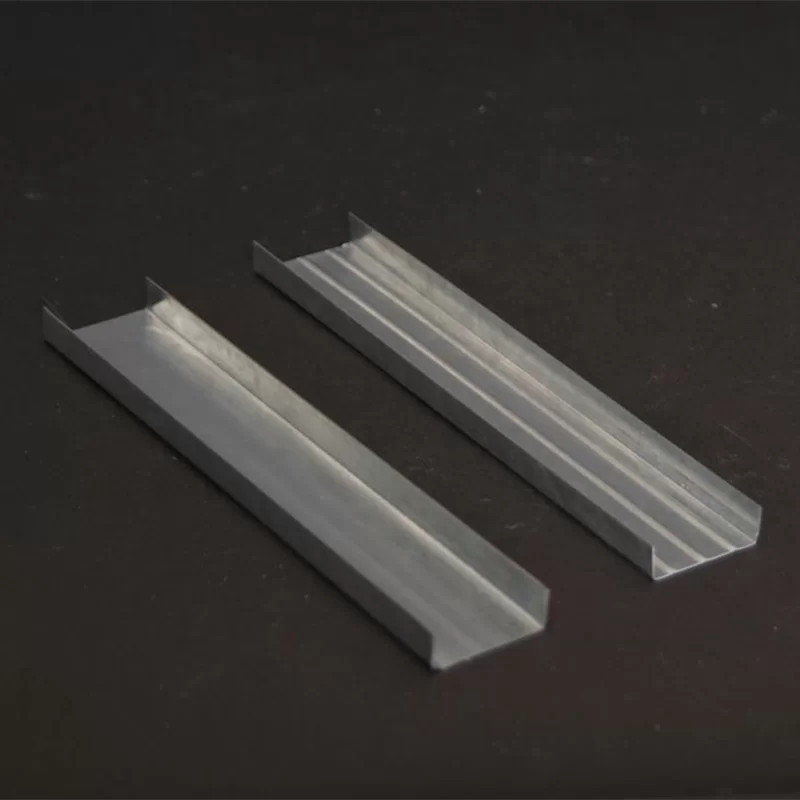
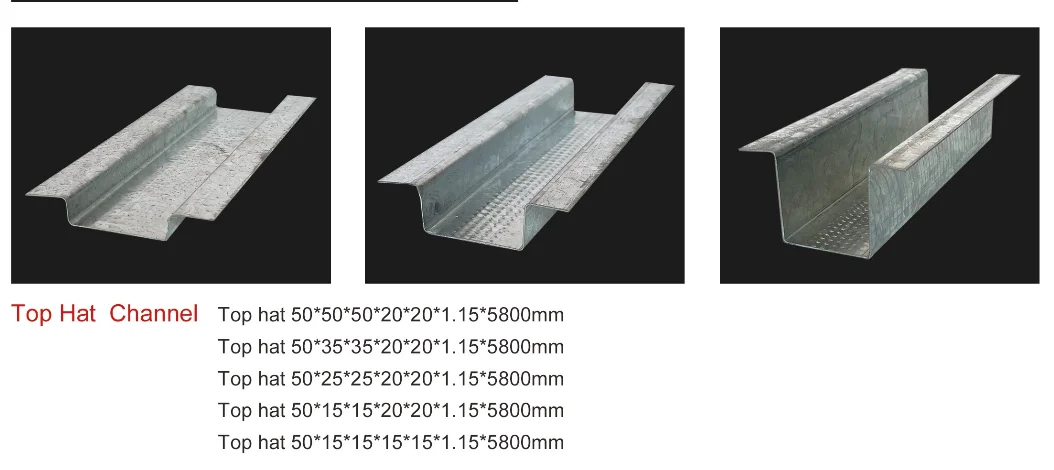
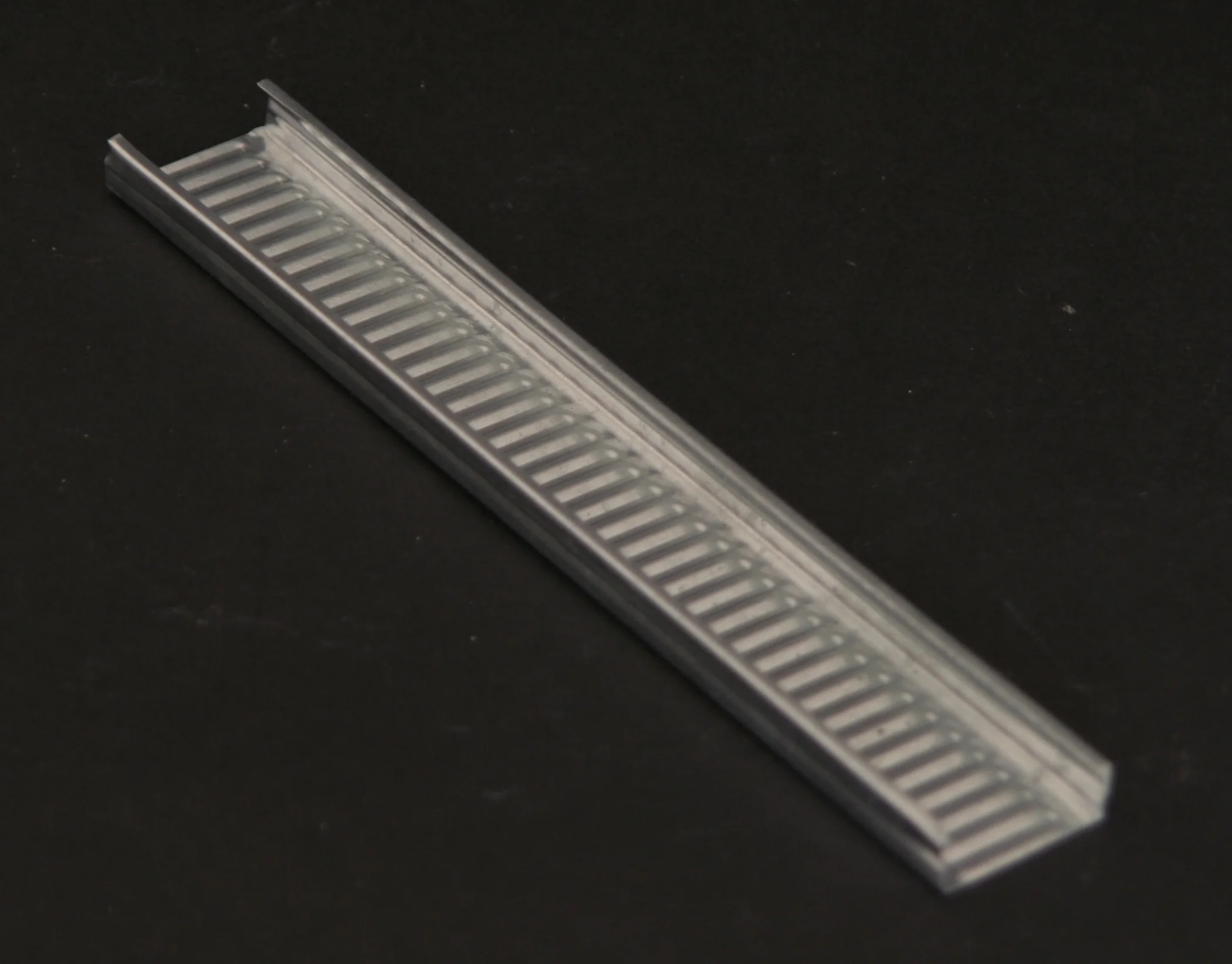
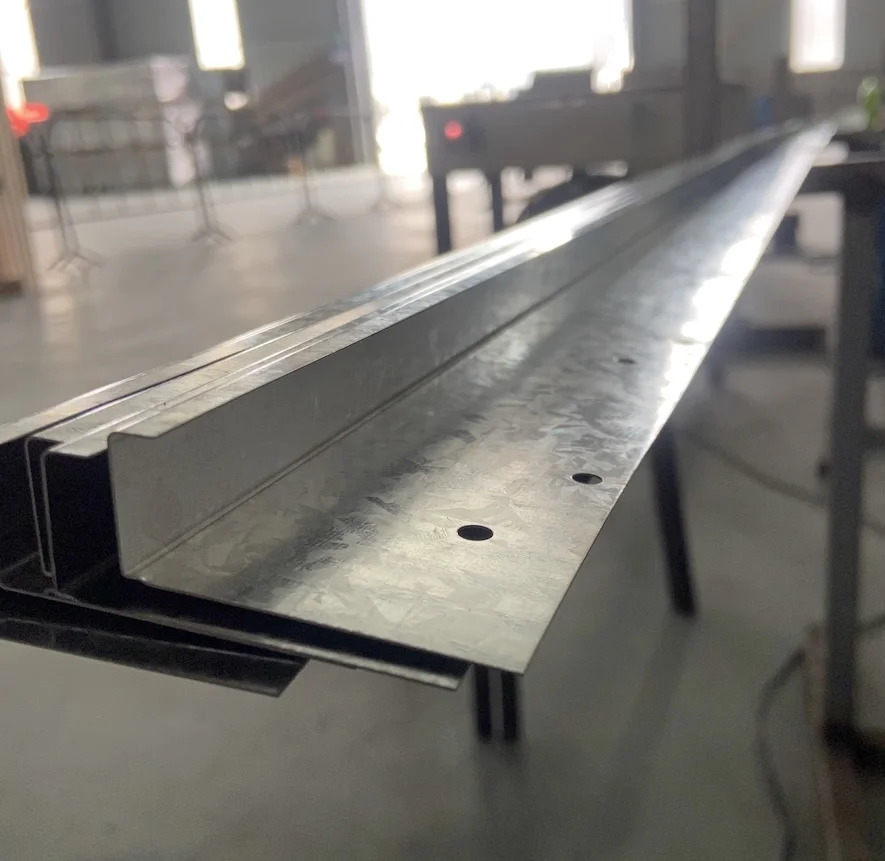
In real terms, these studs act as the backbone for metal walls, partitions, and framing systems. They’re not just fillers; they handle loads, resist corrosion (depending on coating), and allow for design flexibility. Plus, they can be custom-cut and punched to meet a wide variety of specifications.
Cold Form Studs Product Specifications
| Specification |
Details |
| Material |
High-tensile galvanized steel |
| Thickness |
0.8mm to 1.5mm (custom available) |
| Width |
25mm to 100mm |
| Length |
Standard 3m; custom lengths on request |
| Coating |
Galvanized or powder-coated |
From my experience, it's the combination of material grade and finishing that usually determines longevity more than pure dimensions. A well-galvanized cold form stud is surprisingly resilient, especially in humid or mildly corrosive environments.
Comparing Key Vendors: What Sets Them Apart?
A quick note: choosing a trusted supplier is critical. I remember a project where delivery delays from a less reliable vendor caused major headaches. Lesson learned: vet your vendor thoroughly. Here’s a snapshot comparison of three notable suppliers in the cold form stud market, including Jinkai BM — which, frankly, stands out because of their customization options and quality control.
| Vendor |
Material Quality |
Customization |
Delivery Time |
Price Range |
| Jinkai BM |
Premium galvanized steel (high tensile) |
Highly customizable profiles & sizes |
2-3 weeks standard |
Moderate |
| SteelForm Inc. |
Standard galvanized steel |
Limited customization |
3-4 weeks |
Lower end |
| MetalWorks Ltd. |
Mixed quality steel |
Standard sizes only |
1-2 weeks |
Premium |
Truthfully, it feels like in today’s fast-evolving industrial environment, partnering with a vendor that balances quality, speed, and flexibility is the winning recipe. It’s not just about the cheapest option anymore, but about reducing delays and rework.
A Customer Story: How Cold Form Studs Made a Difference
One memorable project was a mid-sized manufacturing plant expansion where space was tight but strength couldn’t be compromised. The client opted for cold form studs with high tensile strength and special powder coating to withstand occasional chemical exposure.
The studs’ precise dimensions allowed quick install without custom trims or modifications – saving valuable man-hours. The plant manager later told me the studs performed well beyond expectations during quality inspections. It’s these real-world testimonials that kind of make the intangible specs come alive.
So, if you’re weighing options for your next build or retrofit project, I’d say keep cold form studs on your shortlist. A small investment in the right studs upfront often nips bigger headaches in the bud down the line.
And hey, if you want to see what a reliable source can offer, Jinkai BM really nails it with their balance of quality and customization.
References and further reading:
- Industry insights from Metal Framing Association newsletters, 2023
- “Structural Steel Cold Forming Methods” - Engineering Journal, 2022
- Vendor newsletters and product specs from Jinkai BM (www.jinkaibm.com)