Why C Channel Metal Studs Remain a Go-To in Industrial Frameworks
If you’ve spent any time around industrial construction sites or in the warehousing sector, you’ve likely crossed paths with C channel metal studs. Frankly, they’re the unsung heroes of framing—holding up walls, ceilings, and sometimes even machinery mounts. I remember one project where the decision to swap out wooden studs for metal ones saved weeks of rework. The durability difference is night and day.
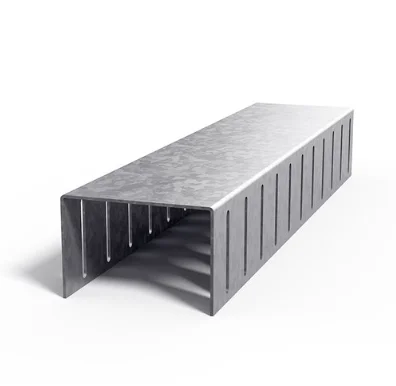
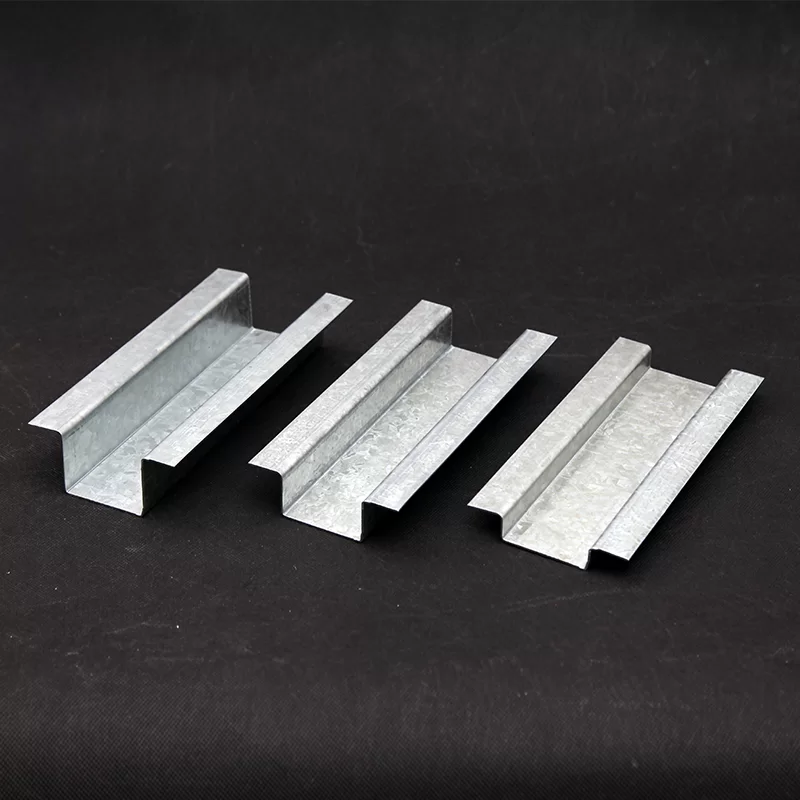
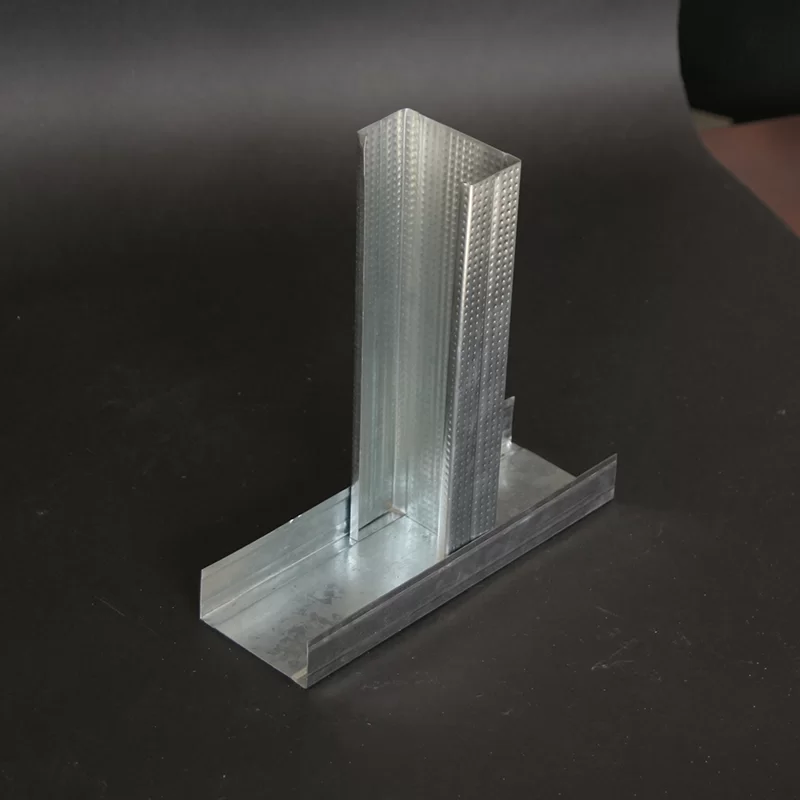
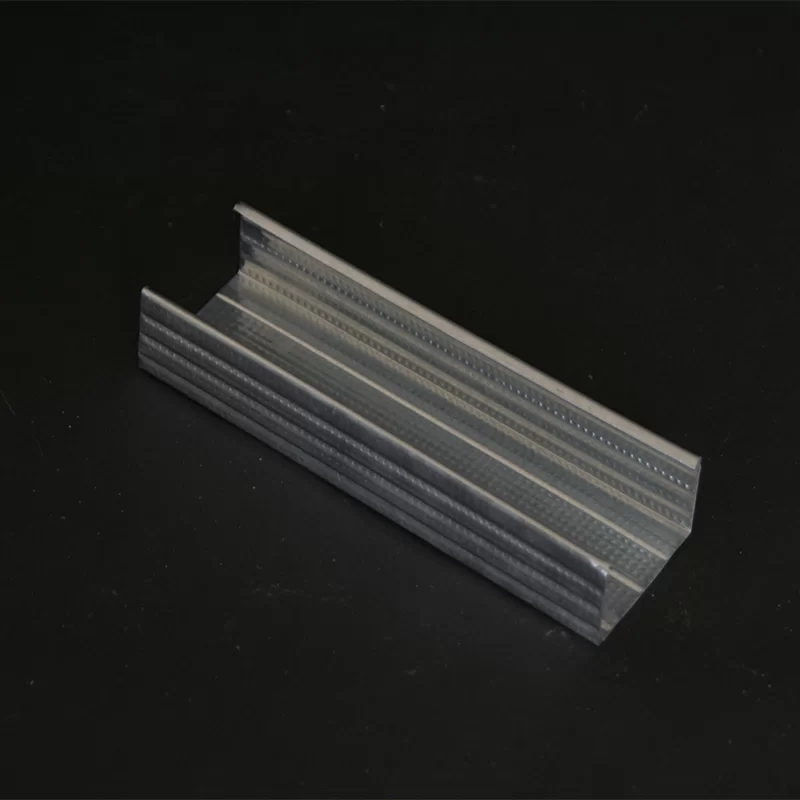
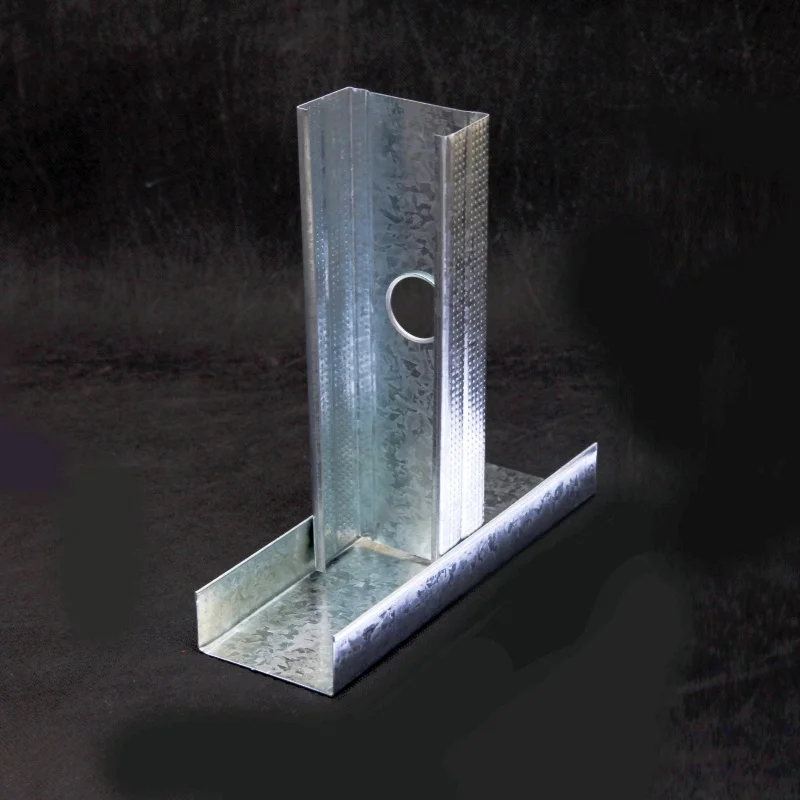
These studs, shaped like a capital 'C', offer a great balance of rigidity and weight. Oddly enough, despite being metal, they’re often lighter than equivalent thickness wood studs but far more consistent in shape. For those of us who’ve worked in the field, that predictability means fewer headaches, especially when aligning large panels.
Lately, the industrial sector is buzzing about how custom finishes and galvanized coatings improve corrosion resistance, especially in humid or chemical-exposed environments. For example, many food packaging plants are transitioning to metal studs because they’re easier to sanitize and don’t harbor pests like wood does.
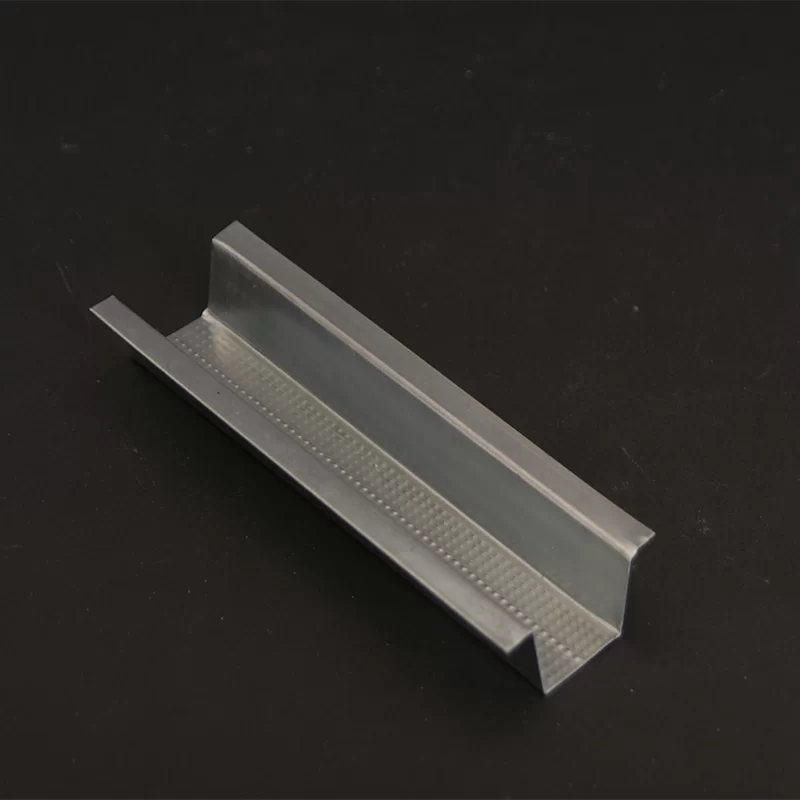
Design-wise, these studs aren’t all cut from the same coil—there’s quite a bit of variation in gauge thickness, flange width, and lip dimensions. I suppose you can say the perfect c channel stud depends on the application. For lightweight partitions, you might not need the thickest gauge, but structural walls or equipment supports demand something beefier.
One detail I always check is the quality of the steel—low carbon steels that have been cold-formed usually maintain strength without warping. Plus, the edges should be cleanly rolled to minimize injury risk on site. Trust me, nobody wants a finger slice on day one when handling skinny strips of metal.
Here’s a quick snapshot of typical product specs — roughly averages I gleaned from some recent trades and industry datasheets:
| Specification |
Typical Range |
Notes |
| Material Thickness (Gauge) |
16 – 12 gauge (approx. 1.5mm – 2.7mm) |
Thicker for load-bearing applications |
| Flange Width |
25mm – 75mm |
Depends on wall thickness and purpose |
| Length |
1.8m – 6m standard |
Cut-to-size options available |
| Coating |
Galvanized, Painted, or Powder-Coated |
Helps with corrosion resistance |
| Weight |
Approx. 3 – 7 kg/m |
Varies with thickness and size |
Choosing the Right Vendor: Comparing the Leading C Channel Metal Stud Suppliers
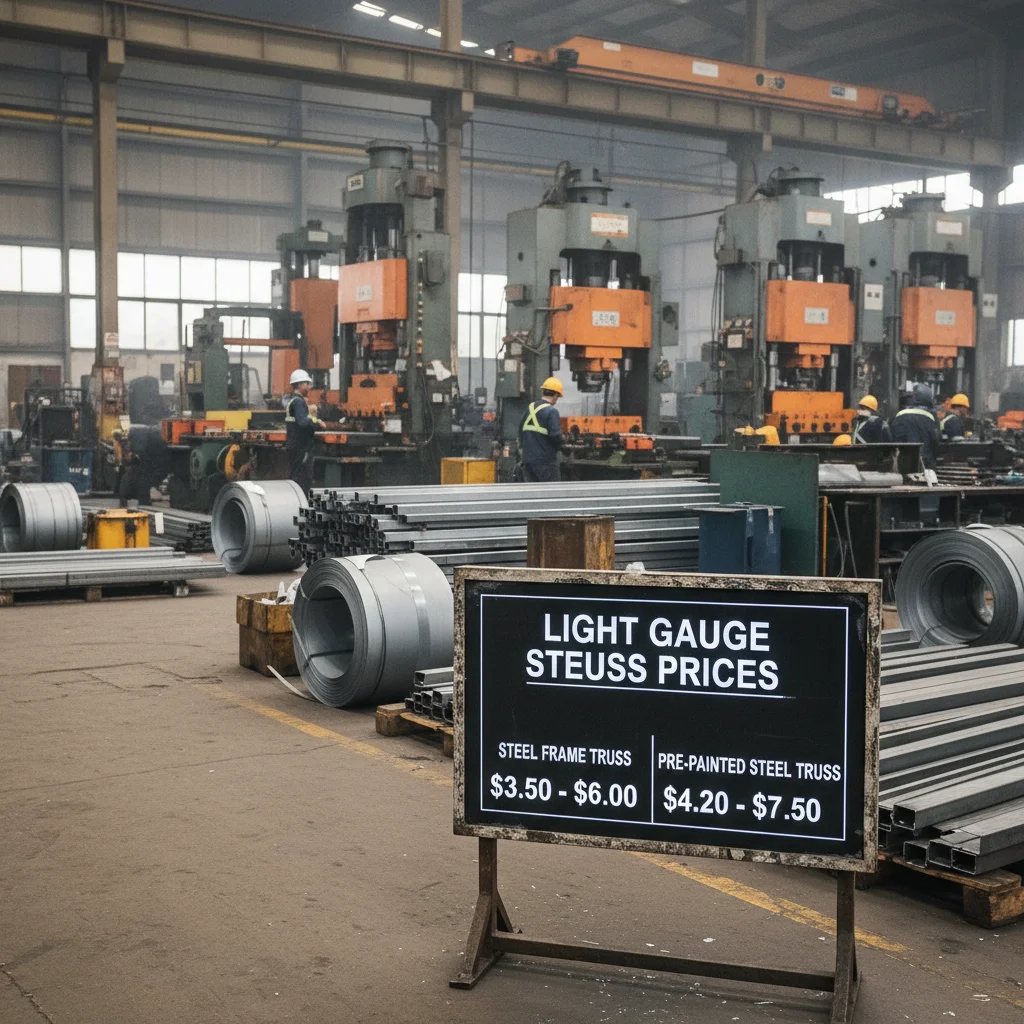
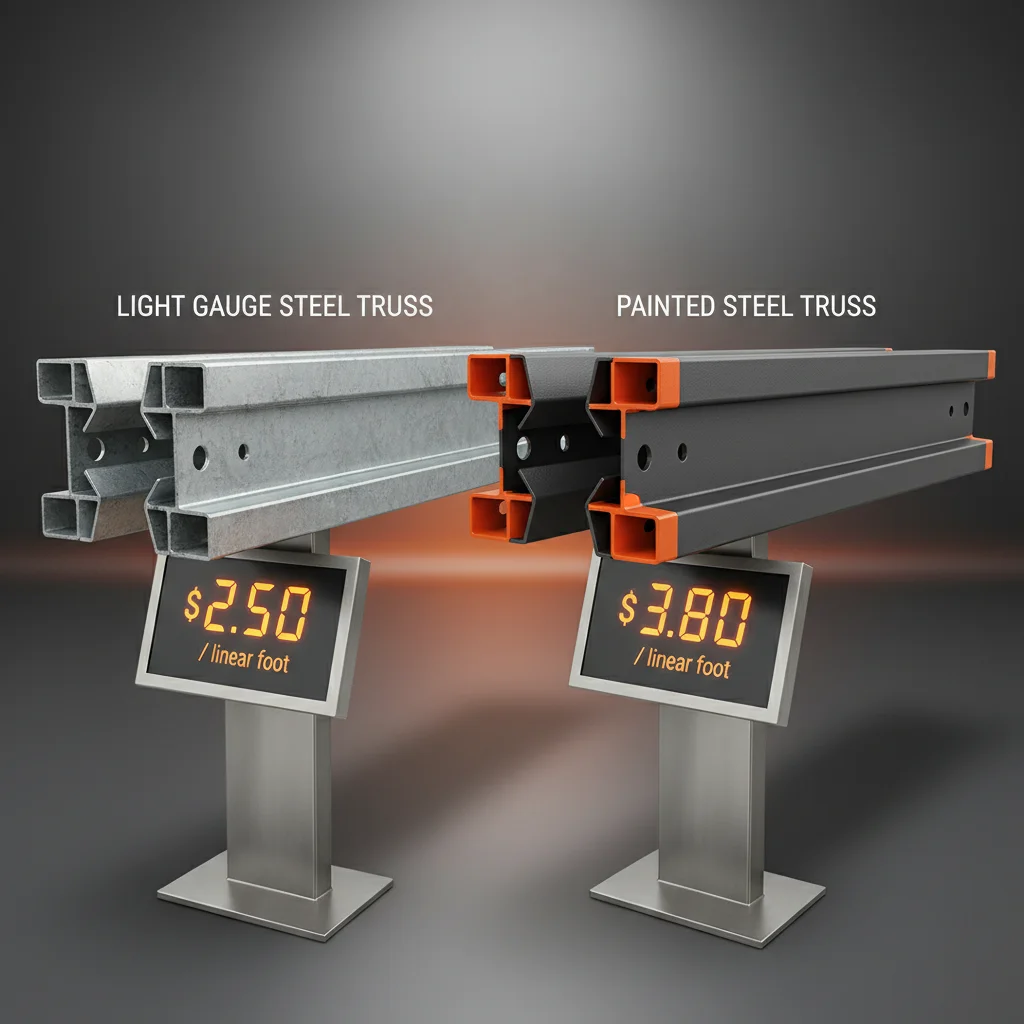
Picking the vendor for metal studs isn’t just about the lowest price. You want reliability, consistent quality, and the type of service that doesn’t leave you stranded if plans change last minute. Working in industrial environments, I learned the hard way that a delayed order can grind an entire facility retrofit to a halt.
Here’s a little vendor comparison I put together, based on specs, delivery options, and customization flexibility:
| Vendor |
Gauge Range |
Customization |
Lead Time |
Typical Customers |
| Jinkai BM |
16 – 10 gauge |
Cut-to-length, hole punching |
1-2 weeks (bulk) |
Industrial, commercial construction |
| SteelFrame Pro |
18 – 12 gauge |
Standard lengths only |
3-4 weeks |
Residential, light commercial |
| Metalworks Inc. |
14 – 11 gauge |
Custom coatings |
2 weeks |
Heavy industrial, infrastructure |
I’ve personally been impressed by how Jinkai BM blends quality with speed. Their willingness to punch holes or cut studs to exact specs can be a game-changer for tricky assemblies. One client switched solely because they couldn’t find such tailored flexibility elsewhere.
Final Thoughts on C Channel Metal Studs
If you're in industrial construction or planning a retrofit that demands both stability and speed, don’t overlook
c channel metal studs. They’re reliable, versatile, and with today’s enhancing coatings, last much longer than the old wooden rivals. And honestly? Once you’ve dealt with the frustration of warped timber in humid warehouses, those smooth, consistent metal profiles feel like a luxury.
Naturally, sourcing from the right vendor matters — whether you want off-the-shelf or a custom job, it can hugely affect your bottom line. When I look back, the projects that went smoothly often had one thing in common: the right metal studs, delivered on time, no excuses.
Anyway, that’s my two cents. Next time you’re specifying framing components, give metal c channels a serious look. They might just surprise you.
References & Anecdotes:
1. Industry trade reports on metal framing durability, 2023 edition
2. Conversations with site engineers during a Midwest warehouse retrofit, 2022
3. Supplier catalogs and technical datasheets from Jinkai BM, SteelFrame Pro, Metalworks Inc.