Hit enter to search or ESC to close
February 2, 2026
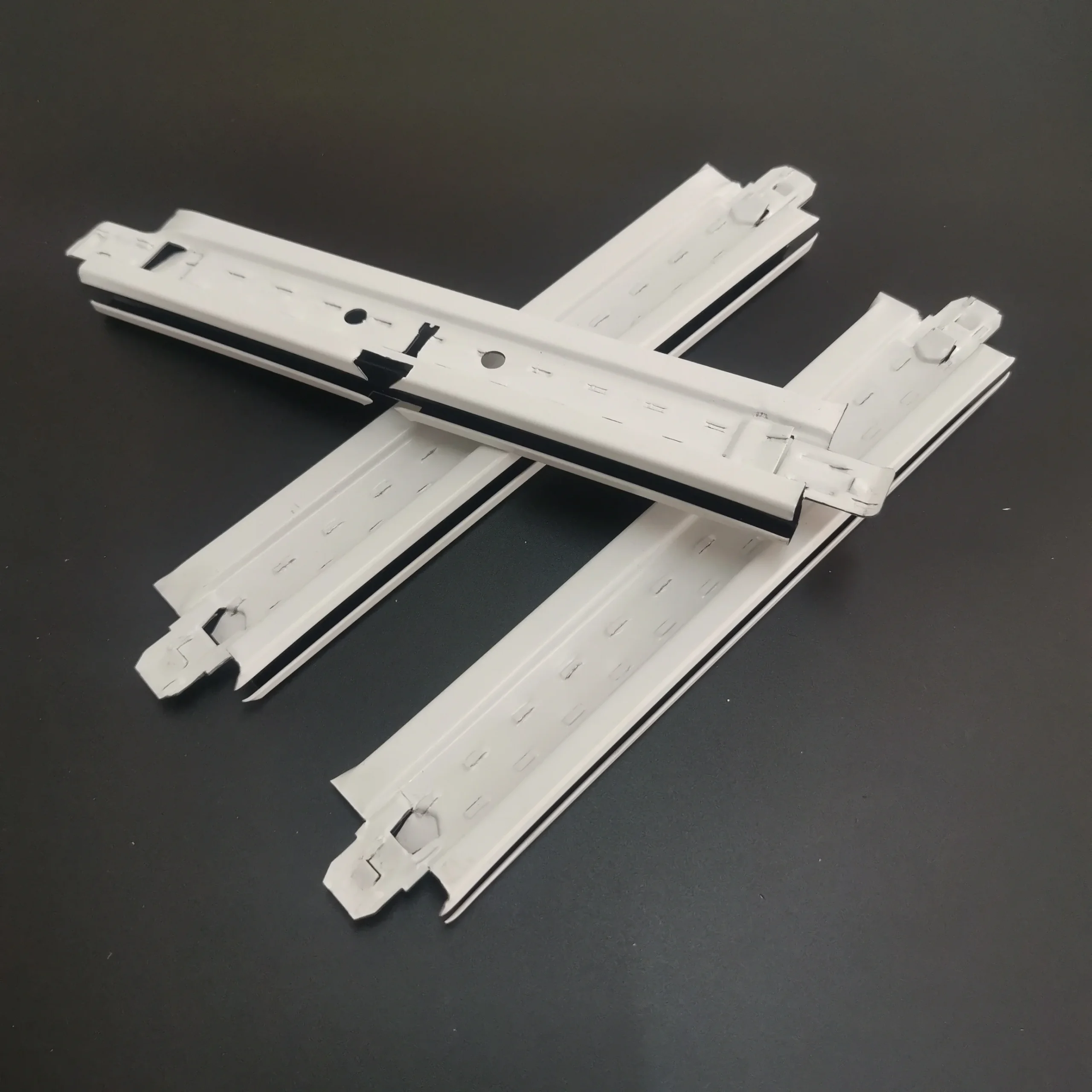
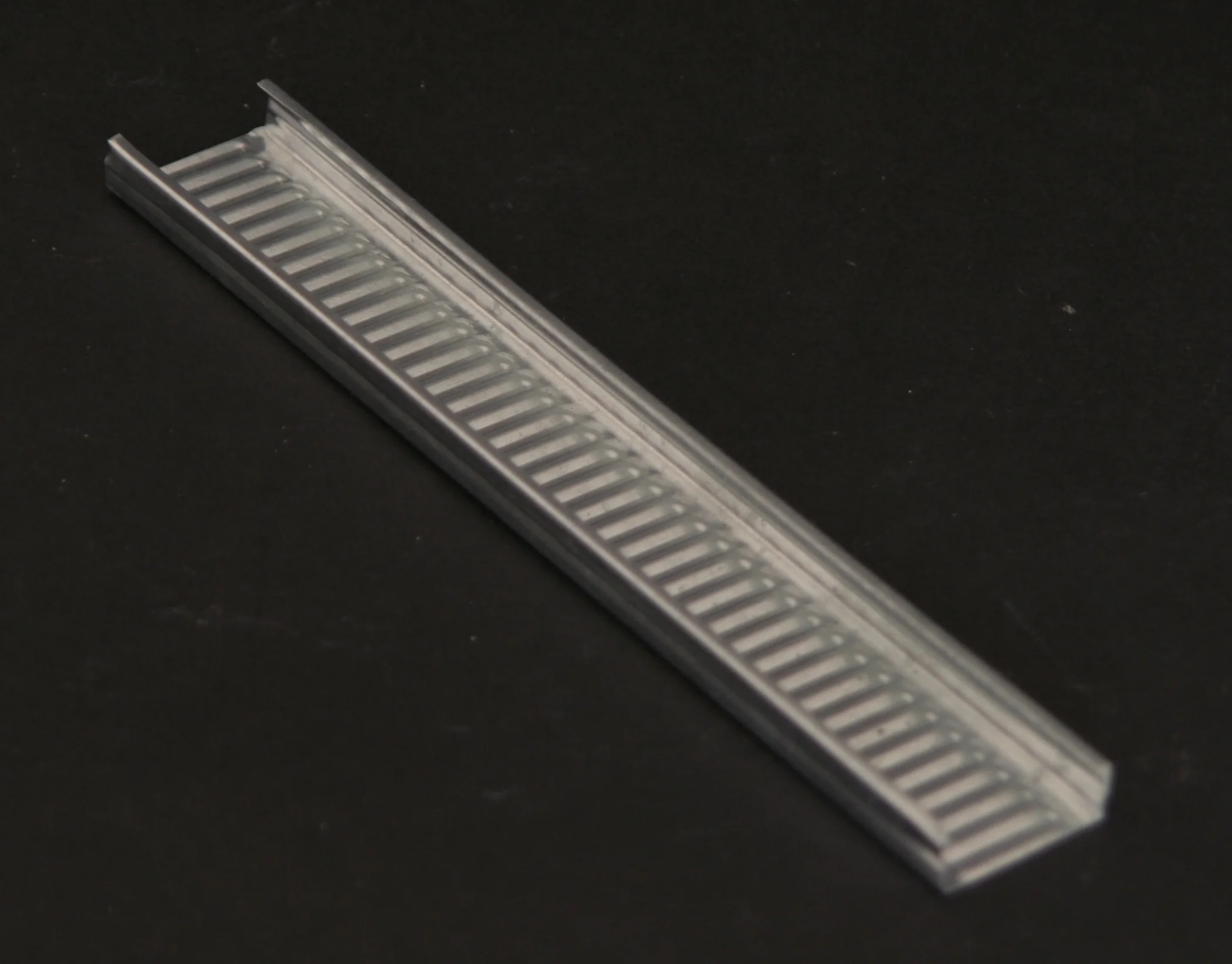
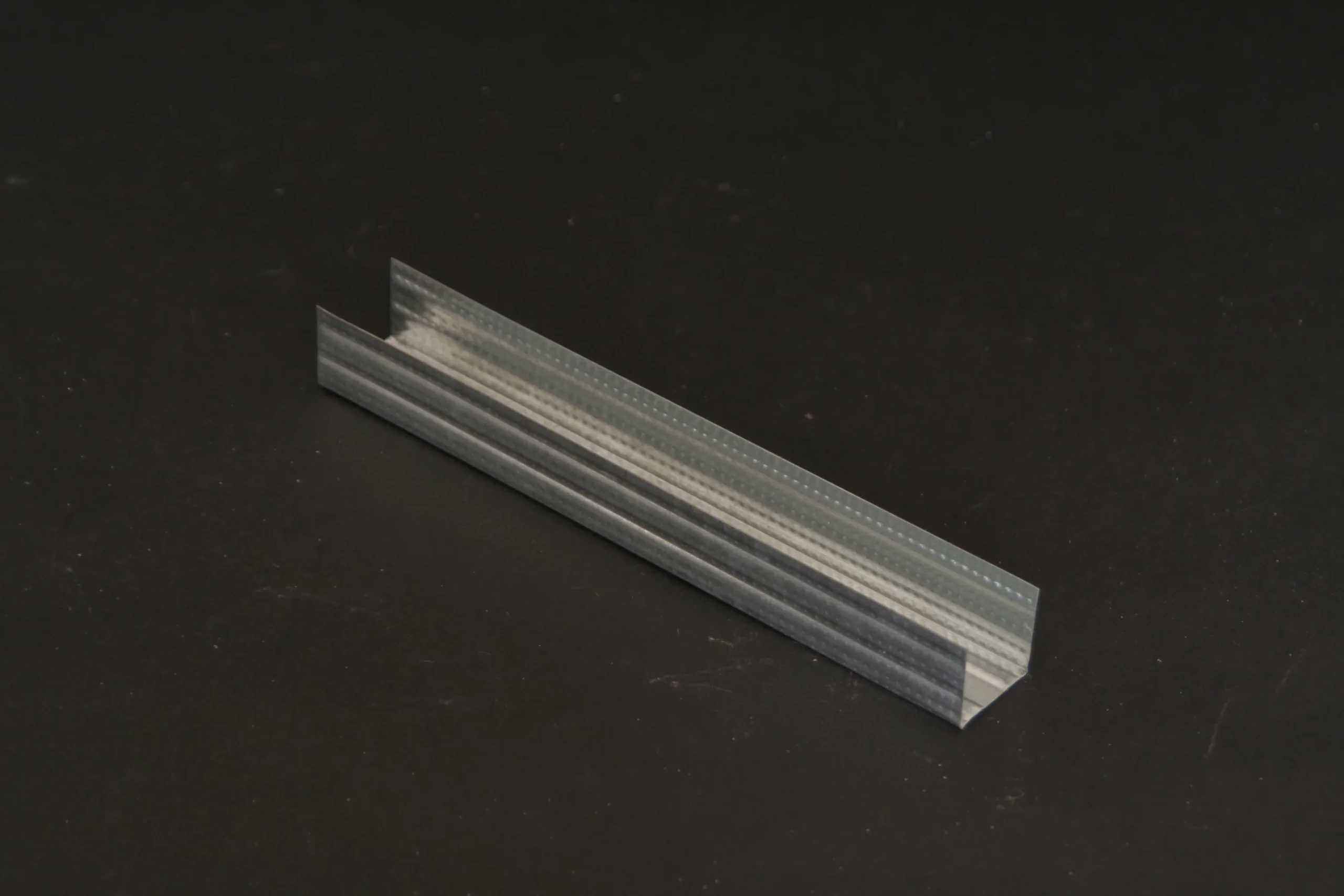
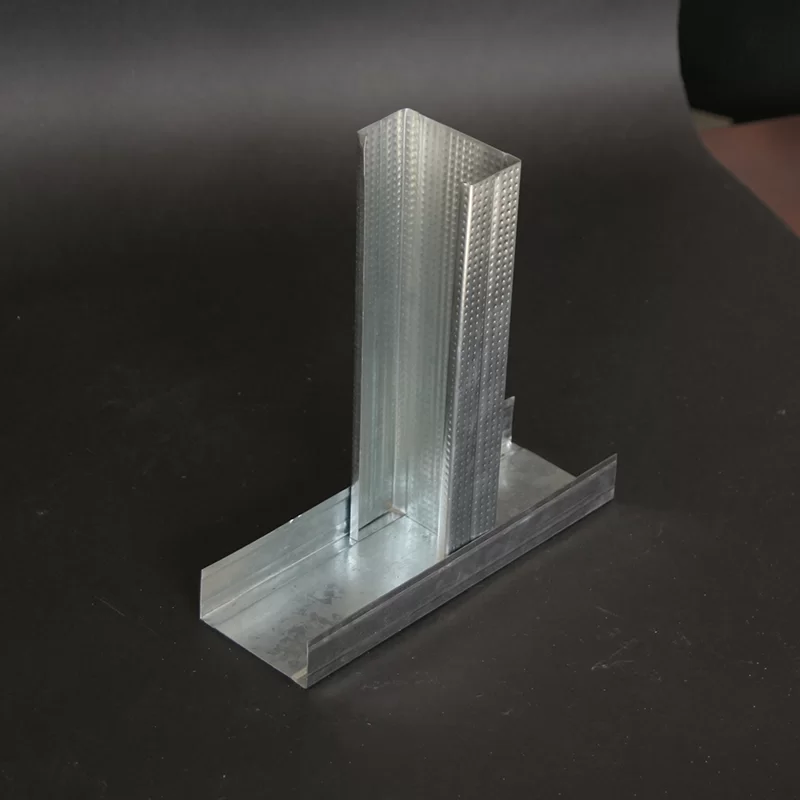
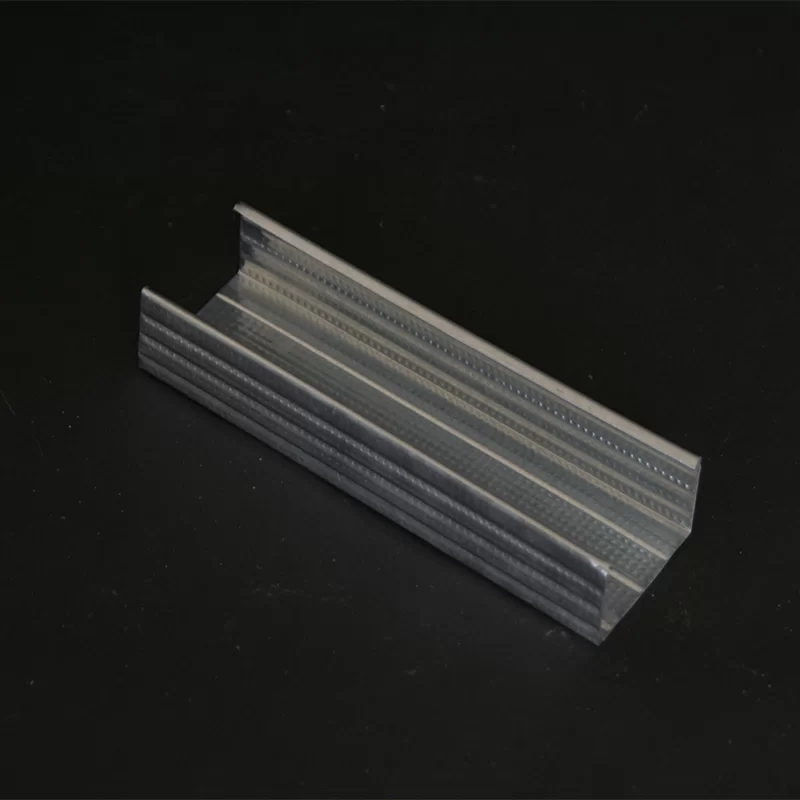
Metal drywall framing, also known as steel studs, is increasingly becoming the preferred choice for both residential and commercial construction. Offering superior strength, durability, and design flexibility compared to traditional wood framing, metal studs provide a sustainable and cost-effective solution. This article delves into the benefits, applications, installation, and considerations when choosing metal drywall framing. Understanding these factors will ensure a successful and long-lasting construction project.
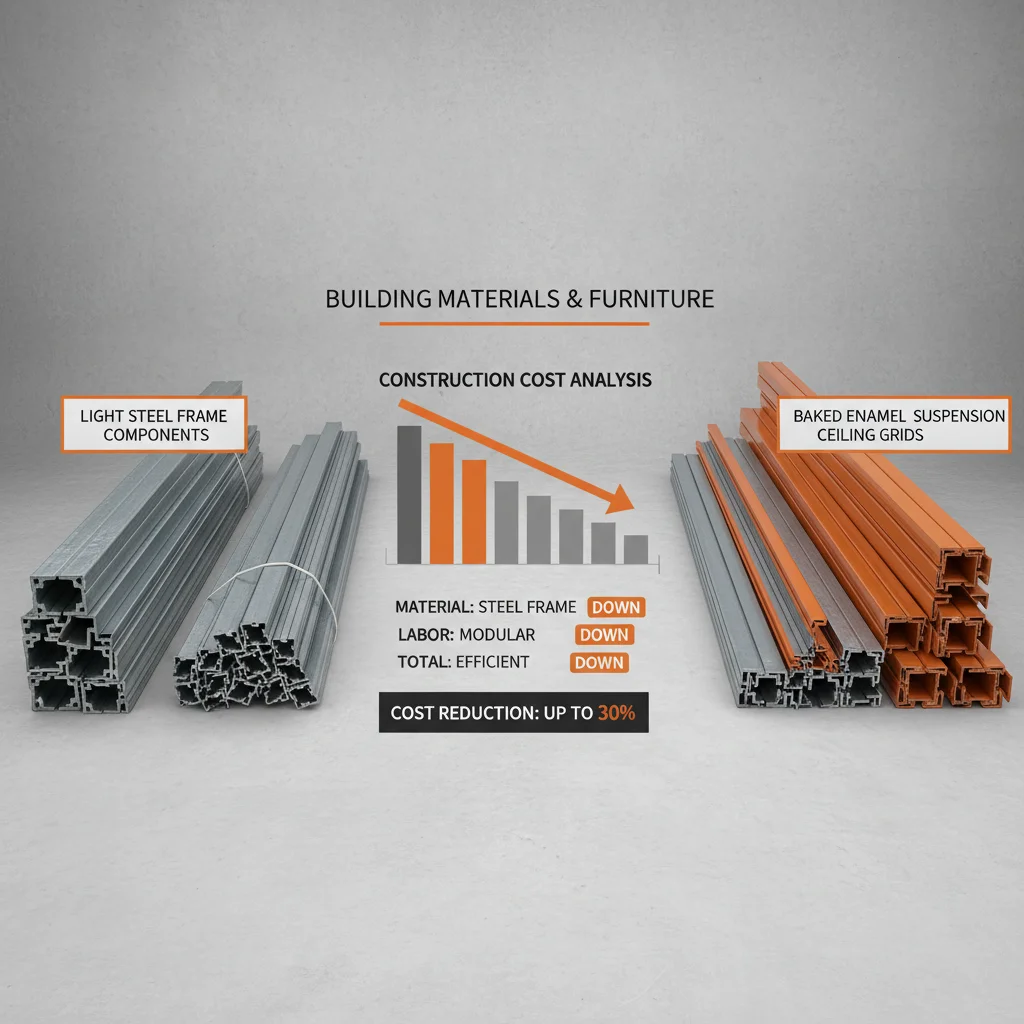
Metal framing offers a wealth of benefits. Firstly, it's non-combustible, providing superior fire resistance compared to wood. This is a critical safety advantage, especially in multi-story buildings. Secondly, steel doesn’t warp, twist, shrink or swell like wood, resulting in straighter walls and fewer issues with cracking drywall. Thirdly, it's lightweight and easy to handle, leading to faster installation times. Moreover, metal studs are resistant to pests like termites and are environmentally friendly as they're often made from recycled materials. The strength-to-weight ratio is excellent, allowing for wider spans between framing members.
The versatility of metal studs makes them suitable for a wide range of construction projects. Common applications include: Residential construction (interior walls, exterior walls, garages), Commercial buildings (office spaces, retail stores, warehouses), Institutional buildings (schools, hospitals, government facilities), and Renovation projects where fire resistance or structural integrity needs to be improved. Because of its inherent properties, metal drywall framing is increasingly utilized in areas prone to seismic activity or high winds.
Key Benefits: Superior fire resistance, dimensional stability, lightweight, pest-resistant, and environmentally friendly.
Choosing between metal and wood framing involves weighing several factors. While wood is often initially cheaper, the long-term costs can be higher due to potential issues with rot, pests, and fire. Metal framing offers greater consistency in quality, reducing waste and rework. It is also more dimensionally stable, minimizing issues with drywall cracking. The following table provides a detailed comparison:
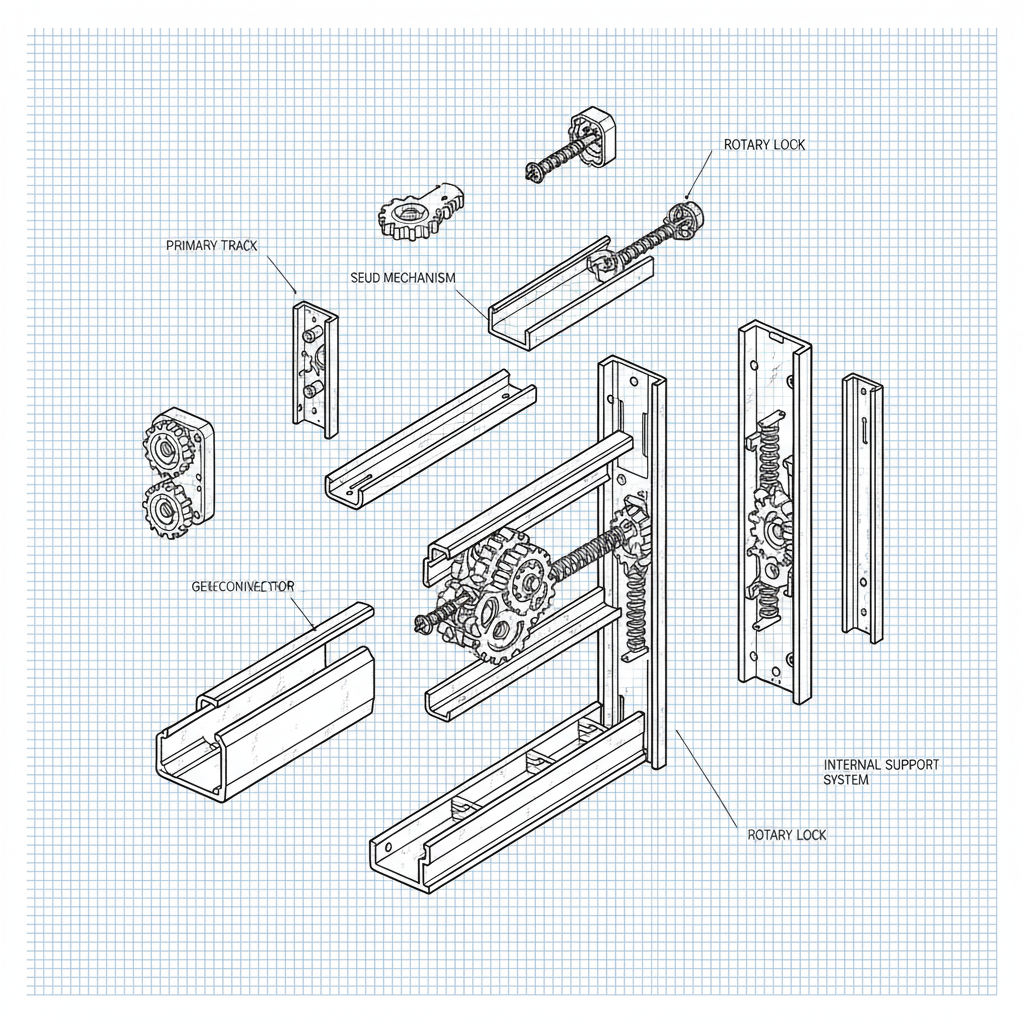
Proper installation is crucial for maximizing the benefits of metal framing. Specialized tools like self-tapping screws, metal shears, and stud cutters are required. It’s important to follow manufacturer’s instructions and local building codes. Adequate bracing and proper screw placement are key to ensuring structural integrity. Using the right connectors and fasteners specifically designed for metal framing is critical. Professional installation is often recommended, particularly for large-scale projects.
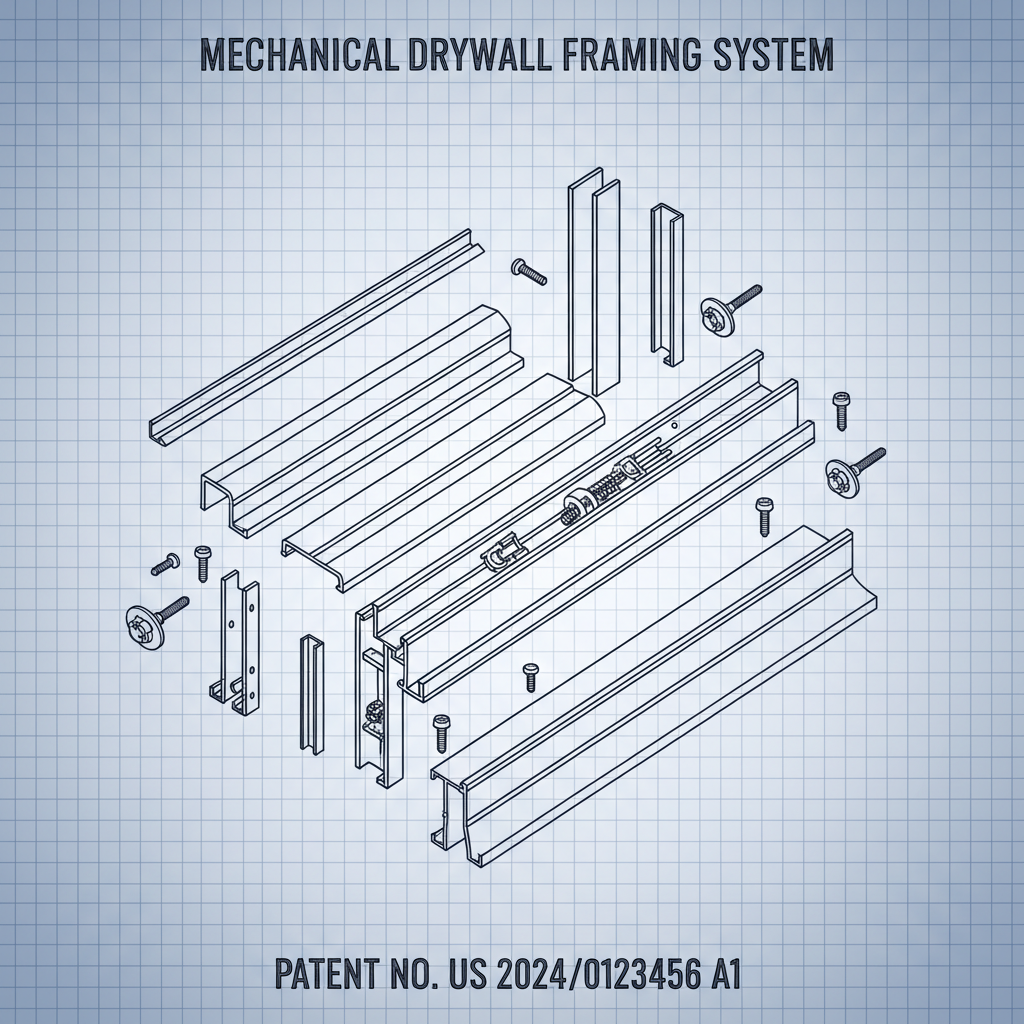
Selecting a reputable supplier is vital. Look for suppliers that offer high-quality materials, competitive pricing, and reliable delivery. Jinka IBM is a leading manufacturer and supplier of metal drywall framing, providing a wide range of products to meet diverse construction needs. We are committed to delivering superior products and exceptional customer service. Consider factors such as gauge (thickness) of the steel, coating quality (galvanized or painted), and compliance with industry standards.
Investing in metal drywall framing is a smart choice for builders and homeowners seeking a durable, sustainable, and cost-effective solution. Its superior performance, fire resistance, and longevity make it an excellent alternative to traditional wood framing. Choose a trusted supplier like Jinka IBM to ensure you receive high-quality materials and expert support.
Gauge refers to the thickness of the steel. Lower gauge numbers indicate thicker steel, providing greater strength and load-bearing capacity. Common gauges used for metal framing are 16, 18, and 20. 16 gauge is typically used for exterior walls or load-bearing applications, while 18 and 20 gauge are suitable for interior non-load-bearing walls. Selecting the appropriate gauge is critical to ensure structural integrity and compliance with building codes.
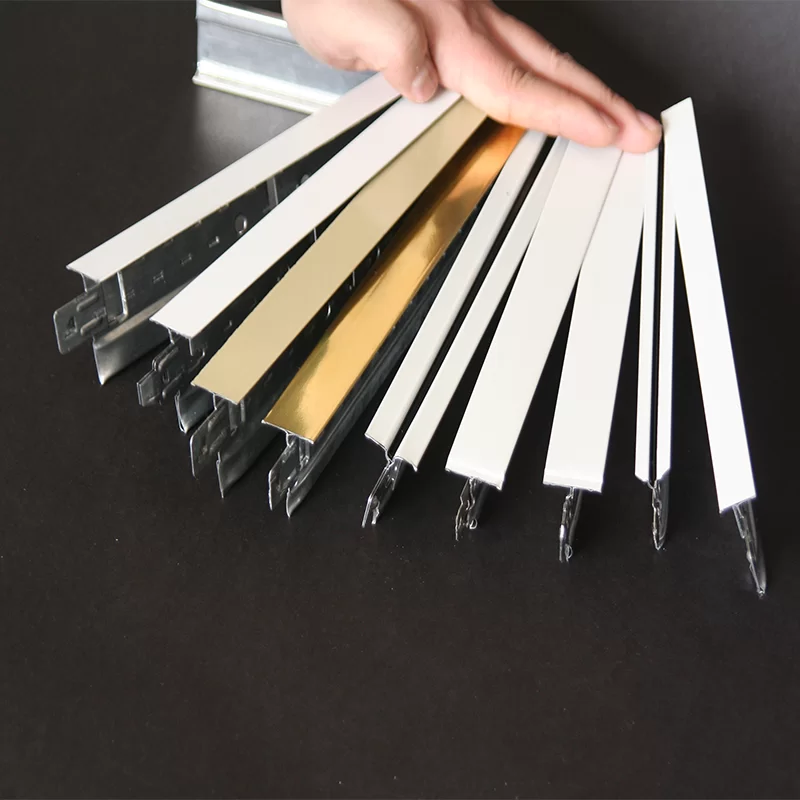
Metal framing is typically coated with galvanized steel or painted to protect it from corrosion. Galvanized steel provides a zinc coating that prevents rust. Painted coatings offer an additional layer of protection. However, in highly corrosive environments (e.g., coastal areas), it’s important to choose a supplier that offers corrosion-resistant coatings specifically designed for those conditions. Proper installation and maintenance can also help prevent corrosion.
Metal framing is often considered more sustainable than wood framing for several reasons. Steel is a highly recyclable material, and much of the steel used in framing is made from recycled content. Wood harvesting can contribute to deforestation. Additionally, metal framing doesn't require the use of pesticides or other chemicals to prevent insect damage. Its durability and longevity also contribute to sustainability by reducing the need for frequent replacement.